Every November, the southern right whales of Argentine Patagonia put on a show that many travellers miss. By mid-December the mothers and calves start drifting out of the sheltered gulfs, and the boats stop sailing. Right now, though, you can still stand on a Patagonian beach, watch a whale blow a short distance offshore, and then drive across the steppe to a bay where orcas hunt along the shoreline.
That is Península Valdés whale watching in late spring, and it comes with an extra layer. This UNESCO-listed peninsula in Chubut province is also a place where elephant seals breed on the mainland rather than on a remote island. It is also home to Magellanic penguins, sea lions and some of the only orcas on Earth known for hunting by deliberately beaching themselves.
This guide covers what is happening on the peninsula right now, how to watch it responsibly, what it costs in 2026, and how to get there from Buenos Aires. We checked the details on 15 November 2026, and we have flagged the ones most likely to change.
Why Península Valdés Deserves a Spot on Your Patagonia List
Península Valdés juts out into the South Atlantic on Patagonia’s eastern coast, wrapped around two calm gulfs. Those sheltered waters explain why so much wildlife gathers here. The area earned UNESCO World Heritage status in 1999 for its marine mammals, and it remains one of the world’s key breeding grounds for southern right whales.
Most Patagonia trips revolve around mountains. If that is your plan, our guide to El Chaltén, Argentina’s trekking capital covers the hiking side. Península Valdés offers the opposite. The ground is flat, the walks are short, and the wildlife does most of the work for you.
Another reason to go now is timing. Several different seasons overlap in November, and that rarely happens elsewhere on the peninsula. After mid-December, the whales fade and the focus shifts to dolphins and penguins. So a late-spring visit is your best chance to see the big animals in one trip.
What Is Happening on the Peninsula in November
Southern Right Whales Are Still Here
The 2026 whale season opened officially on 9 June and runs into December. Visit Argentina, the national tourism board, says the largest numbers gather in September and October, with plenty of breaching and young calves. By November the peak is easing, but whales remain easy to find, and mothers with calves stay close to shore.
Numbers have been a talking point this year. Local press reported that the first aerial census of 2026 counted 1,375 right whales, including 409 calves. That is nearly 800 fewer than last year’s record-breaking tally. However, each survey flies on a different date, so treat the comparison as a snapshot rather than a verdict. In practice, boats are still finding whales on most outings.
Orcas Return to Caleta Valdés
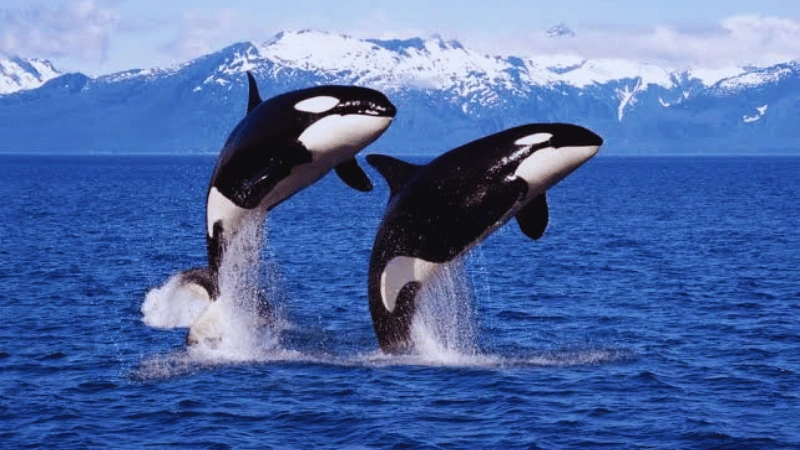
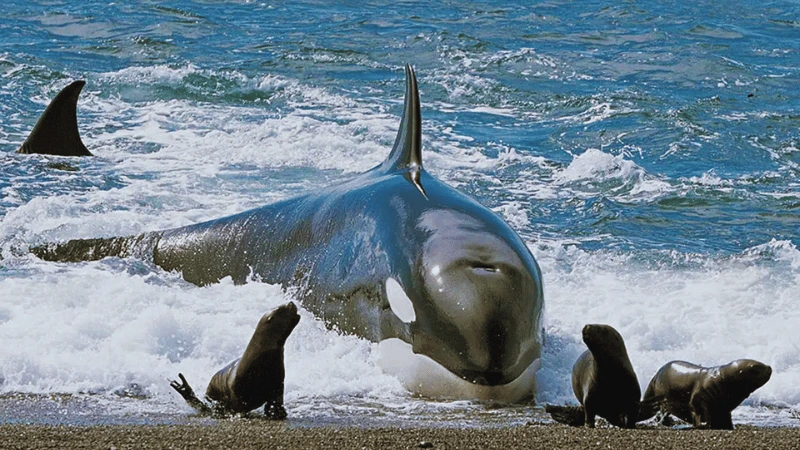
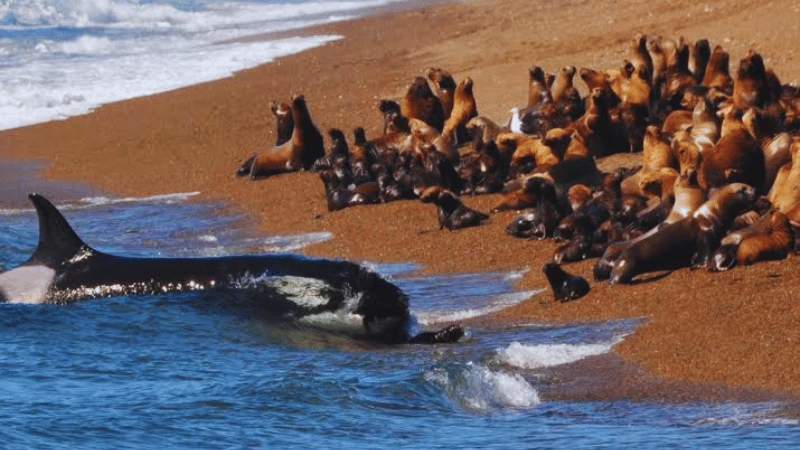
This is the headline act. According to the Chubut government, orcas visit the peninsula in two windows each year: March to May, and October to November. In spring, they work the shoreline at Caleta Valdés, where elephant seal pups are learning to swim.
The technique is called intentional stranding. At high tide, an orca launches itself onto the beach, grabs a pup, and wriggles back into the water. Researchers first observed it here in 1974, and the behaviour passes from adults to youngsters inside matriarchal family groups. Few places on Earth offer anything like it.
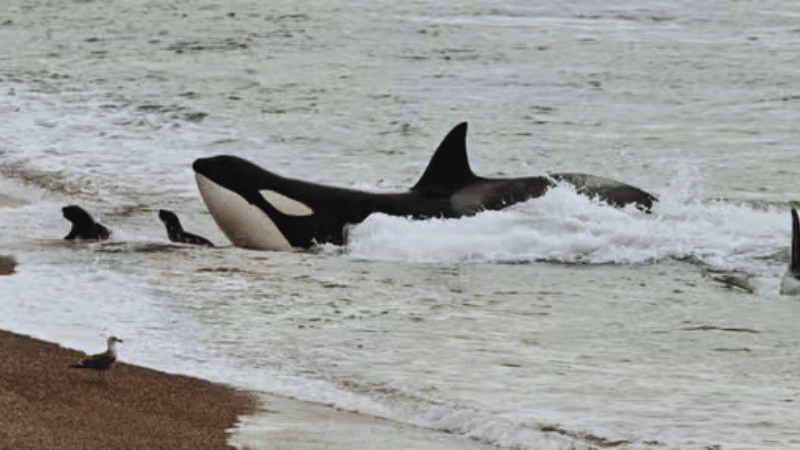
Be realistic, though. Orca sightings are never guaranteed, and some days the water stays empty. Plan more than one visit to the viewpoints around high tide, and treat any sighting as a bonus.
Elephant Seals in the Thick of Breeding Season
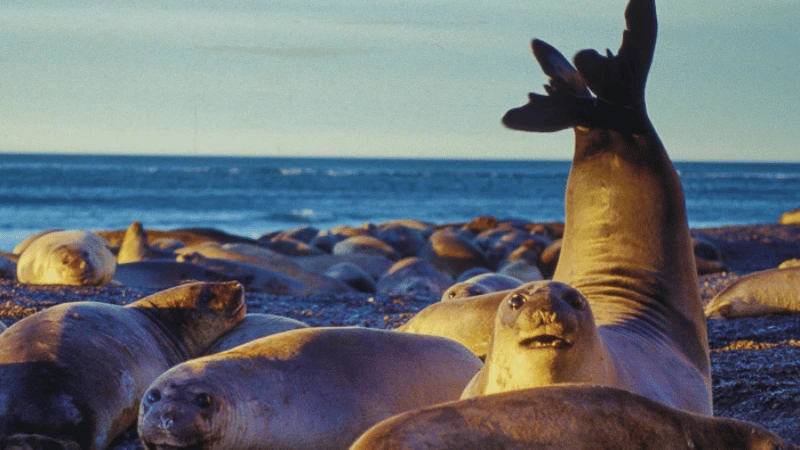
Spring is also pupping and mating time for southern elephant seals. Local reports describe colonies in full swing, with huge bulls guarding harems and challenging rivals on the beach. Some males weigh up to 4,000 kilograms, so the noise and the spectacle are hard to forget. You watch from marked viewpoints, which keeps both you and the animals safe.
Penguins and Sea Lions
Magellanic penguins start breeding on the peninsula in September, so nesting colonies are active now. Sea lions haul out along the rocky coast throughout the year. If you have a spare day, the Punta Tombo reserve near Trelew holds the largest mainland colony of Magellanic penguins, according to Visit Argentina.
Whale Watching Options: Boat, Beach or Submarine
Boat Trips From Puerto Pirámides
Puerto Pirámides is the only village inside the protected area. Authorised operators sail from here on trips of roughly two hours, taking small groups close to the whales. Boat season runs from June to December, and the operators’ high-season rates apply from 1 September to 15 December.
Pick a licensed company from the official provider list on the Chubut tourism directory. Moreover, book ahead if you are travelling in December, because the last sailings fill quickly.
Free Viewing From El Doradillo
You do not need a boat to see whales here. El Doradillo, a protected beach about 15 kilometres north of Puerto Madryn, lets you watch them from the shore, especially around high tide. Chubut also opened a newly paved access road to the beach at the start of this season. As a result, the drive from town is smoother than it used to be.
The Yellow Submarine
If you want a different angle, a semi-submersible boat offers underwater viewing as well. It costs noticeably more than the traditional outing, and prices appear in the cost section below. It suits travellers who have seen whales from the surface before and want something new.
Whale lovers who enjoy this kind of trip may also like our guides to whale watching and surfing in Tofino, Canada and Isla Holbox in Mexico, where whale sharks visit.
How to Watch Orcas Without Wasting a Day
Orcas follow the tide, so timing matters more than anything else. Check the tide tables for the day, and arrive at the Caleta Valdés viewpoints well before high tide. The public lookouts have marked paths, toilets and basic services, so you can wait comfortably.
Punta Norte, on the northern tip of the peninsula, is the classic autumn spot. In spring, Caleta Valdés takes over. The two sites sit roughly 50 kilometres apart, so you can see why guides plan around the season. Furthermore, the peninsula’s official YouTube channel, @peninsulavaldesoficial, streams live from a dome at Punta Norte around high tide. It is a handy way to check activity before you make the long drive.
Bring binoculars, a windproof jacket and some patience. Hunts are short and sudden, so keep your eyes on the shoreline rather than on your phone. Above all, stay on the marked paths.
How to Behave Around Elephant Seals
This section matters more than usual this week. On 12 November, a wildlife educator named Víctor Fratto publicly criticised a group of visitors who approached resting elephant seals on the peninsula, filming them and forcing the animals to waste energy moving away. Diario Jornada reported the story.
Fratto’s post also explains why it is serious. He says avian influenza (H5N1) killed about 97 per cent of the pups born in 2023. He adds that preliminary 2026 census results suggest the population sits 40 to 50 per cent below its pre-outbreak level, and that the IUCN reclassified the species as Vulnerable this year. Those are his claims, relayed from researchers, but they match the caution you will hear from rangers.
The rules are simple, so follow them.
- Use the viewpoints. Watch only from authorised areas and marked paths.
- Never walk toward a seal. Even a resting animal can move fast, and large bulls can injure people.
- Do not provoke a reaction. A dramatic photo is not worth stressing a vulnerable animal.
- Follow ranger advice. Park staff know where the colonies sit and which areas are closed.
What It Costs in 2026
Argentina’s prices move quickly, so treat every figure here as a guide. The numbers below come from local press reports published in 2026, and all are in Argentine pesos.
Entry to the Protected Area
- Foreign visitors: 50,000 pesos for adults and 25,000 for children aged 6 to 11.
- Argentine visitors: 20,000 pesos for adults and 10,000 for children, retirees and pensioners.
- Chubut residents: 10,000 pesos for adults and 8,000 for children and retirees.
- Free entry: children up to age 5, people with disabilities and Falklands/Malvinas veterans.
The Administration revises these fees twice a year, in April and November, so the table may change soon. It also announced online pre-sale of entry tickets from 1 September 2026. Check the official Península Valdés Administration website before you go, because buying ahead can speed up the entrance queue.
Whale-Watching Boats
For the 1 September to 15 December window, the Puerto Pirámides operators agreed on unified prices. A traditional trip costs 195,000 pesos for adults and 97,500 for children aged 3 to 12, and children under 3 go free. The underwater Yellow Submarine outing costs 292,500 pesos for adults and 146,250 for children.
Best Time to Visit Península Valdés
Each season brings a different headline animal. Use this guide to match your dates to what you most want to see.
- June to August: Southern right whales arrive, and boat trips start.
- September to November: Peak whale activity, elephant seal breeding, penguin nesting and the spring orca window at Caleta Valdés.
- December: The whale season winds down around mid-month.
- December to April: Dolphins approach the coast, and penguin season continues.
- March to May: The autumn orca window, best known at Punta Norte.
If you can only pick one window, late September to early November gives you the widest mix. Arrive in the last weeks of November or early December, however, and you will find fewer whales, quieter beaches and lower pressure on the viewpoints.
How to Get to Península Valdés
Most travellers fly from Buenos Aires. Flights run from Aeroparque Jorge Newbery to El Tehuelche Airport in Puerto Madryn. Alternatively, you can fly to Trelew and take a bus of about one hour to Puerto Madryn, according to Visit Argentina.
From Puerto Madryn, you have two options. Join a guided day tour, which usually combines the whale boat, the Caleta Valdés viewpoints and the wildlife stops. Alternatively, rent a car and drive yourself, which gives you the freedom to chase the tide for orcas. The official entry post, El Desempeño, operates around the clock.
Distances on the peninsula are long, and roads can be unpaved in places. As a result, a full day covers only part of the area. Two days allow a calmer pace, especially if you want both a boat trip and an orca stakeout.
Where to Base Yourself
Puerto Madryn is the practical choice for most visitors. It has the airport connections, the widest range of hotels and restaurants, and easy day trips to El Doradillo and Punta Tombo. Fresh seafood is a highlight, with garlic prawns and squid among the local favourites.
Puerto Pirámides is the alternative. It is the only settlement inside the reserve, so staying there saves you the early drive on boat mornings. It is small and quiet, which suits travellers who want a slower pace.
Practical Tips Before You Go
- Pack layers. Patagonian wind can turn a mild morning cold on the water.
- Keep a flexible day. Boat departures depend on sea conditions, so avoid scheduling your only whale day on your departure date.
- Carry binoculars. They help at the orca viewpoints and the seal colonies.
- Take everything back with you. Rubbish stays out of the protected area.
- Check official channels. Fees, opening hours and season end dates can change, so confirm them on the Administration’s site.
Final Thoughts on Península Valdés Whale Watching
Península Valdés whale watching works best when you treat the whole peninsula as one wildlife circuit. Spend a morning on the water with the whales. Then spend an afternoon at the Caleta Valdés viewpoints, waiting for the tide and, with luck, for orcas. Add a stop at the elephant seal colonies, and you have one of South America’s richest wildlife days.
Go soon, because the whale season ends in December. Above all, keep your distance. The animals that make this place special, elephant seals especially, are under pressure, and good manners from visitors cost nothing.
Explore More Destinations
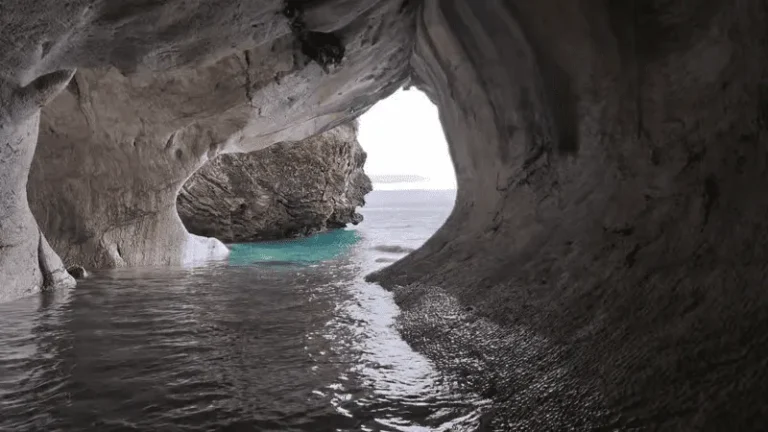
If this guide inspired your next trip, there is plenty more to discover on LessExplore. Follow another seasonal wildlife spectacle in our guide to the Christmas Island red crab migration, or plan a visit to the monarch butterfly sanctuaries in Mexico. Staying in Patagonia? Read about the Marble Caves on Lake General Carrera in Chile, or head north to the white dunes and turquoise lagoons of Lençóis Maranhenses in Brazil.
For official season updates, the national tourism board shares current whale-season information on Visit Argentina’s whale-season page (in Spanish), and the Chubut government explains the orca seasons in this Diario Jornada report (also in Spanish).
FAQ Section
The 2026 season opened officially on 9 June and runs into December. Whale numbers peak in September and October, and the operators’ high-season boat rates run from 1 September to 15 December.
Yes, it is possible. The Chubut government says orcas visit in two windows, March to May and October to November. In spring they hunt around Caleta Valdés, but sightings are never guaranteed and depend on the tide.
Recent local reports list 50,000 pesos for foreign adults, 20,000 for Argentine adults and 10,000 for Chubut residents. The Administration revises fees twice a year, so check the official website before you travel.
Yes. El Doradillo beach, about 15 kilometres north of Puerto Madryn, lets you watch southern right whales from the shore, especially around high tide.
Fly from Aeroparque Jorge Newbery to Puerto Madryn, or fly to Trelew and take a bus of about one hour to Puerto Madryn. From there, join a guided tour or rent a car to enter the protected area.