If you dream of turquoise waters and empty white-sand beaches, Los Roques Archipelago deserves a spot on your list. This remote Venezuelan national park sits quietly in the Caribbean Sea, far from the crowds of more famous island destinations. Consequently, it remains one of the region’s best-kept secrets. Travelers who make the journey discover a world of shallow lagoons, coral reefs, and tiny uninhabited islets called cayos. Whether you love snorkeling, diving, kitesurfing, or simply relaxing by the sea, Los Roques offers something special. This guide will walk you through everything you need to know before you visit this stunning archipelago.
What Makes Los Roques Archipelago So Special
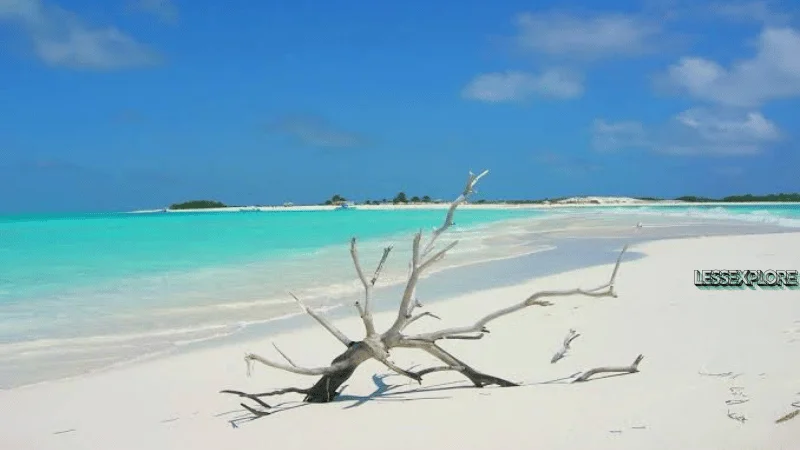
Los Roques Archipelago consists of around 350 islands, cayos, and reefs scattered across the southern Caribbean. Unlike heavily developed island chains, this destination has kept its wild, natural character. Most of the cayos remain completely uninhabited, so visitors often feel like they have an entire island to themselves. The main settlement, Gran Roque, is home to a small fishing community and a handful of cozy guesthouses called posadas.
The water here comes in shades of blue and green that seem almost unreal. Shallow lagoons create a striking contrast against deep ocean channels nearby. Meanwhile, the white sand stays soft and fine, similar to powdered sugar. Because the archipelago has been protected for decades, its ecosystems remain healthy and vibrant. Coral reefs, seagrass beds, and mangrove forests all thrive within its boundaries. As a result, Los Roques supports an impressive variety of marine life, from colorful reef fish to sea turtles and rays.
A Brief History of the Islands
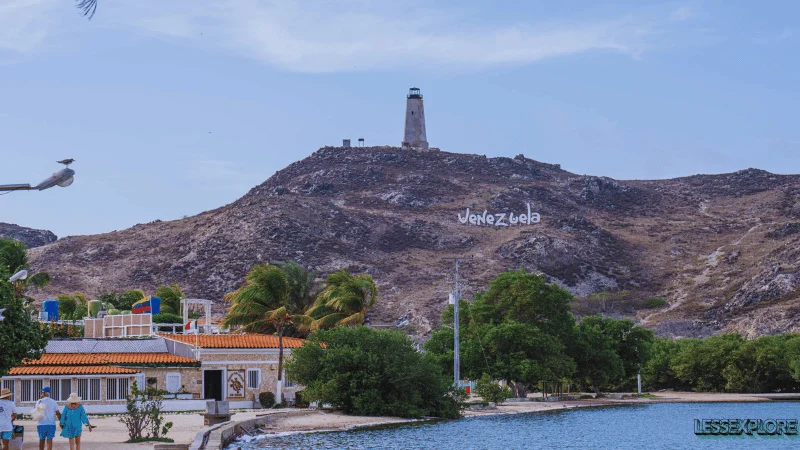
Long before tourism arrived, Los Roques served as a fishing ground for local communities. Fishermen from Venezuela’s mainland traveled here to catch lobster, conch, and various reef fish. Over time, small settlements formed on Gran Roque, the archipelago’s only inhabited island. Fishing traditions still shape daily life today, and many locals continue this trade alongside tourism work.
In 1972, the Venezuelan government recognized the ecological importance of the region. Therefore, it declared Los Roques a national park to protect its coral reefs and marine biodiversity. This decision limited development across the islands and helped preserve their natural beauty. Today, strict regulations control fishing, construction, and boat traffic throughout the park. Consequently, Los Roques has avoided the overdevelopment seen in many other Caribbean destinations. This protected status is a major reason why the archipelago still feels untouched and peaceful.
Top Attractions Within the National Park
Los Roques offers a long list of attractions, and each cayo brings its own unique charm. Gran Roque serves as the gateway to the archipelago and features a small airstrip, colorful buildings, and a relaxed village atmosphere. From here, boats depart daily to nearby islands for day trips and excursions.
Cayo de Agua stands out as one of the most photographed spots in the entire park. Its narrow sandbar stretches between two turquoise bays, creating a postcard-perfect scene. Francisqui Cayo also draws plenty of visitors, particularly kitesurfers who enjoy its steady winds and shallow waters. Meanwhile, Madrisqui and Crasqui offer quieter beaches ideal for those seeking solitude.
Bird lovers should not miss Selesqui or Noronqui, where flamingos and pelicans often gather along the shoreline. Additionally, many cayos feature small coral formations just steps from the beach, making them perfect for casual snorkeling. Because the islands sit so close together, visitors can often explore two or three cayos in a single day.
Activities and Experiences You Cannot Miss
Snorkeling and Diving in Crystal Clear Waters
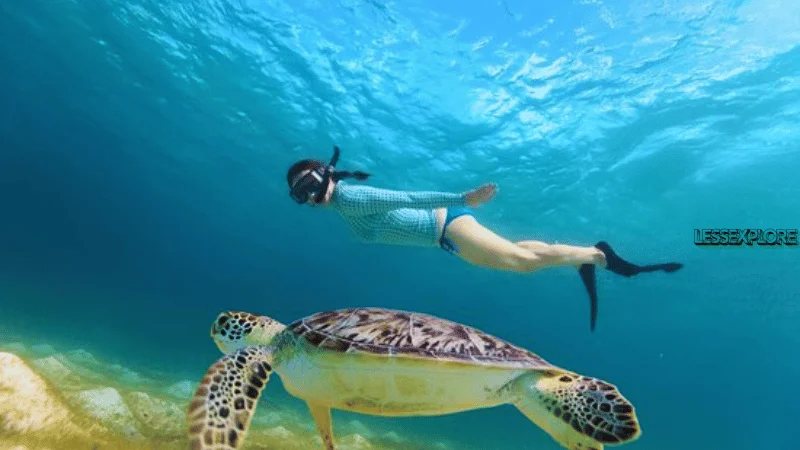
Snorkeling ranks among the top reasons travelers visit Los Roques Archipelago. The shallow reefs surrounding many cayos allow easy access, even for beginners. Colorful parrotfish, sergeant majors, and small barracudas swim close to shore. Furthermore, sea turtles frequently appear near seagrass beds, delighting snorkelers of all skill levels.
For certified divers, Los Roques offers deeper reef systems and dramatic drop-offs. Visibility often exceeds 20 meters, allowing divers to spot larger species like eagle rays and nurse sharks. Several dive operators in Gran Roque provide guided trips, equipment rentals, and certification courses. Because the park limits boat traffic, dive sites remain uncrowded and well preserved.
Kitesurfing Paradise
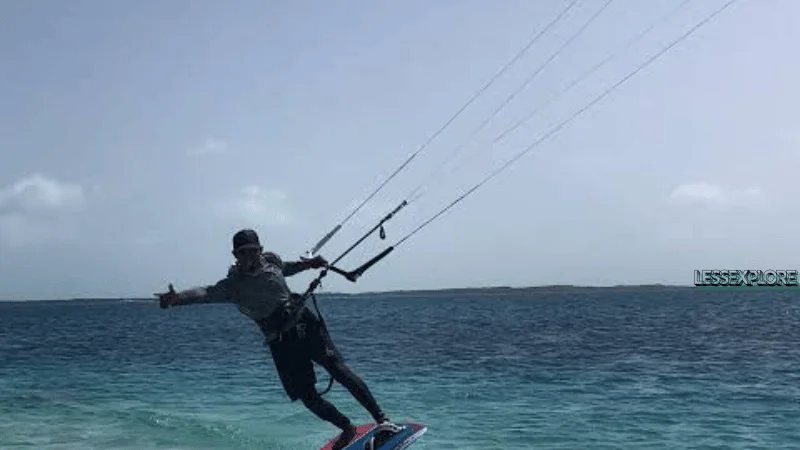
Los Roques has become a favorite destination for kitesurfers worldwide. Steady trade winds blow across the archipelago for most of the year, creating ideal conditions. Francisqui Cayo, in particular, offers flat, shallow water that suits beginners and advanced riders alike. Several kite schools operate seasonally, offering lessons and equipment rentals. Consequently, both first-timers and experienced kiters find plenty to enjoy here.
Boat Excursions and Island Hopping
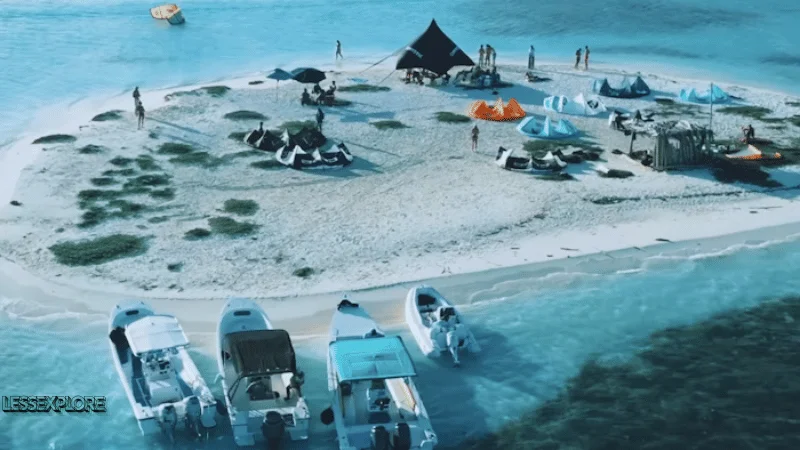
Since most cayos remain uninhabited, boat excursions form the backbone of any Los Roques itinerary. Local boat captains, known as “peñeros,” take visitors between islands throughout the day. Typically, a day trip includes a mix of snorkeling stops, beach time, and a fresh seafood lunch. Because each island offers something different, island hopping never feels repetitive. Many posadas in Gran Roque arrange these excursions directly, making planning simple for travelers.
Scenic Highlights and Photography Opportunities
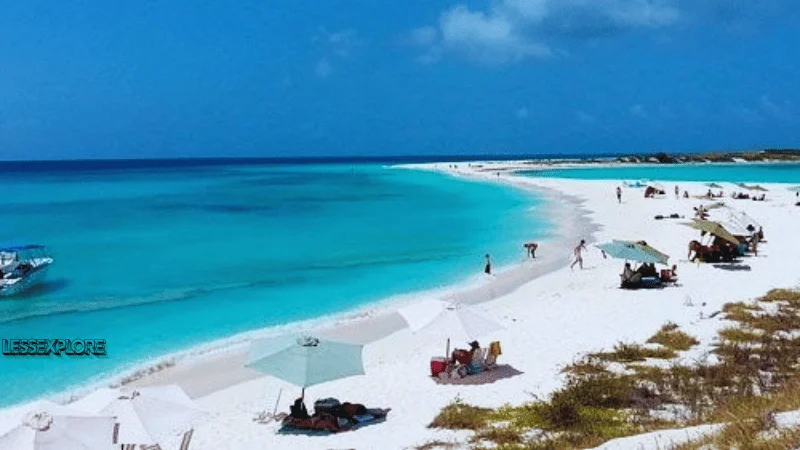
Photographers will find endless inspiration throughout Los Roques Archipelago. The contrast between turquoise shallows and deep blue channels creates striking visuals from above and at sea level. Aerial views from small planes flying into Gran Roque reveal the full scale of the coral reef systems below.
Sunset photography is particularly rewarding near Gran Roque’s waterfront, where fishing boats often rest along the shore. Meanwhile, Cayo de Agua’s sandbar offers one of the most iconic shots in the entire archipelago. Wildlife photographers should focus on flamingo colonies near Selesqui, especially during early morning hours when lighting is soft.
For underwater photography, snorkeling near coral gardens provides colorful, dynamic shots. However, always maintain distance from marine life to avoid disturbing the ecosystem. Since Los Roques remains largely undeveloped, photographers rarely need to work around crowds or artificial structures. This makes it easier to capture pure, natural beauty in every frame.
Local Culture and Community Life
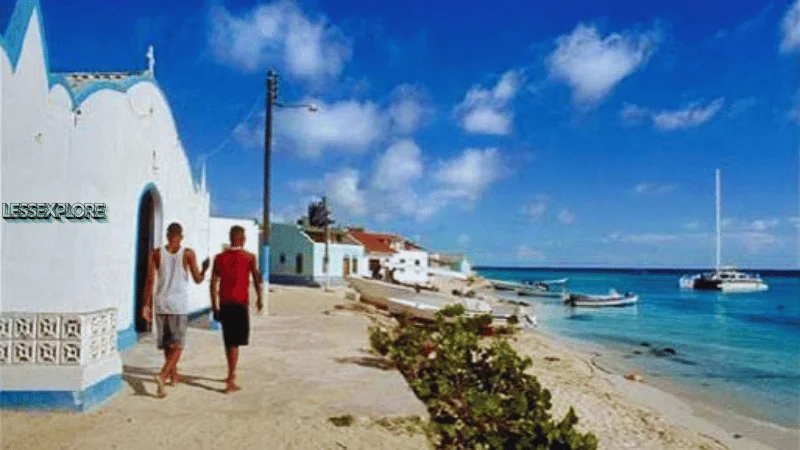
Life in Los Roques revolves around the sea. Fishing remains central to the local economy, and many families have worked these waters for generations. Gran Roque’s small population maintains a relaxed, welcoming atmosphere that visitors quickly notice. Colorful houses line narrow sandy streets, and there are no cars on the island, only bicycles and golf carts.
Local seafood plays a major role in the culinary scene. Fresh lobster, fish, and conch appear on most restaurant menus throughout Gran Roque. Additionally, many posadas prepare home-style meals using ingredients caught that same day. Because the community remains small, interactions with locals often feel personal and genuine.
Respecting the park’s rules matters greatly to residents, since their livelihoods depend on healthy reefs and clean waters. Therefore, visitors should follow guidelines regarding fishing, waste disposal, and marine life interaction. This shared responsibility helps maintain the delicate balance between tourism and conservation.
Travel Tips for Visiting Los Roques Archipelago
Planning a trip to Los Roques requires some preparation, since the destination remains remote. First, most accommodation comes in the form of posadas rather than large resorts. These guesthouses often include meals and can arrange boat excursions for guests. Booking in advance is highly recommended, especially during peak season.
Cash is essential throughout the archipelago, as card payments are unreliable outside major hotels. Additionally, visitors should bring reef-safe sunscreen to help protect the coral ecosystems. Since shade is limited on many cayos, packing a hat and light clothing is also wise. Finally, a national park entrance fee applies to all visitors, so keep this in mind when budgeting for your trip.
Best Time to Visit Los Roques
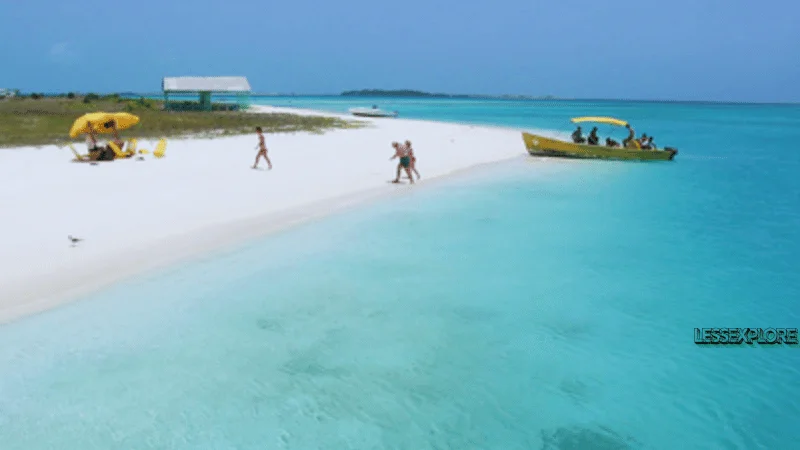
The best time to visit Los Roques Archipelago falls between December and April. During these months, rainfall stays low, and skies remain mostly clear. Winds are also strong and consistent, making this period ideal for kitesurfing. Meanwhile, water visibility tends to be excellent for snorkeling and diving.
The rainy season runs from June through November, bringing occasional showers and higher humidity. However, this period sees fewer tourists, so travelers seeking a quieter experience may still enjoy visiting. Regardless of season, temperatures remain warm year-round, typically staying between 25°C and 32°C.
How to Reach Los Roques Archipelago
Reaching Los Roques Archipelago requires flying into Gran Roque, since no roads or ferries connect it to mainland Venezuela. Most travelers first arrive in Caracas, Venezuela’s capital, before catching a small charter flight. These short flights typically depart from Simón Bolívar International Airport and take around 40 minutes.
Because flight schedules can change seasonally, booking through a travel agency or posada is often the easiest option. Many accommodations offer package deals that include flights, meals, and boat excursions. Once you land at Gran Roque’s small airstrip, everything else on the island is easily reachable on foot.
Things to Know Before Visiting
Before traveling to Los Roques, it helps to understand a few practical details. First, since the archipelago is a protected national park, environmental regulations are strict. Removing coral, shells, or marine life is strictly prohibited. Additionally, single-use plastics are discouraged, so bringing a reusable water bottle is a smart choice.
Internet access remains limited throughout the islands, which encourages a relaxing, disconnected experience. Therefore, travelers should inform family or coworkers in advance about limited connectivity. Medical facilities are basic, so it’s wise to carry any necessary medications and travel insurance. Furthermore, English is not widely spoken outside major posadas, so learning a few Spanish phrases can be helpful.
Finally, sustainability matters greatly in Los Roques. Supporting local guides, eating at family-run restaurants, and respecting marine life all contribute to preserving this fragile ecosystem for future travelers.
Conclusion
Los Roques Archipelago offers an unforgettable escape for travelers seeking untouched natural beauty. From vibrant coral reefs to powder-soft beaches, this Venezuelan national park delivers experiences that few destinations can match. Whether you come for snorkeling, diving, kitesurfing, or simply peaceful island hopping, Los Roques rewards every type of traveler. Because it remains protected and relatively undiscovered, the archipelago retains a rare, authentic charm. If you’re searching for a Caribbean destination unlike any other, Los Roques Archipelago deserves a place at the top of your travel list.
Explore More Destinations
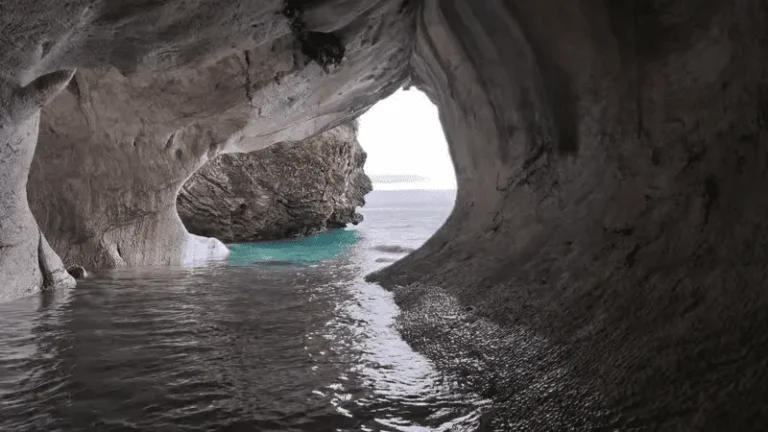
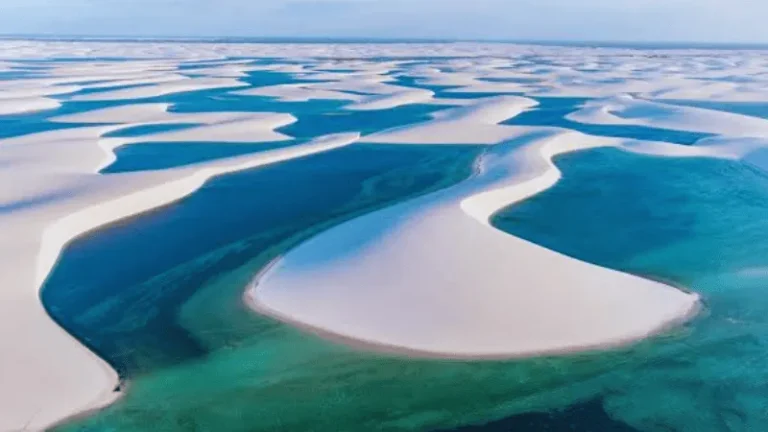
If Los Roques has stirred your love for wild, untouched places, South America has plenty more waiting to be discovered. Explore our full collection of South America travel guides for more hidden gems across the continent. For another remote wonder, discover Choquequirao, Peru’s other Machu Picchu, a mountaintop ruin far from the crowds. Meanwhile, if endless white sand calls to you, don’t miss Lençóis Maranhenses, Brazil’s white dune wonder, where desert dunes meet freshwater lagoons. Finally, for a completely different kind of natural beauty, explore the Marble Caves of Chile, a stunning blue cathedral carved into Lake General Carrera. Each destination offers its own unforgettable adventure, so keep exploring and start planning your next journey today.
Frequently Asked questions
Los Roques Archipelago is known for its turquoise waters, white-sand islands, and vibrant coral reefs. It’s a protected national park ideal for snorkeling, diving, and kitesurfing.
Visitors reach Los Roques Archipelago by taking a short charter flight from Caracas, Venezuela, since no roads or ferries connect it to the mainland.
Yes, Los Roques Archipelago is worth visiting for its untouched beaches, clear waters, and excellent water sports, especially for travelers seeking a quieter Caribbean escape.
The best time to visit Los Roques Archipelago is between December and April, when rainfall is low and winds are steady for kitesurfing.
Yes, Los Roques Archipelago offers shallow coral reefs perfect for snorkeling, along with deeper dive sites featuring rays, turtles, and excellent visibility.