Tucked along the shimmering edge of Lake General Carrera in Chilean Patagonia, the Marble Caves rank among South America’s most breathtaking natural wonders. These swirling blue formations, sculpted over 6,000 years by wind and water, draw photographers, adventurers, and nature lovers from every corner of the globe. Consequently, the Marble Caves have become a bucket-list destination for anyone chasing surreal landscapes. If you crave a place where geology feels like art, this Chilean gem delivers an experience unlike any other.
The Marble Caves, known locally as Capillas de Mármol, sit near the small town of Puerto Río Tranquilo. Visitors reach them by kayak or small boat, gliding through crystal-clear turquoise water. Meanwhile, sunlight bounces off the polished stone walls, creating patterns that shift with every passing hour. This guide walks you through everything you need to know before planning your own unforgettable trip.
A Geological Marvel Millions of Years in the Making
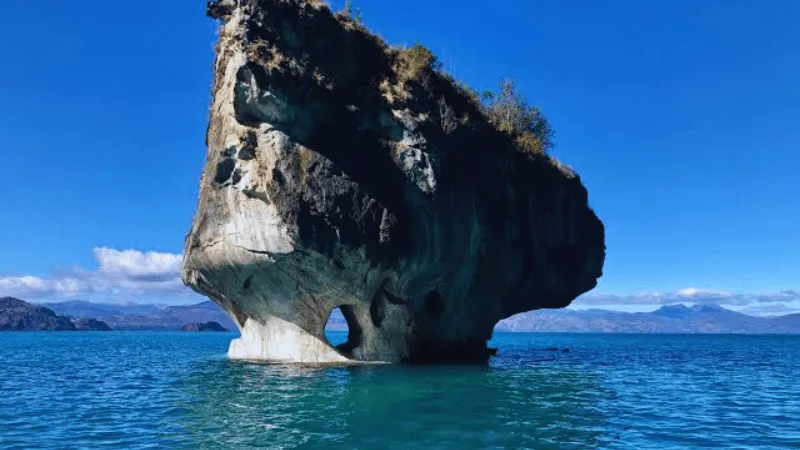
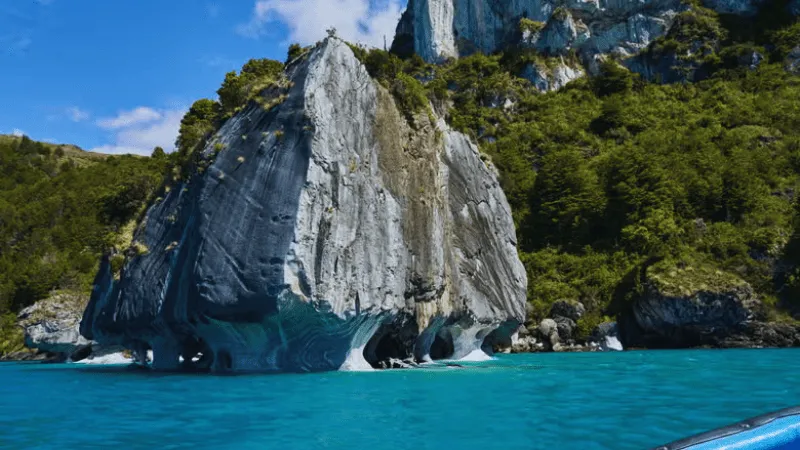
The Marble Caves formed from calcium carbonate deposits that settled at the bottom of what was once a much larger lake. Over time, these deposits solidified into solid marble. Glacial meltwater then carved intricate tunnels, caverns, and archways into the rock. This slow, patient process took thousands of years to complete.
Today, the lake’s mineral-rich waters continue shaping the caves. Consequently, the formations remain a living, evolving landscape rather than a static monument. Geologists consider the site a rare example of erosion working on solid marble rather than softer limestone. This distinction makes the caves scientifically significant, not just visually stunning.
The lake itself, Lago General Carrera, spans the border between Chile and Argentina. It ranks as South America’s second-largest lake and boasts water so clear that visibility often extends several meters deep. This clarity, combined with high mineral content, produces the vivid blue and turquoise hues the caves are famous for. Therefore, the color you see isn’t a trick of the light; it reflects the lake’s genuine chemical composition.
Main Attractions Within the Marble Caves Complex
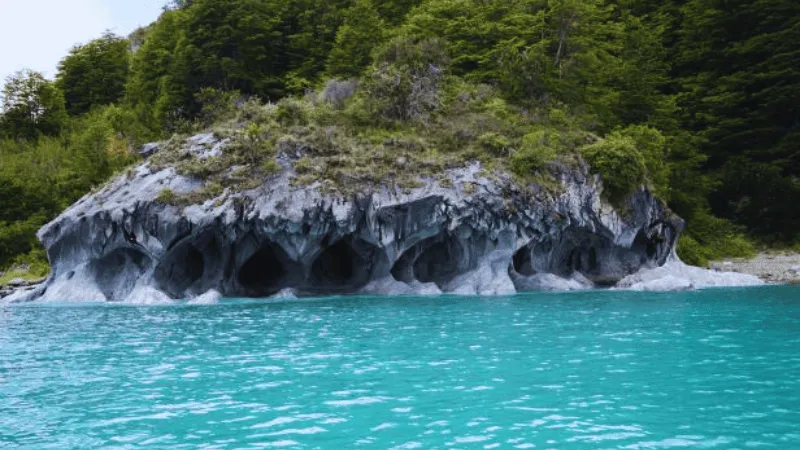
The Marble Caves complex actually includes three distinct formations, each with its own character. Visitors often explore all three during a single boat or kayak excursion.
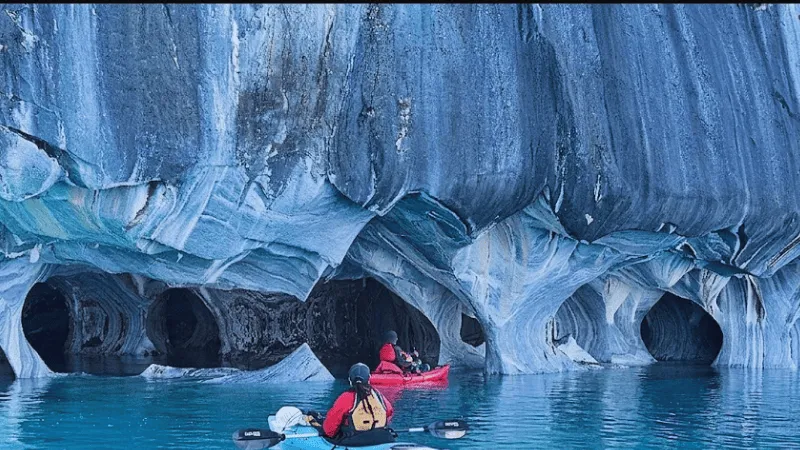
La Capilla de Mármol (The Marble Chapel) stands as the most photographed formation. Its cathedral-like arches and swirling patterns resemble a natural work of abstract art. Sunlight filters through openings in the rock, illuminating the interior with a soft blue glow.
La Catedral de Mármol (The Marble Cathedral) offers a larger, more dramatic structure. Boats can navigate directly through its towering chambers. As a result, visitors often describe this section as the most awe-inspiring part of the tour.
El Laberinto de Mármol (The Marble Labyrinth) features narrow channels and winding passages. Kayakers particularly enjoy this section since smaller vessels can access tighter spaces. Additionally, the labyrinth rewards patient explorers with quieter, less crowded views.
Each formation changes appearance depending on water levels and sunlight angle. For example, the caves often appear a richer blue during summer months when the lake level rises. In contrast, formations look more marbled and gray during drier seasons. This variability means no two visits ever look exactly alike.
Kayaking and Boating: The Best Ways to Experience the Caves
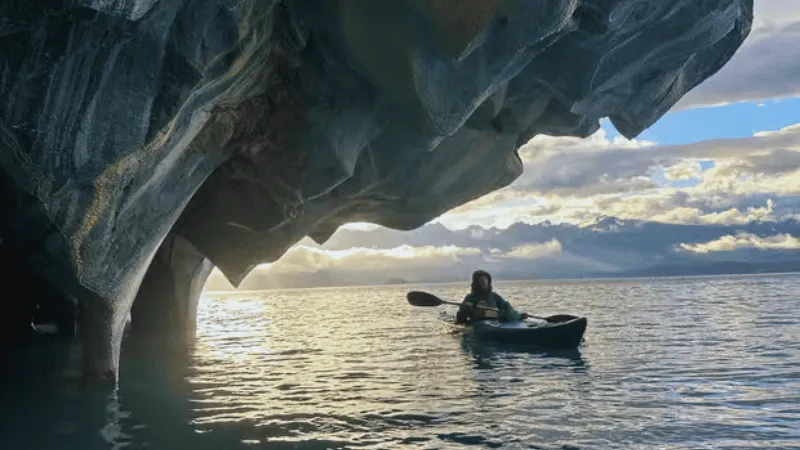
Most travelers agree that kayaking offers the most immersive way to explore the Marble Caves. Paddling silently through the caverns allows for closer contact with the rock formations. Furthermore, kayaks can slip into narrow passages that larger boats simply cannot reach.
Guided kayak tours typically depart from Puerto Río Tranquilo and last between two and three hours. Experienced guides accompany small groups, ensuring safety while sharing insights about the caves’ geology. Beginners need not worry, since most tours require no prior kayaking experience. However, calm weather conditions remain essential for a safe paddling experience.
Motorboat tours provide a faster, more accessible alternative. These trips suit travelers with limited time or mobility concerns. Boats typically hold six to eight passengers and complete the tour in around one hour. Consequently, motorboat tours work well for families or those visiting on a tight schedule.
Both options offer incredible photo opportunities, though kayaking allows for a quieter, more personal connection with the landscape. Whichever method you choose, remember that weather conditions on Lake General Carrera can change quickly. Strong winds occasionally cancel tours, so building flexibility into your itinerary helps avoid disappointment.
Photography Opportunities That Define the Marble Caves
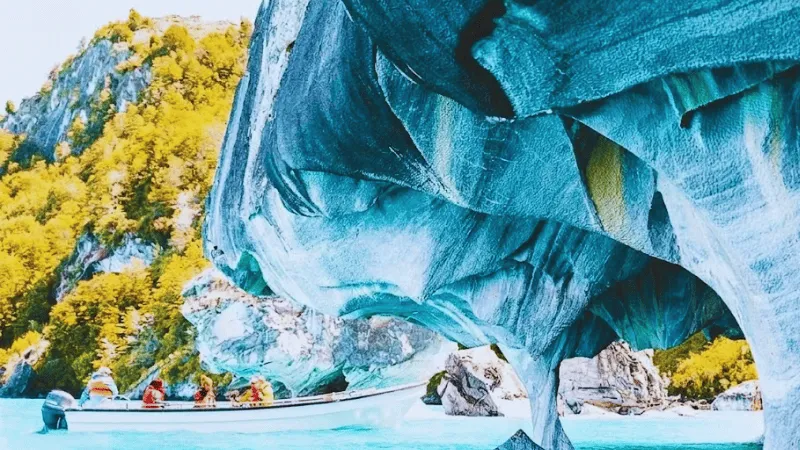
Photographers travel from around the world specifically to capture the Marble Caves’ otherworldly colors. The interplay of light, water, and stone creates images that seem almost unreal. Therefore, timing your visit carefully can dramatically improve your photography results.
Morning light tends to produce the most vivid blue tones, especially between 9 a.m. and 11 a.m. Meanwhile, midday sun creates harsher shadows within the caves’ interior chambers. Late afternoon light, on the other hand, often bathes the formations in warmer golden hues. Many photographers recommend visiting during both morning and late afternoon to capture varied lighting effects.
Wide-angle lenses work best for capturing the caves’ sweeping arches and reflections. Additionally, a polarizing filter helps reduce glare on the water’s surface, enhancing color saturation. Waterproof camera bags or cases are essential, since splashes are common during kayak tours.
Reflections on the lake’s surface often double the visual impact of any shot. For example, calm mornings produce near-mirror reflections of the marble formations. In contrast, windier afternoons create rippled water that adds texture and movement to photographs. Either way, the Marble Caves rarely disappoint even amateur photographers armed with just a smartphone.
Drone photography, where permitted, offers a spectacular aerial perspective of the entire complex. However, always check current regulations before flying, since rules around drone use in this protected natural area can change. Respecting these guidelines helps preserve the site for future visitors.
Local Culture, Wildlife, and the Surrounding Landscape
Puerto Río Tranquilo, the gateway town to the Marble Caves, offers a glimpse into authentic Patagonian life. This small lakeside community relies heavily on tourism, fishing, and small-scale agriculture. Local guides, many of whom grew up in the region, bring generations of knowledge to their tours.
Visitors often find the town’s relaxed pace refreshing after busier Chilean cities. Small cafés and family-run restaurants serve hearty regional dishes, including fresh lake trout and traditional Patagonian lamb. Consequently, spending an extra day in town allows travelers to experience local hospitality beyond the caves themselves.
The surrounding landscape adds further appeal to any Marble Caves itinerary. Snow-capped Andean peaks frame the lake’s turquoise waters, creating a dramatic backdrop. Nearby, the General Carrera Lake National Reserve protects diverse wildlife, including Andean condors and native fish species. Birdwatchers, in particular, often spot these massive condors soaring above the cliffs surrounding the lake.
Additionally, the famous Carretera Austral, one of the world’s most scenic road trips, passes near Puerto Río Tranquilo. This remote highway connects travelers to glaciers, fjords, and remote villages throughout Chilean Patagonia. Therefore, many visitors combine their Marble Caves trip with a broader Carretera Austral road journey.
Travel Tips and Visitor Information
Planning ahead makes a significant difference when visiting a remote destination like the Marble Caves. The following practical guidance covers timing, transportation, and essential preparation.
Best Time to Visit
The ideal time to visit the Marble Caves falls between November and March, during Chile’s summer season. Water levels rise during these months, intensifying the blue coloration of the formations. Additionally, calmer weather conditions make boat and kayak tours more reliable during summer.
Visiting during shoulder seasons, such as October or April, offers smaller crowds and still-favorable weather. However, winter months bring lower water levels and rougher lake conditions, often limiting tour availability. Therefore, most experienced travelers recommend avoiding a winter visit unless flexibility allows for schedule changes.
How to Reach the Marble Caves
Reaching Puerto Río Tranquilo requires some effort, which adds to the destination’s remote appeal. Most travelers fly into Balmaceda Airport, the closest major airport in the region. From there, a scenic drive along the Carretera Austral takes approximately three to four hours.
Alternatively, some visitors choose to fly into Coyhaique and continue by rental car or bus. Public buses do connect Coyhaique to Puerto Río Tranquilo, though schedules run infrequently. Consequently, renting a car offers the most flexible option for reaching the caves independently.
Once in Puerto Río Tranquilo, tour operators along the waterfront offer both kayak and boat excursions. Booking in advance during peak summer season helps secure your preferred time slot.
Things to Know Before Visiting
Before setting off, pack layers, since Patagonian weather shifts quickly throughout the day. Waterproof jackets and sturdy shoes prove especially useful during kayak tours. Additionally, sunscreen and sunglasses help protect against strong reflective glare off the water.
Cash remains essential in Puerto Río Tranquilo, since many small operators do not accept cards. Furthermore, cellular signal can be unreliable throughout the region, so downloading offline maps beforehand is wise. Travelers with motion sensitivity should consider boat tours over kayaking, since paddling requires steady balance.
Finally, respect the site’s protected status by avoiding contact with the marble walls. Erosion happens naturally, and human interference can accelerate unwanted damage. Following your guide’s instructions ensures both your safety and the caves’ long-term preservation.
Conclusion
The Marble Caves stand as one of Chile’s most extraordinary natural attractions, blending geology, color, and adventure into a single unforgettable experience. Whether you choose to kayak through narrow passages or admire the formations from a boat, this Patagonian wonder rewards every visitor with striking scenery. Moreover, the surrounding landscape, local culture, and nearby attractions make Puerto Río Tranquilo well worth an extended stay.
Planning your trip around the right season, transportation, and preparation ensures a smoother, more rewarding visit. Ultimately, few destinations combine natural beauty and photographic potential quite like the Marble Caves. For travelers seeking a genuinely unique Patagonian adventure, this destination delivers on every level.
Explore More Destinations
If the Marble Caves have sparked your wanderlust, plenty of hidden gems await your next adventure. Discover the untouched beauty of Phander Valley in Pakistan, or paddle through the tranquil waterways in our Kampot, Cambodia kayaking guide. For a shorter escape closer to home, check out these top little walks in Victoria perfect for a weekend getaway. And if you’re just getting started, our beginner’s guide to planning the perfect vacation will help you turn inspiration into an unforgettable itinerary.
Your queries here
The Marble Caves sit on Lake General Carrera near Puerto Río Tranquilo, in Chilean Patagonia along the Carretera Austral.
Most visitors fly into Balmaceda Airport, then drive three to four hours along the Carretera Austral to Puerto Río Tranquilo.
Kayaking offers closer, quieter access to narrow passages, while motorboats suit travelers with limited time or mobility.
November through March offers the best conditions, with higher water levels producing the most vivid blue coloration.
Kayak tours typically last two to three hours, while motorboat tours usually take around one hour to complete.