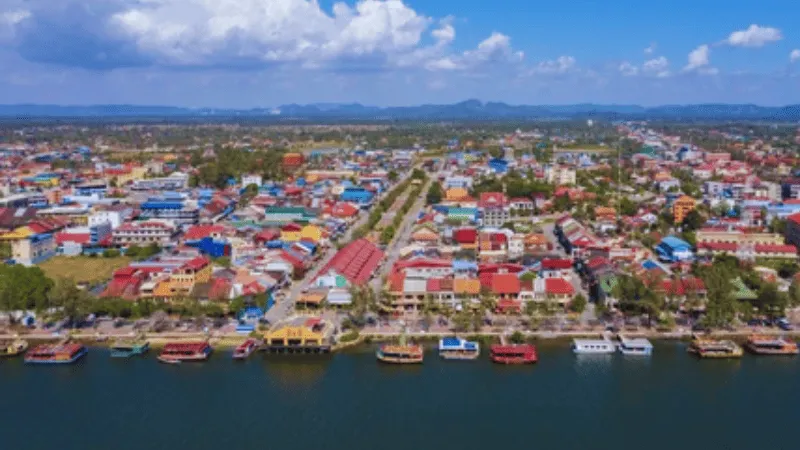
Kampot, Cambodia sits quietly along a winding river, far from the noise of Phnom Penh or Siem Reap. This small riverside town moves at its own gentle pace. Colonial-era shophouses line its streets, while pepper plantations spread across the surrounding countryside. Meanwhile, caves and waterfalls wait just outside town for curious travelers. Kampot, Cambodia has become a favorite for slow travel lovers, kayakers, and food enthusiasts alike. Additionally, the town offers a refreshing break from Cambodia’s busier tourist trails. If you crave authentic experiences over rushed sightseeing, Kampot delivers exactly that. This guide walks you through everything you need to know before you visit.
A Brief History of Kampot, Cambodia
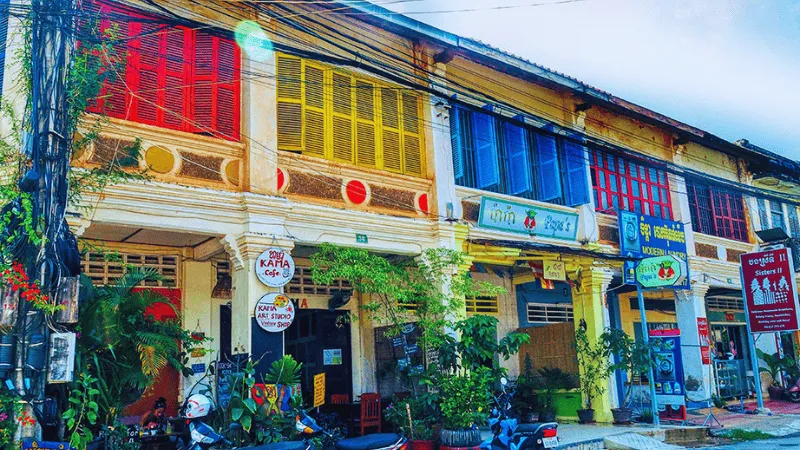
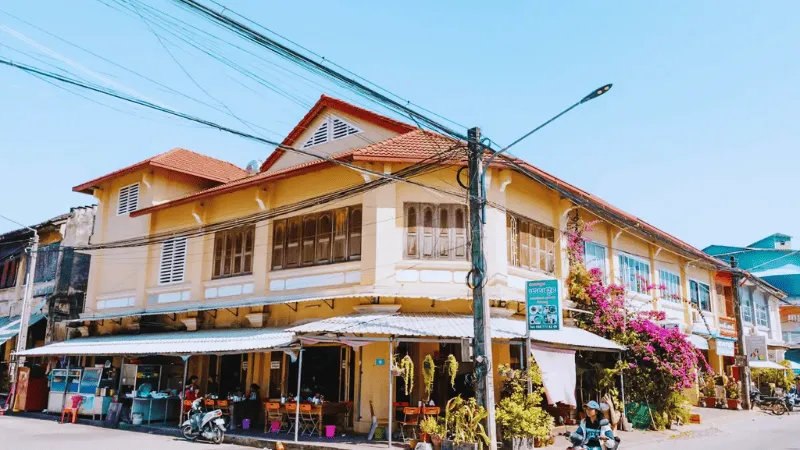
Kampot’s story stretches back centuries as a trading port along the Gulf of Thailand. French colonists arrived in the late 1800s and left a lasting architectural mark. Consequently, the town center still features charming colonial buildings with faded shutters and pastel walls. Traders once shipped Kampot pepper across the world, and the spice built the region’s early economy. However, war and political upheaval later slowed the town’s growth for decades. Today, Kampot has quietly reawakened as a cultural and culinary destination. Furthermore, many original buildings have been restored into cafes, guesthouses, and boutique hotels. Walking through the old quarter feels like stepping into a living museum. Therefore, history lovers find plenty to admire here, even without visiting a single formal landmark. The blend of French influence and Khmer tradition gives Kampot its distinct character.
Top Attractions in Kampot
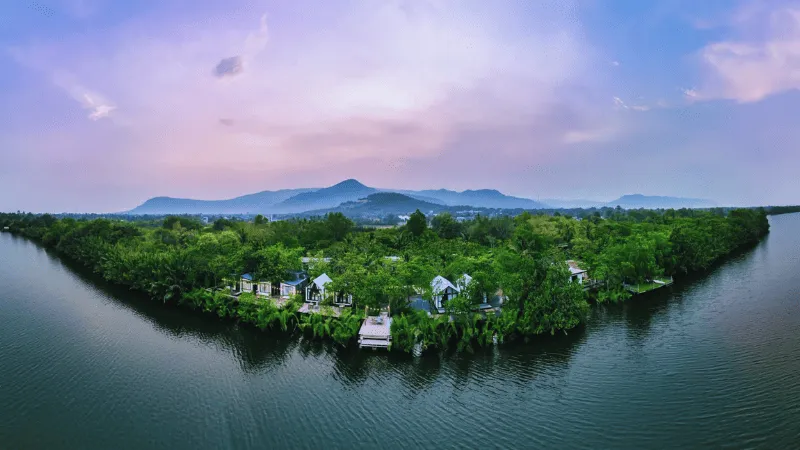
Kampot rewards travelers who wander without a strict itinerary. The Old Market area anchors the town and buzzes gently with local life. Nearby, the Kampot Provincial Governor’s Residence showcases classic French colonial design. Meanwhile, Bokor Hill Station draws visitors up into the mountains for cooler air and eerie abandoned buildings. This former French resort now sits partly reclaimed by jungle, creating a hauntingly beautiful scene. Additionally, Phnom Chhngok Cave houses a pre-Angkorian brick temple inside its limestone chamber. Sunlight filters through cracks in the ceiling, illuminating ancient carvings below. For nature lovers, Teuk Chhou Rapids offers a peaceful spot to relax beside flowing water. Similarly, the Kampot River itself remains the town’s true centerpiece. Boats drift past mangroves, fishing villages, and glowing sunsets every evening. Consequently, most visitors spend at least one evening simply watching the river change color.
Activities and Experiences for Every Traveler
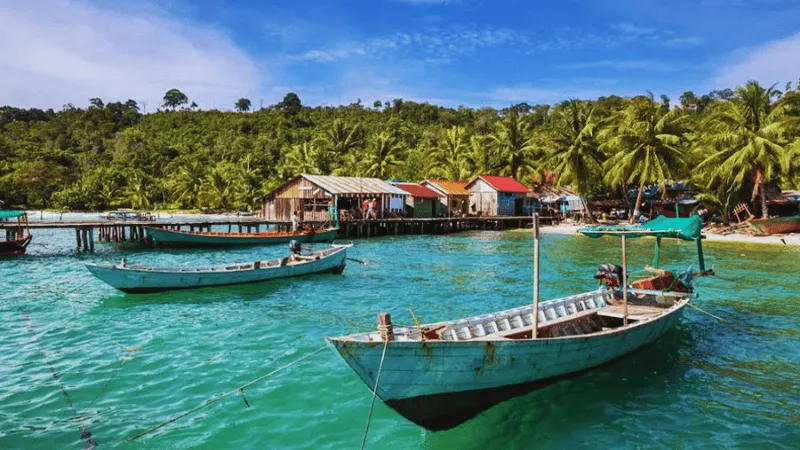
Kayaking ranks among the most popular activities in Kampot, Cambodia. Paddlers glide through calm river channels lined with mangrove trees and quiet fishing hamlets. Many tour operators offer sunset kayaking trips, which combine exercise with unforgettable views. Meanwhile, cycling tours let visitors explore rural roads at a relaxed pace. Riders pass rice paddies, salt fields, and small roadside temples along the way. Pepper farm tours provide another unmissable experience. Guides explain how farmers grow, harvest, and dry the region’s famous peppercorns. Furthermore, most farms let visitors sample fresh pepper straight from the vine. Adventure seekers can also explore Bokor National Park on guided hikes through dense forest. Boat cruises, meanwhile, remain a favorite for travelers wanting a slower pace. Some cruises include stops for swimming or fishing with local villagers. In contrast, travelers who prefer stillness can simply relax at a riverside café and watch daily life unfold.
Scenic Highlights and Photography Spots
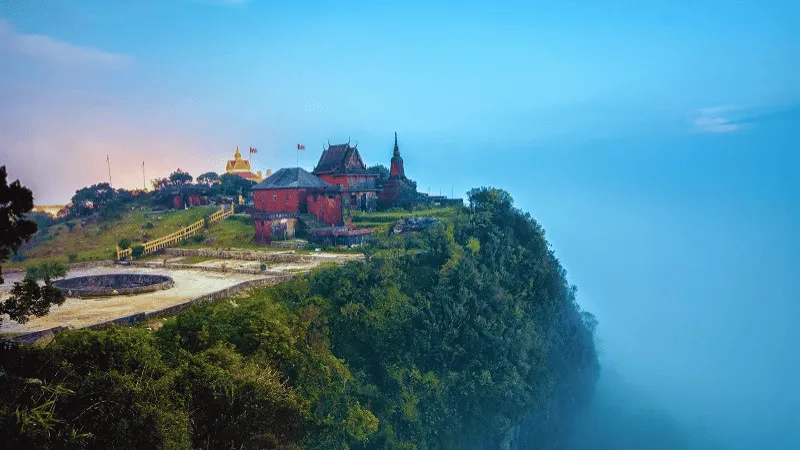
Photographers find endless inspiration throughout Kampot and its surrounding countryside. The river offers dramatic sunset shots, especially near the old bridge at dusk. Golden light reflects off the water while fishing boats drift silently past. Meanwhile, the pepper plantations create striking green patterns across rolling hills. Vines climb wooden poles in neat rows, forming natural leading lines for photos. Bokor Hill Station provides a completely different mood, with misty ruins and fog-covered forest. Consequently, photographers often visit twice, once for golden hour and once for morning mist. Phnom Chhngok Cave rewards visitors with beams of natural light piercing the darkness. This creates a dramatic contrast between shadow and stone carvings. Additionally, the colonial architecture downtown offers charming backdrops any time of day. Weathered walls, shuttered windows, and narrow alleys all add texture to street photography. Salt fields near Kampot also glow beautifully at sunrise, especially during the dry season.
Food and Local Culture in Kampot
Food lovers travel to Kampot, Cambodia specifically for its famous pepper. Kampot pepper holds Protected Geographical Indication status, similar to French wine regions. Local restaurants incorporate this pepper into countless dishes, from stir-fries to seafood. Crab with Kampot pepper sauce stands out as the region’s signature dish. Fishermen catch fresh crab nearby, and chefs prepare it with garlic, pepper, and local herbs. Meanwhile, street food stalls sell grilled meats, noodle soups, and fresh fruit shakes. Riverside restaurants often serve fish caught the same morning. Additionally, Kampot’s food scene blends traditional Khmer cooking with French-influenced cafes and bakeries. Travelers can enjoy fresh croissants at breakfast, then Khmer curry by dinner. Local culture here feels unhurried and welcoming. Residents greet visitors warmly, and many small businesses run as family operations. Therefore, dining in Kampot often feels personal rather than commercial. Cooking classes let curious travelers learn Khmer recipes directly from local chefs.
Travel Tips for Visiting Kampot
Planning ahead makes any trip to Kampot, Cambodia smoother and more enjoyable. This section covers timing, transportation, and practical details every visitor should know.
Best Time to Visit
The dry season, running from November through April, offers the most comfortable weather. Temperatures stay warm but manageable, and rainfall remains minimal during these months. Consequently, this period suits kayaking, cycling, and outdoor exploration best. However, the wet season from May through October brings lush green landscapes. Rain typically falls in short bursts rather than lasting all day. Therefore, budget-conscious travelers often visit during shoulder months for lower prices and fewer crowds. December and January tend to be the busiest and driest months overall.
How to Reach Kampot
Most travelers reach Kampot by bus from Phnom Penh, which takes roughly three hours. Buses run frequently and offer an affordable, comfortable option for most budgets. Alternatively, shared taxis provide a faster but slightly pricier route from the capital. Travelers coming from Sihanoukville can also reach Kampot within about two hours by road. Meanwhile, some visitors combine Kampot with a stop in nearby Kep, just thirty minutes away. The nearest international airport remains Phnom Penh International Airport. From there, ground transportation connects easily to Kampot town. Once you arrive, tuk-tuks and bicycles make getting around town simple and enjoyable.
Things to Know Before Visiting
Cambodia’s currency includes both Cambodian riel and US dollars, and both circulate widely. Therefore, carrying small denominations of both currencies helps with daily transactions. Additionally, lightweight clothing suits Kampot’s tropical climate throughout most of the year. Sun protection remains essential, especially during boat trips or cave visits. Furthermore, modest clothing shows respect when visiting temples or rural communities. Drinking bottled or filtered water is strongly recommended over tap water. Mosquito repellent proves useful, particularly near the river and mangroves at dusk. Finally, booking accommodations in advance during peak season helps secure better rates and locations. Cash remains the primary payment method at smaller local businesses and markets.
Conclusion
Kampot, Cambodia offers something increasingly rare: a destination built for slowing down. Between its pepper plantations, colonial streets, and quiet river views, the town invites genuine relaxation. Kayakers glide past mangroves, food lovers savor pepper crab, and photographers chase golden sunsets. Meanwhile, nearby caves and waterfalls add adventure for those craving a bit more movement. Whether you spend three days or two weeks, Kampot rewards unhurried exploration. Therefore, if you’re planning a trip through Southeast Asia, consider giving Kampot, Cambodia more than just a passing visit. Its charm reveals itself slowly, much like the town itself.
Explore More Destinations
Ready to keep exploring? Discover more hidden gems, scenic destinations, and travel tips for your next adventure.
- Phander Valley, Pakistan: Complete Travel Guide to a Hidden Gem
- Top 10 Most Visited Countries in the World 2026
- 9 Beautiful Spots in Switzerland You Must Visit
- Wellness & Medical Trip to Australia: Step-by-Step Guide
- Top 10 Family-Friendly Hikes Near Melbourne
Your queries Here
Kampot, Cambodia is known for its pepper plantations, colonial architecture, and relaxed riverside setting. It’s also a popular base for kayaking, cycling, and exploring nearby caves and waterfalls.
Most travelers spend two to three days in Kampot to explore the town, take a kayaking trip, and visit Bokor Hill Station. However, slow travelers often stay a week or longer.
Kampot pepper holds Protected Geographical Indication status, similar to French wine regions. Many chefs and food critics consider it among the finest peppercorns available.
Buses run frequently between Phnom Penh and Kampot, taking roughly three hours. Shared taxis offer a faster, though slightly more expensive, alternative.
The dry season, from November to April, offers the best weather for kayaking and outdoor exploration. December and January are typically the busiest and driest months.