Deep in the Peruvian Andes, a massive stone city sits hidden above the clouds. Choquequirao is often called the “other Machu Picchu,” and for good reason. This remote Inca archaeological site rivals its famous cousin in size and grandeur. However, it receives only a small fraction of the visitors. While thousands crowd Machu Picchu daily, Choquequirao often welcomes just a handful of trekkers. Reaching it requires a challenging multi-day hike through dramatic mountain terrain. Therefore, only the most determined travelers make it here. Those who do are rewarded with silence, scale, and stunning views. This guide covers everything you need to know about visiting Choquequirao.
What Is Choquequirao and Why Does It Matter
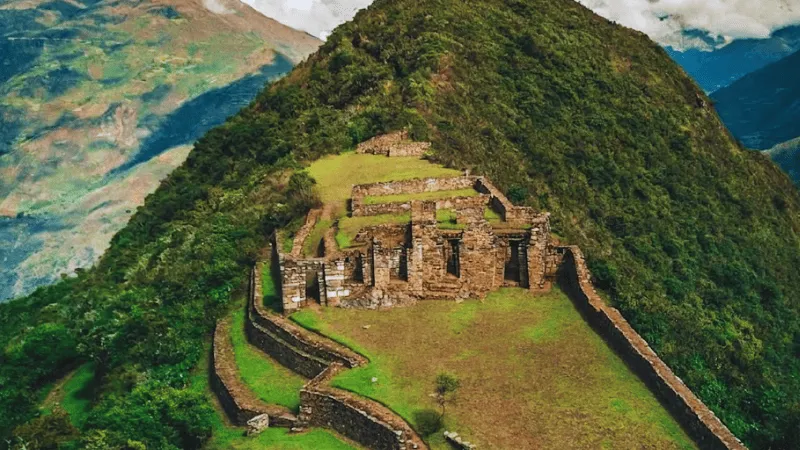
Choquequirao means “cradle of gold” in the Quechua language. This ancient Inca city sits at roughly 3,050 meters above sea level. It overlooks the dramatic Apurímac River canyon in southern Peru. Archaeologists believe the site served as both a religious center and an administrative hub. Construction likely began in the late 15th century under Inca rule. Consequently, the site shares architectural similarities with Machu Picchu.
Terraced fields, ceremonial plazas, and stone temples spread across the mountainside. Additionally, some structures feature rare llama-shaped stone mosaics unique to this site. Experts estimate only about thirty percent of Choquequirao has been excavated so far. Therefore, much of the city remains hidden beneath dense jungle vegetation. This ongoing mystery adds to its appeal for curious travelers. Unlike Machu Picchu, Choquequirao still feels like a genuine discovery waiting to happen.
The History Behind This Remote Inca City
Choquequirao’s history remains partly shrouded in mystery. However, historians believe it played a key role during the Inca resistance against Spanish conquest. Some scholars suggest the last Inca rulers used it as a refuge. Its remote location made it difficult for Spanish forces to locate and destroy.
Spanish colonizers never fully discovered Choquequirao, unlike many other Inca sites. As a result, the ruins remained largely untouched for centuries. Explorers rediscovered the site in the early 1900s, though excavation progressed slowly. Even today, researchers continue uncovering new sections of the complex. Furthermore, the Peruvian government has invested in expanding excavation efforts in recent years. This slow, careful process helps preserve the site’s authenticity. Consequently, visitors experience Choquequirao much as early explorers once did, surrounded by mystery and untouched stone.
Main Attractions Within the Archaeological Site
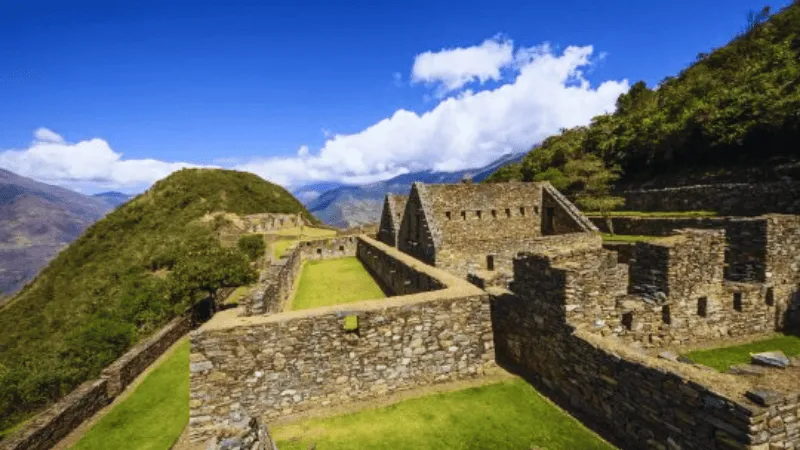
Choquequirao spans multiple sectors connected by stone pathways and staircases. The Main Plaza serves as the ceremonial heart of the city. Surrounding structures include temples, priest quarters, and storage buildings. Meanwhile, the Ushnu, a ceremonial platform, offers sweeping views of the valley below.
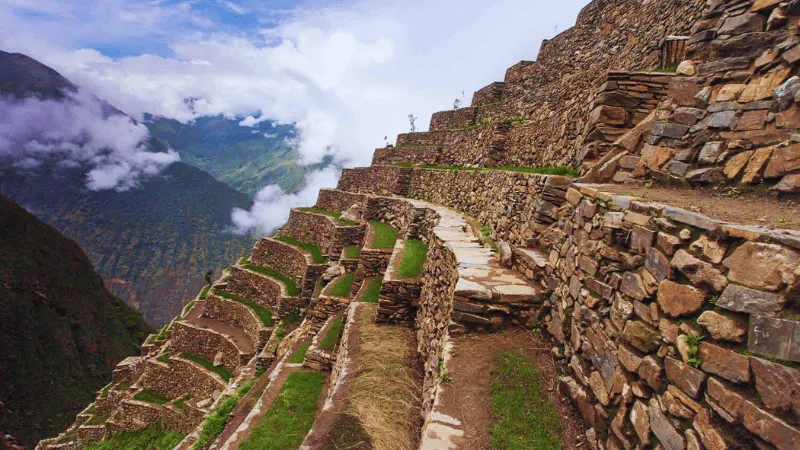
The agricultural terraces are among the most striking features at Choquequirao. These terraces cascade down the mountainside in dramatic fashion. Additionally, several terraces feature large white llama mosaics made from contrasting stone. This unique decoration appears nowhere else in the Inca world. The Casa de las Cascadas, or “House of Waterfalls,” showcases impressive Inca water engineering. Water channels once carried mountain streams throughout the city. Finally, the Capuliyoc viewpoint, encountered early in the trek, offers your first breathtaking glimpse of the site. Each area reveals another layer of this remarkable lost city.
Trekking Choquequirao: The Journey Itself
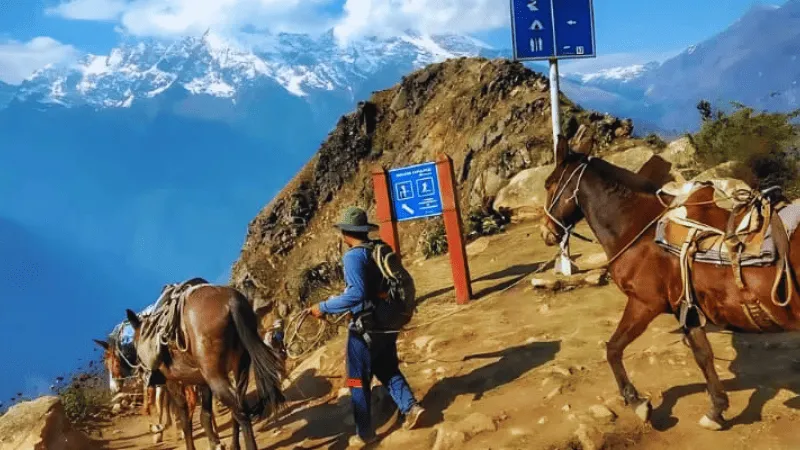
Visiting Choquequirao means committing to a serious physical challenge. Most treks begin in the small village of Cachora. From there, the trail descends steeply into the Apurímac Canyon. Hikers then climb back up the opposite side to reach the ruins. This grueling up-and-down pattern repeats throughout the journey.
The full round-trip trek typically takes four to five days. Some itineraries extend further, connecting to Machu Picchu through remote mountain passes. Daily hikes often cover twelve to twenty kilometers across steep, rugged terrain. Consequently, physical preparation matters enormously before attempting this trek. Altitude adds another layer of difficulty, since parts of the trail exceed 3,000 meters. However, the reward for this effort is extraordinary. Trekkers walk for days without seeing crowds or commercial development. Instead, they experience raw Andean wilderness alongside ancient Inca engineering. Many travelers describe this journey as more meaningful than visiting Machu Picchu itself.
Scenic Highlights and Photography Opportunities
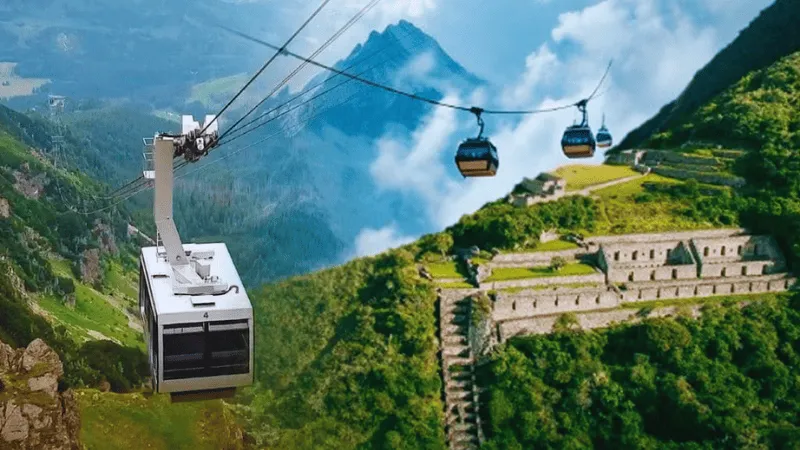
Choquequirao offers some of Peru’s most dramatic mountain scenery. The Apurímac Canyon itself is a photographer’s dream, with steep walls dropping toward the river far below. Condors frequently soar above the canyon, adding movement to already stunning shots. Meanwhile, snow-capped peaks like Padreyoc provide a striking backdrop to the ruins.
Sunrise at the site is particularly magical, as mist often clings to the surrounding mountains. Additionally, the llama-shaped terraces make for one of Peru’s most unique photo opportunities. Few other Inca sites offer such distinctive stonework. The contrast between green terraces and gray stone ruins creates naturally beautiful compositions. Furthermore, the near-total absence of crowds means photographers can capture wide, empty shots impossible at busier sites. Whether using a professional camera or a smartphone, Choquequirao rewards patience and effort with unforgettable images.
Travel Tips and Visitor Information
Proper planning makes a significant difference for this demanding destination. Below are the essential details for your trip.
Best Time to Visit
The dry season, running from May through September, offers the best trekking conditions. Trails stay firmer, and rain is far less likely during these months. In contrast, the wet season between November and March brings muddy, slippery paths. Therefore, most experienced trekkers avoid visiting during heavy rains. June through August tends to be particularly popular among international hikers, since weather remains stable. However, even peak months at Choquequirao feel remarkably quiet compared to Machu Picchu.
How to Reach Choquequirao
Most journeys begin in Cusco, Peru’s main gateway city for Andean adventures. From Cusco, travelers take a bus or private transfer to Cachora, roughly four hours away. The trek itself starts directly from this small village. No roads lead to Choquequirao, so hiking remains the only way in. Many travelers hire local guides and mules in Cachora to help carry supplies. Additionally, some tour operators offer fully organized multi-day packages starting from Cusco. These packages typically include permits, guides, meals, and camping equipment.
Things to Know Before Visiting
Physical fitness is essential before attempting this trek. Steep elevation changes make the journey demanding, even for experienced hikers. Therefore, spending a few days acclimatizing in Cusco beforehand is highly recommended. Pack sturdy hiking boots, layered clothing, and plenty of water. Camping is required, since no hotels exist near the ruins.
Hiring a licensed local guide is strongly advised, both for safety and cultural context. Guides help navigate the trail and explain the site’s history in detail. Moreover, cell signal is unreliable throughout most of the trek. Therefore, inform others of your itinerary before departing. Finally, bring cash, since no ATMs exist in Cachora or along the trail.
Local Culture and Nearby Attractions
The villages surrounding Choquequirao offer genuine insight into rural Andean life. Cachora remains a small, traditional community largely untouched by mass tourism. Local families often provide mules, guides, and homemade meals to passing trekkers. This creates meaningful cultural exchanges rarely found at more commercial destinations.
Cusco itself, the trek’s starting point, is rich with Inca and colonial history. Travelers can explore Sacsayhuamán, the San Pedro Market, and the city’s historic cathedral. Additionally, the Sacred Valley offers other notable ruins like Pisac and Ollantaytambo. Some ambitious trekkers even combine Choquequirao with a continued route toward Machu Picchu. This extended trek, though difficult, connects two of Peru’s greatest archaeological treasures. Consequently, travelers with extra time and stamina can experience an unforgettable Inca pilgrimage across the Andes.
Conclusion
Choquequirao offers something increasingly rare in modern travel: genuine solitude among ancient wonders. This massive Inca site rivals Machu Picchu in scale and historical significance. However, it demands far more effort to reach, keeping crowds away. The challenging multi-day hike through the Apurímac Canyon tests both body and spirit. Yet those who complete it discover terraces, temples, and llama mosaics found nowhere else. Choquequirao rewards determined travelers with silence, scenery, and a genuine sense of discovery. For anyone seeking Peru’s true hidden gem, this remote Inca city delivers an experience Machu Picchu simply cannot match.
Explore More Destinations
Ready to discover more incredible places around the world? From hidden gems tucked away in remote corners to scenic wonders that redefine what nature can create, there’s always another adventure waiting. If you’re drawn to remarkable natural landscapes, don’t miss our guide to the Marble Caves of Chilean Patagonia, or explore the surreal beauty of Lençóis Maranhenses in Brazil. And if you’re just getting started with travel planning, check out our Beginner’s Guide to Planning the Perfect Vacation for practical tips to make your next trip stress-free. Keep exploring for more travel guides, adventure experiences, and destination inspiration to fuel your wanderlust.
Your Queries here
Choquequirao is known as the “other Machu Picchu,” a massive Inca ruin site that receives far fewer visitors due to its remote location.
The trek is very challenging, involving steep descents and climbs through the Apurímac Canyon over four to five days.
Travelers reach Choquequirao by first going to Cusco, then to Cachora, before hiking the trail on foot, as no roads lead to the site.
Choquequirao offers a quieter, more adventurous experience with fewer crowds, while Machu Picchu is easier to access and more developed.
The best time to hike is during the dry season, from May through September, when trails are firmer and weather is stable.