If you crave a place where nature still runs the show, Cumberland Island National Seashore deserves a spot on your travel list. This remote barrier island sits off the coast of Georgia, and it feels worlds away from ordinary tourist destinations. Wild horses roam freely across its dunes, pristine beaches stretch for miles, and crumbling mansions hint at a fascinating past. Because the island is accessible only by ferry, it stays refreshingly uncrowded. Consequently, visitors get a rare chance to experience nature in its purest form. Whether you love hiking, camping, or wildlife photography, Cumberland Island National Seashore offers something special. In this guide, we will explore everything you need to know before you go.
A Brief History of Cumberland Island

Cumberland Island holds centuries of layered history within its maritime forests. Native American tribes lived on the island long before European settlers arrived. Later, Spanish missionaries built outposts here, and English colonists followed soon after. However, the island became truly famous during the Gilded Age. The wealthy Carnegie family purchased large portions of the land in the 1880s. They built grand mansions, including the now-ruined Dungeness estate. Meanwhile, formerly enslaved people and their descendants settled in a community called The Settlement. Today, visitors can still see the First African Baptist Church there. Eventually, the National Park Service took over most of the island in 1972. As a result, Cumberland Island became a protected national seashore. This mix of Native, colonial, and African American heritage makes the island culturally rich. Furthermore, understanding this history adds depth to every trail you walk. Interestingly, the Carnegie family once owned nearly ninety percent of the island. Their descendants eventually donated large portions of land to preserve it forever. As a result, most of Cumberland Island now falls under strict federal protection. This decision prevented commercial development from ever reaching its shores. Therefore, the island looks much the same today as it did a century ago. Walking these trails feels like stepping through layers of time.
Main Attractions You Cannot Miss
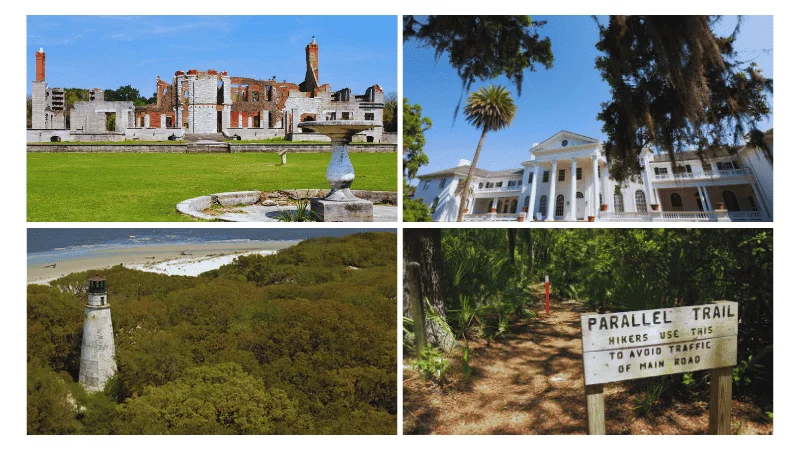
Cumberland Island National Seashore rewards visitors with unforgettable sights at every turn. First, the Dungeness Ruins stand as the island’s most iconic landmark. This once-grand Carnegie mansion burned down decades ago, yet its skeletal remains still impress. Ivy climbs the crumbling walls, and wild horses often graze nearby. Additionally, the Plum Orchard Mansion offers a glimpse into another Carnegie property. This restored home showcases elegant architecture from a bygone era. Meanwhile, the island’s pristine beaches stretch nearly eighteen miles along the Atlantic coast. These shores remain undeveloped, so you will not find hotels or boardwalks here. Instead, you get untouched sand dunes and rolling waves. The maritime forest also deserves attention, with its twisted live oaks draped in Spanish moss. Similarly, the salt marshes teem with birds, crabs, and other coastal creatures. Every attraction on this island tells part of a larger story about wilderness and resilience. Moreover, the Ice House Museum near Dungeness offers helpful historical context. Small exhibits explain the Carnegie era and the island’s ecology in simple terms. Similarly, the Cumberland Island lighthouse ruins draw curious visitors exploring the southern end. Each landmark connects to the next through quiet, sandy footpaths. Consequently, a single day of exploring can feel like a journey through different centuries.
Activities and Experiences for Every Traveler
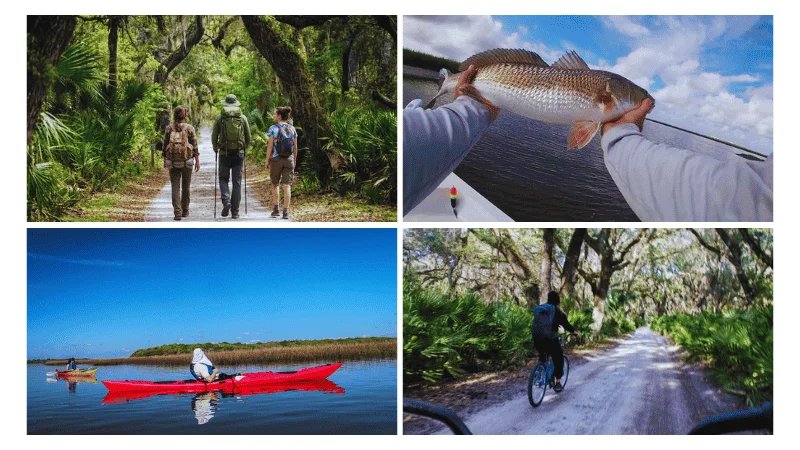
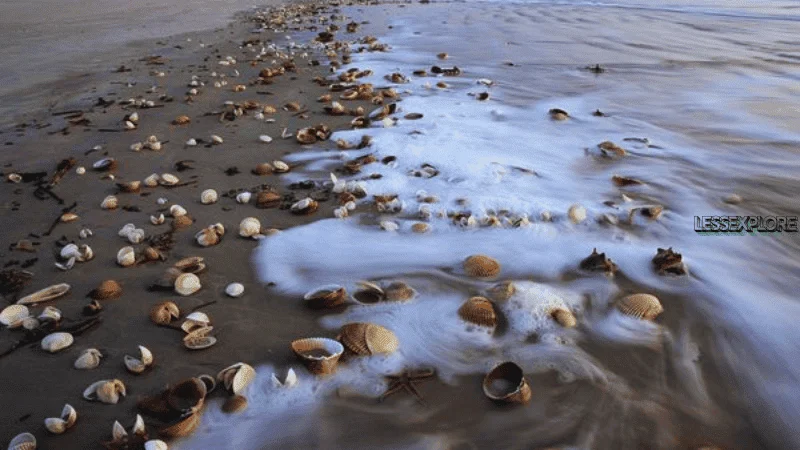
Cumberland Island National Seashore caters to travelers who love active, outdoor adventures. Hiking remains one of the most popular activities here. The island features over fifty miles of trails winding through forests, dunes, and marshes. For example, the Parallel Dune Trail takes hikers along dramatic coastal landscapes. Meanwhile, camping enthusiasts can choose from developed and backcountry campsites. Sea Camp offers easy access to the beach, while wilderness sites provide true solitude. Additionally, kayaking through the island’s marshes lets you explore quiet waterways up close. Birdwatchers will find plenty to love, since the island hosts over 300 bird species throughout the year. Furthermore, beachcombing along the shoreline often turns up shells, driftwood, and sea glass. Fishing is another popular pastime, particularly along the tidal creeks. Because the island offers so much variety, every visitor can craft a personalized adventure. In addition, horseback riding tours are occasionally offered through licensed outfitters nearby. Cycling is another excellent option, since bikes handle the sandy trails well. Many visitors also enjoy simply sitting on the dunes, watching waves roll in. Because the island has no crowds or noise, relaxation comes naturally here. Even a short walk can feel deeply restorative after time away from busy cities.
Scenic Highlights and Photography Opportunities
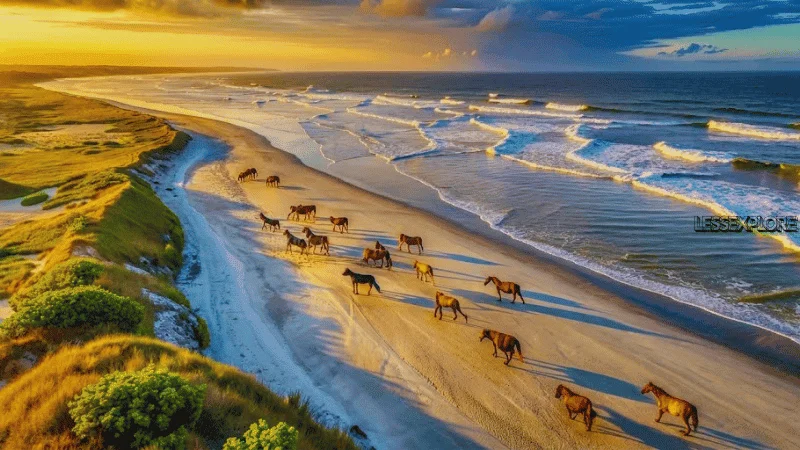
Photographers travel from far and wide to capture Cumberland Island’s raw natural beauty. The wild horses provide the island’s most iconic photo opportunity. These feral horses descend from animals brought over centuries ago, and they roam freely across the landscape. Consequently, you might spot them grazing near ruins or trotting along the beach at sunrise. Speaking of sunrise, early mornings offer the softest light and calmest crowds. The dunes glow golden, and shadows stretch dramatically across the sand. Meanwhile, sunset over the marshes creates equally stunning scenes, with orange skies reflecting off still water. The Dungeness Ruins also photograph beautifully, especially when framed by moss-draped oaks. In contrast, the maritime forest offers a more intimate, moody atmosphere for photography. Wildlife photographers should also watch for armadillos, deer, and countless shorebirds. Additionally, wide-angle lenses work well for capturing sweeping dune landscapes. Meanwhile, a zoom lens helps photograph wild horses without disturbing them. Overcast days can actually benefit photographers too, since soft light reduces harsh shadows. For instance, misty mornings in the maritime forest create an almost dreamlike atmosphere. Whatever your skill level, Cumberland Island offers endless inspiration for your camera.
Local Culture and Island Life

Cumberland Island’s culture reflects generations of resilience and community spirit. The Gullah Geechee heritage remains especially significant here. Descendants of enslaved Africans built The Settlement community after emancipation. Their traditions, foodways, and church still influence island identity today. Additionally, park rangers and researchers work closely with descendant families to preserve this legacy. Visitors who join a ranger-led tour often gain deeper insight into these stories. Meanwhile, the island’s slow pace of life reflects a broader philosophy of conservation. There are no cars, shops, or restaurants for regular visitors. Instead, everything centers around simplicity and respect for nature. This intentional lack of development keeps Cumberland Island authentic. Therefore, travelers should approach the island with curiosity and patience. Furthermore, local historians occasionally lead special programs about Gullah Geechee traditions. These sessions highlight music, cuisine, and oral storytelling passed down through generations. Similarly, nearby St. Marys offers small museums and shops reflecting coastal Georgia culture. Visiting before or after your ferry ride adds extra context to the trip. Consequently, pairing mainland exploration with island time creates a fuller travel experience.
Travel Tips for Visiting Cumberland Island National Seashore
Planning ahead makes a huge difference when visiting Cumberland Island National Seashore. Because the island lacks stores, you must bring all food, water, and supplies. Additionally, sunscreen, bug spray, and comfortable walking shoes are essential. Ferry reservations should be booked well in advance, especially during busy seasons. Furthermore, visitor numbers are limited each day, so early planning matters. Pack light, but do not forget a reusable water bottle and portable charger. Camping visitors should also bring proper gear, since amenities remain minimal. Meanwhile, respect wildlife by keeping a safe distance from the wild horses. They may look calm, but they remain unpredictable animals. Similarly, follow all Leave No Trace principles to protect this fragile ecosystem. Additionally, bring cash for the ferry, since card payment options can be limited. Insect netting or a head net can also help during buggy months. Meanwhile, a small first-aid kit is wise, since medical help is far away. Layered clothing works best, because coastal weather can shift quickly throughout the day.
Best Time to Visit
The best time to visit Cumberland Island National Seashore is during spring or fall. From March through May, temperatures stay mild, and wildflowers bloom across the island. Similarly, September through November offers comfortable weather and fewer insects. In contrast, summer brings intense heat, humidity, and swarms of mosquitoes. Winter remains a quieter option, though temperatures can feel chilly near the coast. Therefore, shoulder seasons provide the most balanced experience for hiking and camping. Additionally, birdwatchers may prefer fall and spring migrations for the widest variety of species. No matter when you visit, checking the weather forecast beforehand is essential.
How to Reach Cumberland Island
Reaching Cumberland Island National Seashore requires a ferry ride from St. Marys, Georgia. The National Park Service operates the only authorized ferry service to the island. This forty-five-minute ride departs from the St. Marys Visitor Center. Consequently, travelers should arrive early to check in and secure their spot. Private boats can also access the island, though permits and regulations apply. Meanwhile, the nearest major airport is Jacksonville International Airport in Florida. From there, a scenic drive north leads travelers to St. Marys. Because parking is available near the ferry dock, road trips remain a popular option. Always confirm ferry schedules in advance, since departures vary by season. Alternatively, Savannah offers another convenient starting point for travelers heading south. From Savannah, St. Marys sits roughly a two-hour drive away. Meanwhile, nearby Jekyll Island and Amelia Island make great additions to a longer coastal itinerary. Combining these destinations allows travelers to experience more of Georgia’s beautiful coastline.
Things to Know Before Visiting
Before visiting Cumberland Island National Seashore, keep a few important details in mind. First, daily visitor numbers are capped, so advance reservations are strongly recommended. Additionally, there are no restaurants, shops, or gas stations on the island. Visitors must pack in everything they need and pack out all trash. Meanwhile, restrooms and drinking water are available only at select locations. Bicycles can be rented or brought along to cover longer distances more easily. Furthermore, insect repellent is essential, especially during warmer months near the marshes. Wild horses should never be fed or approached closely, since they are not tame animals. Also, pets are not allowed anywhere on the island, including the ferry. Similarly, drones require special permits and are generally restricted within the park. Cash reserves for ferry tickets and parking fees are always a smart backup. Because facilities are limited, patience and flexibility go a long way here.
Conclusion
Cumberland Island National Seashore offers a rare blend of wilderness, history, and quiet beauty. From wild horses wandering pristine beaches to the haunting Dungeness Ruins, every corner tells a story. Because the island remains accessible only by ferry, it stays peaceful and beautifully undisturbed. Whether you come for hiking, camping, or wildlife photography, this destination delivers unforgettable memories. Moreover, the island’s rich cultural history adds meaningful depth to your visit. If you are searching for a true escape from crowded tourist spots, Cumberland Island National Seashore fits perfectly. Pack your essentials, book your ferry, and prepare for an adventure unlike any other.
Explore More Destinations
If Cumberland Island sparked your love for wild, untouched places, there is so much more to discover. From dramatic fjords to legendary trekking capitals and hidden Caribbean paradises, the world is full of remarkable destinations waiting to be explored. Dive into more travel guides, uncover hidden gems, and find inspiration for your next scenic adventure. Explore Gros Morne National Park in Canada, discover El Chaltén, Argentina’s trekking capital, or escape to the Los Roques Archipelago in Venezuela for your next unforgettable journey.
Frequently Asked Questions About Cumberland Island National Seashore
You can only reach Cumberland Island National Seashore by ferry from St. Marys, Georgia, or by private boat with a permit.
Wild horses on Cumberland Island are unpredictable, so visitors should always keep a safe distance and never feed or approach them.
Yes, Cumberland Island offers developed and backcountry campsites, though visitors must bring all their own food, water, and gear.
Spring and fall offer the mildest weather, fewer insects, and the most comfortable conditions for hiking and camping.
No, Cumberland Island has no restaurants, shops, or gas stations, so visitors must pack in all supplies and pack out their trash.