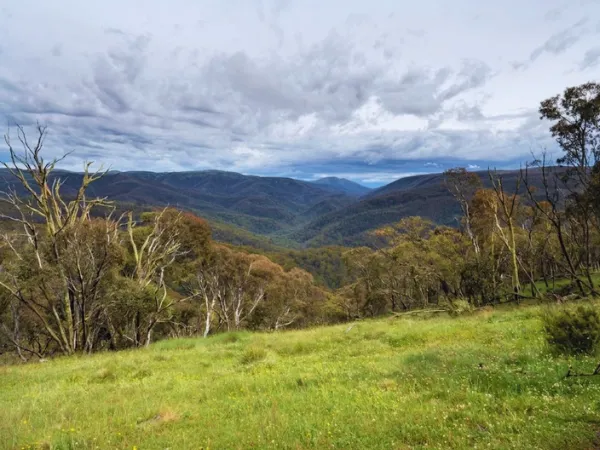
Gros Morne National Park sits on the west coast of Newfoundland, Canada. It is a UNESCO World Heritage Site known for dramatic fjords, towering cliffs, and rugged hiking trails. Additionally, Gros Morne National Park protects some of the rarest geological formations on Earth. Visitors come here for kayaking, wildlife viewing, and unforgettable scenery. In this guide, you will discover everything you need to plan a trip to Gros Morne National Park.
This park is not just another pretty landscape. Rather, it offers a window into the deep history of our planet. Furthermore, it gives travelers a genuine escape into untouched wilderness. Whether you love hiking, boating, or simply admiring nature, Gros Morne National Park has something special waiting for you.
A Quick Overview of Gros Morne National Park
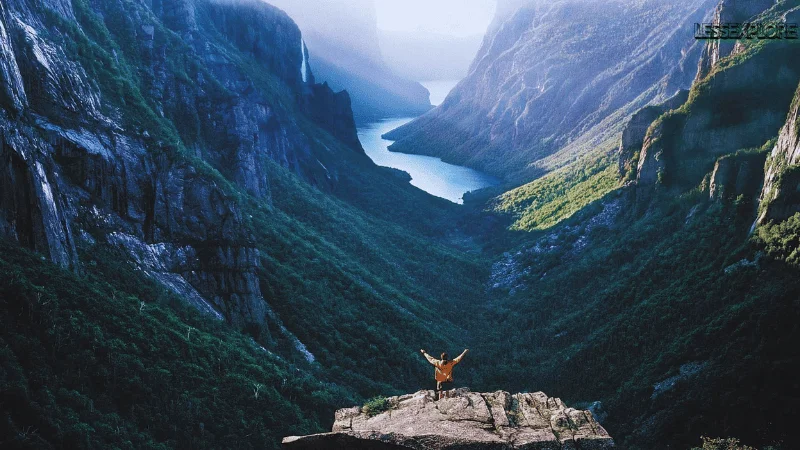
Gros Morne National Park covers over 1,800 square kilometers of land. It stretches along the Gulf of St. Lawrence on Newfoundland’s western shore. The park earned its UNESCO World Heritage status in 1987. This recognition came because of its exceptional geology and stunning landscapes.
The name “Gros Morne” comes from French and means “large mountain standing alone.” Indeed, the park’s highest peak rises dramatically above the surrounding lowlands. Consequently, it creates a striking silhouette that visitors can spot from miles away.
Inside the park, you will find fjords, waterfalls, forests, and coastal plains. Moreover, the landscape changes quickly as you move from one area to another. One moment you might walk through a green forest. The next moment, you could stand beside a barren, orange-tinted plateau. This variety makes Gros Morne National Park endlessly fascinating to explore.
Local Newfoundland culture also adds charm to any visit. Small fishing villages sit near the park’s edges. Therefore, travelers can combine nature exploration with authentic local experiences.
The Geological Wonders That Make Gros Morne Famous
Gros Morne National Park is often called a geologist’s dream. This is because it reveals rocks from deep within the Earth’s mantle. In fact, this rare exposure helped scientists prove the theory of plate tectonics.
The Tablelands stand as the park’s most famous geological feature. This area looks almost like another planet. Orange and rust-colored rocks cover the ground instead of green plants. Consequently, very little vegetation grows here due to toxic mineral levels in the soil.
Millions of years ago, tectonic plates collided and pushed ocean floor rock upward. As a result, this ancient rock now sits exposed on land. Visitors can walk right across it today. Guided walks through the Tablelands explain this incredible process in simple terms.
Meanwhile, other parts of the park show different rock formations entirely. Limestone cliffs, sea stacks, and sedimentary layers appear throughout the coastline. Therefore, even amateur rock lovers will find plenty to admire.
Photography enthusiasts particularly enjoy this section of the park. The unusual colors and textures create striking images. Similarly, the contrast between barren rock and lush green hills nearby makes for dramatic photo compositions.
Fjords, Cliffs, and Breathtaking Scenic Views
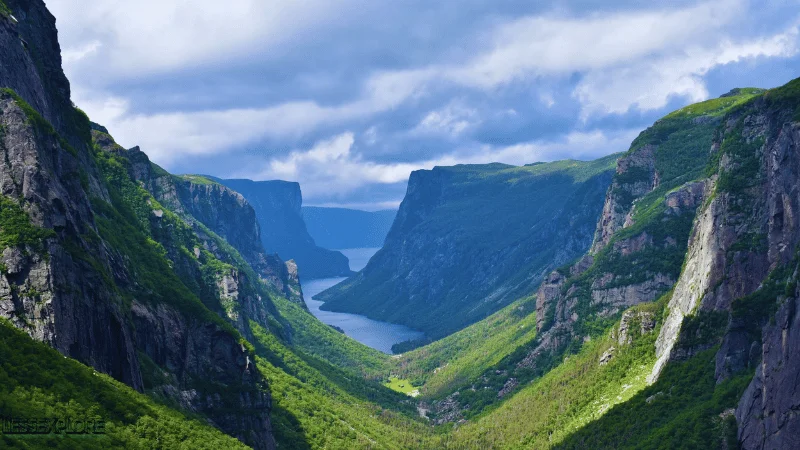
Western Brook Pond is perhaps the most iconic sight in Gros Morne National Park. Although locals call it a “pond,” it is actually a landlocked fjord. Steep cliffs rise nearly 700 meters on either side of the water. Waterfalls cascade down these cliffs, especially after heavy rain.
To reach Western Brook Pond, visitors must hike about three kilometers from the parking area. However, the trail is relatively flat and easy for most people. Once you arrive, boat tours take you deep into the fjord itself. During the tour, guides share stories about the area’s formation and wildlife.
Additionally, the cliffs along the coastline offer equally impressive views. Green Gardens Trail leads hikers to sea stacks, black sand beaches, and volcanic rock formations. This trail rewards visitors with sweeping ocean views at almost every turn.
Sunrise and sunset transform the scenery even further. Golden light hits the cliffs and water, creating magical colors. Therefore, photographers often plan their visits around these times of day.
Overall, the combination of fjords and cliffs makes Gros Morne National Park one of the most photogenic destinations in Atlantic Canada. Few places offer such a striking mix of mountains and coastal water.
Hiking Trails for Every Skill Level
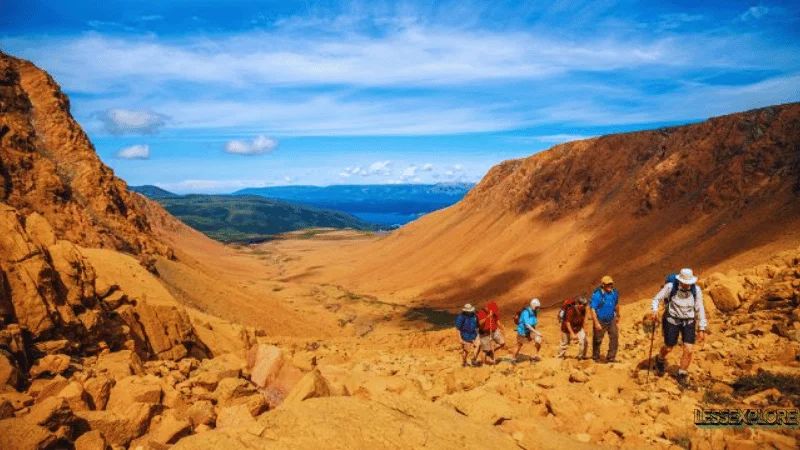
Gros Morne National Park offers hiking trails suited to all experience levels. Beginners can enjoy short, scenic walks. Meanwhile, experienced hikers can tackle challenging mountain climbs.
The Gros Morne Mountain Trail stands out as the park’s toughest hike. This trail climbs to the summit of the park’s namesake peak. The round trip covers about 16 kilometers and takes most of a day. Consequently, hikers should prepare with proper gear, water, and food.
In contrast, the Coastal Trail offers a gentler experience. This path follows the shoreline and provides stunning ocean views. Families and casual walkers often choose this trail for its accessibility.
The Tablelands Trail, mentioned earlier, gives hikers a chance to explore otherworldly terrain. This trail is short but incredibly unique. Similarly, the Lookout Trail near Rocky Harbour offers panoramic views without requiring advanced fitness.
For a longer adventure, the Long Range Traverse challenges backcountry hikers with multiple days of wilderness trekking. This trail requires navigation skills and prior registration with park staff. Therefore, only experienced adventurers should attempt it.
No matter your skill level, always check trail conditions before heading out. Weather in Newfoundland can change quickly. As a result, preparation makes a significant difference in your hiking experience.
Kayaking and Wildlife Viewing Adventures
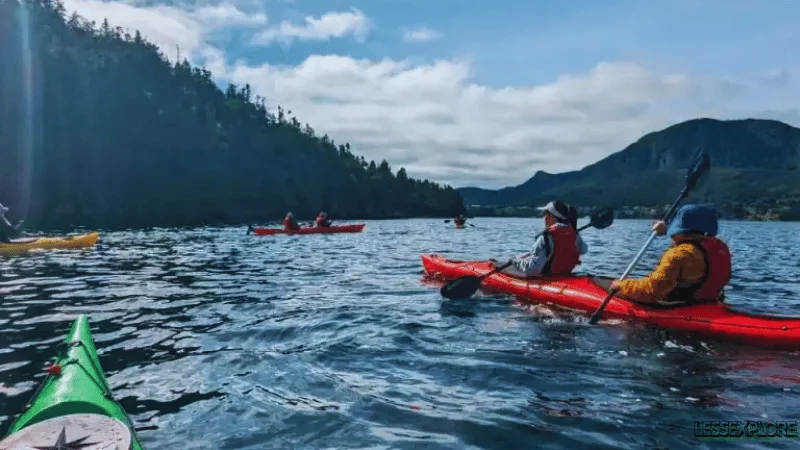
Kayaking ranks among the most popular activities in Gros Morne National Park. Paddling across Western Brook Pond gives visitors a unique perspective of the towering cliffs. Similarly, Bonne Bay offers calmer waters perfect for beginners.
Several outfitters in the area rent kayaks and offer guided tours. These tours often include information about local ecology and geology. Therefore, kayaking becomes both an adventure and a learning experience.
Wildlife viewing is equally rewarding throughout the park. Moose are commonly spotted grazing near forest edges, especially during early morning hours. Additionally, black bears sometimes appear in more remote areas, though sightings remain rare.
Bird watchers will also find plenty to enjoy. Bald eagles soar above the cliffs, while seabirds nest along the coastline. Meanwhile, whales occasionally appear off the coast during summer months, delighting boat tour passengers.
For a chance to see marine life up close, consider joining a boat tour departing from Norris Point or Rocky Harbour. These tours frequently spot seals, dolphins, and sometimes whales. Consequently, bringing binoculars and a camera is highly recommended.
Overall, kayaking and wildlife viewing add an exciting dimension to any visit to Gros Morne National Park. These activities allow travelers to connect with nature in a peaceful, memorable way.
Travel Tips and Visitor Information
Planning ahead makes any trip to Gros Morne National Park more enjoyable. Below, you will find essential information to help you prepare.
Best Time to Visit Gros Morne National Park
Summer, from June to September, is the most popular time to visit. During these months, temperatures remain mild, and most trails stay accessible. Additionally, boat tours and guided hikes operate regularly during this season.
Early autumn also offers beautiful scenery. Fall colors add vibrant reds and oranges to the landscape. However, some services may reduce their hours as the season winds down.
Winter transforms the park into a snowy wonderland. Cross-country skiing and snowshoeing become popular activities. Nevertheless, many facilities close, and road conditions can be challenging. Therefore, winter visits require extra planning and flexibility.
How to Reach Gros Morne National Park
Most travelers fly into Deer Lake Regional Airport, which sits close to the park. From there, a short drive takes you directly into Gros Morne National Park. Alternatively, some visitors fly into St. John’s and drive across the island, though this route takes significantly longer.
Ferries also connect Newfoundland to mainland Canada. Travelers coming from Nova Scotia can take a ferry to Port aux Basques, followed by a scenic drive north. Consequently, this option works well for those bringing their own vehicle.
Once inside the park, a car remains essential for reaching different trailheads and attractions. Public transportation options are limited in this region.
Things to Know Before Visiting
Before arriving, purchase a park pass, as entry fees help maintain trails and facilities. Additionally, cell phone coverage remains spotty in many areas, so download offline maps beforehand.
Pack layers of clothing, since weather can shift quickly throughout the day. Sturdy hiking boots are essential, especially for rocky trails like the Tablelands. Furthermore, bring insect repellent during summer months, as bugs can be persistent near forests and wetlands.
Wildlife safety also matters. Always keep a safe distance from moose and other animals. Similarly, store food properly to avoid attracting wildlife to campsites.
Finally, book accommodations early during peak season. Nearby towns like Rocky Harbour and Norris Point offer hotels, cabins, and campgrounds. However, options fill up quickly in summer months.
Nearby Attractions Worth Exploring
Beyond the park itself, several nearby destinations enhance any Newfoundland trip. The town of Woody Point offers charming waterfront views and local seafood restaurants. Meanwhile, the Arches Provincial Park showcases unique rock formations shaped by ocean waves.
L’Anse aux Meadows, a UNESCO World Heritage Site featuring Viking settlement ruins, lies further north. Although it requires additional travel time, history enthusiasts often consider it worth the journey.
Additionally, small fishing communities scattered along the coast provide insight into traditional Newfoundland life. Visiting these towns allows travelers to sample local dishes and meet friendly residents.
Conclusion
Gros Morne National Park stands as one of Canada’s most remarkable natural treasures. From dramatic fjords and towering cliffs to rare geological formations, this UNESCO-listed park offers endless discovery. Furthermore, activities like hiking, kayaking, and wildlife viewing ensure every visitor finds something exciting to do.
Whether you are a geology enthusiast, an avid hiker, or simply someone seeking peaceful scenery, Gros Morne National Park delivers an unforgettable experience. Therefore, if you are planning a trip to Atlantic Canada, this park deserves a top spot on your itinerary. Pack your hiking boots, grab your camera, and get ready to explore one of the most unique landscapes on Earth.
Explore More Destinations
If this guide inspired your sense of adventure, there is so much more to discover. For example, swim alongside gentle giants on the sandy shores of Isla Holbox, Mexico, where whale sharks glide through warm Caribbean waters. Alternatively, if you loved the coastal thrill of Gros Morne, you will feel right at home riding the waves in Tofino, Canada, a haven for surfers and whale watchers alike. Meanwhile, travelers craving rolling hills and rich flavors should consider exploring Valle de Guadalupe, Mexico’s premier wine region. Furthermore, browse additional travel guides covering hidden gems, scenic destinations, and nature escapes from around the world. Whether you dream of mountain trails, coastal getaways, or offbeat cultural experiences, there are countless destinations waiting to be explored. Keep discovering, keep wandering, and let your next journey begin.
FAQ Section
Gros Morne National Park sits on the west coast of Newfoundland, Canada, along the Gulf of St. Lawrence. It covers over 1,800 square kilometers of coastline, mountains, and fjords.
Gros Morne earned UNESCO status in 1987 because of its rare geology. The park exposes ancient ocean floor rock, offering proof of plate tectonics theory.
The Gros Morne Mountain Trail is the park’s most challenging and rewarding hike. However, the Coastal Trail and Tablelands Trail suit beginners and casual walkers well.
Yes, kayaking is popular on Western Brook Pond and Bonne Bay. Local outfitters offer rentals and guided tours for paddlers of all skill levels.
Summer, from June to September, offers the best weather and full trail access. Early autumn also provides beautiful fall colors and fewer crowds.