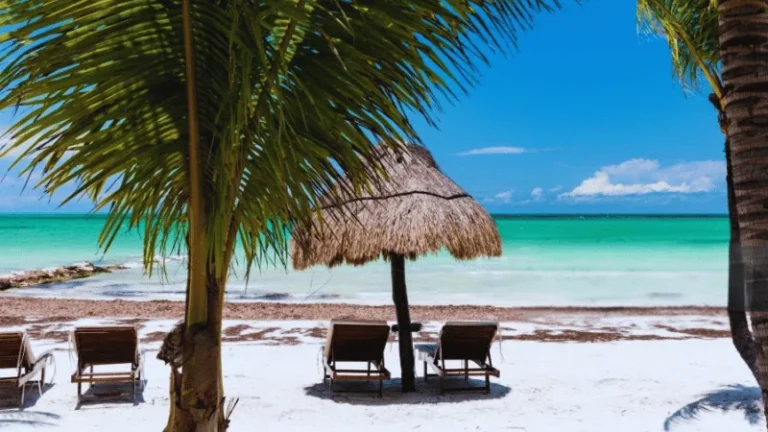
Tucked away on the wild edge of Vancouver Island, Tofino Canada feels like a place time forgot. Towering rainforests meet crashing Pacific waves here, and misty mornings give way to golden sunsets over the water. This small surf town has grown into one of Canada’s most beloved outdoor destinations. Surfers chase swells year-round, whale watchers scan the horizon for spouts, and hikers lose themselves in ancient forest trails. Additionally, Tofino serves as the main gateway to Pacific Rim National Park Reserve, making it a perfect base for adventure. Whether you crave salty air, forest solitude, or thrilling wildlife encounters, Tofino Canada delivers an unforgettable coastal experience.
A Brief History of Tofino
Long before tourists arrived, the Tla-o-qui-aht First Nations called this coastline home. They fished these waters and lived alongside the rainforest for thousands of years. Their culture still shapes the region today, and visitors can learn about it through local tours and cultural centers. Meanwhile, European settlers arrived in the late 1800s, drawn by the area’s fishing potential. The town was officially named after a Spanish naval officer, Vicente Tofiño.
For decades, Tofino remained a quiet fishing village, isolated from the rest of Vancouver Island. However, everything changed in the 1970s when surfers discovered the powerful waves along Long Beach. Word spread quickly, and adventurous travelers began making the long journey west. Consequently, Tofino transformed from a sleepy outpost into a bucket-list destination. Today, it balances its fishing roots with a thriving tourism industry, yet it has never lost its laid-back, small-town charm.
Surfing Culture That Defines the Town
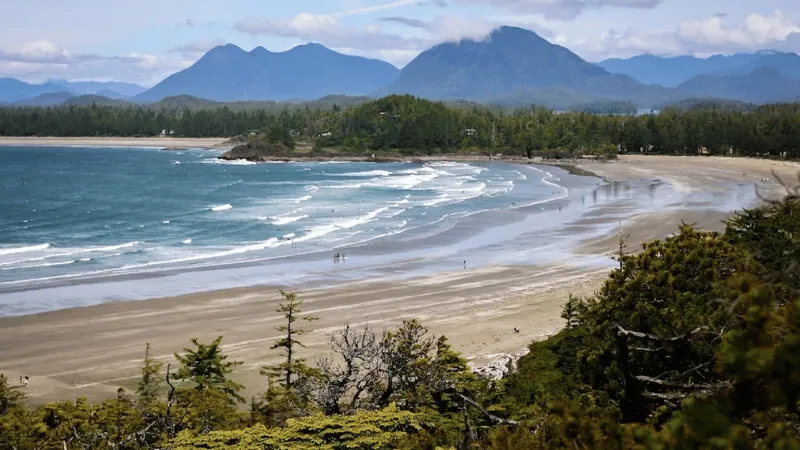
Surfing sits at the heart of Tofino’s identity, and it’s easy to see why. The town sits on a peninsula facing the open Pacific Ocean, which means consistent swells roll in almost daily. Beginners and experts alike flock here to test the waters. Long Beach, located within Pacific Rim National Park Reserve, offers the most popular surf break in the area. Its wide, sandy shoreline provides plenty of room for lessons and practice.
For newcomers, several surf schools operate right in town, offering wetsuits, boards, and patient instructors. Cold water might sound intimidating, but a good wetsuit keeps you comfortable even in winter. In fact, many surfers prefer the colder months because the swells grow larger and more powerful. Meanwhile, summer brings gentler waves, perfect for families and first-timers.
Beyond Long Beach, other spots like Cox Bay and Chesterman Beach attract more experienced riders. These beaches often host local surf competitions throughout the year. Furthermore, the surf community here feels welcoming rather than territorial. Locals genuinely enjoy sharing their passion with visitors, so don’t hesitate to ask for tips or recommendations.
Whale Watching and Marine Wildlife
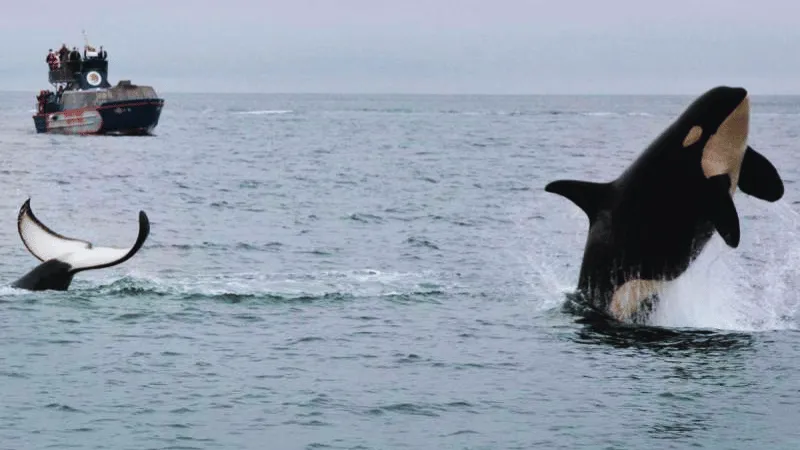
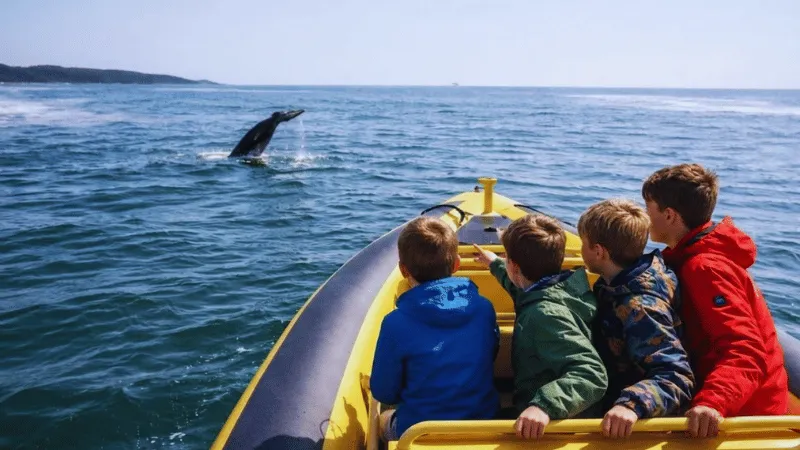
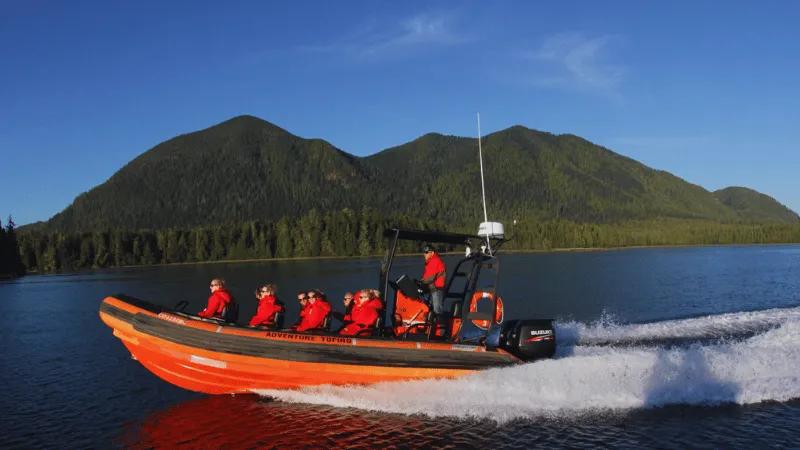
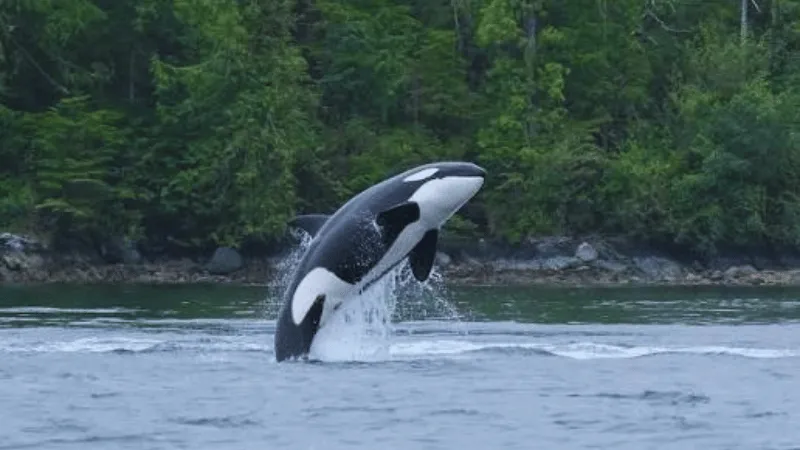
Tofino offers some of the best whale watching in North America. Gray whales migrate along this coastline every spring, and many choose to feed in the nutrient-rich waters near shore. Boat tours depart daily from the harbor, taking visitors close to these gentle giants. Additionally, orcas, humpback whales, and playful sea lions frequently appear during these excursions.
Spring, particularly March through May, marks the peak whale watching season. Thousands of gray whales pass through on their journey from Mexico to Alaska. However, sightings happen throughout the year, since some whales stay in the area to feed. Local guides know the waters intimately and use hydrophones to let guests listen to whale songs underwater.
Beyond whales, the region teems with other marine life. Bald eagles soar overhead, black bears forage along shorelines at low tide, and playful otters float on their backs near kelp forests. Therefore, even a short boat tour often turns into a full wildlife safari. Photographers should bring a zoom lens, since animals typically keep a respectful distance from boats. These tours also highlight the delicate balance of this coastal ecosystem, teaching visitors why conservation matters here.
Rainforest Trails and Scenic Hikes
Beyond the beaches, Tofino’s ancient rainforests offer a completely different adventure. Towering cedar and hemlock trees create a cathedral-like atmosphere, with moss draping over every branch. The Rainforest Trail, located within Pacific Rim National Park Reserve, features two loops that showcase this old-growth beauty. Boardwalks guide visitors safely through the terrain, protecting delicate root systems below.
For a longer adventure, the Wild Pacific Trail near Ucluelet connects dramatic ocean views with dense forest paths. Waves crash against rocky outcrops while eagles circle above, creating a truly cinematic backdrop. Moreover, this trail suits hikers of all skill levels, since sections can be shortened or extended based on time and energy.
Tonquin Trail offers another rewarding option, leading hikers through forest before opening onto secluded beaches. Along the way, interpretive signs explain the region’s unique ecology. Consequently, every hike here becomes both a physical journey and an educational one. Wildlife sightings are common too, so keep your camera ready and your eyes open for movement in the underbrush.
Beaches, Storm Watching, and Coastal Scenery
Tofino’s beaches deserve their own spotlight, since each one offers something distinct. Chesterman Beach features soft sand and tide pools perfect for exploring at low tide. Meanwhile, Long Beach stretches for kilometers, providing endless space for walking, surfing, or simply watching the sunset.
Interestingly, winter storm season has become a major draw for visitors. From November through February, powerful Pacific storms roll into the coast, creating dramatic waves and howling winds. Many hotels even offer cozy storm-watching packages, complete with fireplaces and ocean-view rooms. Consequently, wrapping up in a blanket while watching nature’s fury has become a beloved Tofino tradition.
For photographers, this coastline offers endless inspiration. Golden hour light filters through fog rolling off the ocean, creating ethereal, moody images. Similarly, sunrise walks along the beach often reveal reflections in wet sand, adding depth to any photo. In contrast to typical postcard-perfect beaches, Tofino’s rugged shoreline feels wild and untamed, which makes it especially appealing to adventure photographers seeking something different.
Travel Tips and Visitor Information
Planning ahead makes any trip smoother, and Tofino is no exception. This remote location requires a bit of preparation before you arrive. Fortunately, the effort pays off with an unforgettable outdoor experience.
Best Time to Visit
Summer, from June through September, offers the warmest weather and calmest ocean conditions. This season suits families, beginner surfers, and anyone wanting mild temperatures for hiking. However, it’s also the busiest period, so booking accommodations early is essential.
Spring brings whale migration season, making March through May ideal for wildlife lovers. Meanwhile, winter attracts storm watchers and experienced surfers who crave bigger waves. Fall offers a quieter alternative, with fewer crowds and still-pleasant weather. Ultimately, the best time depends on your priorities, whether that’s sunshine, wildlife, or dramatic storms.
How to Reach Tofino
Reaching Tofino requires a bit of a journey, since it sits far from major cities. Most travelers fly into Vancouver International Airport first. From there, a scenic flight to Tofino-Long Beach Airport takes roughly 45 minutes.
Alternatively, driving offers stunning views along the way. Take a ferry from Vancouver to Nanaimo on Vancouver Island, then drive approximately four hours west through mountains and forests. Although the drive takes time, the winding road through Pacific Rim National Park Reserve makes it worthwhile. Public buses also connect Tofino to Victoria and Nanaimo, providing a budget-friendly option for travelers without a car.
Things to Know Before Visiting
Weather changes quickly in Tofino, so packing layers is essential year-round. Even summer days can turn cool and misty without warning. Therefore, bring a waterproof jacket regardless of the season.
Accommodation books up fast, especially during summer and whale watching season. Consequently, reserving hotels or campsites months in advance is highly recommended. Additionally, Pacific Rim National Park Reserve requires a park pass for entry, which you can purchase online or at entrance stations.
Cell service can be spotty in remote areas, so download offline maps before heading out on trails. Similarly, respect wildlife by keeping a safe distance, especially from bears foraging near beaches. Finally, this region holds deep cultural significance for the Tla-o-qui-aht First Nations, so approach any cultural sites or tours with respect and curiosity.
Nearby Attractions Worth Exploring
Tofino’s location makes it easy to explore other nearby gems too. Ucluelet, just a short drive south, offers similar rainforest trails and dramatic coastal views without the crowds. Meanwhile, the Hot Springs Cove, accessible only by boat or floatplane, rewards visitors with natural thermal pools surrounded by wilderness.
Meares Island, located just across the harbor, features some of the oldest trees in Canada, including cedars estimated at over 1,000 years old. Furthermore, kayaking tours here combine paddling with forest exploration, creating a peaceful contrast to Tofino’s energetic surf scene. Therefore, even a few extra days in the region reveal countless additional experiences beyond the town itself.
Conclusion
Tofino Canada truly earns its reputation as a paradise for outdoor enthusiasts. From world-class surfing and unforgettable whale watching to ancient rainforest trails and dramatic storm season, this coastal town offers something for every type of traveler. Its role as the gateway to Pacific Rim National Park Reserve only adds to its appeal, connecting visitors with pristine wilderness just minutes from town. Moreover, the warm local culture and stunning natural scenery make every visit memorable. Whether you’re chasing waves, wildlife, or simply quiet forest walks, Tofino delivers an authentic slice of wild Canadian beauty. Pack your bags, embrace the unpredictable weather, and discover why so many travelers fall in love with this rugged Pacific gem.
Explore More Destinations
Ready to keep the adventure going? If you enjoyed discovering Tofino, you’ll love exploring more hidden gems and scenic destinations around the world. Check out the nearby attractions around Valle de Guadalupe for a completely different coastal wine escape, or browse our beginner’s guide to planning the perfect vacation for practical tips on your next trip. For more breathtaking natural scenery, don’t miss our roundup of beautiful spots in Switzerland or our guide to the top waterfalls in Victoria. Every destination offers its own story, so keep exploring and start planning your next unforgettable journey today.
Your queries here
Tofino Canada is known for world-class surfing, whale watching, ancient rainforests, and dramatic winter storms. It also serves as the main gateway to Pacific Rim National Park Reserve.
Summer (June–September) offers the warmest weather, while spring (March–May) is best for whale watching. Winter attracts storm watchers and experienced surfers.
Visitors can fly into Vancouver International Airport and take a short connecting flight, or drive via ferry from Vancouver to Nanaimo, then continue west by car.
Yes, Long Beach offers gentle waves and several surf schools with lessons, wetsuits, and boards suited for first-time surfers of all ages.
Tours often spot gray whales, orcas, humpback whales, sea lions, bald eagles, and playful otters, especially during peak migration season from March to May.