
If you love history, nature, and a touch of old-world glamour, Plum Orchard Mansion deserves a spot on your travel list. Tucked away on Cumberland Island National Seashore in Georgia, this grand Georgian Revival home tells the story of the Carnegie family’s life along the Atlantic coast. Moreover, it offers visitors a rare chance to step inside a genuine Gilded Age estate that still stands strong today. Unlike many historic mansions that require a short drive, reaching Plum Orchard Mansion is part of the adventure itself. You’ll travel by ferry, then explore a wild, undeveloped island before arriving at this stunning 20,000-square-foot home. Consequently, a visit here blends history, architecture, and untouched nature into one unforgettable day trip. In this guide, we’ll walk through the mansion’s story, its main attractions, and everything you need to plan your visit.
The History Behind Plum Orchard Mansion

Plum Orchard Mansion began as a wedding gift. In 1898, Lucy Carnegie built the home for her son George and his new wife, Margaret Thaw. The original structure cost around $10,000 and was fairly modest by Carnegie standards. However, Margaret came from a wealthy family herself, and she wanted something grander. Therefore, she funded two additional wings that expanded the home to roughly 20,000 square feet.
The architectural firm Peabody and Stearns designed the mansion in a refined Georgian Revival style. This design choice reflected the elegance and formality popular among America’s wealthiest families at the time. As a result, Plum Orchard Mansion became one of four grand homes the Carnegies built on Cumberland Island for their children.
George and Margaret used the estate as their winter residence until George passed away in 1921. Afterward, Margaret remained there briefly before remarrying and relocating to Paris. Later, the Johnston family, also part of the Carnegie lineage, occupied the home. Eventually, the Carnegie family donated Plum Orchard Mansion to the National Park Foundation in 1971. This generous gift helped secure congressional approval for establishing Cumberland Island National Seashore, ensuring the mansion and its surroundings would be preserved for future generations.
Exploring the Architecture and Design

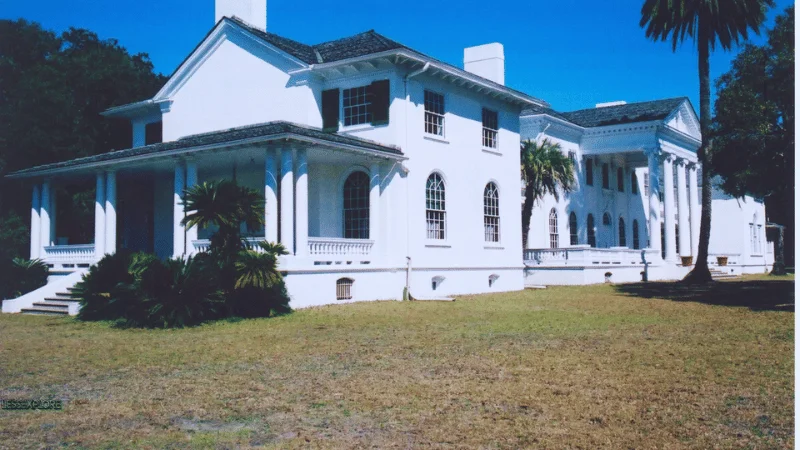
Walking up to Plum Orchard Mansion feels like stepping back in time. The white columns, symmetrical wings, and wide front porch immediately capture attention. Furthermore, the mansion’s scale is impressive, especially when you consider its remote island setting.
Inside, visitors can explore rooms filled with original furnishings and period details. The mansion features a formal dining room, elegant sitting areas, and bedrooms that reflect early twentieth-century taste. Additionally, Plum Orchard Mansion includes a rare squash tennis court, a detail that highlights just how much luxury the Carnegie family enjoyed. A swimming pool and other recreational spaces further show how the estate functioned as a retreat for leisure and entertaining guests.
If you look closely at the mansion’s exterior, you can actually spot where the original 1898 structure ends and the later wings begin. The two chimneys near the main entrance mark the boundary of the first house. Consequently, architecture enthusiasts will enjoy tracing the mansion’s growth simply by studying its facade. Every detail, from the moldings to the grand staircase, offers a glimpse into how affluent families lived during America’s Gilded Age.
Guided Tours and What to Expect

Visiting Plum Orchard Mansion typically happens through the Lands and Legacies Tour, a full-day experience offered by the National Park Service. This tour departs from Sea Camp after the morning ferry arrives. Since the tour lasts most of the day, it’s important to plan accordingly and pack essentials like water and snacks.
During the tour, knowledgeable rangers guide visitors through the mansion’s history, architecture, and the Carnegie family’s legacy. They explain how the family lived, entertained, and eventually left the island. Additionally, guides often share stories about the Johnston family and how they came to occupy Plum Orchard Mansion after George’s passing.
Because access to Cumberland Island is limited and tours require advance reservations, planning ahead is essential. Spots fill quickly, especially during peak travel seasons. Therefore, booking early ensures you won’t miss this rare opportunity. The tour not only covers the mansion itself but often includes insights into the island’s broader history, from Native American settlements to Spanish missions and later plantation life.
Cumberland Island’s Natural Beauty
While Plum Orchard Mansion is the highlight for many visitors, the surrounding island scenery makes the trip even more rewarding. Cumberland Island stretches over seventeen miles and remains largely undeveloped. As a result, wildlife roams freely, and visitors often spot wild horses grazing near historic ruins.
Maritime forests, marshlands, and pristine beaches surround the mansion, creating a peaceful backdrop for exploration. Consequently, many travelers extend their visit beyond the mansion tour to hike island trails or relax along the shoreline. The contrast between the elegant mansion and the wild, natural landscape makes Cumberland Island feel truly unique.
Photographers, in particular, will find plenty of inspiration here. The mansion’s white facade against green oak trees creates striking images, especially in soft morning light. Meanwhile, the island’s beaches and dune systems offer their own scenic rewards. Whether you’re capturing architectural details or sweeping coastal views, Plum Orchard Mansion and its surroundings provide endless photo opportunities.
Nearby Historic Sites Worth Visiting
A trip to Plum Orchard Mansion pairs naturally with other historic landmarks on Cumberland Island. The Dungeness Ruins, located near Sea Camp dock, showcase the remains of another Carnegie estate. Originally built in 1803 by the widow of Revolutionary War general Nathanael Greene, the property later became a grand Carnegie mansion before fire left it in ruins. Today, wild horses often wander among the crumbling walls, creating an atmospheric scene.
Additionally, visitors can explore the marsh-side gravesite of Revolutionary War figure Light-Horse Harry Lee. The island’s oldest surviving building, constructed over two hundred years ago, also sits nearby. Together, these sites paint a fuller picture of Cumberland Island’s layered history, spanning Indigenous communities, colonial settlers, and Gilded Age industrialists.
Guided walking tours departing from Dungeness Dock cover many of these landmarks. Therefore, combining a Plum Orchard Mansion visit with a broader island history tour offers excellent value for history-loving travelers. Each site adds context to the others, helping visitors understand how the island transformed over centuries.
Travel Tips / Visitor Information
Planning a visit to Plum Orchard Mansion requires a bit of preparation since the location sits on a remote barrier island. Fortunately, a little planning goes a long way toward making your trip smooth and enjoyable.
Best Time to Visit

Spring and fall offer the most comfortable weather for exploring Cumberland Island. Temperatures stay mild, and humidity remains manageable compared to summer months. Meanwhile, winter visits can also be pleasant, though some tour schedules may vary. Summer brings heat and higher humidity, so pack accordingly if you choose to visit during that season. Regardless of when you go, checking the tour schedule in advance is essential since availability changes seasonally.
How to Reach
Reaching Plum Orchard Mansion starts with getting to St. Marys, Georgia, the gateway town for Cumberland Island. From there, visitors take a ferry operated by the National Park Service to reach the island. Advance ferry reservations are highly recommended, especially during busy travel periods.
Once on the island, the Lands and Legacies Tour transports visitors directly to Plum Orchard Mansion as part of a guided experience. Since no bridges connect the island to the mainland, the ferry remains the only public transportation option. Consequently, travelers should plan their schedule around ferry departure and return times to avoid missing the boat.
Things to Know Before Visiting
Before heading out, keep a few practical details in mind. First, no drinking water is available along the route to Plum Orchard Mansion, so bring plenty with you. Second, tours often last most of the day, so wear comfortable shoes and dress for outdoor conditions. Additionally, insect repellent is highly recommended due to the island’s natural environment.
Reservations for both the ferry and the Lands and Legacies Tour should be made well in advance. Since Cumberland Island limits daily visitors to preserve its natural and historic resources, spots can fill up quickly. Finally, remember that cell service may be limited on the island, so download any necessary information beforehand.
Conclusion
Plum Orchard Mansion offers a rare combination of history, architecture, and untouched natural beauty. From its Gilded Age origins to its present-day role as a National Park Service site, the mansion tells a compelling story about wealth, family, and preservation. Furthermore, its location on Cumberland Island adds an extra layer of adventure, since reaching it requires a ferry ride through pristine coastal scenery.
Whether you’re drawn by the elegant architecture, the fascinating Carnegie family history, or the chance to spot wild horses along the way, Plum Orchard Mansion delivers a memorable experience. Therefore, if you’re planning a trip to Georgia’s coast, this hidden gem deserves a place on your itinerary. Pack your walking shoes, book your ferry tickets early, and prepare for a journey that blends Southern history with untamed island beauty.
If Plum Orchard Mansion sparked your love for coastal history and untamed scenery, why stop here? Dive deeper into the wild landscapes and hidden stories waiting just beyond this mansion’s doorstep. Start with Cumberland Island National Seashore: A Wild Escape on Georgia’s Coast to discover the untouched beaches, maritime forests, and wild horses that surround the mansion. From there, walk through the atmospheric remains of another Carnegie estate in Dungeness Ruins: Georgia’s Quietest Historical Landmark, where crumbling walls and quiet marshes tell their own Gilded Age story. And if fjords, mountains, and untamed wilderness call to you, head north to Gros Morne National Park: Canada’s Fjord Wonderland for a completely different kind of natural drama. Each of these destinations offers its own blend of history, adventure, and scenery, so keep exploring and let your next journey take shape.
Frequently Asked Questions
Plum Orchard Mansion is known as a Gilded Age estate built in 1898 by Lucy Carnegie for her son George. It’s famous for its Georgian Revival architecture, original furnishings, and rare squash tennis court on Cumberland Island.
Visitors reach Plum Orchard Mansion by taking a National Park Service ferry from St. Marys, Georgia, to Cumberland Island. From there, the Lands and Legacies Tour transports guests directly to the mansion.
Yes, Plum Orchard Mansion is open to the public through guided tours. The Lands and Legacies Tour departs daily from Sea Camp after the morning ferry arrives.
The Plum Orchard Mansion tour itself is free, though visitors must pay for the required ferry ticket to Cumberland Island and book tour reservations in advance.
Spring and fall offer the most comfortable weather for visiting Plum Orchard Mansion, with mild temperatures and lower humidity than summer months.