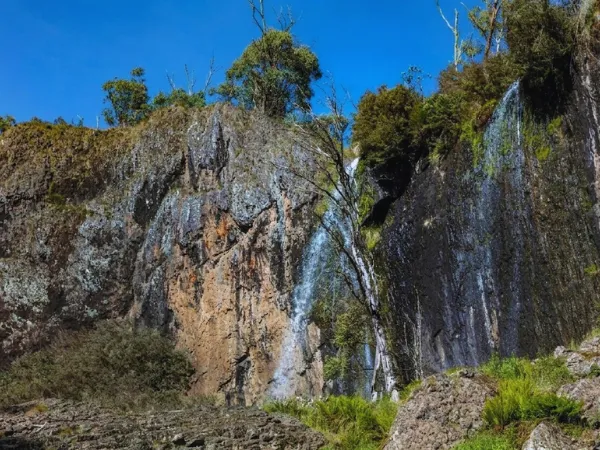
Picture a place less than an hour from Sydney where nobody honks a horn, because there isn’t a single car to honk one. That’s Dangar Island in a nutshell. You reach it by driving or catching a train to Hawkesbury River Station, then stepping onto a short ferry for the final leg across the water. This little hop-skip-and-a-boat-ride journey does something strange to your brain: by the time you land on the island, Sydney already feels far away. There’s no traffic to dodge, no parking to hunt for, just quiet paths, a swimming spot that feels almost secret, and a single café and pub to anchor the day. If you’re after a genuine timeout without booking a flight, Dangar Island is the kind of place that quietly delivers.
Why Dangar Island Stands Out
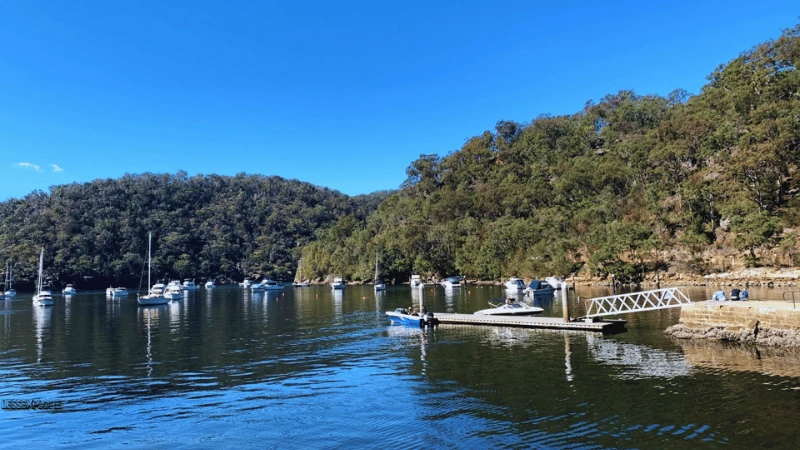
Most islands near a big city end up overrun eventually. Dangar Island never really did, and that’s arguably its best feature. At under one square kilometre, it’s tiny, yet the ban on cars changes everything about how it feels to walk around. Locals get about on foot, by bike, or in the odd electric buggy, so you can stroll down the middle of the road without glancing over your shoulder.
Thick eucalypt forest covers a good chunk of the island, and sandstone cliffs frame the river beyond it. As a result, Dangar Island manages to feel properly wild in places, despite sitting so close to a city of five million people. On weekdays especially, the island barely stirs. Weekends bring a modest crowd, but “modest” is the operative word here — this isn’t a place that gets swamped.
A Short History of the Island
The island carries the name of Henry Dangar, a surveyor and pastoralist who took ownership of the land back in the 1800s. Long before that, though, the Guringai people fished these waters and gathered food along the riverbanks, and their connection to the Hawkesbury goes back thousands of years.
Things shifted in the late 1800s when engineers began building the Hawkesbury River railway bridge nearby. Workers based themselves on Dangar Island during construction, turning it briefly into a bustling work site. Once the bridge opened, that energy faded, and the island settled into the low-key residential character it still has today. Roughly a hundred people call it home year-round, while weekend visitors add a bit of life without ever tipping the balance.
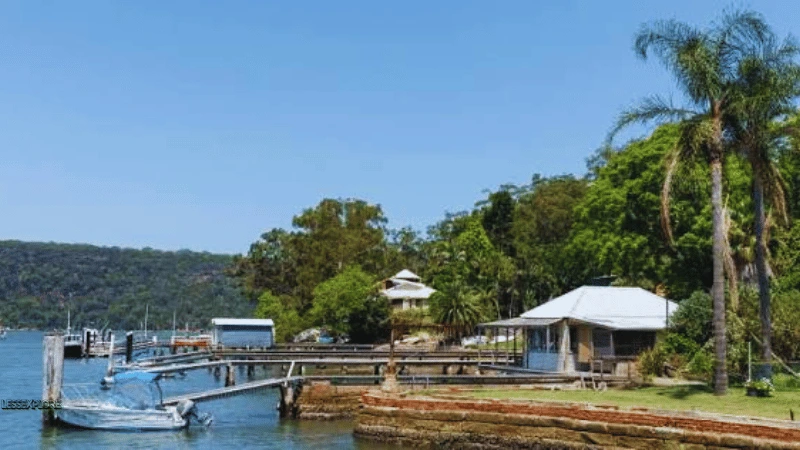
Wandering past the old timber cottages scattered across the island, you get a real sense of that layered past. Because road access was never an option, large-scale development simply never took hold — which, frankly, is a big part of why the island still feels the way it does.
What to See and Do on Dangar Island
There isn’t a checklist of must-see landmarks here, and that’s sort of the point. Still, a handful of spots anchor most visits.
The Beach
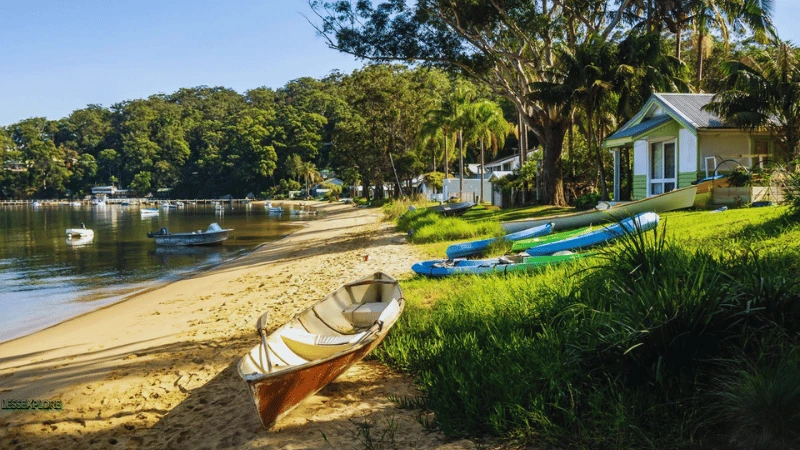
Tucked on the island’s northern edge, the beach faces out onto a wide stretch of the Hawkesbury. It’s small and sandy, and even on a warm Saturday, you’ll rarely fight for space. Swimming here feels calmer than an ocean beach — no waves crashing, just a gentle river current and boats drifting past in the distance.
The Wharf and General Store
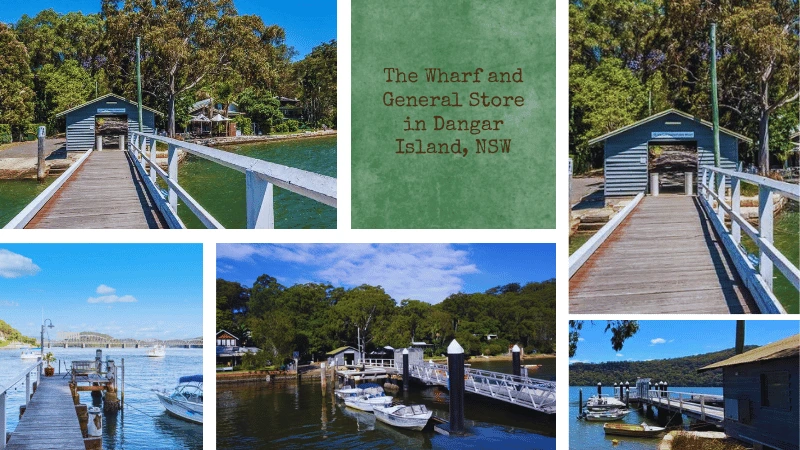
Step off the ferry, and the wharf gives you your first proper look at the island. A short walk brings you to the general store, which has quietly served the community for decades. Grab a cold drink, pick up a snack, and don’t be surprised if a local strikes up a conversation about the tide times or last week’s storm.
The Walking Tracks
Several bush tracks loop through the island, most taking somewhere between twenty and forty minutes to walk. They’re gentle rather than strenuous, so they suit pretty much anyone — families, older visitors, or someone who just wants a slow morning among the trees. Kookaburras, water dragons, and the odd goanna show up often enough that you’ll want your camera ready.
Things to Do Beyond Walking
Walking dominates the island simply because there’s nowhere to drive to. That said, the options don’t stop there. Swimming picks up considerably in summer, and the warm river water suits both strong swimmers and kids splashing about near the shore. Kayaking and paddleboarding have also grown popular, with hire operators nearby making it easy to get out on the water.
Fishing draws a steady stream of regulars too, since the Hawkesbury has long had a reputation among local anglers. Meanwhile, birdwatchers tend to linger here, thanks to the mix of bushland and waterfront that pulls in a wide range of species throughout the year.
And if none of that appeals, there’s always the pub. Sitting there with a drink, watching ferries and small boats pass by, counts as a completely legitimate way to spend an afternoon on Dangar Island. Whatever mood you’re in, the island seems to bend to it.
Scenic Spots and Photo Opportunities
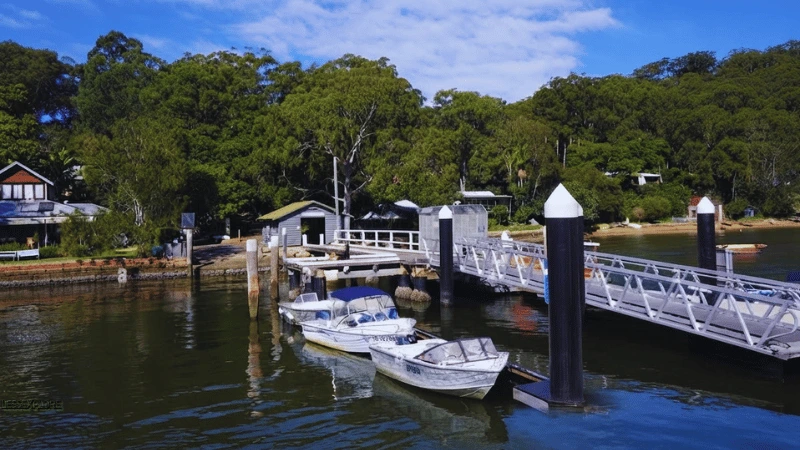
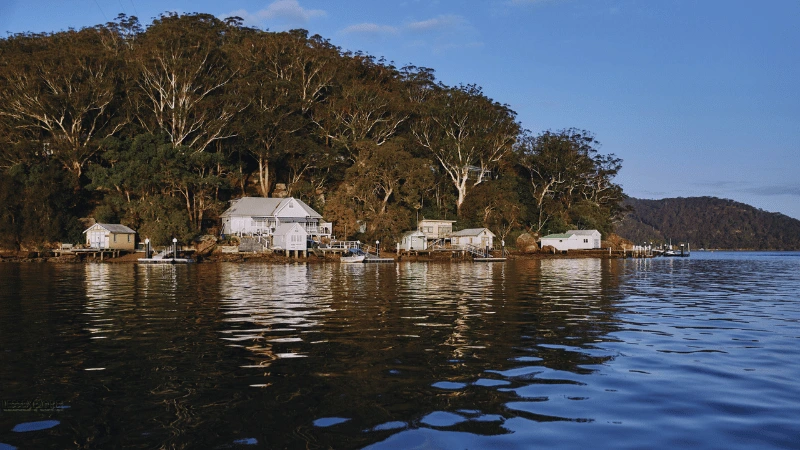
Photographers tend to leave Dangar Island with a full memory card. The river itself changes constantly, and on cooler mornings, mist often settles over the water in a way that looks almost staged. Similarly, the sandstone cliffs across the water pick up striking colour at sunrise and sunset.
Honestly, the ferry crossing alone is worth a few shots. As the boat approaches, you get a sweeping view of the river, the surrounding hills, and the small cluster of rooftops that make up the settlement. The old timber houses tucked among ferns add a rustic touch too, especially in soft afternoon light.
For wildlife shots, stick to the walking tracks. Water dragons often hold still long enough for a decent photo, and kookaburras have a habit of perching right where you can see them. At low tide, the rock pools near the beach reveal interesting textures worth a closer look as well.
Life on the Island: A Small, Close Community
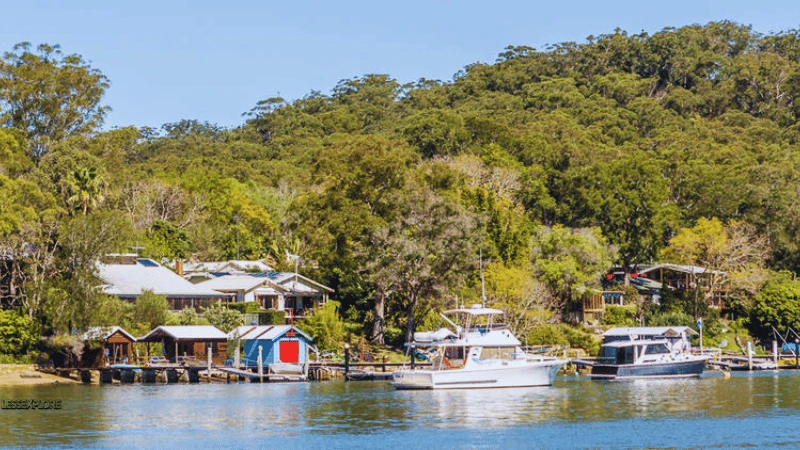
What sticks with most visitors isn’t a landmark — it’s the atmosphere. With no cars and only around a hundred permanent residents, people here genuinely rely on one another. Bikes and small trolleys carry groceries home from the wharf, and everyone seems to know everyone.
The general store and pub function as informal meeting points, where locals and day-trippers mix without much fuss. Strike up a conversation, and you’ll likely hear stories about island floods, wildlife encounters, or how life has changed (or hasn’t) over the decades. It’s a refreshingly unpretentious vibe, the kind that’s hard to fake and even harder to find so close to a major city.
Occasional community markets and seasonal gatherings bring extra buzz throughout the year. If your visit happens to line up with one, it’s worth sticking around a little longer to soak it in.
Travel Tips for Your Visit
A bit of preparation makes a Dangar Island trip run smoothly. Since there are no vehicles, pack light and wear proper walking shoes — you’ll be on your feet for most of the day. It’s also worth carrying some cash, as not every small business on the island takes cards.
Sun protection matters, particularly in summer, since shade can be scarce around the wharf and beach. Bring sunscreen, a hat, and plenty of water. Planning to swim? Pack a towel and check the tide times before you head out.
One more thing: much of the island is residential. Keep noise down, stick to public paths, and treat the place the way you’d want visitors to treat your own street.
Best Time to Visit Dangar Island
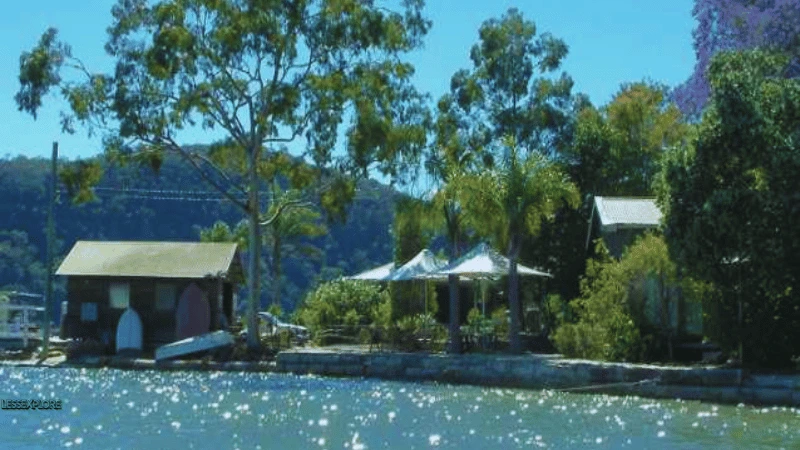
Spring and autumn offer the most comfortable conditions for exploring on foot, with mild temperatures and fewer bugs. Summer, however, remains a favourite for swimmers, since the river warms up nicely from December through February.
Winter has its own quiet appeal. The morning mist that settles over the Hawkesbury during colder months makes for some genuinely moody, atmospheric scenery. As for crowds, weekdays are noticeably quieter than weekends — so if solitude is the goal, aim for a Tuesday over a Saturday.
How to Reach Dangar Island
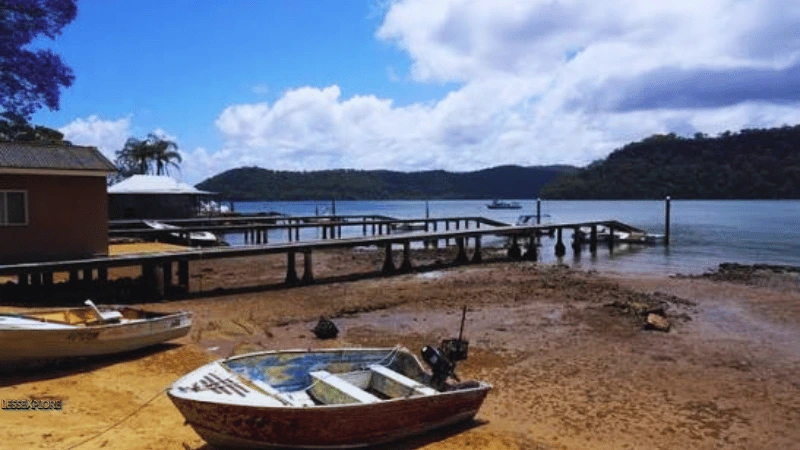
Getting to Dangar Island is straightforward, even with the extra steps involved. From Sydney, drive or catch a train to Hawkesbury River Station, a stop that’s unusual in that it has no road access of its own. Most travellers either arrive by train directly or drive to nearby Brooklyn and park there instead.
From either point, a short ferry carries you across to the island in just a few minutes, running at regular intervals throughout the day. Once you’re on the island, everything sits within easy walking distance, so you won’t need to arrange any further transport.
Things to Know Before You Go
A few practical notes will save you some guesswork. First, the no-cars rule is real and strictly upheld by the local community — don’t expect exceptions. Second, facilities are limited to one general store, one café, and one pub, so this isn’t a destination for big shopping trips or varied dining.
Mobile reception can get patchy in the bushier corners of the island, so it’s smart to download any maps beforehand. Ferry timetables can also shift slightly with the seasons, so double-check before you set off. And since most of the island is residential, visitors are asked to respect private property and keep quiet hours in mind.
Final Thoughts
Dangar Island offers something that’s genuinely hard to find this close to a major city: real quiet. Between the no-cars rule and that train-then-ferry journey, the sense of escape kicks in almost the moment you leave Sydney behind. Whether you come for the bush walks, that near-private beach, or simply the chance to switch off for a few hours, Dangar Island delivers a proper timeout from everyday noise. For anyone chasing a low-key island getaway without a long flight or a crowd to fight through, this small pocket of the Hawkesbury River is well worth the short trip out.
Explore More Destinations
If this quiet island escape has you thinking about your next trip, there’s plenty more worth discovering. From peaceful river walks to hidden waterfalls and striking natural landmarks, our travel guides cover destinations built for slow, memorable adventures. Take a look at the Pound Bend River Walk in Warrandyte State Park for another relaxed riverside outing, wander through the Sherbrooke Falls Walk in the Dandenong Ranges, or take in the views from Big Rock in the You Yangs Regional Park. Keep exploring with Less Explore for more hidden gems, scenic destinations, and travel tips for your next adventure.
Yes. Dangar Island makes an easy day trip from Sydney, roughly an hour away by train and ferry. Most visitors arrive in the morning and leave by late afternoon, with plenty of time to walk the tracks, swim, and grab a bite at the pub.
No, and in fact you can’t bring one. Dangar Island is completely car-free, so visitors travel by train or car to Hawkesbury River Station, then take a short ferry across. Once on the island, everything is within walking distance.
Drive or take a train to Hawkesbury River Station, then catch a short ferry over to Dangar Island. The ferry runs regularly throughout the day and takes only a few minutes to cross.
Dangar Island has limited accommodation, since most of the island is residential. Many visitors treat it as a day trip rather than an overnight stay, though a small number of holiday rentals are available for those wanting to stay longer.
Dangar Island offers bush walking tracks, a quiet swimming beach, fishing, kayaking, and birdwatching. Visitors can also relax at the island’s single café and pub, both a short walk from the ferry wharf.