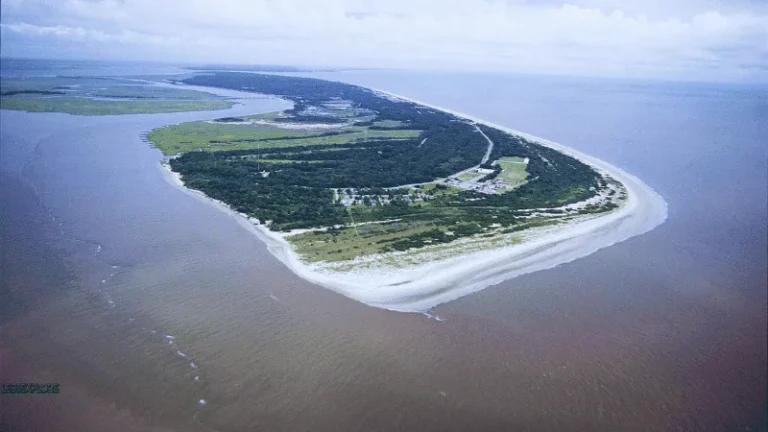
Picture a mansion with 59 rooms, swallowed almost whole by vines, salt air, and wild grass. That is what waits for you at Dungeness Ruins, and honestly, no photo prepares you for standing in front of it. This historical landmark in Georgia sits on Cumberland Island, a barrier island so undeveloped that horses outnumber cars by a wide margin. You arrive by ferry, you walk past dunes and marsh, and then the brick walls appear out of the trees like something out of a novel. That contrast between grandeur and decay is exactly why people keep coming back.
Below, I’ll walk you through what makes this place worth the trip: where it came from, what you’ll actually see once you’re standing there, and how to plan a visit that doesn’t leave you stranded without water or a ferry ticket. By the end, you’ll know exactly why Dungeness Ruins earns its reputation as one of Georgia’s most memorable stops.
Where Dungeness Ruins Came From
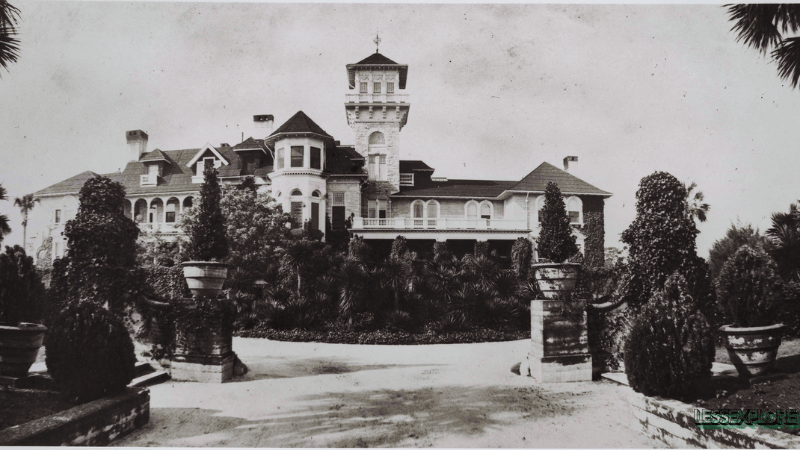
Long before the ruins you see today, this land already had a mansion on it. Nathanael Greene, a Revolutionary War general, built the first Dungeness estate here in the 1780s. Fire eventually claimed that house too, and for a long stretch afterward, the property sat largely forgotten.
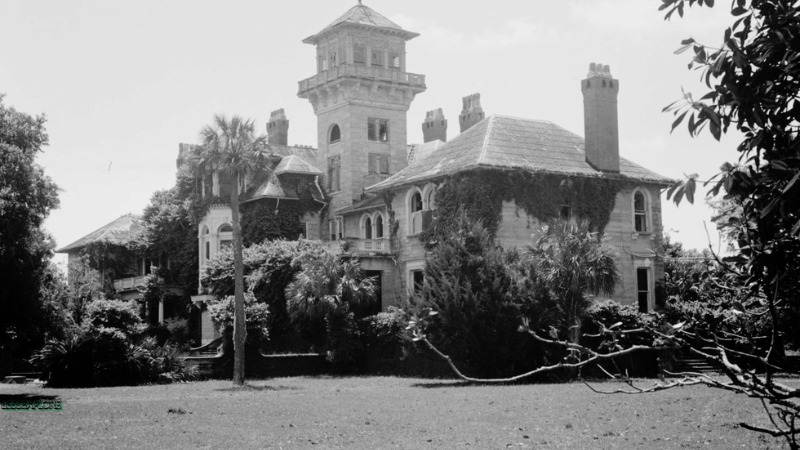
That changed in 1884, when Thomas Carnegie bought the land. Yes, that Carnegie family — Thomas was Andrew Carnegie’s younger brother, and the steel fortune funded a winter retreat unlike anything else on the Georgia coast. Lucy Carnegie oversaw much of the build, and the finished estate grew to include a pool, a golf course, and housing for a large household staff. By the time the family finished expanding, they controlled roughly 90 percent of the island.
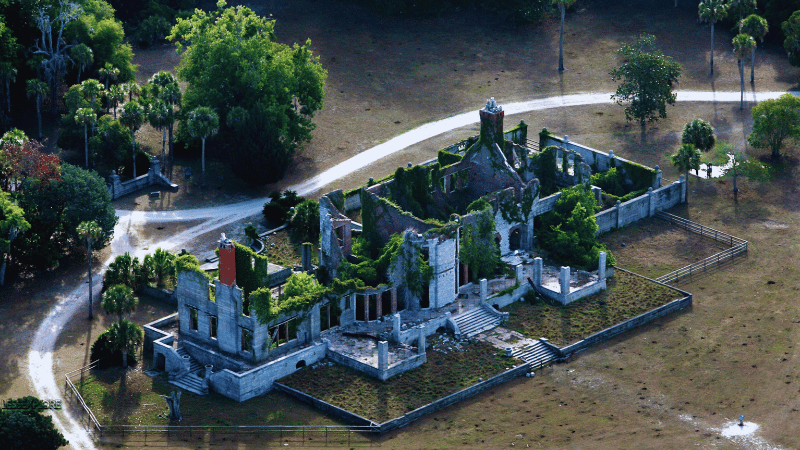
The mansion’s ending is where the story turns dark. A fire tore through it in 1959, almost certainly set on purpose, though no one was ever charged. Rather than rebuild, the family let nature take over. Decades of wind, salt, and vegetation have since carved the building down into the skeleton you’ll see now — walls without a roof, windows without glass, and grass growing straight through the old foundation.
What You’ll Actually See at the Ruins
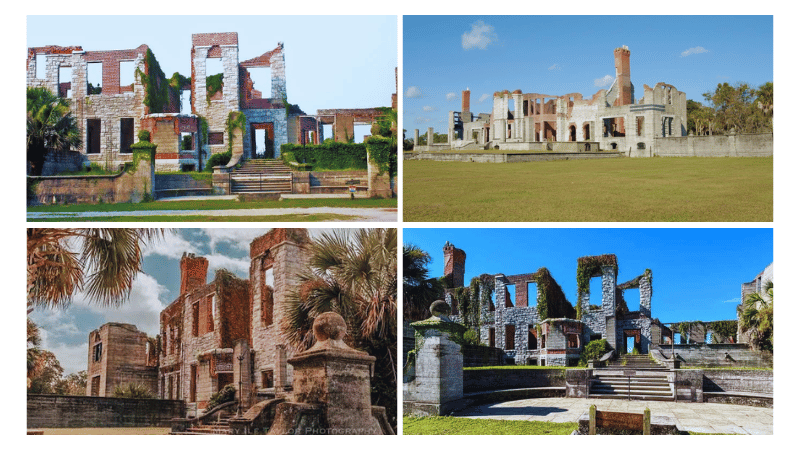
Nothing quite prepares you for the scale of the place once you’re standing in front of it. Brick walls climb several stories into the sky, wrapped in vines and shaded by oaks that predate the mansion itself. A network of paths loops around the grounds, and small plaques along the way fill in details about each structure you pass.
Then there are the horses. Wild horses have lived on Cumberland Island for generations, and more often than not, you’ll find a few grazing directly beside the ruined walls. It’s an odd, striking pairing — feral animals wandering through the remains of Gilded Age wealth — and it tends to be the image people remember longest after they leave.
Past the main house, smaller ruins are worth tracking down too: the old recreation building, the swimming pool, and the carriage house all still stand in fragments. The Dungeness Dock nearby gives you a quiet spot to sit by the water before heading back. Unlike a lot of historical sites, nothing here feels roped off or over-managed. You’re mostly left alone to look, wander, and take it in at your own pace.
Beyond the Ruins: What Else Cumberland Island Offers
The ruins are the headline, but they’re really just one stop on an island built for slow exploration. Trails cut through maritime forest, over dunes, and along marshland thick with birdlife — herons, egrets, and osprey show up regularly if you’re patient with your binoculars.
Then there’s the beach, and it’s a big one. Nearly 18 miles of shoreline run along the island, almost none of it developed. You can walk for an hour and pass maybe two other people. Pack a lunch, find a spot in the dunes, and let the afternoon disappear.
If you’d rather cover ground faster, biking is allowed on several island paths — just know you’ll need to bring your own bike, since there’s nowhere on the island to rent one. Campers have options too: a handful of designated sites let you spend the night surrounded by nothing but marsh sounds and wind. However you choose to spend your day, the island rewards anyone willing to slow down.
Photographing the Ruins
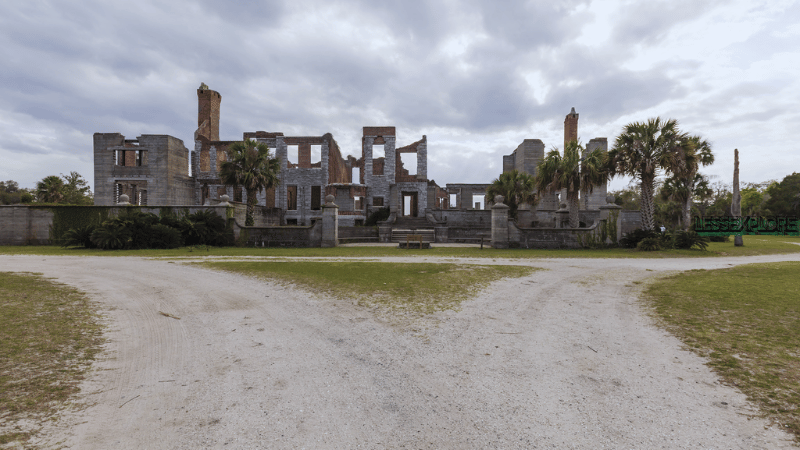
Photographers tend to lose track of time here, and it’s easy to see why. The rough texture of aged brick against bright green vegetation photographs beautifully in almost any light, though early morning tends to work best. Soft light filtering through the oak canopy softens the whole scene, and by evening, the crumbling walls throw dramatic shadows against the sky.
The horses complicate things in the best way — a shot of one grazing near a collapsed archway is worth waiting around for. Bring a wide lens for the ruins themselves and something with more reach for wildlife, since keeping distance from the horses matters both for your safety and theirs.
Don’t overlook the trees, either. The oaks draped in Spanish moss frame nearly every path on the property, and they change subtly with the light and season. Even a phone camera captures something worthwhile here, which is part of why so many visitors leave with more photos than they planned to take.
The Island’s Deeper Story
It’s worth remembering that Carnegie history is only one layer of what’s here. The Timucua lived on this land for thousands of years before any European ships arrived. Spanish missionaries later built settlements on the island in the 1500s, adding another chapter well before Dungeness existed at all.
Coastal Georgia also carries strong Gullah Geechee heritage, tied to the descendants of formerly enslaved Africans who shaped much of the region’s food, language, and traditions. That legacy runs through the broader Sea Islands area, and it deserves recognition alongside the Carnegie estate’s more famous story.
Today, the National Park Service manages the island as Cumberland Island National Seashore, which keeps large-scale development off the table. As a result, you get something rare: a place where wilderness, colonial history, and Gilded Age excess all sit within walking distance of each other. Keeping that fuller picture in mind makes a visit to the ruins land differently.
Planning Your Visit
A little preparation goes a long way here, since Cumberland Island isn’t set up for spontaneous trips. The Park Service limits how many visitors can land each day, so book your ferry seat well ahead of time, especially around holidays or weekends. There’s no store, restaurant, or gas station anywhere on the island, so bring in everything you’ll need for the day.
Water and sunscreen are non-negotiable, and bug spray matters more than you’d expect given the marshland nearby. Wear shoes that can handle sand and uneven ground, since parts of the walk to the ruins aren’t paved. Cell signal also drops out frequently once you’re on the island, so save any maps or directions to your phone before you leave the mainland.
Best Time to Visit
Fall and spring give you the most comfortable conditions for exploring on foot. Between October and April, temperatures stay mild enough for long walks without much trouble. Summer, on the other hand, brings heavy humidity and a noticeable jump in mosquito activity, so many travelers skip June through August altogether.
Spring adds wildflowers and pleasant afternoons, while fall trades that for cooler air and smaller crowds. Winter here rarely turns harsh, so it’s a legitimate option too if you don’t mind cooler mornings. Timing your trip around one of these quieter seasons tends to make the whole experience more enjoyable.
Getting There
You can only reach Cumberland Island by boat, and the main option is the National Park Service ferry departing from St. Marys, Georgia. Trips run on a limited daily schedule, so reserve your spot ahead of time rather than showing up and hoping for space.
From Sea Camp Dock, expect roughly a 45-minute walk to reach the ruins themselves. A private boat charter is an alternative route, though these usually land at a different point on the island. If you’re driving in, give yourself extra time in St. Marys for parking and ferry check-in. Travelers flying in will find Jacksonville International Airport the closest option, about 45 minutes away by car.
Before You Go
A few practical details will save you headaches later. There’s no lodging near the ruins, though camping is available elsewhere on the island for anyone wanting to stay overnight. On top of your ferry fare, expect a separate National Park entrance fee, so budget for both.
Pets aren’t permitted on the ferry or anywhere on the island, so plan differently if you’re traveling with an animal. The horses may wander close, but touching or feeding them is off-limits — it’s a safety issue for you and for them. Removing shells, plants, or anything else from the island is also prohibited, since the ecosystem here is fragile. Restrooms are limited to a few spots near the dock, so map that into your day before you set off walking.
Final Thoughts
Few places manage to feel this wild and this storied at the same time. Dungeness Ruins carries the weight of Carnegie ambition, a mysterious fire, and decades of quiet decay, all set against an island that still belongs mostly to horses and birdlife. Add in the beaches, trails, and layered history stretching back long before the Carnegies arrived, and you’ve got a full day’s worth of exploring packed into one remote landmark. Plan your ferry seat, pick a mild-weather month, and this historical landmark in Georgia will likely turn into one of the more memorable stops on your coastal trip.
Explore More Destinations
If Dungeness Ruins has you craving more wild, off-the-beaten-path adventures, there’s plenty more to discover. Stay on the Georgia coast a little longer with Cumberland Island National Seashore: A Wild Escape on Georgia’s Coast, which digs deeper into the island’s beaches, trails, and untamed scenery beyond the ruins themselves. Craving mountains instead of marshland? El Chaltén, Argentina: The Ultimate Trekking Capital of South America takes you to one of the most dramatic trekking destinations on the planet. And for travelers who love dramatic coastlines and fjords, Gros Morne National Park: Canada’s Fjord Wonderland offers a completely different kind of natural spectacle worth adding to your travel list.
FAQ Section
The Dungeness Ruins are the remains of a 59-room Carnegie family mansion on Cumberland Island, Georgia. Built in 1884, the estate burned down in 1959 and now stands as a historic landmark surrounded by wild horses and oak trees.
You can only reach the Dungeness Ruins by boat. The National Park Service ferry departs from St. Marys, Georgia, and it’s about a 45-minute walk from Sea Camp Dock to the ruins themselves.
Yes, wild horses roam freely around the Dungeness Ruins and often graze right beside the mansion’s remains. Touching or feeding them is prohibited to protect both visitors and the animals.
Visiting Cumberland Island requires a ferry ticket plus a separate National Park Service entrance fee. Prices can change, so check the official park website before booking your trip.
Fall and spring, roughly October through April, offer the mildest weather for visiting the Dungeness Ruins. Summer brings heavy humidity and more mosquitoes, so many travelers avoid June through August.