Autumn in Switzerland feels like a living postcard. Golden larches glow on the hillsides, and fresh snow dusts the high peaks. Meanwhile, cows with giant bells walk home from the mountain pastures. If you love quiet trails and soft mountain light, autumn in Switzerland may even beat summer.
The Bernese Oberland shines brightest at this time of year. The crowds thin out, and the air turns crisp and clear. In addition, prices ease a little, and the villages slow down. This guide covers ten lovely stops: Wengen, Lauterbrunnen, Grindelwald, Gimmelwald, Lake Brienz, Brienz, Giessbach, Kandersteg, Blausee, and Appenzell. For each one, you’ll find top sights, easy walks, photo spots, and practical tips.
Why go in fall? Because the season mixes color, calm, and comfort. Hikers enjoy cool, clear days. Photographers get golden light and mist over lakes. Food lovers taste cheese, chestnuts, and hearty stews. Moreover, autumn in Switzerland lets you enjoy the famous views without the summer rush.
Wengen and Lauterbrunnen: Autumn in Switzerland’s Valley of Waterfalls
Wengen: A Car-Free Balcony Above the Valley
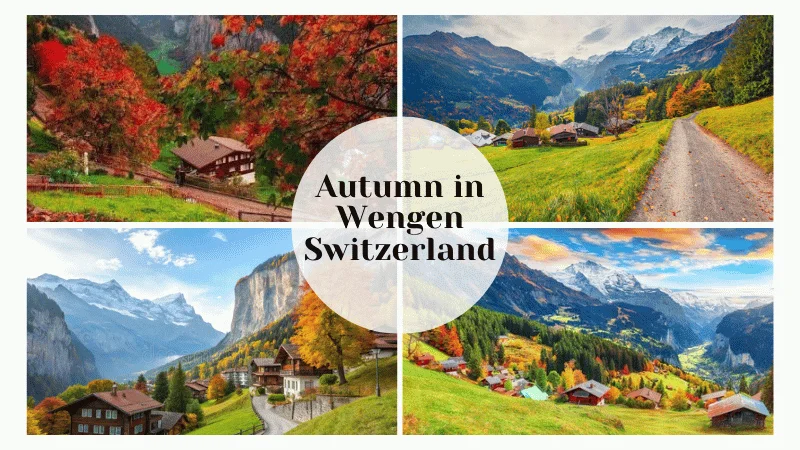
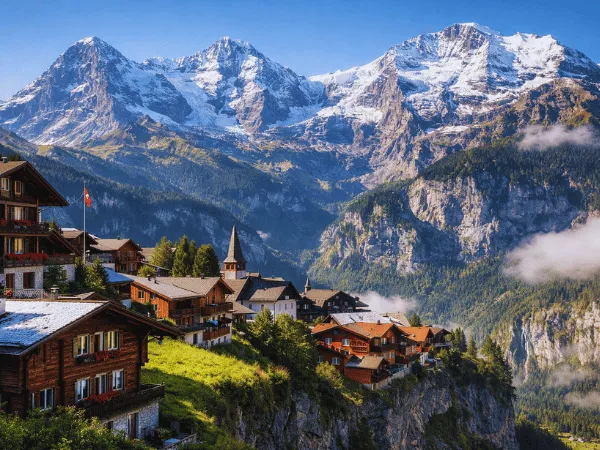
Wengen sits on a sunny terrace high above the Lauterbrunnen Valley. No cars drive here, so the village stays calm and quiet. A small cog railway climbs up from Lauterbrunnen in about 15 minutes, and the views open up fast.
Once you arrive, walk to the edge of the terrace. The Jungfrau, Mönch, and Eiger fill the skyline. In autumn, the meadows turn amber and the forests glow orange. For an easy outing, take the Männlichen gondola and follow the panorama trail to Kleine Scheidegg. The walk takes about 90 minutes, and the path stays gentle. Photographers love it because the peaks stay in view the whole way.
Lauterbrunnen: The Valley of 72 Waterfalls
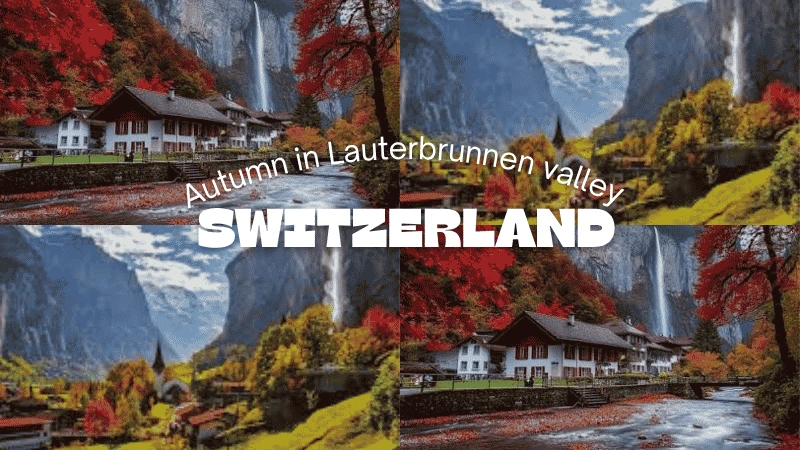
The name Lauterbrunnen roughly means “nothing but springs.” Steep cliffs wall in a wide, U-shaped valley, and about 72 waterfalls tumble down its sides. For the full story behind this dramatic landscape, read our guide to Lauterbrunnen Valley, Switzerland’s valley of 72 waterfalls. Staubbach Falls drops nearly 300 meters right beside the village.
Trümmelbach Falls hides inside the mountain. A tunnel lift carries you up, and walkways lead you past roaring glacier water. The site usually stays open into autumn, but check the closing date first. Meanwhile, flat trails on the valley floor link farms, streams, and viewpoints. Arrive at sunrise if you want soft light and empty paths.
For photos, bring a wide-angle lens. It captures the tall cliffs and long waterfalls in one frame. Additionally, a polarizing filter cuts glare on wet rock and makes autumn leaves look richer. Late afternoon light turns the valley walls warm and golden.
Grindelwald and Gimmelwald: Mountain Villages in Their Autumn Glow
Grindelwald: Big Views Under the Eiger
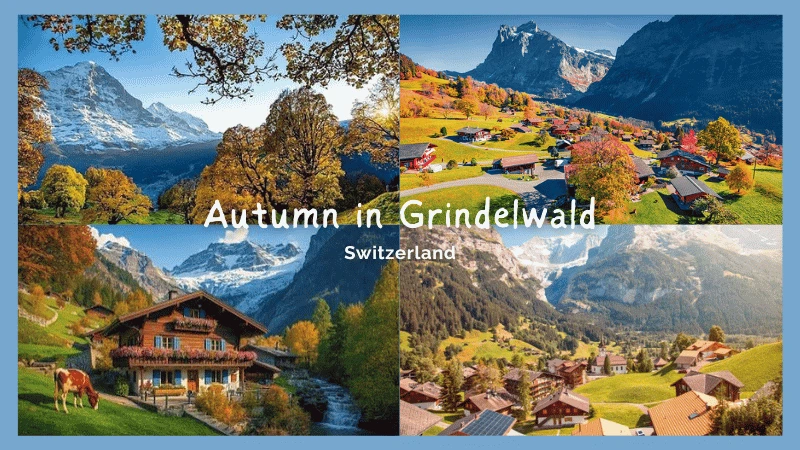
Grindelwald sits right beneath the Eiger’s famous north face. Wooden chalets, cozy cafés, and lively streets fill the village center. Above all, it makes a great hiking base. Take the gondola up to First, then walk the cliff path high above the valley. Next, continue to Bachalpsee. On calm mornings, this small lake mirrors the Schreckhorn and Wetterhorn. The hike from First takes about an hour, and the trail is well marked. Bring gloves, because the wind bites up there in October.
In contrast, easier days work well too. Stroll through the village, then sample local cheese and rösti in a warm restaurant. Many travelers also dream of the Jungfraujoch, the “Top of Europe” at 3,454 meters. The trip costs a lot, so save it for a clear day. Check the webcam before you buy tickets.
Gimmelwald: A Quiet Village on the Cliff Edge
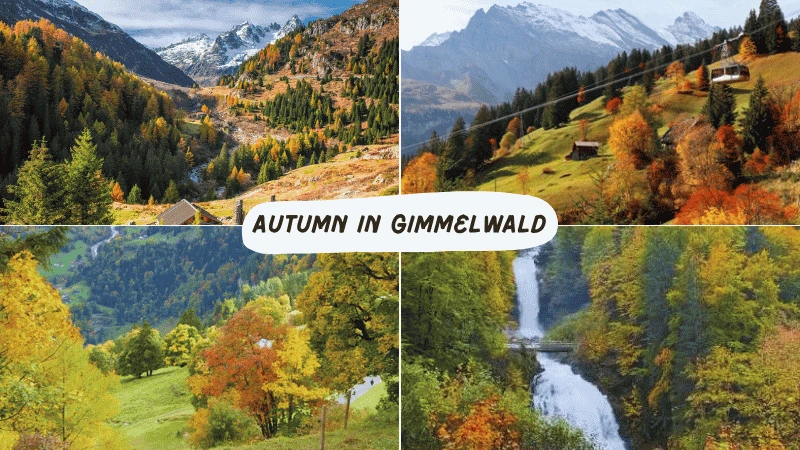
Gimmelwald clings to a ledge above the valley, and no cars reach it. You arrive by cable car from Stechelberg, or you walk down from Mürren. Dark wooden chalets line the lanes. Farmers still make cheese here, and cows graze on the steep slopes. As a result, the village feels real and unhurried. Please remember that people live and work here. Stay on marked paths, and keep your voice low in the lanes.
The walk from Mürren to Gimmelwald takes about 40 minutes, mostly downhill. Along the way, you’ll pass meadows, waterfalls, and huge cliffs. Additionally, the Schilthorn cable car climbs to 2,970 meters for a 360-degree panorama. Film fans will recognize its revolving restaurant from a 1969 James Bond movie. Overall, Gimmelwald rewards anyone who slows down.
Lake Brienz, Brienz, and Giessbach: Turquoise Water and Wooden Houses
Lake Brienz: A Glacier-Fed Jewel
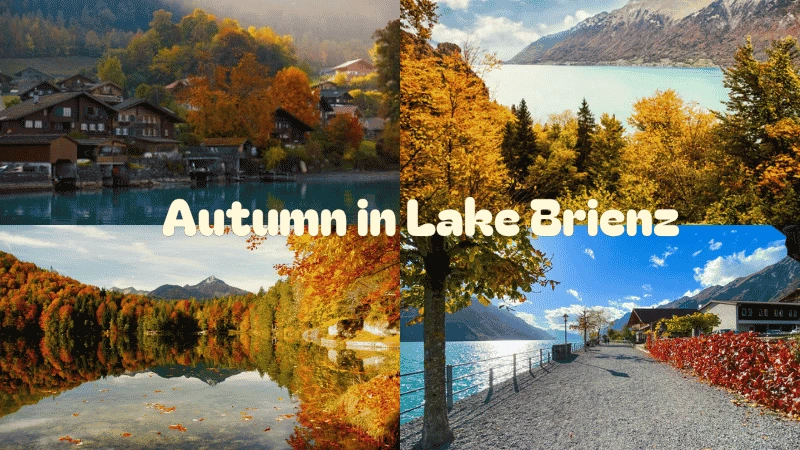
Lake Brienz glows a deep turquoise, and the color shifts with the light. Fine glacial silt from mountain rivers gives the water its unusual tint. The lake stretches about 14 kilometers between Interlaken and Brienz. In autumn, mist often hangs over the surface at dawn. Therefore, sunrise here feels almost dreamlike. Scenic boats cross the lake in the warmer months, but schedules shrink as winter nears. Check the timetable before you plan a cruise. For photos, shoot from the shoreline path at dawn, when the water lies still.
Brienz: The Woodcarving Town
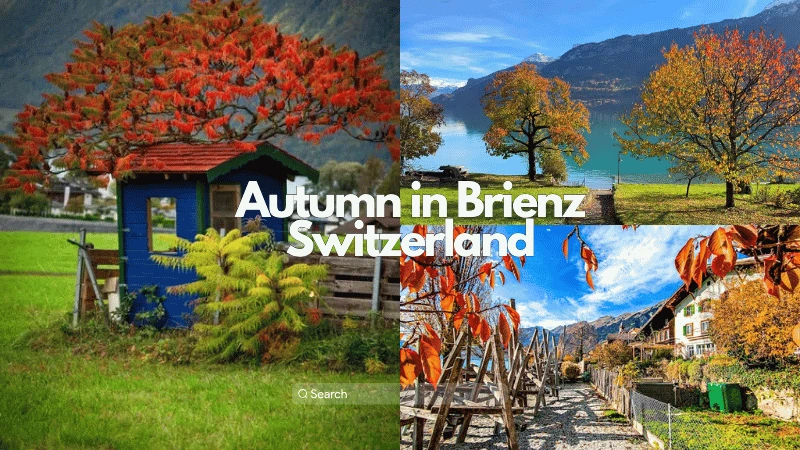
Brienz has a proud craft tradition. Local artists have carved wood here for centuries, and a respected woodcarving school still trains young carvers. Violin makers also work in the area. Walk the main street and peek into the workshops. Buy a small carving as a souvenir, because it lasts far longer than a fridge magnet.
Nearby, the Ballenberg open-air museum shows old farmhouses and crafts from across Switzerland. It stays open until late October, so it fits an autumn trip well. Meanwhile, the Brienz Rothorn Bahn, a steam cog railway, climbs to a summit above the lake. Its season also ends in October, so plan ahead.
Giessbach Falls: Cascades Above the Lake
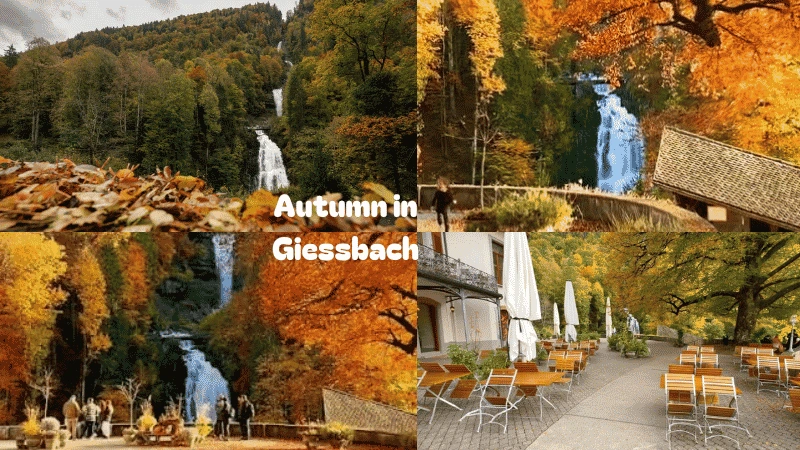
Giessbach Falls tumble down the mountainside in a long series of cascades. To reach them, take a short boat ride from Brienz to the Giessbach dock. Then ride the historic funicular up to the grand Belle Époque hotel. The funicular opened in 1879, and it counts among Europe’s oldest. Trails lead close to the falls, so you can feel the spray on your face. In autumn, red and gold leaves frame the water.
For photos, stand on the viewing bridges and use a slow shutter speed. This blurs the water into silk while the leaves stay sharp. Visit on a weekday morning if you want fewer people.
Kandersteg and Blausee: Alpine Lakes and Golden Larches
Kandersteg: A Hiking Paradise for Autumn in Switzerland
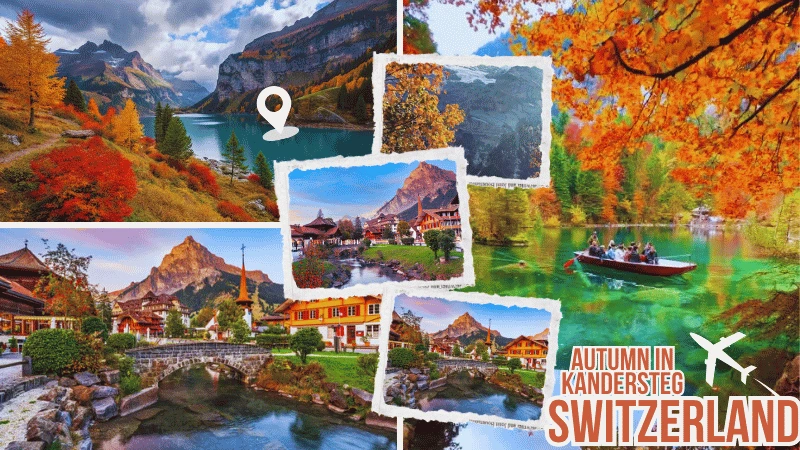
Kandersteg feels calmer than the Jungfrau villages. Tall mountains ring a flat, green valley, and hiking trails start right from town. The main draw is Oeschinensee, a large alpine lake above the village. A gondola lifts you close to it, and then a short walk leads to the shore. The water shines emerald green and mirrors the cliffs. In October, golden larch trees add even more color.
Furthermore, a trail follows the lakeshore for anyone who wants a longer day. Some sections climb steeply, so wear sturdy boots. Meanwhile, the quiet Gasterntal valley offers wild rivers and old forest. It makes a peaceful escape when the main trails feel busy. You may also meet groups of young scouts here, because Kandersteg hosts a large international scout center.
Blausee: A Lake So Clear It Looks Unreal
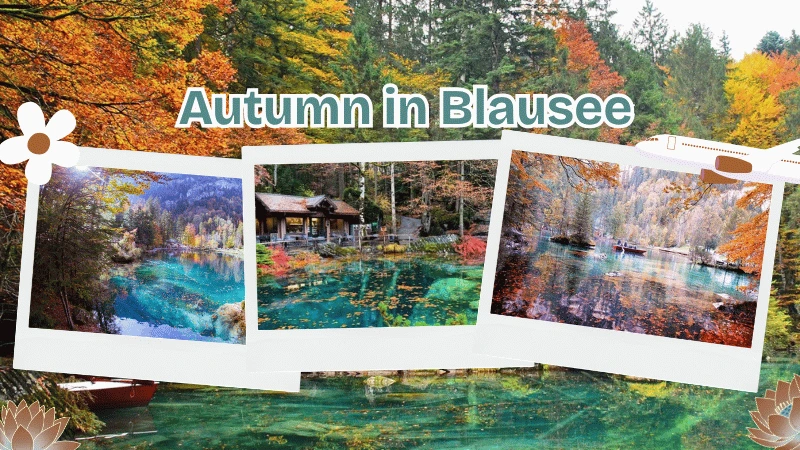
Blausee lies a few minutes from Kandersteg by bus or car. This small lake sits inside a peaceful forest park. The water looks so clear that you can spot every sunken log on the bottom. Furthermore, the blue turns richer when sunlight hits the surface. A local legend links the lake to a shepherd’s tears, though most visitors simply come for the calm.
A small entry fee applies. Walk slowly, sit on a bench, and watch the trout drift by. Afterward, try fresh trout at the lakeside restaurant. Photographers should come on a still, cloudy morning, because soft light reduces glare and deepens the blues.
Appenzell: Green Hills and Living Traditions
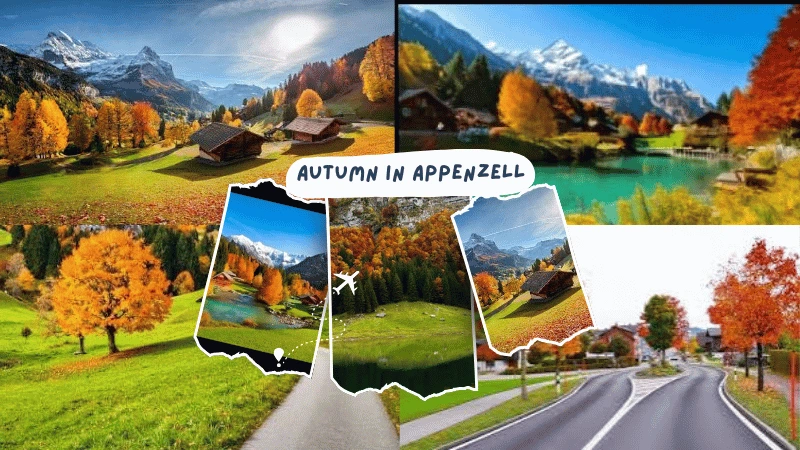
Appenzell lies in northeastern Switzerland, far from the Bernese Oberland. However, it deserves a spot on any autumn route, because it shows a different side of autumn in Switzerland. The name comes from Latin words meaning “the abbot’s cell.” This hints at a link with the old abbey of St. Gallen. Today, the village charms visitors with painted house fronts, flower boxes, and cozy inns. Meanwhile, rolling green hills and rugged limestone peaks surround the town.
Food also plays a big role here. Appenzeller cheese ages in a secret herbal brine, so it tastes strong and spicy. Pair it with local bread after a chilly walk. For views, ride the cable car from Wasserauen up to Ebenalp. A cliffside guesthouse clings to the rock nearby, and it makes a memorable photo. Alternatively, head to Säntis, the highest peak in the Alpstein range, at 2,502 meters. For village photos, shoot the painted houses in early light, before the day-trippers arrive.
Autumn also brings cattle parades. Farmers bring their animals down from the summer pastures and dress them with flowers and bells. Then they lead the herds through the villages while locals cheer. Dates vary each year, so check local calendars before you go. Alternatively, head to Säntis, one of Switzerland’s most breathtaking viewpoints, the highest peak in the Alpstein range, at 2,502 meters.
Travel Tips for Autumn in Switzerland
Best Time to Visit
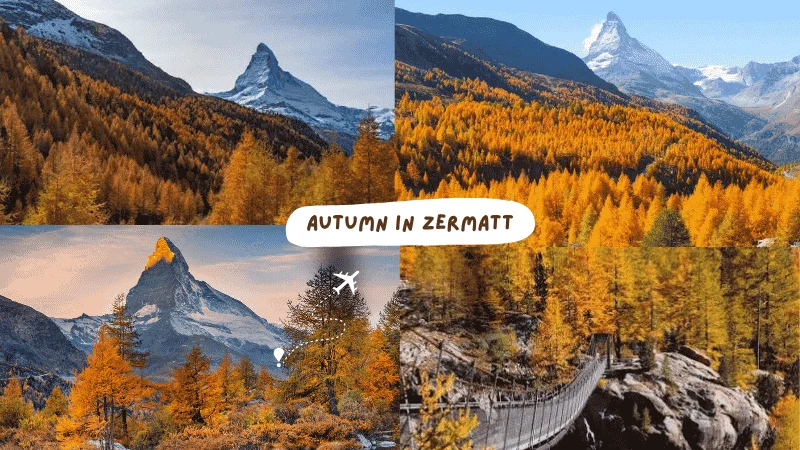
Late September to mid-October gives the best fall colors in the valleys. Higher up, larches turn gold in October. However, the weather changes fast. Days often stay mild and bright, but mornings feel cold. Therefore, pack layers, a waterproof jacket, and good boots. Snow can also dust the high peaks by mid-October.
In addition, many lifts and mountain restaurants close for maintenance from late October through November. Check timetables before you plan a big hike. Finally, remember that daylight gets shorter, so start your walks by mid-morning.
How to Reach
Fly into Zurich or Geneva, since both airports have train stations. From Zurich, trains reach Interlaken in about two hours, usually with a change in Bern. Interlaken then makes an ideal base. Trains run from Interlaken Ost to Lauterbrunnen, Grindelwald, and Brienz in under 40 minutes each.
From Lauterbrunnen, a cog railway serves Wengen, and a PostBus runs to Stechelberg for the Gimmelwald cable car. For Kandersteg, take a train via Spiez. Blausee sits a short bus ride away. Appenzell is a separate trip, and trains from Zurich take around two hours. A Swiss Travel Pass or Half Fare Card can save money on trains, boats, and many mountain lifts.
Things to Know Before Visiting
Switzerland costs a lot, so budget for meals and mountain lifts. Cards work almost everywhere, though small mountain huts sometimes prefer cash in Swiss francs. Tap water is safe to drink, and village fountains offer free refills. Most shops close on Sundays, so buy snacks on Saturday.
German is the main language, but many people speak English. Greet people with a friendly “Grüezi” when you enter a shop. Similarly, keep farm gates closed and give cows plenty of space. Finally, book rooms early for weekends, because autumn attracts many hikers.
Conclusion
Autumn in Switzerland turns familiar mountain scenery into something truly special. From the waterfalls of Lauterbrunnen to the painted streets of Appenzell, each stop offers color, calm, and character. You can hike above the clouds in Grindelwald, watch mist drift over Lake Brienz, and stare into the clear waters of Blausee. Plan your route, pack warm layers, and leave time to wander. Once you experience autumn in Switzerland, you may never want to visit in another season.
Explore More Destinations
Ready for your next adventure? Keep exploring our travel guides, hidden gems, scenic destinations, travel tips, and adventure experiences. Each guide helps you plan smarter and travel with more confidence. Start with a place that excites you, and let your curiosity lead the way.
FAQ Section
Late September through mid-October offers the best fall colors, especially in valleys like Lauterbrunnen and Kandersteg. Higher elevations, such as Grindelwald’s trails, peak in gold larch color through mid-to-late October.
Yes, autumn in Switzerland brings fewer crowds, crisp air, and stunning golden larches. Trails stay open, prices dip slightly, and photography light is especially soft and warm during this season.
Interlaken makes an ideal base, with fast train connections to Lauterbrunnen, Grindelwald, Wengen, and Brienz, all reachable in under 40 minutes.
Most major lifts run through October, but many mountain restaurants and smaller lifts close for maintenance by late October or November. Always check schedules before planning a hike.
Yes, Gimmelwald offers a quieter, car-free alternative to busier villages like Grindelwald. It suits travelers who want authentic alpine life over larger resort towns.