I still remember the first time I stood in a Swiss mountain village and looked at a coffee bill. The view was perfect. The price made me laugh out loud. A few years later, I sat in a stone guesthouse in northern Albania and paid a fraction of that for a full dinner. That contrast sparked this guide.
The debate over the Albanian Alps vs Swiss Alps is growing fast. Travelers want big peaks, but they also want fair prices and quiet trails. Therefore, this guide compares both regions honestly. We will look at cost, crowds, scenery, hiking, culture, and travel logistics. By the end, you will know which range fits your trip best.
Albanian Alps vs Swiss Alps: The Big Picture
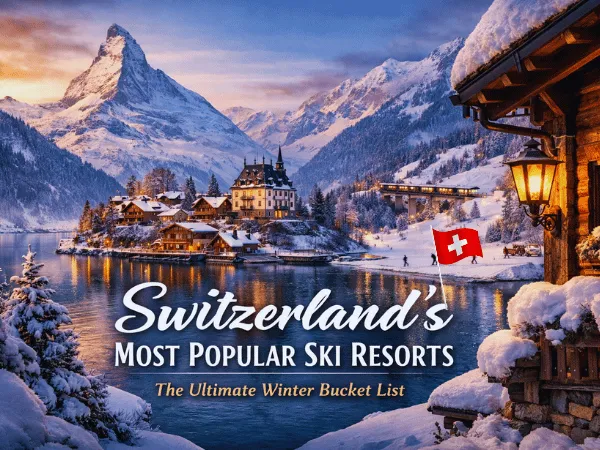
Let’s start with the basics. The Swiss Alps stretch across much of Switzerland. They include famous peaks like the Matterhorn, the Eiger, and Jungfrau. The region has cable cars, cog trains, and polished villages. Everything runs on time, and everything is well marked.
The Albanian Alps sit in the far north of Albania, near the borders with Montenegro and Kosovo. Locals call them Bjeshkët e Namuna, which means the Accursed Mountains. The name sounds scary. However, the mountains feel wild and welcoming at the same time. Peaks here rise above 2,500 meters, and Maja Jezercë reaches about 2,694 meters.
The two ranges feel very different. Switzerland offers comfort and precision. Albania offers raw beauty and simple hospitality. Moreover, the gap between them keeps shrinking as word spreads about Albania. Still, the difference remains huge today.
Cost Comparison: Which Alps Cost Less?
Money often decides this debate, so let’s start here.
Daily Budget in the Swiss Alps
Switzerland is one of the most expensive countries in the world. A simple mountain hut dinner can cost 30 to 40 Swiss francs. A hotel room in a popular village often costs over 200 francs per night. Cable car tickets add up quickly. For example, a trip to the Jungfraujoch can cost well over 200 francs per person.
Budget travelers do have options. Hostels, self-catering apartments, and supermarket picnics help a lot. Additionally, the Swiss Travel Pass can save money on trains and boats. Even so, most travelers should plan for a high daily budget.
Daily Budget in the Albanian Alps
Northern Albania costs far less. A guesthouse room with dinner and breakfast often runs 30 to 45 euros per person. Traditional meals cost just a few euros. A coffee usually costs less than one euro. Prices change by season and village, so check current rates before you go.
Because of this, a week in the Albanian Alps can cost about the same as two days in Switzerland. That gap makes Albania a strong choice for long trips. Furthermore, you can hire a local guide without breaking your budget.
The Real Cost Verdict
Albania wins on price by a wide margin. However, Switzerland gives you more infrastructure for the money. You pay for safety, speed, and comfort. In contrast, Albania gives you value and authenticity. Choose based on what you want to buy.
Crowds: Where Can You Find Peace?
Crowds shape a mountain trip more than most people admit. A perfect trail feels ordinary when a hundred people walk it with you.
Swiss Alps Crowds
Switzerland gets busy, especially in July and August. Popular spots like Lauterbrunnen, Grindelwald, and Zermatt fill with tour groups. Viewpoints get crowded by mid-morning. Trains and cable cars can sell out. As a result, you often need to book ahead.
Yet Switzerland still hides quiet corners. Smaller valleys in Graubünden and Valais stay calm even in summer. Similarly, early starts on the trail give you space to breathe. I once had a whole ridge to myself at 7 a.m., only a short walk from a busy lift station.
Albanian Alps Crowds
The Albanian Alps feel much quieter. Valbona and Theth are the main hubs. They now welcome more visitors each year, especially in July and August. Still, the trails rarely feel packed. You may meet a few hikers, a shepherd, and a herd of goats. That is about it.
That said, the famous Valbona to Theth trek has grown popular. On peak summer days, you may share the trail with dozens of hikers. Meanwhile, side trails and lesser-known peaks stay almost empty. Therefore, a little extra effort brings real solitude.
Scenery: Comparing the Mountain Views
Both ranges deliver stunning views. However, they show their beauty in different ways.
Swiss Alps Scenery
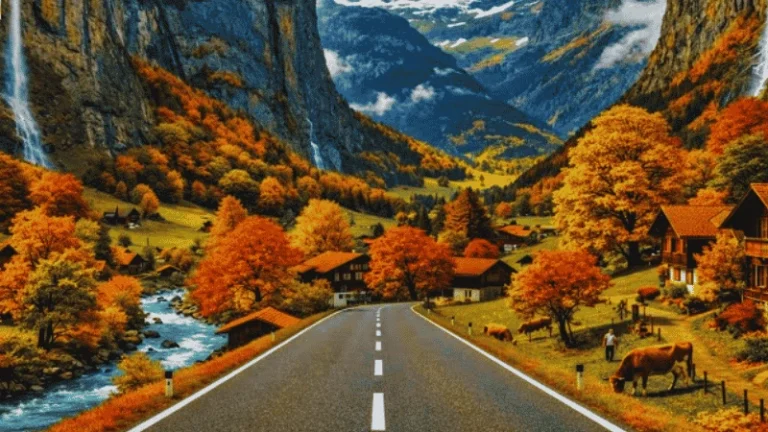
Switzerland offers the classic Alpine postcard. Think snow-capped giants, glaciers, turquoise lakes, and flower-filled meadows. The Matterhorn rises like a stone pyramid. The Aletsch Glacier flows like a frozen river. Every view looks perfectly arranged.
Additionally, the scenery feels easy to reach. A train ride can take you from a lake to a glacier in hours. Therefore, even casual visitors can see dramatic peaks without hard hiking.
Albanian Alps Scenery
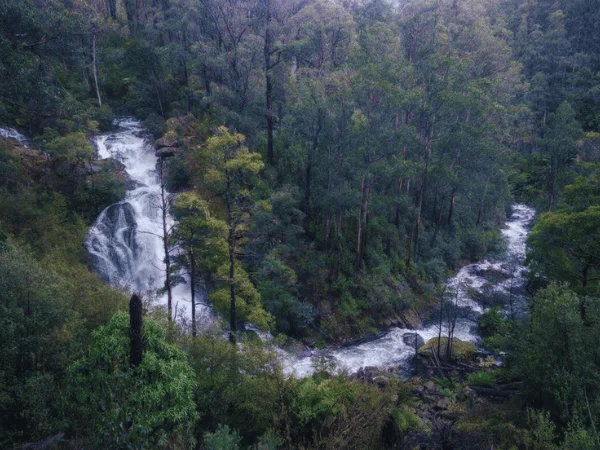
The Albanian Alps look sharper and rougher. Limestone spires rise above deep green valleys. Rivers run clear and cold. Stone houses dot the slopes. Old wooden bridges cross wild streams. In fact, the landscape feels like an older, quieter version of the Alps.
The Blue Eye of Theth and the Grunas Waterfall stand out. Valbona Valley offers wide meadows framed by huge cliffs. Lake Komani sits nearby, and its steep fjord-like shores are a highlight. Overall, Albania offers fewer glaciers but more raw drama.
Photography Opportunities
Photographers will enjoy both regions. In Switzerland, try Lake Oeschinen, the Lauterbrunnen Valley, and the Bachalpsee near Grindelwald. Sunrise light on the Matterhorn is unforgettable.
In Albania, shoot the Valbona Valley at sunrise, when mist fills the low meadows. Additionally, the Theth village churchyard makes a lovely foreground for peak shots. Locals in traditional clothes also make great portraits, but always ask first. Finally, bring a zoom lens for distant peaks and a wide lens for valley views.
Hiking and Outdoor Activities
Hikers get excellent options in both regions. The style differs a lot, though.
Hiking in the Swiss Alps
Swiss trails are clear, well marked, and easy to follow. Yellow signs tell you distance and time at every junction. Mountain huts serve meals and offer beds. Moreover, the transport network lets you hike one way and ride back.
Popular routes include the Eiger Trail, the Five Lakes Walk near Zermatt, and the Tour du Mont Blanc. The Haute Route attracts serious trekkers. Beyond hiking, Switzerland offers skiing, paragliding, canyoning, and mountain biking.
Hiking in the Albanian Alps
Albanian trails feel more adventurous. Markings exist, but they fade in places. Some paths cross rocky slopes or stream beds. Therefore, a good map, a GPS app, and a bit of trail sense help a lot.
The Valbona to Theth hike is the star. It covers about 15 kilometers and crosses the Valbona Pass at roughly 1,800 meters. Most people finish in six to eight hours. The Peaks of the Balkans trail is a longer route. It links Albania, Montenegro, and Kosovo in one big loop. Many hikers also enjoy the easy walk to the Blue Eye of Theth and the Grunas Waterfall.
Culture, Food and Local Life
Culture shapes a trip as much as scenery does.
Swiss Mountain Culture
Swiss villages blend tradition and modern comfort. You will see wooden chalets, cowbells, and alpine dairies. Food tends to be rich and hearty. Try raclette, rösti, and fondue after a long hike. Additionally, cheese lovers can visit working alpine dairies in summer.
People are polite and efficient. Service runs smoothly. Meanwhile, English is widely spoken, so communication is easy.
Albanian Mountain Culture
Albanian mountain life feels traditional and warm. Families run most guesthouses. Hosts often serve homemade bread, cheese, yogurt, and grilled meat. Many also pour a small glass of raki as a welcome. Refusing too firmly can feel impolite, so accept a sip with a smile.
The region has a deep history. For centuries, mountain clans followed a spoken code called the Kanun. It set rules for hospitality, honor, and family. Today, the code’s spirit of hospitality still shows. In Theth, you can even visit the Lock-in Tower, which explains this old tradition. As a result, a stay here teaches you as much as it entertains you.
Travel Tips and Visitor Information
Now let’s cover the practical side of planning a trip to either range.
Best Time to Visit
Switzerland works well in nearly every season. Summer, from June to September, suits hiking. Winter, from December to March, suits skiing. Early autumn brings golden larches and fewer people. Spring can be muddy, and some lifts close.
The Albanian Alps have a shorter window. Most guesthouses open from late May to early October. The best hiking months are June, July, and September. July and August are warm and busy. In contrast, June and September feel calmer, with pleasant weather. Snow can linger on high passes into early summer, so check conditions first.
How to Reach
Reaching the Swiss Alps is simple. Zurich, Geneva, and Basel airports link to the rail network. Trains reach most major mountain villages. Buses and cable cars cover the rest. You can travel without a car very easily.
Reaching the Albanian Alps takes more planning. First, fly into Tirana. Then take a bus or a private transfer to Shkodër. From there, a minibus runs to Theth, and a ferry across Lake Komani leads toward Valbona. The Komani ferry is scenic and a highlight on its own. Schedules can change, so confirm times with your guesthouse. Hiring a driver is another option, and it saves time.
Things to Know Before Visiting
A few tips will make your trip smoother.
- Money: Switzerland uses Swiss francs. Albania uses the lek, though many guesthouses accept euros. Carry cash in Albania, since ATMs are rare in the mountains.
- Language: Swiss regions speak German, French, Italian, or Romansh. Albanians speak Albanian, and younger locals often speak some English.
- Safety: Both regions are safe for travelers. However, mountain weather changes fast. Always pack rain gear and warm layers.
- Mobile signal: Coverage is strong in Switzerland. In contrast, signal in Albanian valleys can be weak. Download offline maps before you go.
- Booking: Reserve Swiss huts and popular hotels early. Book Albanian guesthouses ahead in July and August.
- Respect: Dress modestly in Albanian villages, and greet locals warmly.
Also remember that road conditions in northern Albania can be rough. Therefore, allow extra time for every transfer.
Nearby Attractions Worth Adding
You can extend either trip with nearby stops.
Near the Swiss Alps, consider Lake Lucerne, the Rhine Falls, and the medieval streets of Bern. The Italian lakes are also close. Meanwhile, the Bernina Express train ride crosses spectacular mountain scenery.
Near the Albanian Alps, visit the old town of Shkodër and its hilltop Rozafa Castle. Lake Shkodër is a peaceful spot for a sunset stroll. Additionally, you can cross into Montenegro to see Lake Plav or the Prokletije region. Kosovo’s Rugova Canyon also lies close to the border. Finally, the beaches of the Albanian Riviera make a great reward after a week of trekking.
Which One Should You Choose?
So, which side wins the Albanian Alps vs Swiss Alps debate? It depends on your travel style.
Choose Switzerland if you want comfort, easy transport, and iconic peaks. It suits families, first-time mountain visitors, and anyone who values smooth logistics. You will pay more, but you will get reliability.
Choose Albania if you want value, quiet trails, and real cultural contact. It suits adventurous hikers and budget-minded travelers. You will face rougher roads and simpler rooms. However, you will also get memories that feel personal and unspoiled.
For me, the answer changes with the trip. Sometimes I want a smooth cable car and a perfect view. Other times, I want a stone guesthouse and a long, quiet trail.
Conclusion
The Albanian Alps vs Swiss Alps comparison shows two very different mountain worlds. Switzerland delivers polished beauty, top transport, and famous scenery at a high price. Albania delivers wild peaks, low costs, and warm hospitality with fewer people. Neither range is better in every way.
Therefore, match the destination to your priorities. Pick Switzerland for ease and iconic views. Pick Albania for value and adventure. Even better, visit both over time. Each one will show you a different side of Europe’s great mountain landscapes.
Explore More Destinations
Ready for your next adventure? Keep exploring our travel guides to uncover hidden gems, scenic destinations, and peaceful nature escapes around the world. You will also find practical travel tips and adventure ideas to help you plan your next trip with confidence. Start browsing, get inspired, and let your next journey begin.
FAQ Section
Yes, by a wide margin. A guesthouse in the Albanian Alps often includes dinner and breakfast for about 30 to 45 euros per person. In Switzerland, a mountain hotel room alone can cost over 200 francs per night. Prices change by season, so check current rates before you book.
The Swiss Alps are far busier, especially in July and August. Popular spots like Lauterbrunnen and Zermatt fill with tour groups. The Albanian Alps stay quieter, though the Valbona to Theth trek gets busy on peak summer days.
June, July and September are the best months. Most guesthouses open from late May to early October. June and September bring calmer trails and pleasant weather. Snow can linger on high passes into early summer.
Fly into Tirana, then travel by bus or private transfer to Shkodër. From there, a minibus runs to Theth. For Valbona, many travelers take the scenic Lake Komani ferry. Schedules change, so confirm times with your guesthouse.
Yes, if you want value, quiet trails and local culture. The Swiss Alps offer easier transport and famous glaciers. The Albanian Alps offer wilder peaks, warm hospitality and much lower costs. Your choice depends on your budget and travel style.