A small train rattles north out of Kyoto, and the city falls away fast. Half an hour later, you step onto a quiet platform beneath cedar-covered slopes. From there, a forest path climbs over Mount Kurama and drops into a valley lined with shrine lanterns. This is the Kurama to Kibune hike, one of Kyoto’s best half-day escapes.
Mid-November adds another reason to go. Maples across the mountain turn red and gold, and the shrine lights its stone stairway at dusk. This guide explains how to reach the trailhead, what the route is like, and which fees to expect. It also lists the closures that matter this season.
Why the Kurama to Kibune Hike Is Worth Your Day
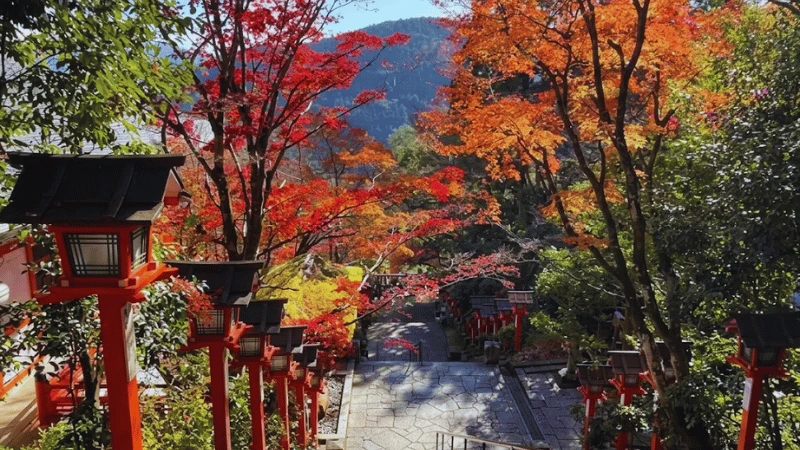
This trail links two very different places. Kurama is a mountain temple with steep steps and tengu legends. Kibune is a riverside hamlet known for clear water, glowing lanterns, and an atmospheric shrine.
The route is also gentle by hiking standards. Keihan Electric Railway describes the path as well maintained and says the two-hour walk suits novice hikers. Even so, wear shoes with proper grip.
Best of all, the hike feels far from Kyoto’s busiest temples. Tall cedars shade the path, and roots snake across the ground. Yet you still enjoy plenty of culture, because you pass a major temple and a historic shrine in one day.
A Short History of Mount Kurama and Kibune
Kurama-dera dates back to the year 770, according to Keihan. Over the centuries, the mountain became a place of study and legend. Local stories link it to tengu, the long-nosed mountain spirits, and to the young warrior Minamoto no Yoshitsune.
Kurama-dera’s official website (in Japanese) adds that the temple appears in The Tale of Genji. It also notes that the poet Sei Shonagon found the zigzag road up Kurama far longer than its nearness to Kyoto suggested. You will understand her point on the steps.
Kibune has an equally old story. The main shrine moved to its present site in 1055 after floods swept away the original. Kyoto’s tourism site explains that Kifune means “noble boat”, from a legend about the goddess Tamayorihime sailing upstream to find a water source.
How to Get to Kurama and Kibune from Kyoto
Start at Demachiyanagi Station, the terminus of the Keihan Main Line. Transfer to the Eizan Railway, known as Eiden, and ride the Kurama Line to Kurama Station. The trip takes about 30 minutes.
Eizan is a private railway, so the Japan Rail Pass does not cover it. Major IC cards such as ICOCA and Suica work on board. Trains run often by day, but check the timetable before you leave.
Ride the Kirara Panoramic Train
Some services use the Kirara panoramic train. Its large windows and window-facing seats make the ride a highlight. It runs between Demachiyanagi and both Kibuneguchi and Kurama, so wait for it if the delay is short.
The Momiji Tunnel
Between Ichihara and Ninose stations, the line passes through the Momiji Tunnel. Keihan says about 280 maples line a 250-metre stretch, glowing red in autumn. The trees are lit at night in the season, so watch for them on the ride back.
You can also start from the Kibune side. Ride to Kibuneguchi Station, then take a short local bus or walk about 30 minutes to the shrine. Most hikers still begin at Kurama.
Kurama to Kibune Hike: Step-by-Step Route
Most hikers walk from Kurama to Kibune. This direction visits the temple first and finishes with a gentler descent into the village. Allow about two hours of walking, plus time at the temple and shrine.
Step One: Kurama Station and the Niomon Gate
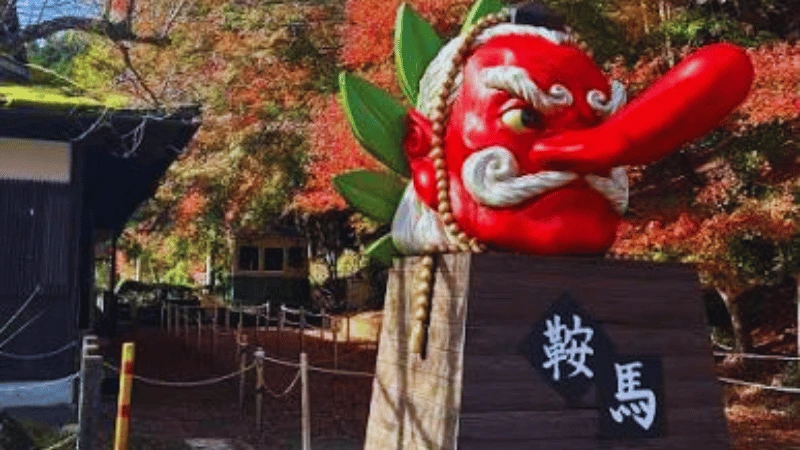
A giant tengu statue greets you outside Kurama Station. Follow the village street to the Niomon gate, only minutes away. Here you pay the mountain fee, which is ¥500 on the temple’s official site. Carry cash to be safe.
Step Two: The Climb to the Main Hall
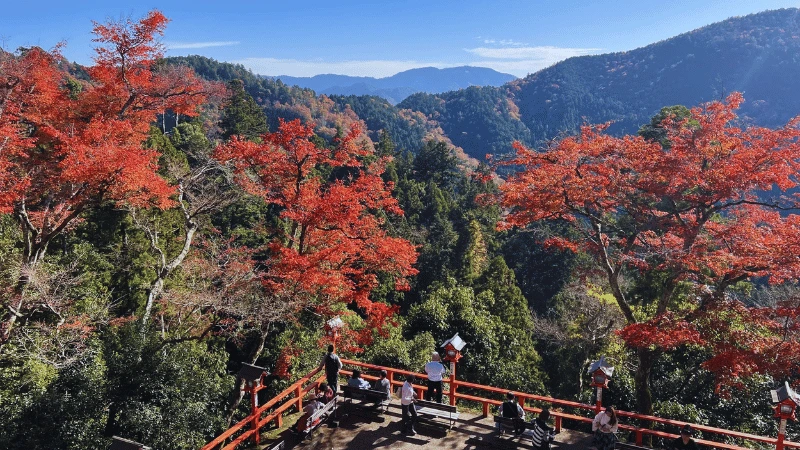
From the gate, the path to the main hall takes about 30 minutes on foot, says the temple. The route zigzags up through tall cedars. The temple keeps paths as natural earth and leaves fallen trees where they lie, so expect roots and uneven stone.
You can ride the temple cable car instead, at ¥200 one way for adults. It spares your legs, though it will not shorten your day much. Walk if your knees allow, and save the cable car for a tired companion.
Step Three: The Kinone Michi Ridge Path
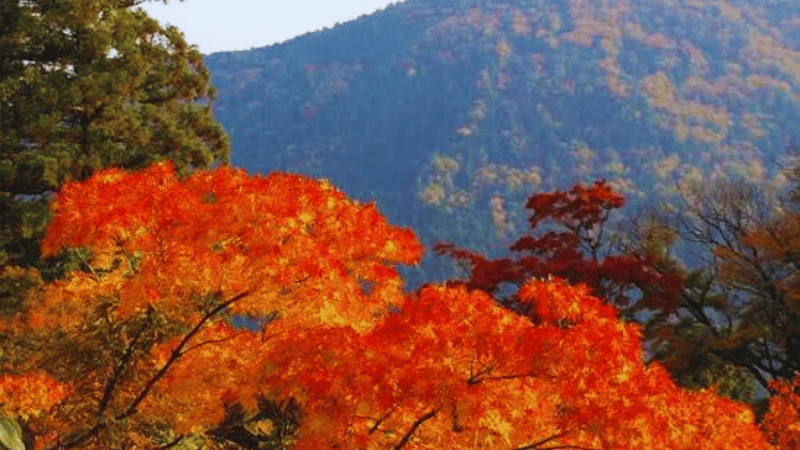
Beyond the main hall, the trail crosses the ridge on the Kinone Michi, the path of tree roots. Thick roots spread across the ground like uneven stairs. The canopy keeps this section cool and shaded. Go slowly and watch every step.
Along the way, you pass small halls and sites tied to Yoshitsune’s legend. The trail is well marked, but an offline map is a smart backup.
Step Four: The Descent to Kibune
The trail finally drops into the Kibune valley and meets the village near Kifune Shrine. The last stretch is downhill, so your legs will thank you. After the shrine and lunch, take a bus or walk down the valley to Kibuneguchi Station.
Things to Do in Kibune
Kibune is small, yet full of atmosphere. Kifune Shrine anchors the village beside the Kibune River.
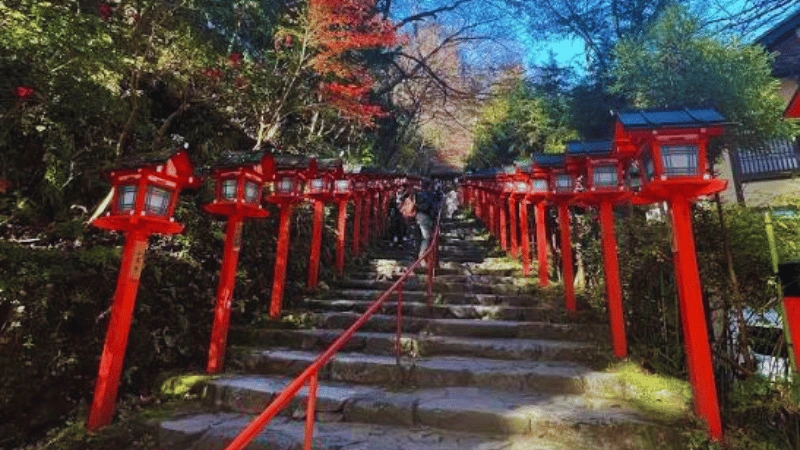
Kifune Shrine and Its Three Sites
A visit covers three sites: the main shrine, the Yui no Yashiro middle shrine, and the rear shrine. The middle shrine is famous for matchmaking. According to the shrine’s official website, entry is free, and the main shrine is open from 6:00 to 20:00 between May and November.
Water Fortune Slips
The shrine is known for its water fortunes. You buy a blank slip and float it on the sacred spring. Words slowly appear on the paper. It is a small ritual, but a memorable one.
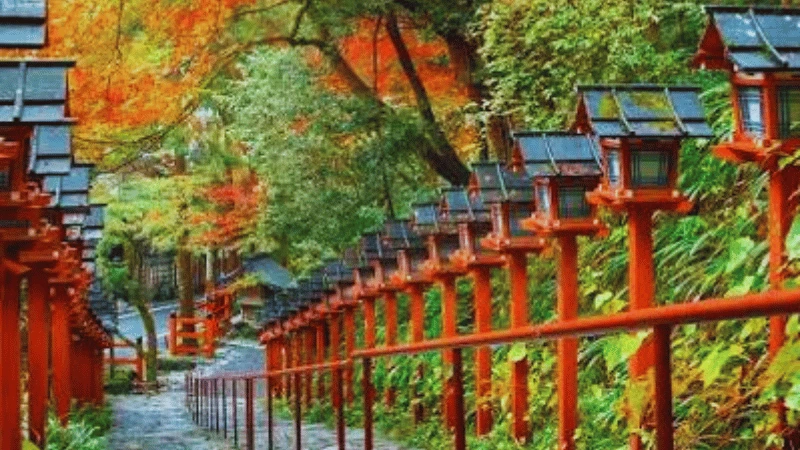
Lantern Stairs and Autumn Light-Up
Stone lanterns along the main path glow every day from sunset until closing. In addition, a special autumn illumination runs from 1 to 24 November, from sunset until 20:30. Because it ends soon, plan your visit early if you want to see it.
Riverside Dining
In summer, Kibune restaurants build dining platforms above the stream, a tradition called kawadoko. The season usually runs from May to September, and reservations are wise. In autumn, you will eat indoors, but the window views still impress.
Best Time to Visit the Kurama to Kibune Trail
Autumn is the star season. The Japan Meteorological Corporation’s October forecast places peak red maple colour in Kyoto around 11 December, with yellow ginkgo leaves near 27 November. Mountain valleys can differ from the city, though, and sources disagree on whether Kurama and Kibune turn earlier or later. Therefore, check live foliage reports before you go.
If you love autumn hikes, compare this trail with our guides to autumn in Val Bavona and fall colours across Switzerland.
Spring, Summer, and Winter
Spring brings cherry blossoms to the same trail, and early summer turns the maples fresh green. July and August feel humid, although the cedar canopy helps. In winter, days are short, and the shrine closes earlier from December to April. The temple museum also shuts from 12 December until the end of February.
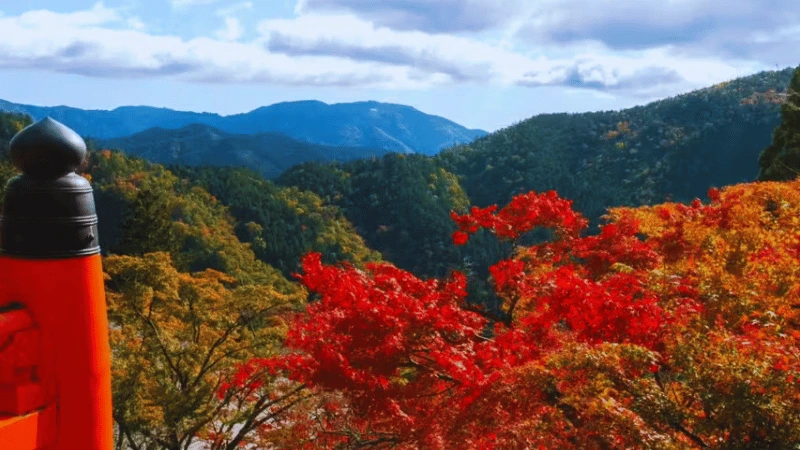
Photography Tips for Kurama and Kibune
Forest light is dim, so raise your ISO or steady your camera. Overcast days soften shadows and deepen the red leaves. For the lantern stairs, arrive near sunset, or come early for quieter shots. On the train, wipe the window first and shoot fast through the Momiji Tunnel.
Be considerate, too. Do not block narrow steps, and step aside so other hikers can pass.
Travel Tips and What to Pack
Fees are small, but they add up. These are the main costs listed by the temple and shrine at the time of writing.
- Kurama-dera mountain entry: ¥500
- Cable car, one way: ¥200 for adults and ¥100 for younger children
- Kurama museum (Reihoden): ¥200
- Kifune Shrine entry: free, with the water fortune sold separately
- Eizan Railway fare: check the fare table at the station
Pack shoes with good grip, a light rain jacket, water, snacks, cash, and an offline map. Layers help, because the forest stays cool.
Important Things Visitors Should Know
Check opening times first. The temple’s homepage lists the main hall as open from 9:00 to 16:15. The cable car’s first ride up leaves at 8:40, and the last ride down leaves at 16:25.
Note two closures. The cable car does not run on the morning of 27 November because of inspection, and it stops again from 21 to 25 December. The museum closes on Tuesdays and from 12 December until the end of February.
Daylight matters in late autumn. Sunset in Kyoto falls before 5 pm in late November, and the forest darkens sooner. Start by mid-morning, and finish the ridge in daylight.
Dogs may walk on the mountain, but not on the cable car or inside the halls. Strollers and wheelchairs are unsuitable, since the mountain paths and Kifune’s stairways have many steps. Confirm details before you travel, because hours and fees can change.
Nearby Attractions
Add one more stop to make a fuller day. Kurama Onsen, near Kurama Station, is a popular spot for a soak after the hike. Check its website for current prices and hours.
From Kibuneguchi, ride back toward Ichijoji. Keihan suggests Shisen-do Temple, a hillside retreat with a bamboo-lined approach, followed by ramen on Ichijoji’s ramen street. Shisen-do opens from 9:00 to 17:00, with last entry at 16:45.
If forest walks with water views appeal to you, try our guide to the Caldeirão Verde hike in Madeira, which follows an old levada to a hidden waterfall.
Kurama’s famous fire festival takes place each year on 22 October, so you can plan a return trip.
Final Thoughts on the Kurama to Kibune Hike
The Kurama to Kibune hike packs a temple, a ridge forest, a shrine, and a riverside village into one easy day. It asks for about two hours of walking, a few hundred yen in fees, and a good pair of shoes. In return, you see quiet Kyoto at its most atmospheric.
Go in the morning, travel light, and let the season set your pace. For another Japanese mountain escape, read our guide to Kamikochi, the car-free alpine valley in the Japan Alps.
Explore More on LessExplore
If this guide inspired your next trip, there is plenty more to discover on LessExplore. Browse our worldwide travel guides to hidden gems, scenic escapes, hiking trails, waterfalls, and adventure experiences. For another lantern-lit autumn evening in Asia, see our guide to the Sukhothai Loy Krathong festival in Thailand.
Frequently Asked Questions About the Kurama to Kibune Hike
Plan on about two hours of walking, according to Keihan. Add time for the temple, the shrine, and lunch, and the whole day takes four to five hours.
No, it is gentle and well maintained. However, it includes steps and tree roots, so wear shoes with good grip and take your time.
Kurama-dera charges ¥500 for mountain entry, and Kifune Shrine is free. The cable car costs ¥200 one way for adults. You also need to pay the Eizan Railway fare.
Most hikers walk from Kurama to Kibune. You visit the temple first and finish with a downhill walk into the village.
Forecasts put peak red colour in Kyoto around 11 December, but mountain areas can differ. Check live foliage reports and the shrine’s illumination dates, which run from 1 to 24 November.