When most people picture autumn in Switzerland, they imagine golden larches above Zermatt or vineyards along Lake Geneva. But tucked into the mountains of Ticino is a valley that feels far more personal. Autumn in Val Bavona means granite hamlets glowing in low sunlight, a waterfall roaring after the rains, and quiet paths with hardly anyone else on them.
Val Bavona is unusual in every season. Its stone villages were never connected to the power grid, so they still look much as they did centuries ago. In autumn, the summer crowds fade and the valley’s last busy weeks feel calm and golden. If you enjoyed our guide to autumn in Switzerland, this is the hidden gem to add next. In this guide, you’ll learn why autumn suits Val Bavona so well, the best walks, how the season works, and how to get there before the valley closes for winter.
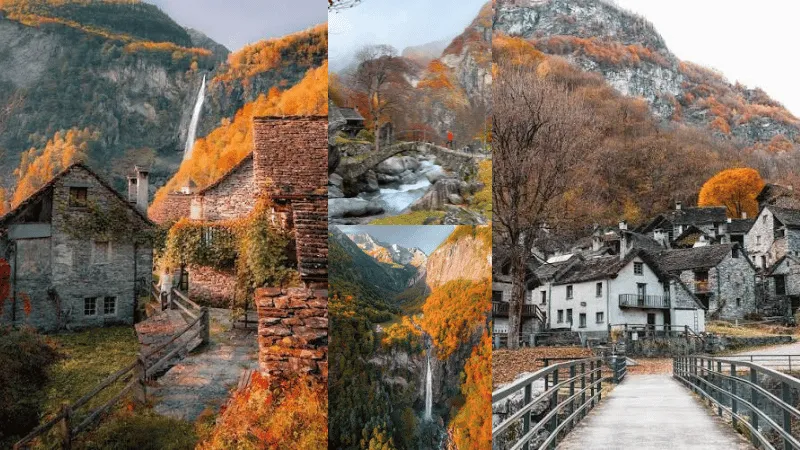
Autumn in Val Bavona at a Glance
- Location: A side valley of the Maggia Valley (Vallemaggia) in Ticino, southern Switzerland, north-west of Locarno.
- Best autumn window: September to October. The valley’s season usually ends at the close of October.
- Highlights: Foroglio waterfall, stone hamlets, easy valley walks and Ticino’s autumn food traditions.
- Electricity: None from the grid, except in San Carlo at the head of the valley.
- Getting there: Bus 315 from Locarno to Bignasco, then PostBus 333 up the valley (seasonal).
- Language: Italian, as in the rest of Ticino.
Research date: 12 November 2026. Bus seasons, cable car dates and opening periods change each year, so check official sources before you travel.
Why Visit Val Bavona in Autumn?
Val Bavona is a narrow, 10-kilometre valley between Cavergno and San Carlo. It has twelve small hamlets, known locally as terre, scattered along the valley floor. According to the regional tourism office, they’re only lived in during the warmer months. That makes autumn a special time. It’s the final chapter of the valley’s year, just before families close their stone houses and head down for winter.
There are several good reasons to come now. First, the summer rush is over, so the paths and hamlets are much quieter. Second, the air is cool and fresh, which is ideal for walking. Third, the light is softer. The sun sits lower in the sky, and the grey granite takes on warm tones in the late afternoon. Finally, autumn rain often brings the Foroglio waterfall back to full power after drier summer weeks.
In fact, Val Bavona has been getting more attention recently. In 2025, the Swiss Foundation for Landscape Conservation named it Landscape of the Year. Visiting in autumn is a great way to see it at its most peaceful.
A Valley That Never Plugged In
Part of Val Bavona’s charm is its history. People first settled here around a thousand years ago. For centuries, they lived in the valley all year, keeping goats and cattle, growing rye and cutting timber. However, repeated natural disasters linked to deforestation made year-round life too risky. Between roughly 1500 and 1600, families moved down to Cavergno and Bignasco and began using the hamlets only in summer.
That seasonal rhythm still shapes the valley. Even more remarkable, all the villages except San Carlo are still not connected to mains electricity. This is despite three hydroelectric power plants operating in the valley. Ticino’s tourism office says around 300 GWh of hydropower is produced here. Yet the stone cottages rely on solar panels, gas, small turbines, candles and oil lamps.
The valley didn’t have a proper road until the 1950s. It was added to the federal inventory of protected landscapes in 1983. Since 1990, the Valle Bavona Foundation has worked to protect its hamlets, dry stone walls and farming terraces. On an autumn evening, when lamps flicker in the windows instead of electric lights, that history feels very close.
Best Things to Do in Val Bavona in Autumn
1. Watch the Foroglio Waterfall After the Rain
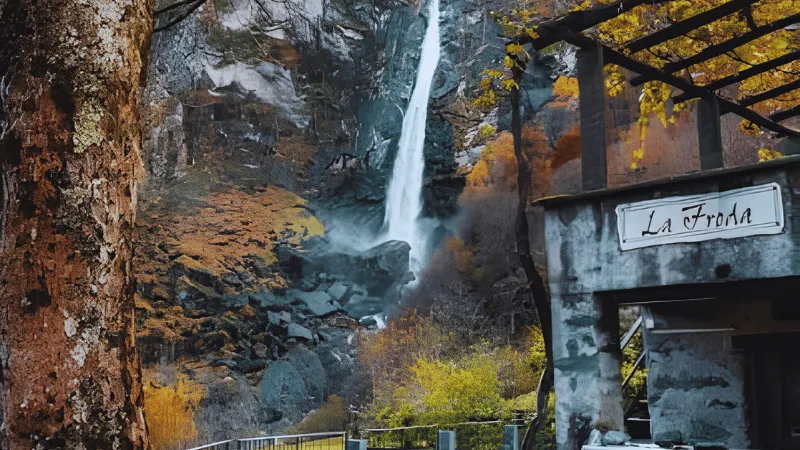
The Foroglio waterfall is the valley’s star attraction. The water plunges over a sheer rock wall beside the hamlet of Foroglio. Sources differ slightly on its height. Ticino’s tourism board says 108 metres, while Switzerland Tourism says 110 metres. Either way, it’s one of the highest waterfalls in Ticino.
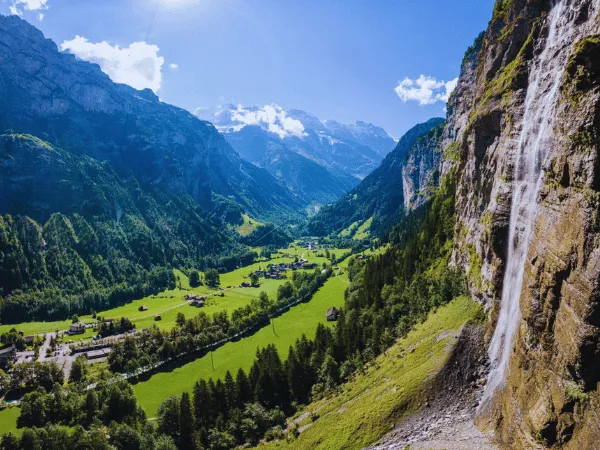
From the Foroglio car park, Switzerland Tourism says the walk to the falls takes about 15–20 minutes. After autumn showers, the spray can be strong, so bring a waterproof jacket and protect your camera. Love waterfall trips? Pair this with our guide to the Lauterbrunnen Valley and its 72 waterfalls.
2. Walk Through the Stone Hamlets
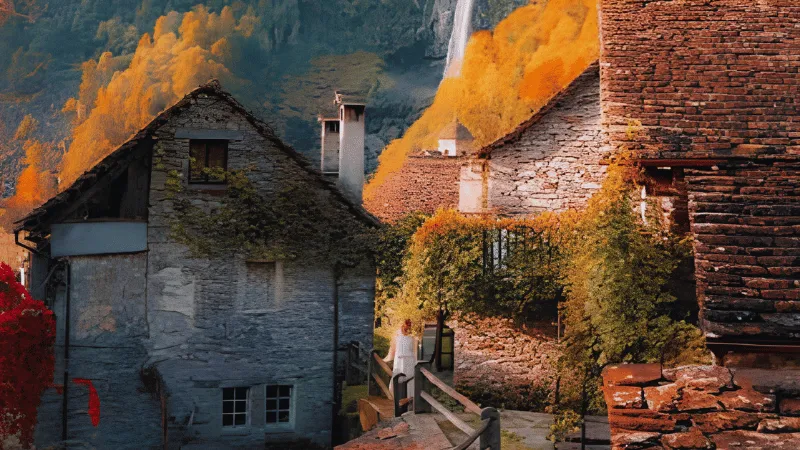
Autumn is perfect for slow walks between the hamlets. Foroglio is the best known, with rustic cottages, small vegetable gardens and a chapel from the 15th century. Further up, Sonlerto has a rye granary built in 1591, and the church at Gannariente dates from 1595. Look closely and you’ll also notice splüi. These are spaces under giant boulders that locals turned into homes, stables and cellars.
People also carried soil onto the tops of boulders to make tiny fields, often called hanging meadows or hanging gardens. As the season changes, these hidden corners are quiet and atmospheric. Please remember that the houses are private homes, so stay on the paths.
3. Hike the Valley From Sonlerto to Bignasco
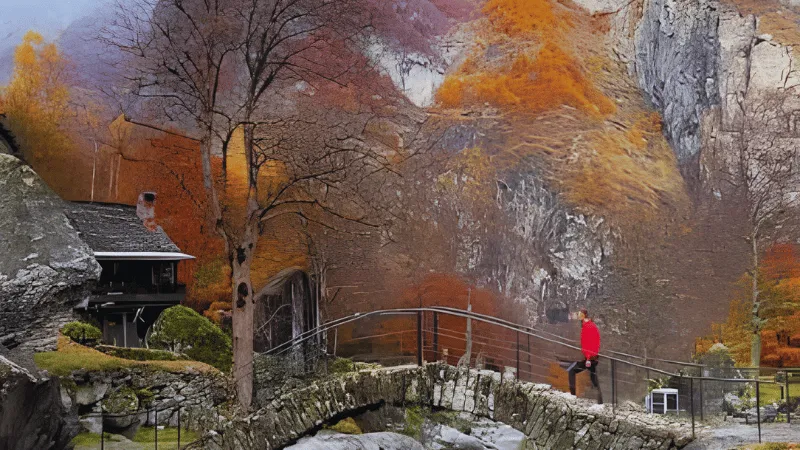
The classic Val Bavona walk follows the valley floor downhill. Take the PostBus up to Sonlerto, then walk back past Roseto, Foroglio and Sabbione towards Bignasco. Switzerland Tourism lists the Sonlerto–Foroglio–Bignasco route at about 2.5 hours. It’s mostly downhill and family-friendly.
Want a shorter option? The Ascona-Locarno tourism office describes a 4.5 km “Places of Power” walk from Fontana to the Foroglio waterfall, taking about 1.5 hours. For a longer day, the full Bignasco–San Carlo route is about 12.8 km and takes around 4 hours 20 minutes uphill. Note that the same office reports that storms in summer 2024 destroyed a large part of the hamlet of Fontana, so expect signs of repair work.
4. Climb to Val Calnègia
For a more adventurous autumn hike, take the steep stone stairs beside the Foroglio waterfall. They lead to Puntíd, with its historic stone arch bridge, and into Val Calnègia. This wild side valley is about 3 km long and only reachable on foot.
Switzerland Tourism suggests 3–4 hours for the Foroglio–Calnègia–Foroglio round trip. Wear sturdy shoes, as the path is steep and rocky. Also, there’s no mobile network in Val Calnègia. In autumn, days are shorter, so start early and finish well before dark.
5. Ride to Robiei Before It Closes
At the head of the valley, San Carlo is the base for the San Carlo–Robiei cable car. Its operator says the ride is about 4 km long and takes roughly 15 minutes. At the top, you’ll find alpine lakes and trails at the foot of the Basòdino, Ticino’s largest glacier.
Timing matters in autumn. The cable car runs for the public only in the warmer months, usually from mid-June to around early October. For example, in 2022 it ran until 9 October. So if Robiei is on your list, plan for September or the first days of October, and check the official timetable first.
6. Taste Ticino’s Autumn Traditions
Autumn is harvest season across Ticino, and chestnuts are a big part of it. In the past, families dried them in small stone buildings called grà. According to Ticino Turismo, a fire burns inside for about three weeks, between October and November. One of the few working grà is in Moghegno, further down Vallemaggia, where the tradition is still kept alive each year.
You’ll also see autumn dishes on menus around Locarno and Vallemaggia. Look out for chestnut specialities and cicitt, a long goat sausage that the Ascona-Locarno tourism office says is only produced in Vallemaggia and Valle Verzasca. In Val Bavona itself, Ristorante La Froda in Foroglio is open from April to October, so it’s a good lunch stop on an early autumn visit.
Autumn Photography Tips for Val Bavona
Autumn is one of the best seasons to photograph Val Bavona. Here are a few ideas to get great shots:
- Go mid-morning or late afternoon. The valley is deep and narrow, so some hamlets stay in shade for long periods. Softer side light brings out the texture of the stone.
- Frame the waterfall with the village. Shoot from the meadow in front of Foroglio to include both the houses and the falls.
- Look for details. Stone roofs, wooden doors, granaries and mossy walls look wonderful against autumn colours.
- Use a cloudy day. Overcast weather is ideal for the waterfall and forest paths, as it reduces harsh contrast.
When Is the Best Time for Autumn in Val Bavona?
For most travellers, the best time to visit Val Bavona in autumn is September to mid-October. In September, the weather is often mild, buses and restaurants are still running, and the Robiei cable car is usually open. In early October, the valley is quieter and the woods begin to turn.
Late October is the last chance of the season. According to the 2025 PostBus timetable, line 333 from Bignasco to San Carlo ran from 1 April to 31 October. Ristorante La Froda in Foroglio also closes after October. From November to March, the hamlets are mostly empty, services are very limited, and you’ll need your own transport. If you visit then, check road and weather conditions carefully.
How to Get to Val Bavona
By Public Transport
First, take bus 315 from Locarno station to Bignasco, Posta, at the mouth of Vallemaggia. Then change to PostBus line 333, which runs up the valley to Foroglio, Sonlerto and San Carlo. On the 2025 timetable, the full journey from Locarno to San Carlo took roughly 1.5 hours. Groups must book ahead, and bike spaces are limited. Locarno has good train links to the rest of Switzerland.
By Car
Driving is also possible. Follow the main road from Locarno up Vallemaggia to Bignasco, then continue on the narrow valley road towards San Carlo. There’s parking near Foroglio. Drive slowly, especially on narrow sections, and give way to buses.
Autumn Travel Tips and What to Pack
- Layer up. Mornings can be cold in the shaded valley, while afternoons can feel warm in the sun.
- Pack a rain jacket. Autumn showers are common, and the waterfall spray is strong after rain.
- Wear good shoes. Wet leaves and rocky paths can be slippery.
- Bring cash and snacks. Facilities are limited, and many places close at the end of October.
- Plan around daylight. Days get shorter quickly in autumn, so start hikes early.
- Stay out of the river. Switzerland Tourism warns that bathing is dangerous, especially at high water.
Nearby Autumn Escapes
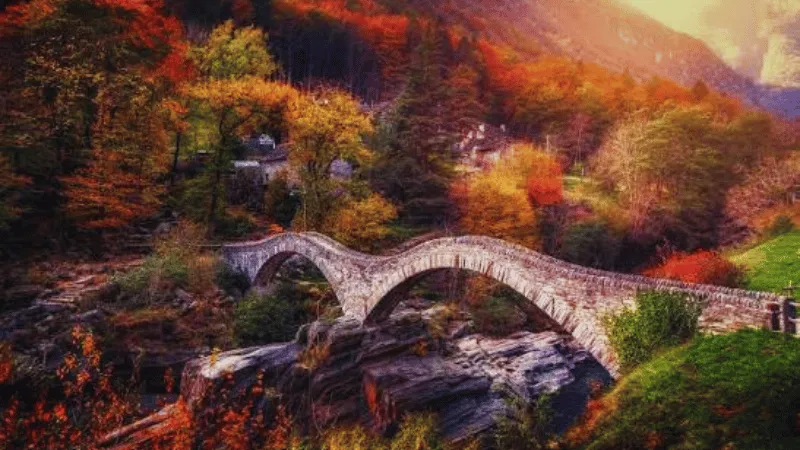
Val Bavona fits neatly into a wider Ticino autumn trip. Base yourself in Locarno, on Lake Maggiore, and explore the villages of Vallemaggia by bus. Next door, Valle Verzasca is another beautiful Ticino valley in autumn, known for the double-arched Ponte dei Salti at Lavertezzo. If you’re planning a longer Swiss itinerary, our list of beautiful spots in Switzerland you must visit will help you link Ticino with the Alps. For another lake that shines in the shoulder season, read our Oeschinensee Kandersteg guide.
Important Things to Know Before You Go
- The season ends in October. Buses, restaurants and the cable car run only in the warmer months.
- Timetables change every year. Always check the latest PostBus and Robiei cable car times.
- Weather can change quickly. Heavy rain raises the river fast. Avoid steep paths and the water during storms.
- The hamlets are lived in. Respect private property, keep noise down and take your rubbish home.
For official visitor details, see Switzerland Tourism’s page on the Bavona Valley and Foroglio waterfall, the Ascona-Locarno Valle Bavona guide, and the San Carlo–Robiei cable car website.
Conclusion: Is Autumn in Val Bavona Worth It?
Absolutely. Autumn in Val Bavona is quiet, atmospheric and deeply Swiss in a way most visitors never see. You can walk between centuries-old stone hamlets, feel the spray of the Foroglio waterfall and taste Ticino’s chestnut season, all without the summer crowds. Come in September or early October, take the bus up the valley and walk back down. It’s one of the most rewarding hidden autumn escapes in Switzerland.
Explore More on LessExplore
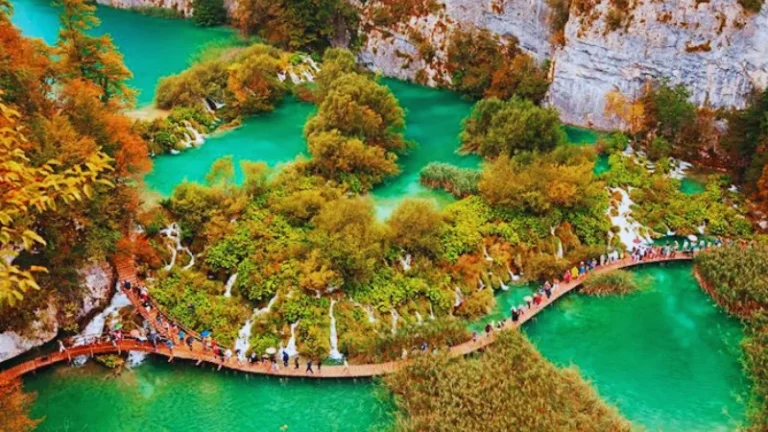
Looking for more quiet mountain places? See how Switzerland compares with a wilder alternative in our Albanian Alps vs Swiss Alps comparison. Or head to Croatia for autumn waterfalls at Plitvice Lakes National Park. Across LessExplore, you’ll find hidden gems, waterfalls, hiking routes and seasonal escapes from every continent.
Autumn in Val Bavona FAQs
Yes. September and early October are quiet, cool and great for walking. Buses and restaurants still run, and the stone hamlets look beautiful in the soft autumn light.
Most services end in October. On the 2025 timetable, PostBus line 333 ran from 1 April to 31 October, and Ristorante La Froda in Foroglio is open from April to October.
Only early in the season. It usually runs for the public from mid-June to around early October. Check the official San Carlo–Robiei cable car website for current dates.
Official sources differ slightly. Ticino Turismo says 108 metres, while Switzerland Tourism says 110 metres. It’s one of the highest waterfalls in Ticino.
Take bus 315 from Locarno station to Bignasco, then PostBus line 333 up the valley to Foroglio, Sonlerto or San Carlo. Line 333 runs seasonally.
Bus timetables, cable car seasons and opening periods can change. Always confirm current details with official sources before you travel. Last checked: 12 November 2026.