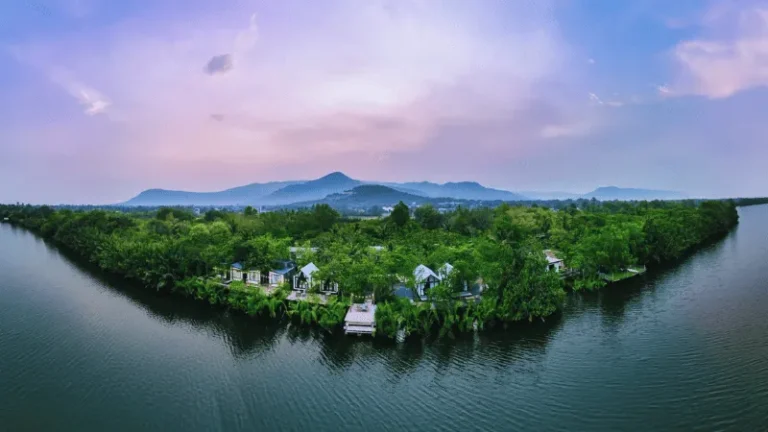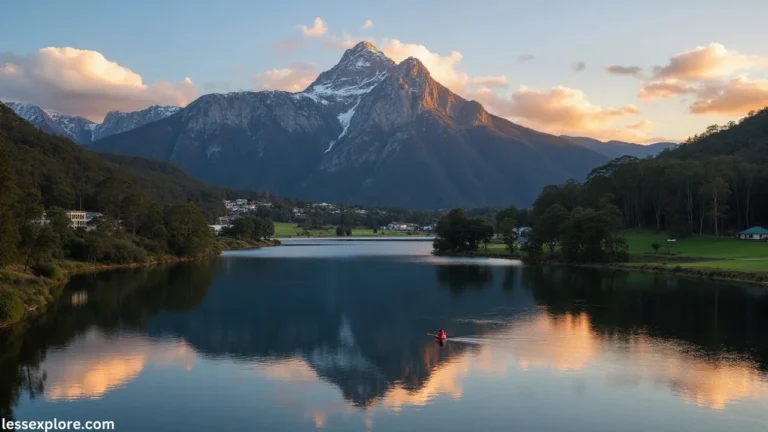
Clear green water, jagged peaks, and a forest path with almost no traffic noise. That is the first impression of Kamikochi in Japan’s Northern Alps. This guide to Kamikochi Japan explains how to reach the valley, which walks suit your fitness, and when to go. It also covers the practical details that trip planners often miss.
One timing note matters right now. The 2026 season ends with a closing ceremony on 15 November, so autumn visitors have only a short window left. Next year’s dates are not yet announced, which makes this a good time to plan ahead.
Kamikochi Overview: A Mountain Valley Without Cars
Kamikochi sits in the Nagano mountains, surrounded by peaks that tower above 3,000 metres. The valley follows the Azusa River, and most visitors spend their time on flat, well-kept paths beside it. Because of this, the area suits first-time hikers as much as seasoned trekkers.
The biggest surprise is the traffic rule. Private cars and motorcycles are banned from the valley all year, and that includes rental cars. As a result, the air feels clean and the soundtrack is mostly river and birdsong. You arrive by bus or taxi, then explore on foot.
The valley is also seasonal. According to Go Nagano’s Kamikochi travel guide, it opens between mid-April and mid-November. In winter, buses stop running and facilities close.
Best Time to Visit Kamikochi
Each part of the season offers something different. Your choice depends on whether you want flowers, cool summer air, or autumn colour.
Spring: Opening Day and Early Blooms
In 2026, the road opened on 17 April. Shuttles and taxis began entering the valley at 7:00 after a ceremony at the Kama Tunnel entrance. The official Opening Festival followed on 27 April. Spring is quiet and fresh, although higher paths can still hold snow. The Kamikochi walking guide notes that wildflowers carpet the Tokusawa area in white during May.
Summer: Cool Air and Long Days
Summer is busy, but the valley stays pleasantly cool compared with Japan’s cities. Tunnel access hours also run later in July and August, until 20:00 instead of 19:00. That extra time helps if you plan a long day. Even so, buses still finish earlier, so always check the last departure.
Autumn: Elms, Birches, and Fall Colour
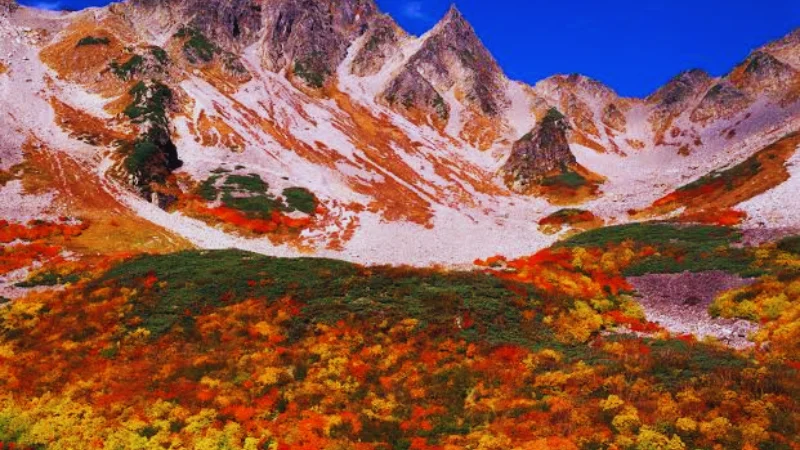
Autumn is the most photogenic season. Elms and birches along the river turn gold, and the mountains behind them often get early snow. Many travellers combine this with other alpine regions. If you enjoy colourful landscapes, you may also like our guide to autumn in Switzerland.

Winter: Closed to Normal Visitors
Entry is not legally banned in winter. However, no transport runs beyond the Kama Tunnel, roughly 1.3 km from the valley. Facilities are closed, and a climbing plan is mandatory for anyone going in. For ordinary travellers, winter is not a practical time to visit.
How to Get to Kamikochi
Because cars cannot enter, planning your route matters. Fares below come from a 2026 access guide updated on 2 November 2026. Prices can change, so check the operator before you travel.
From Matsumoto by Train and Bus
Matsumoto is the most common starting point. First, take the Kamikochi Line from Matsumoto Station to Shin-Shimashima. The ride takes about 30 minutes and costs ¥710. IC cards are not accepted on this line, so carry cash or buy a ticket.
Next, change to the bus for Kamikochi. This leg takes about 65 minutes and costs ¥3,100. Alternatively, the National Park Liner runs directly from Matsumoto Bus Terminal for ¥4,600. The earliest 5:30 departure carries a surcharge and costs ¥5,000.
From Tokyo
A reservation-only highway bus called Sawayaka Shinshu Go connects Shinjuku with Kamikochi. The daytime service leaves at 7:15 and arrives at 12:02, which is about 4 hours 47 minutes. An overnight service also exists. Daytime fares start from ¥10,000 and vary by date.
By Car: Park Outside, Then Take a Shuttle
Drivers must leave their vehicle outside the valley. On the Matsumoto side, the Sawando car park holds about 2,000 vehicles and charges ¥800 per day for a standard car. The shuttle bus from Sawando costs ¥1,600 one way or ¥3,000 return. It runs roughly every 30 minutes, and the ride takes about 30 to 35 minutes, depending on the source.
On the Takayama side, Akandana parking costs ¥600 per 24 hours. Its shuttle to the valley costs ¥1,500 one way or ¥2,800 return. Taxis may also enter the valley at zoned fixed rates, roughly ¥4,200 to ¥6,000 to the bus terminal.
Watch the Last Bus
The final buses leave the valley in the early evening. The last bus to Sawando departs at 17:30, and the last to Shin-Shimashima and Matsumoto leaves around 17:55. The last direct bus to Shinjuku departs at 15:50. As a rule, treat 17:30 as your real deadline, and allow extra time for walking back.
Best Walks and Highlights in Kamikochi
Nearly every route starts at the bus terminal. Walking times below come from the official Kamikochi walking guide. They are estimates, so allow extra time for photos and rests.
Kappa Bridge: The Heart of the Valley
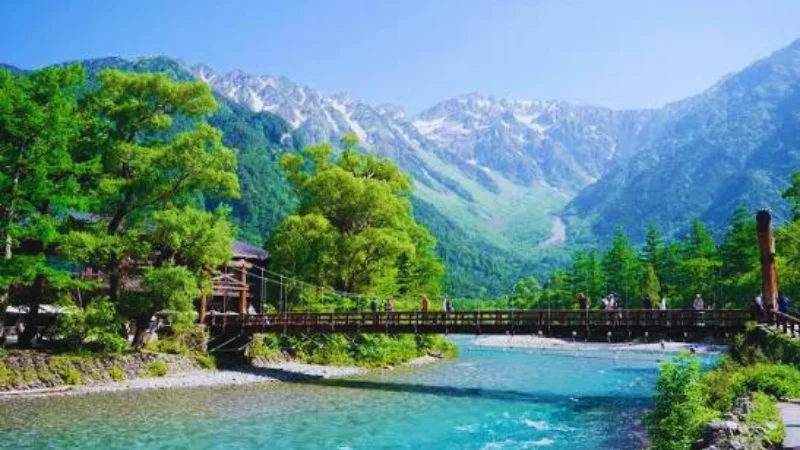
Kappa Bridge is only about six minutes (0.3 km) from the bus terminal. It is the valley’s best-known viewpoint and a natural place to start. From here, paths run along both sides of the river, so you can walk out on one bank and return on the other.
Short Loops for Beginners
If you have only a couple of hours, try a short loop. The walk from the bus terminal to Kappa Bridge, across Tashiro Bridge, and back takes about 55 minutes. Extending it to Tashiro Pond takes around 75 minutes. Both are gentle and suit families.
Taisho Pond Walk
The route from Kappa Bridge to Taisho Pond is rated suitable for beginners. The official guide gives a round trip of about 2.5 hours. The right bank takes around 75 minutes and 3.8 km each way. The left bank takes about 80 minutes and 4 km each way.
If you prefer a one-way day, the Go Nagano guide suggests a half-day course. It runs from Taisho Pond to Kappa Bridge and on to the bus terminal, taking about 3 hours 30 minutes.
Myojin Pond and Beyond
For a longer day, continue to Myojin. The round trip from Kappa Bridge takes about two hours, and the total distance is 5.5 km. The right bank is 3.0 km each way, while the left bank is 2.5 km. A small shrine stands here, and entry costs ¥500 for adults and ¥200 for elementary children.
Strong walkers can push on to Tokusawa, which the official guide lists as a four-hour round trip from Kappa Bridge. One access guide suggests a longer time, so treat this as a day for an early start. Mobile signal also thins out toward Myojin and Tokusawa.
Photography Tips
Early morning gives calm water and softer light. Therefore, take an early bus if reflections matter to you. In autumn, aim for the river bends where birches and elms frame the peaks. Always keep to marked paths while shooting.
A Simple One-Day Kamikochi Itinerary
A day in the valley works best with a clear plan. Here is one easy way to use your time, based on the walking times above.
Take an early bus from Matsumoto and reach the bus terminal in the morning. Visit the Kamikochi Visitor Center first, since it opens at 8:00. Then walk six minutes to Kappa Bridge for your first photographs. After that, follow the river toward Taisho Pond on the bank you prefer.
Rest at the pond, then return on the opposite bank. This gives you two different views of the same valley. The whole loop takes about 2.5 hours of walking, so you will have time for lunch and a slow stroll afterwards. If energy remains, add the short Tashiro Bridge loop near the terminal.
Finally, return to the bus terminal well before 17:30. This buffer protects you from missed connections. Strong walkers can swap the Taisho Pond route for Myojin Pond, which adds a small shrine and a quieter feel. Either way, keep a margin for the last bus.
Practical Tips for Visiting Kamikochi
Good preparation makes the day smoother. These tips cover the points most visitors ask about.
- Start early. Buses fill up, and the last departures leave in the early evening.
- Carry cash. Public toilets work on a tip system, and about ¥100 is customary.
- Check the Visitor Center. It is free and open from 8:00 to 17:00 during the season. Ask about trail conditions and wildlife notices.
- Use the baggage room. The bus terminal has one on the first floor, but there are no coin lockers.
- Dress in layers. Mountain weather changes quickly, even on easy paths.
- Take bear precautions. A bear bell is fine, and you should read any bear notices. Bear spray cannot be carried on flights, so do not pack it in your luggage.
Overnight stays are possible too. The Go Nagano guide lists Konashidaira, Tokusawa, and Yoko’o campgrounds, plus the Kamonjigoya lodge at Myojin. Book ahead where reservations apply.
Combine Kamikochi With Other Mountain Escapes
Kamikochi works well as a base for a wider alpine trip. Matsumoto and Takayama sit on either side, so you can build a loop around the valley. Elsewhere in the world, similar scenery awaits. For another viewpoint-led mountain trip, read about Säntis in Switzerland. Likewise, Grindelwald offers a different style of alpine base.
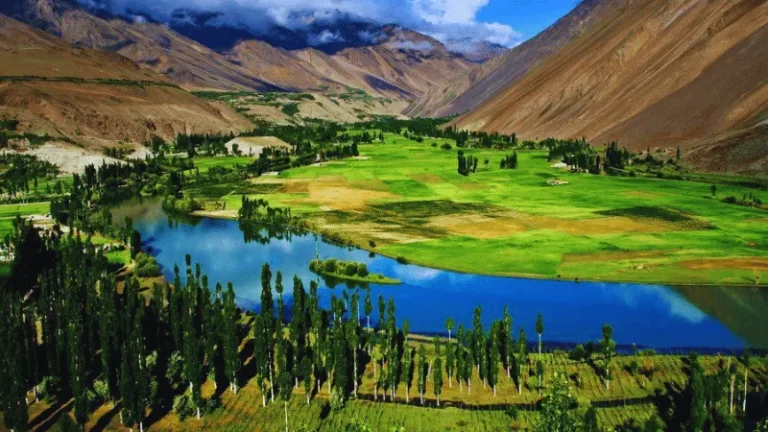
If remote valleys appeal to you, our guide to Phander Valley in Pakistan covers another quiet Asian mountain escape. Together, these places show how varied mountain travel can be.
Frequently Asked Questions About Kamikochi Japan
Kamikochi opens in mid-April and closes in mid-November. In 2026, the road opened on 17 April and the closing ceremony is on 15 November. Dates for 2027 were not announced at the time of writing, so confirm them before you book.
No. Private cars and motorcycles, including rentals, are banned all year. Drivers can park at Sawando or Akandana and take a shuttle bus into the valley.
Take the train to Shin-Shimashima, then a bus to the valley. Together, the trip takes roughly two hours. A direct National Park Liner bus from Matsumoto Bus Terminal is also available.
The walk from Kappa Bridge to Taisho Pond is rated suitable for beginners. It takes about 2.5 hours round trip. For something shorter, the Kappa Bridge and Tashiro Bridge loop takes about 55 minutes.
Yes. A day trip from Matsumoto is realistic if you leave early and watch the last bus time. An overnight stay gives you quieter mornings and more time on longer routes.
Final Thoughts on Visiting Kamikochi Japan
Kamikochi Japan rewards travellers who value quiet scenery over crowded sights. Its car-free valley, gentle riverside paths, and mountain backdrop make it one of the most pleasant walking destinations in Asia. Plan your transport carefully, start early, and choose a route that matches your energy.
Ready for more? Explore LessExplore for worldwide travel guides, hidden gems, waterfalls, hiking destinations, scenic escapes, and practical travel tips. Start with our Rigi Kulm guide for another memorable mountain day.
Fares, timetables, and opening dates change. Check official sources before you travel.