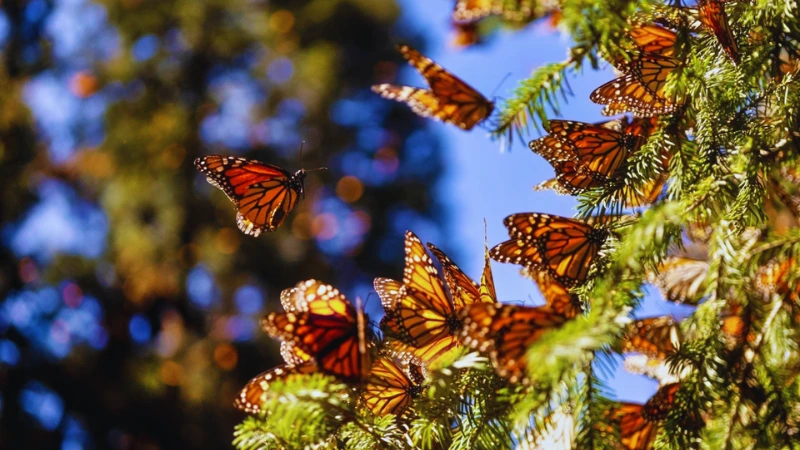
Imagine standing in a cold mountain forest at 3,000 metres. At first, the fir trees look oddly heavy and rust-coloured. Then the sun breaks through, the branches seem to melt, and millions of orange wings lift into the air at once. The sound is soft, almost like light rain. This is the monarch butterfly migration in central Mexico, and it is one of the greatest wildlife spectacles on Earth.
Every autumn, monarchs fly up to 4,000 km from Canada and the United States to spend the winter in a small patch of highland forest west of Mexico City. The 2026–27 season is now under way. The first butterflies reached El Rosario in late October, and Mexican authorities have announced that the monarch butterfly sanctuaries open to visitors on Friday, 20 November 2026. In this guide, you will find the confirmed dates, the best sanctuaries to visit, how to get there, current safety advice and the tips that make the trip worth every early alarm.
Monarch Butterfly Season 2026–27 at a Glance
- Opening date: 20 November 2026 for sanctuaries in both Michoacán and the State of Mexico (Estado de México), as announced by Michoacán’s Tourism Secretary, Roberto Monroy García, in early November 2026.
- Season length: Usually until around the end of March, depending on weather and colony conditions. No fixed closing date has been published yet.
- Peak viewing: Late December to February, with January and February the classic months.
- Where: The Monarch Butterfly Biosphere Reserve and nearby forests on the border of Michoacán and the State of Mexico, roughly 100 km northwest of Mexico City.
- Protection: The Monarch Butterfly Biosphere Reserve is a UNESCO World Heritage Site, inscribed in 2008.
- Altitude: Colonies sit at roughly 3,000 metres, so expect thin air and cold mornings.
- Typical hours: 9:00 am to 5:00 pm (reported for this season).
Research date: 11 November 2026. The opening date comes from official statements reported by Mexican media. Fees and the list of open sanctuaries can change, so check again before you travel.
Why the Monarch Migration Is So Special
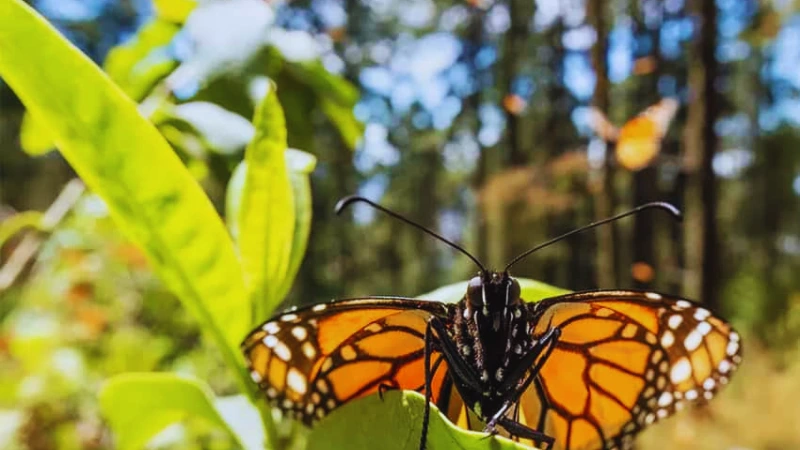
Most animal migrations happen over generations of experience. The monarch migration does not. The butterflies that arrive in Mexico each autumn have never made the journey before. In fact, they are the great-grandchildren of the monarchs that left Mexico the previous spring. Somehow, they still find the same mountain forests, sometimes even the same trees.
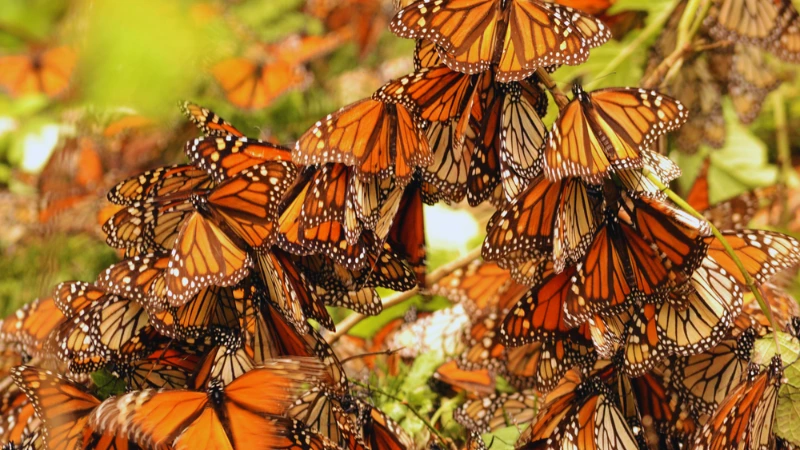
Once they arrive, the monarchs cluster on oyamel fir trees so densely that branches bend under their weight. The cool, humid forest acts like a natural refrigerator. It slows their metabolism, so they can survive the winter on stored fat. On warm, sunny afternoons, however, the colonies wake up. Thousands of butterflies drift down to streams to drink, and the air fills with flickering orange.
There is good news this year, too. According to figures from Mexico’s protected areas commission (CONANP) and WWF, the colonies covered about 2.93 hectares in winter 2025–26, up roughly 64% on the previous season. Local communities and officials have said they expect the population to grow again in 2026–27. Even so, monarch numbers remain far below their 1990s levels, so every visit should be a gentle one.
The Best Monarch Butterfly Sanctuaries to Visit
Several sanctuaries open to the public each season. They sit on both sides of the state line, and each has its own character. Here are the main ones reported for 2026–27.
Piedra Herrada (State of Mexico)
Piedra Herrada is the easiest sanctuary to reach from Mexico City, and it is the one we suggest for most first-time visitors. It sits beside the highway between Toluca and Valle de Bravo, about 30 to 45 minutes from Valle de Bravo. Reaching the colonies involves a steep uphill walk on a forest trail, which can take around an hour at altitude. Alternatively, you can hire a horse for most of the climb. Because it lies close to the capital, Piedra Herrada gets busy at weekends, so a weekday visit pays off.
Note that one local outlet did not include Piedra Herrada in its list of confirmed sites for this season, while others did. Confirm it is open before you set out.
La Mesa and El Capulín (State of Mexico)
La Mesa, in the municipality of San José del Rincón, is quieter and more rural. It suits travellers who want a calmer, community-run experience. El Capulín, in Donato Guerra, is another smaller option that has opened in recent seasons. Both are best reached with a local driver or tour.
El Rosario (Michoacán)
El Rosario, in the municipality of Ocampo, usually hosts the largest colony and is the most famous sanctuary. The trail climbs through the forest in a series of steps and paths, and horses are available for part of the way. It is also the most crowded site, especially on weekends in January.
Sierra Chincua and Senguio (Michoacán)
Sierra Chincua lies near the old mining town of Angangueo. Its trail is gentler than El Rosario’s, which makes it popular with families. Senguio, in the municipality of the same name, is smaller and sees fewer visitors.
Before you choose a Michoacán sanctuary, read the safety section below. Current UK government advice affects travel to this state.
Safety and Travel Advice for 2026
This is the part most monarch guides skip, but it matters. The UK Foreign, Commonwealth & Development Office (FCDO) currently advises against all but essential travel to the state of Michoacán, except for the city of Morelia, the town of Pátzcuaro and certain federal toll roads. The Michoacán sanctuaries, including El Rosario, Sierra Chincua and Senguio, are not on that list of exceptions. The FCDO page was last updated in late October 2026.
In contrast, the FCDO does not advise against travel to the State of Mexico. It does, however, ask visitors to take care, especially outside tourist areas and on public transport. For this reason, the State of Mexico sanctuaries, such as Piedra Herrada and La Mesa, are the more practical choice for most international travellers this season.
Other governments, including the United States, also publish state-by-state advice for Mexico. Check your own government’s latest advisory, and your travel insurance terms, before you book. Wherever you go, travel in daylight, use toll roads (cuotas) where possible, and consider a reputable licensed tour from Mexico City or Valle de Bravo.
Things to Do on a Monarch Butterfly Trip
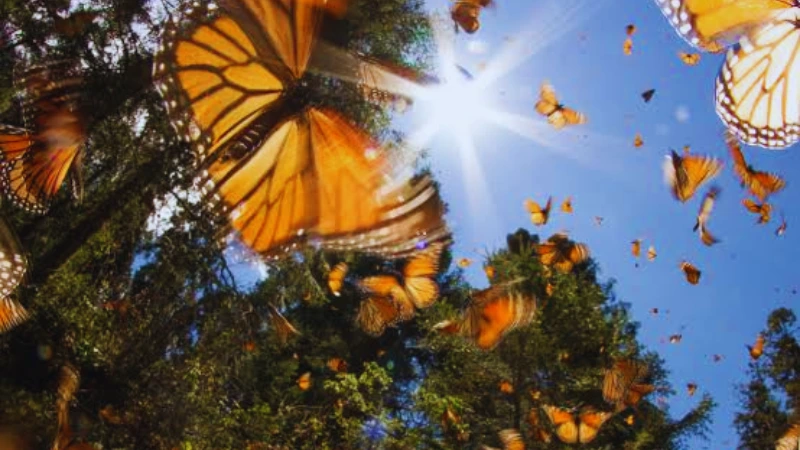
- Watch the colonies wake up. Arrive by late morning and wait for the sun. As the temperature rises, the clusters start to stir, then burst into flight.
- Ride a horse up the trail. Local ejido members rent horses at most sanctuaries. It saves energy at altitude and supports the community.
- Explore Valle de Bravo. This lakeside town in the State of Mexico has cobbled lanes, a pretty central square and boat trips on Lake Avándaro. It makes a perfect base for Piedra Herrada.
- Combine it with Morelia. If you are visiting Michoacán within the FCDO exceptions, the UNESCO-listed historic centre of Morelia is a beautiful city break on its own.
- Learn from your guide. Guides from the local communities protect these forests. Ask them about the trees, the butterflies and how the colonies change through the season.
Best Time to Visit the Monarch Butterfly Sanctuaries

The sanctuaries open on 20 November 2026, but early visits can be hit and miss. In late November and early December, the butterflies are still settling, and colonies may be spread out or high in the trees. Visit from late December onwards for the most reliable views.
January and February are the peak months. By then, the colonies are fully formed, and warm afternoons bring the most flight activity. In March, the monarchs begin mating and heading north, so you may see big movements but thinning colonies.
Time of day matters just as much. Monarchs barely fly below about 13°C. Therefore, the best viewing usually comes between late morning and mid-afternoon on clear, sunny days. Cloudy, cold days can mean dark clusters with little movement. If possible, keep a spare day in your plans so you can switch to a sunnier one.
How to Reach the Monarch Butterfly Sanctuaries
From Mexico City to Piedra Herrada
Piedra Herrada is roughly two to two and a half hours by road from Mexico City, via Toluca and the highway towards Valle de Bravo. Many travellers join a day tour from the capital, which handles the driving and the timing. Others take a bus to Valle de Bravo, stay a night or two, and then hire a taxi or local driver for the short trip to the sanctuary.
From Mexico City to the Michoacán Sanctuaries
El Rosario and Sierra Chincua lie around three and a half to four hours by road from Mexico City, via Zitácuaro and Angangueo. Given the current FCDO advice, check official guidance carefully before choosing this route.
From Morelia
Angangueo is about 90 minutes to two hours from Morelia by road. However, the drive leaves the FCDO’s listed exception roads, so the same caution applies.
Entry Fees and Rules
Fees are set locally and published close to the season. For 2026–27, Mexican media have reported adult tickets of around 100 to 150 pesos, with reduced prices for children and free entry for young children. Horse rides at El Rosario and Sierra Chincua have been quoted at around 200 pesos each way. Carry cash in small notes, since you may not be able to pay by card.
The rules exist to protect a fragile species. Visits must be made with a ticket and a local guide. In addition:
- Stay on the marked trail and keep behind any ropes.
- Keep your voice low, and give the colonies space.
- Do not touch, catch or take butterflies, even dead ones. Removing them is illegal.
- Do not use flash, drones or hand sanitiser near the butterflies.
- Leave pets, food, alcohol and smoking behind, and take all rubbish with you.
- Some guides ask visitors to limit their time at the colony, so everyone gets a turn.
Where to Stay
Valle de Bravo is the best base for Piedra Herrada and the other State of Mexico sanctuaries. It offers boutique hotels, lakeside cabins and good restaurants, and it feels relaxed on weekdays. For La Mesa, small rural lodges in San José del Rincón offer a simpler, community-focused stay.
If official advice allows you to visit Michoacán, Angangueo and the area around Ocampo have small guesthouses and cabins close to the trails. Book early for January and February weekends, because rooms fill quickly.
Travel Tips and Important Things to Know
Prepare for altitude
At around 3,000 metres, even a short climb feels hard. Spend a night in Mexico City or Valle de Bravo first, walk slowly and drink plenty of water. If you have heart or breathing concerns, speak to your doctor before you go.
Dress in layers
Mornings can be close to freezing, while sunny afternoons feel warm. Bring a warm jacket, a hat, sunscreen and sturdy shoes with good grip. The trails get dusty in the dry season.
Go on a weekday
Weekends, especially from January, bring large crowds from Mexico City. A weekday visit means quieter trails and more time with the butterflies.
Support the communities
Local ejidos and indigenous communities own and guard much of this forest. Hiring local guides and horses, and buying food and crafts at the entrance, helps make conservation pay.
Nearby Attractions
- Valle de Bravo and Lake Avándaro: Boat trips, paragliding and lakeside walks.
- Nevado de Toluca: A high volcano with crater lakes, within driving distance of Valle de Bravo. Check access before you go.
- Morelia: A UNESCO-listed colonial city with pink stone buildings and a grand cathedral, within the FCDO’s listed exceptions.
- Pátzcuaro: A lakeside town known for its Day of the Dead traditions, also within the FCDO exceptions.
Conclusion
Few travel experiences feel as magical as standing under a forest that breathes with butterflies. The monarch sanctuaries open on 20 November 2026, and the best viewing runs from late December to February. Choose a State of Mexico sanctuary such as Piedra Herrada, check the latest travel advice, go on a sunny weekday and move quietly. Do that, and you will witness one of nature’s great journeys in its final, golden chapter.
Explore More on LessExplore
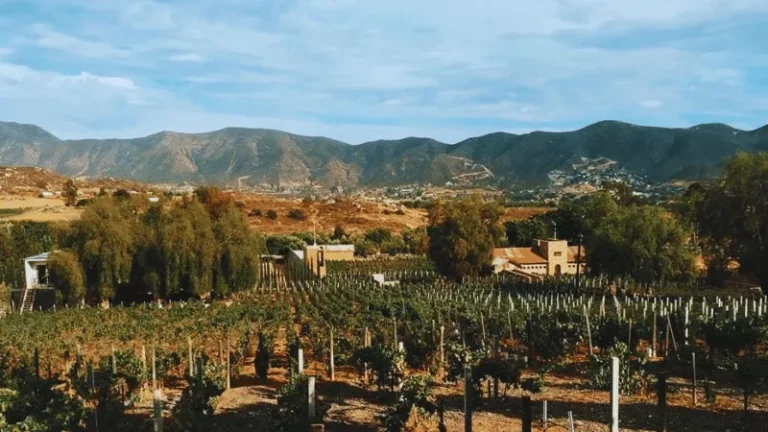
LessExplore brings you worldwide travel guides, hidden gems, hiking routes, waterfalls and scenic escapes, plus practical travel tips. For more wildlife moments in Mexico, read our guide to Isla Holbox and its whale sharks, or taste the north at Valle de Guadalupe, Mexico’s best wine region. If misty mountain forests are your thing, the Cocora Valley hike in Colombia is a great next read, while Tofino in Canada offers more North American wildlife.
For official background, see the UNESCO listing for the Monarch Butterfly Biosphere Reserve and Mexico’s protected areas commission (CONANP). The opening date was reported by Quadratín Michoacán.
Monarch Butterfly Sanctuaries FAQs
The sanctuaries in Michoacán and the State of Mexico open to visitors on 20 November 2026. The season usually runs until around the end of March.
January and February are the best months. The colonies are fully formed, and sunny afternoons bring the most butterflies into flight.
Piedra Herrada in the State of Mexico is the closest, around two to two and a half hours by road, near Valle de Bravo.
The UK FCDO advises against all but essential travel to most of Michoacán, including its sanctuaries. The State of Mexico sanctuaries are not covered by that warning, but check your government’s latest advice before you go.
Adult entry has been reported at around 100 to 150 pesos for 2026–27, with lower prices for children. Horses and parking cost extra, so bring cash.
Opening dates, fees, open sanctuaries and travel advisories change. Always confirm current details with official sources before you travel. Last checked: 11 November 2026.