Most visitors to Central Australia head straight for Uluru. As a result, they skip the West MacDonnell Ranges completely. That’s a shame, because Ormiston Gorge shows off the Red Centre at its very best. Tall red cliffs frame a cool, permanent waterhole. Ghost gums cling to the rock. Meanwhile, the crowds stay small.
Ormiston Gorge sits about 135 kilometres west of Alice Springs. Therefore, it makes an easy day trip and a great base for a longer stay. In this guide, you’ll learn what to see, where to walk, and how to plan your visit. Additionally, you’ll find practical tips on timing, transport, and safety.
Why Ormiston Gorge Belongs on Your Red Centre Itinerary
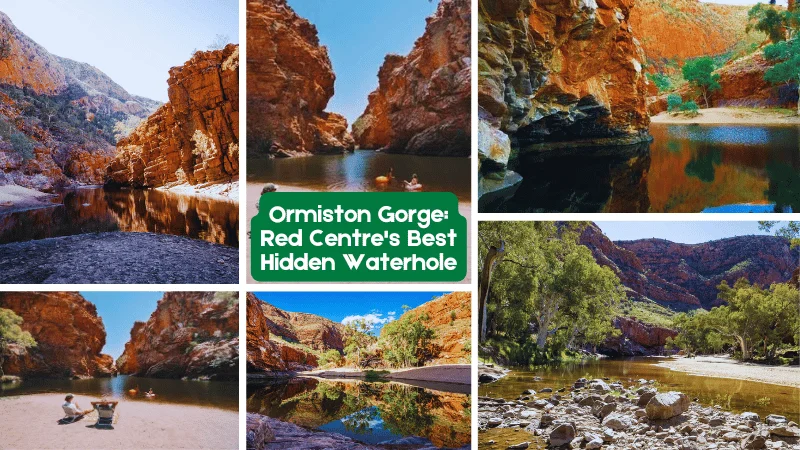
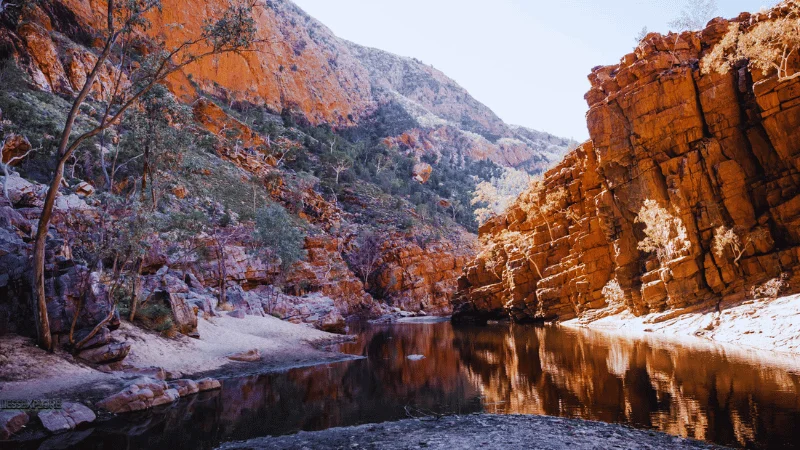
Ormiston Gorge is one of the most impressive spots in the West MacDonnell Ranges. Ormiston Creek cuts through ancient rock here. Over hundreds of millions of years, the ranges rose and wore down, and they left behind steep quartzite walls. Today, those walls glow orange and deep red when the sun hits them.
The main draw is the waterhole. It holds water all year, even in the dry months. In a landscape of red sand and spinifex, that feels almost unreal. Furthermore, the water reflects the cliffs, so the whole scene looks doubled.
Beyond the gorge itself, a huge natural amphitheatre called Ormiston Pound spreads out behind the walls. You can walk into it and see the ranges rise on every side. For most travellers, this combination of water, rock, and space is the real highlight.
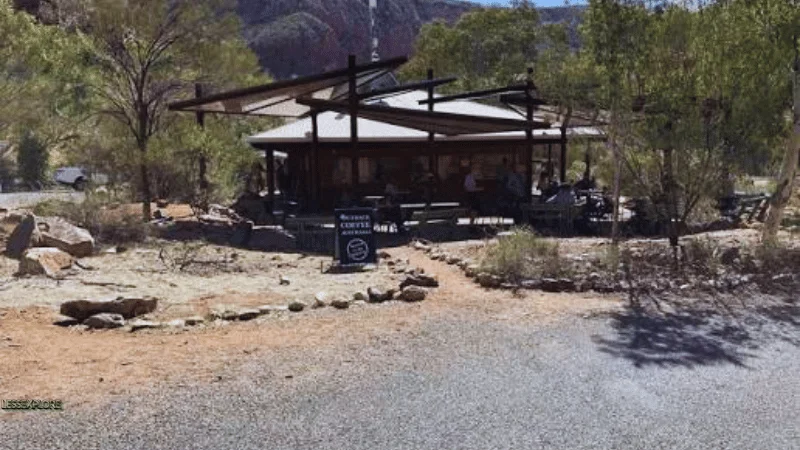
The site also has good facilities. A visitor area, picnic tables, barbecues, and a campground make it easy to stay for hours. In short, you get a wild place without much hassle.
The Story and Culture Behind Ormiston Gorge
Ormiston Gorge sits inside Tjoritja/West MacDonnell National Park. The park’s dual name honours its Aboriginal heritage. The Western Arrernte people have cared for this country for thousands of years. Their stories, laws, and knowledge connect to the waterholes, ridges, and creeks you’ll see here.
Water has always mattered in this dry region. Consequently, permanent waterholes like this one hold deep meaning. They supported travel, gatherings, and ceremony long before any road existed. Some places nearby are sacred, and signs will tell you where to stay out.
In the 1870s, European explorers pushed into the region. Later, pastoralists brought cattle. Then, in the twentieth century, the ranges became a protected area. Traditional Owners and park rangers now manage the park together.
You can show respect in simple ways. For example, stick to marked tracks, take your rubbish with you, and leave rocks and plants where they are. Additionally, read the signs at the visitor area. They explain what the place means to its custodians, and I’d say that context makes the views even better.
Best Things to Do at Ormiston Gorge
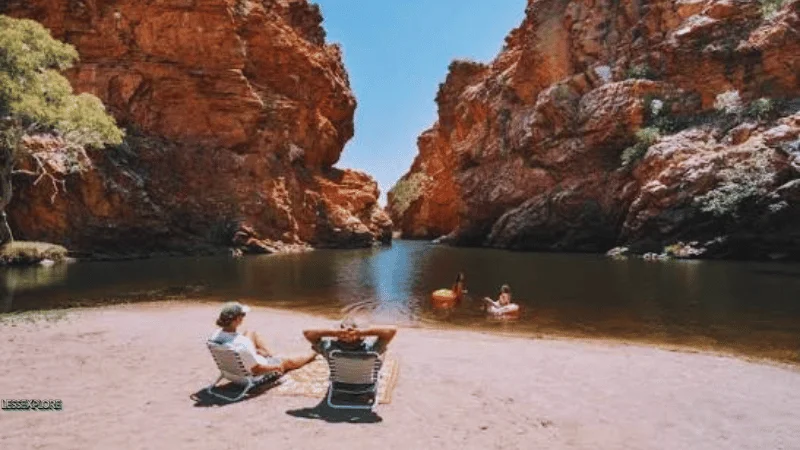
Ormiston Gorge suits many kinds of travellers. Families, keen hikers, and photographers all find something here. Below are the top ways to spend your time.
Walk to the Waterhole
The Waterhole Walk is the easiest option. It’s short and mostly flat, so almost anyone can manage it. Within minutes, you’ll stand at the edge of the water with the cliffs rising above you. Consequently, it’s a good choice if you have little time or young kids.
Take the Ghost Gum Walk
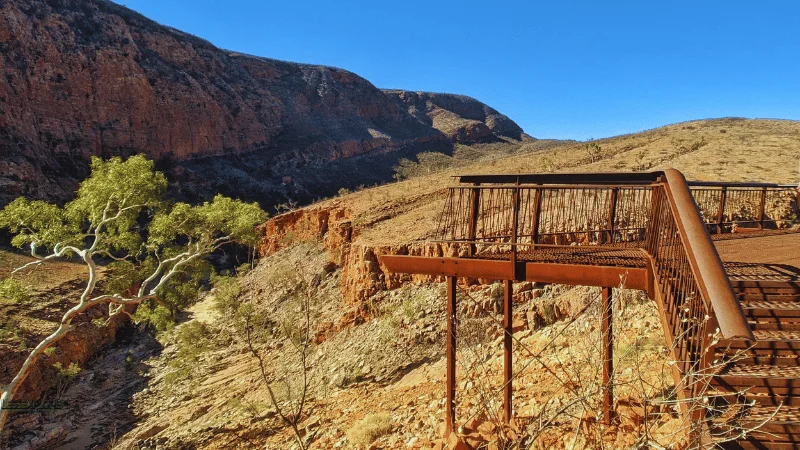
The Ghost Gum Walk is a loop of about 2.5 kilometres. It climbs above the gorge, and it rewards you with wide views over the waterhole and the ranges. The trail earns its name from the pale ghost gums along the way. Their white trunks stand out sharply against the red rock.
The walk takes about an hour or a little more. However, the climb can feel steep in the heat, so bring water and a hat.
Tackle the Ormiston Pound Walk
Serious walkers should try the Ormiston Pound Walk. This loop runs around seven kilometres and usually takes three to four hours. It leads you through the gorge, across the pound floor, and back along the creek.
The scenery changes constantly. First, you’ll walk beside towering walls. Next, the land opens into a wide bowl ringed by ridges. Finally, the track returns to the creek and the water. Because the route is demanding, start early and carry plenty of water. Also, check the trail conditions at the visitor area before you go.
Swim or Cool Off in the Waterhole
Swimming is popular here in warmer months. The water is fresh and clear, but it’s also very cold, because the high walls block the sun. Therefore, expect a shock when you first step in. Still, after a hot walk, most people find it wonderful.
Always read the safety signs first. Conditions can change, and closures do happen. Moreover, never dive or jump in, since hidden rocks lie under the surface.
Watch for Wildlife
Ormiston Gorge is a good place to spot native animals. Black-footed rock-wallabies live on the cliffs, and they often appear near dawn and dusk. Watch the ledges above the waterhole. Additionally, you might see euros, zebra finches, honeyeaters, and birds of prey riding the wind above the pound.
Keep your distance and stay quiet. If you do, the animals will often come closer than you’d expect.
Stay Overnight
The campground lets you enjoy the gorge after the day visitors leave. Nights here feel calm and quiet, and the stars are spectacular. Away from city lights, the Milky Way stretches across the whole sky. Book ahead through the official park website, because sites fill up in the cooler months.
Scenic Highlights and Photography at Ormiston Gorge
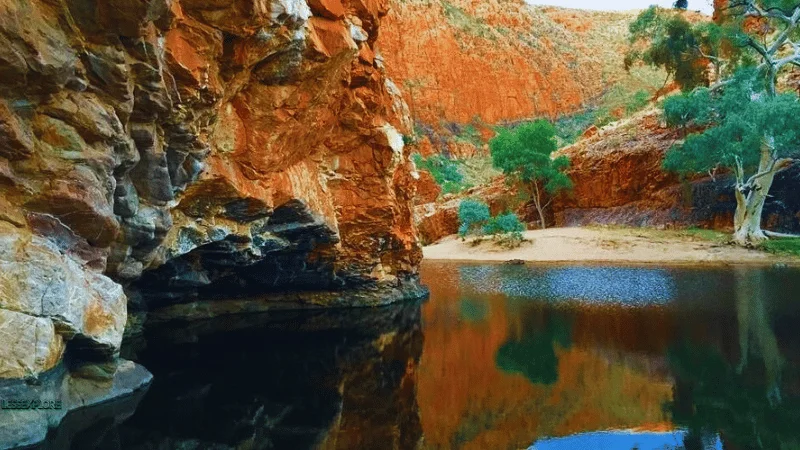
Ormiston Gorge is a photographer’s dream. However, timing makes a big difference. The light changes fast in the desert, and the best pictures come in the first and last hours of the day.
Early morning is ideal at the waterhole. The water often sits still, so you can capture clear reflections of the cliffs. In addition, the soft light warms the rock without harsh shadows. Late afternoon works well too, because the walls turn a deep, rich red.
For wide views, head up to the Ghost Gum Walk lookout. From there, you can frame the gorge, the pound, and the ranges in a single shot. Meanwhile, down at the creek, the ghost gums make strong foreground subjects. Try shooting them against the dark red cliffs.
A few simple tips will help you get better images:
- Bring a wide-angle lens for the big landscapes.
- Use a polarising filter to cut glare on the water.
- Shoot in the shade of the gorge at midday, when open ground looks too bright.
- Pack a spare battery, since cold mornings drain power quickly.
Additionally, if you own a drone, check the park rules first. Flying usually needs permission, and rangers take it seriously. Above all, put the camera down for a few minutes. Sometimes the view is best when you simply stand and look.
Nearby Attractions in the West MacDonnell Ranges
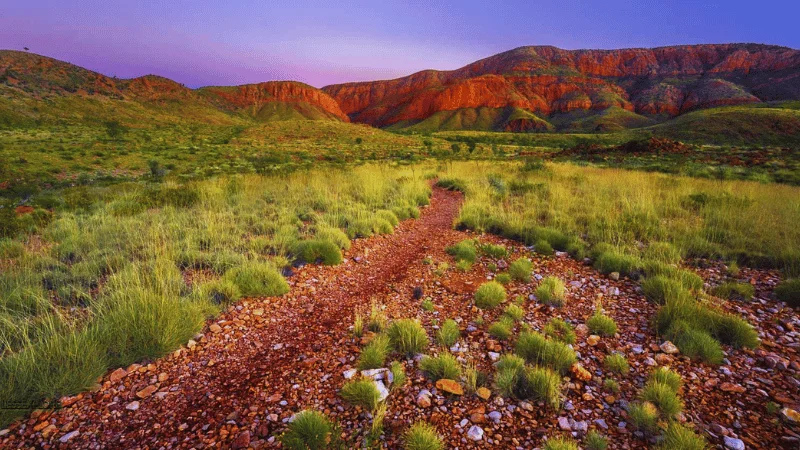
Ormiston Gorge is only one of many great stops along Namatjira Drive. Therefore, plan to see several. The road links a string of gorges, waterholes, and lookouts, and most sit within a short drive of each other.
Closer to Alice Springs, you’ll find Simpsons Gap and Standley Chasm. Both make easy stops on the way out. Further along, Ellery Creek Big Hole is a deep, popular swimming spot. Similarly, Serpentine Gorge offers a quiet, shaded walk with a lookout over the ranges.
The Ochre Pits show how Aboriginal people collected coloured earth for art and ceremony. Meanwhile, Glen Helen Gorge lies just beyond Ormiston. It’s a broad waterhole beneath high red cliffs, and it offers a homestead with a bar and meals. Finally, Redbank Gorge and Mount Sonder sit at the western end of the road. They suit anyone who wants to push deeper into the ranges.
If you love long walks, note that the Larapinta Trail runs through this region. It’s a famous walking route of about 223 kilometres. Even so, you don’t need to walk it all. Many people tackle short sections near Ormiston Gorge as day hikes.
Travel Tips and Visitor Information for Ormiston Gorge
A little planning makes your trip smoother. This section covers when to go, how to get there, and what to know before you arrive.
Best Time to Visit Ormiston Gorge
The best time to visit Ormiston Gorge is from May to September. During these cooler months, days are mild and sunny, so walking is comfortable. However, nights can get very cold, and temperatures sometimes drop close to freezing. Pack warm layers for the evenings.
In contrast, summer is extremely hot. Daytime temperatures often climb above 40°C. Consequently, long walks can become dangerous, and some trails may close. If you visit in summer, go at sunrise and finish before midday.
Shoulder months like April and October can work well too. Just check the forecast first.
How to Reach Ormiston Gorge
Most travellers drive from Alice Springs. The trip takes roughly 90 minutes to two hours, depending on stops. You follow Namatjira Drive west, and the road is sealed all the way to the gorge. As a result, a regular car can make the trip without trouble.
Alternatively, you can join a guided day tour from Alice Springs. Tours handle the driving and often include other gorges. This option suits people who don’t want to drive long distances.
Alice Springs has an airport with regular flights from major Australian cities. Therefore, most visitors fly in, then hire a car. Book your rental early in busy months.
Things to Know Before Visiting Ormiston Gorge
First, bring more water than you think you need. There’s little shade on the trails, and the dry air dehydrates you fast. Second, wear a hat, sunscreen, and sturdy shoes. Loose rock and steep sections can be slippery.
Furthermore, mobile reception is patchy or absent in the ranges. Download offline maps and tell someone your plan before you set out. Fill your fuel tank in Alice Springs. Although you can buy fuel at Glen Helen, it costs more, and it’s further along the road.
Additionally, facilities vary by season. The kiosk may close at certain times, so pack food and snacks. Dogs are generally not allowed in the national park. Finally, take all your rubbish out with you, and respect any closure signs.
Conclusion
Ormiston Gorge proves that the Red Centre offers far more than Uluru. Its permanent waterhole, towering red walls, and open pound create a landscape that feels both wild and welcoming. Moreover, you can enjoy it without the big crowds.
Whether you walk the Ghost Gum Walk, take a cold dip, or simply photograph the cliffs at sunrise, Ormiston Gorge delivers. Plan for the cooler months, carry plenty of water, and treat the country with respect. If you do, this West MacDonnell Ranges highlight will likely become the favourite stop of your trip.
Explore More Destinations
Ready for your next adventure? Keep exploring our travel guides to find more hidden gems, scenic destinations, and nature escapes. For example, Cumberland Island National Seashore offers a wild escape on Georgia’s coast, with empty beaches and roaming wild horses. Similarly, Plum Orchard Mansion takes you back to Georgia’s Gilded Age. You’ll also find practical travel tips and adventure ideas to inspire your next journey. Whatever your travel style, another beautiful place is waiting to be found.
FAQ Section
Ormiston Gorge is about 135 kilometres west of Alice Springs. The drive takes roughly 90 minutes to two hours along the sealed Namatjira Drive. Most travellers make it a day trip, although the campground also allows an overnight stay.
Yes, you can swim in the permanent waterhole at Ormiston Gorge. However, the water is very cold because the tall walls block the sun. Always read the safety signs, and never dive or jump in.
The best time to visit Ormiston Gorge is between May and September. Days are mild and sunny, so walking is comfortable. Summer often exceeds 40°C, which makes long walks unsafe.
The Ormiston Pound Walk is a loop of about seven kilometres. Most walkers need three to four hours to finish it. Start early, carry plenty of water, and check trail conditions at the visitor area first.
Yes, Ormiston Gorge has a campground. Book ahead through the official park website, because sites fill up in the cooler months. Nights can be very cold, so pack warm gear.