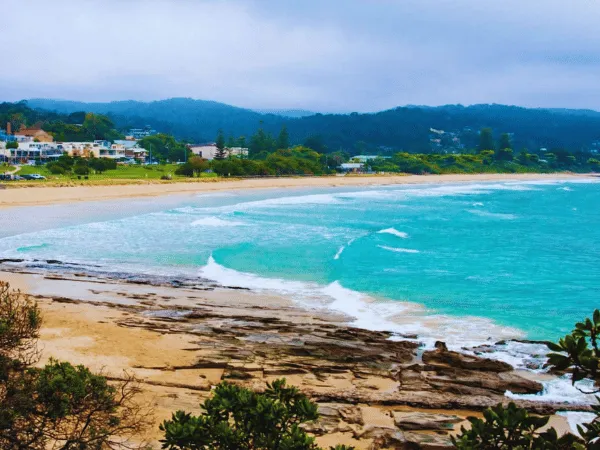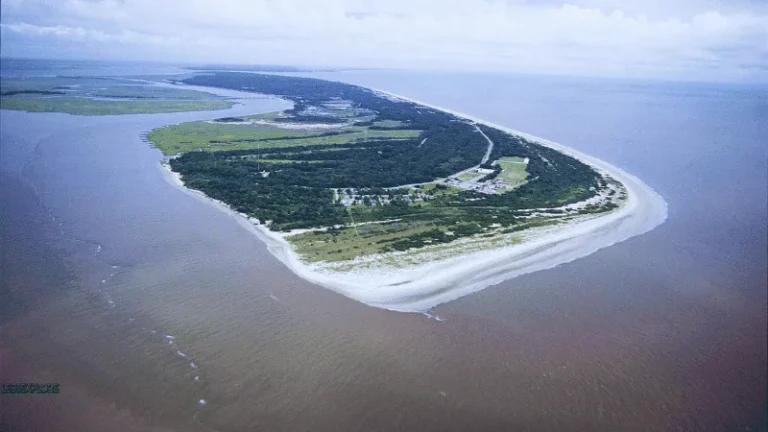
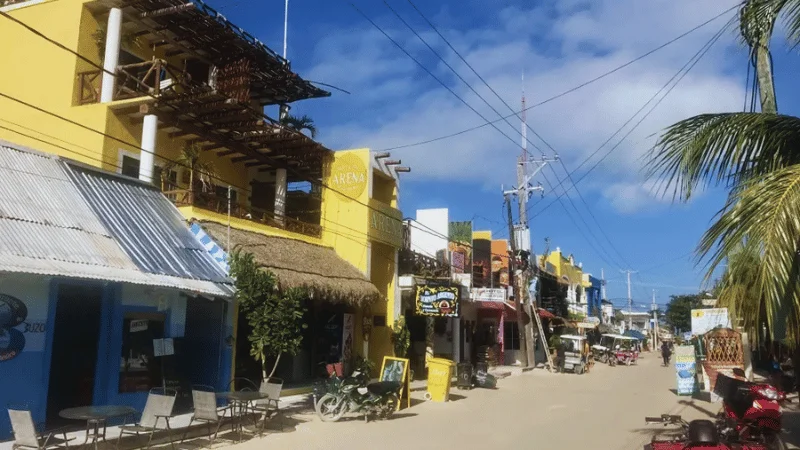
There’s a particular kind of quiet you only find on Isla Holbox. No car horns. No traffic lights. Just the crunch of sand under golf cart tires and the occasional rooster somewhere off in the distance. This little island off the tip of the Yucatan Peninsula has become one of Mexico’s most talked-about hideaways, and honestly, it earns the hype. Isla Holbox is known for three things: streets made entirely of sand, walls painted with wild, colorful murals, and — for a few months each year — swimming alongside whale sharks the size of school buses. If you’re after a beach trip that doesn’t feel like everyone else’s beach trip, this is it.
What Makes Isla Holbox Different
Isla Holbox isn’t big. You can walk from one end of the town to the other in about fifteen minutes, though you probably won’t want to rush it. The island sits inside the Yum Balam Nature Reserve, which is a big part of why it’s stayed so untouched compared to places like Cancun or Playa del Carmen. There’s no heavy development here, no towering resorts blocking the sunset.
What you’ll find instead is a fishing village that slowly, almost accidentally, became a tourist destination. Local families still head out on boats every morning, and a lot of the seafood on your dinner plate that night was probably swimming that same morning. Alongside that old rhythm, small boutique hotels and beach bars have popped up, run mostly by people who fell in love with the island and never quite left.
And then there’s the cars — or rather, the lack of them. Isla Holbox banned regular vehicles years ago. Everyone gets around on foot, bicycle, or golf cart, which honestly changes the whole feel of the place. It’s quieter. Slower. You notice things you’d normally miss.
The Murals Are Half the Reason People Come
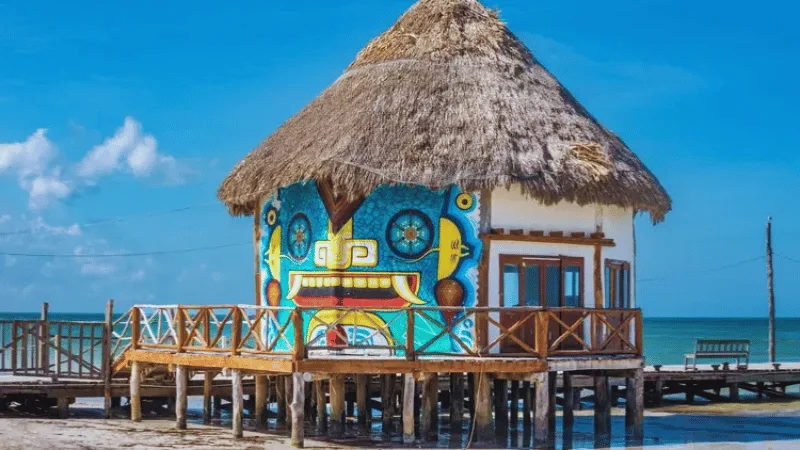
I wasn’t expecting the street art to hit as hard as it did. Around nearly every corner in Isla Holbox, there’s a mural — some tiny and tucked behind a taco stand, others sprawling across an entire building. Local and visiting artists have been adding to this open-air gallery for years now, and it shows no sign of slowing down.
A lot of the artwork leans into ocean themes. Whale sharks, flamingos, sea turtles, coral — the murals mirror what’s actually swimming and flying around the island. Some pieces get more political, touching on conservation and the fragile balance of the reef. Either way, walking through town starts to feel less like sightseeing and more like flipping through a gallery that just happens to be outdoors.
If you’re into photography, plan your walk around the light. Early mornings give you soft shadows and fewer people wandering into your shot. Late afternoon light turns everything gold, which makes the already-bright colors look almost unreal. Bring your camera even if you’re “just going for coffee” — you’ll regret it if you don’t.
Swimming With Whale Sharks (Yes, It’s As Wild As It Sounds)
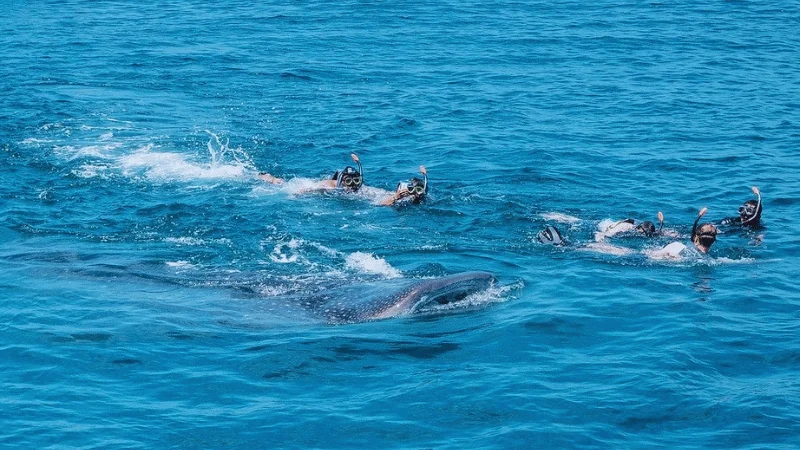
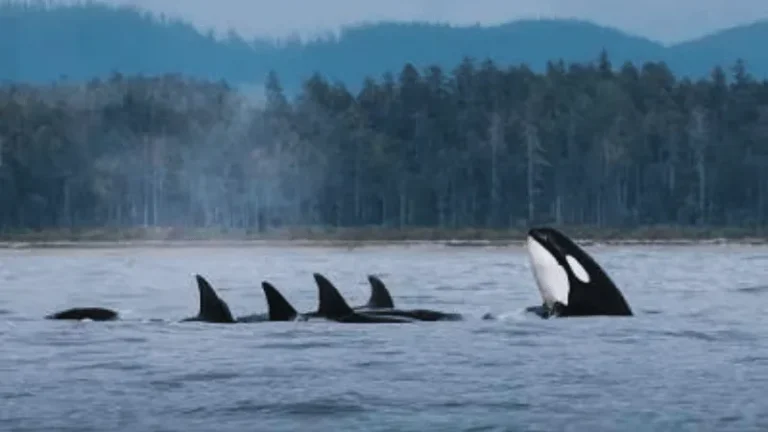
This is the big one. Isla Holbox sits close to one of the largest seasonal gatherings of whale sharks on the planet, and between roughly June and September, boats head out daily so people can snorkel next to them. These animals can stretch close to 40 feet long, but don’t let that scare you off — they’re filter feeders, eating plankton, completely uninterested in humans.
Tours run through licensed local operators, and most of them are pretty strict about how many swimmers go in the water at once. A guide gives you a quick briefing, you slip on a life vest and snorkel gear, and then you’re in — floating a few feet from something genuinely enormous and strangely graceful. It’s hard to describe that first moment without sounding cheesy, but people really do come out of the water grinning like idiots.
Peak season, especially July and August, gives you the best odds of sightings, though it’s also when the island gets busiest. Book ahead if you can. A lot of tours toss in a stop at a nearby sandbar or a bit of time in the mangroves, so you’re not just paying for the swim — you’re getting a full morning on the water.
Outside whale shark season, the water around Holbox still delivers. Dolphins show up fairly often, manta rays glide through, and the fishing here draws its own crowd entirely.
Beaches That Don’t Feel Like a Postcard Cliché
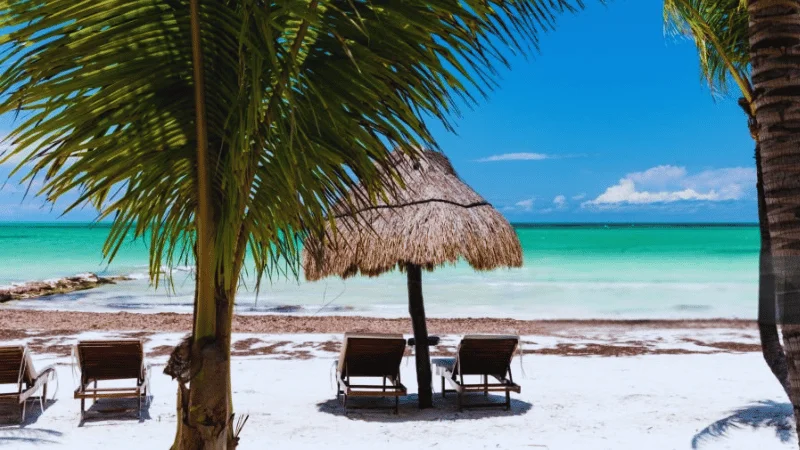
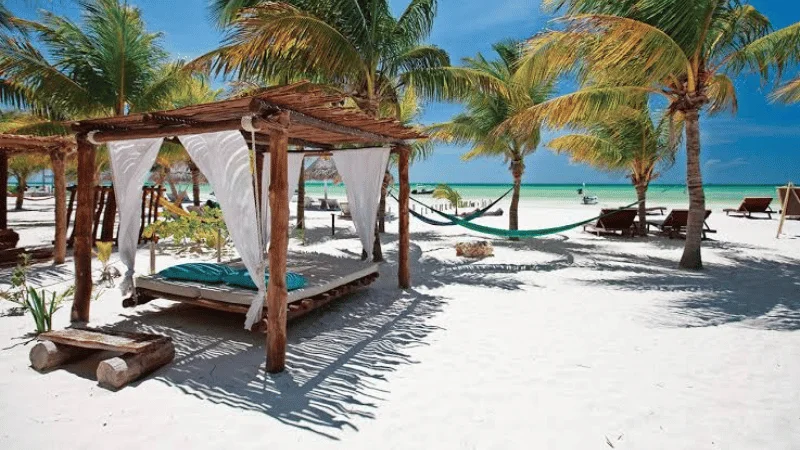
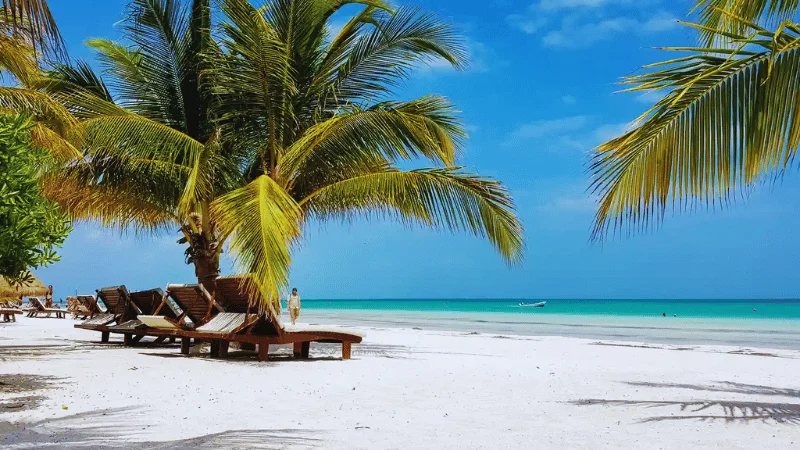
Isla Holbox’s beaches are quiet in a way that’s genuinely rare these days. The sand is soft, almost powdery, and the water stays shallow for a long way out, which makes it feel more like wading through a warm bath than swimming.
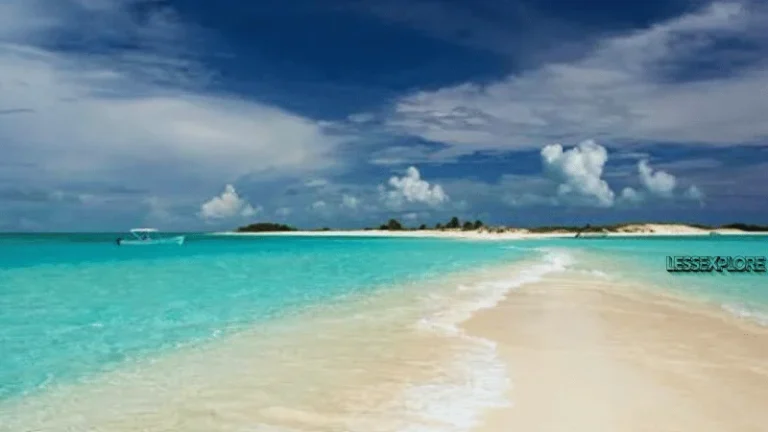
Punta Mosquito, at the eastern tip of the island, might be the most photogenic spot on Holbox. Flamingos show up here in the early morning, wading through the shallow sandbar that stretches out into the sea. You can walk out surprisingly far before the water gets much past your waist. One warning though — the mosquitoes here are no joke, hence the name. Bring repellent or you’ll regret it fast.
Playa Coco is where you go if all you want is a hammock and zero plans. Playa Holbox, closer to the town center, is more convenient if you’d rather stumble from your beach chair straight to a taco stand.
Past the beaches, the island’s mangrove system is worth carving out time for. Boat tours weave through the channels, and you’ll spot herons, pelicans, and all kinds of birdlife you won’t see anywhere near the main beach. Sunset boat rides are especially popular — the sky turns into this wild mix of orange and pink, and the water goes almost still. Bring your camera for this one too.
Food, Music, and the Rhythm of Local Life
Fishing is still the backbone of this island. You can see it in the boats parked along the shore every morning and taste it on nearly every menu in town. Lobster pizza has weirdly become something of a local specialty — a strange but delicious mashup of fresh Caribbean seafood and Italian comfort food. Ceviche, grilled fish, and tacos round out most menus, and the seafood is about as fresh as it gets anywhere.
Evenings on Holbox lean laid-back but lively. Reggae and Latin music drift out from bars near the town square, and plenty of restaurants set up tables right on the sand, so you’re eating dinner with your feet buried in it. On weekends, small markets pop up selling handmade jewelry and local crafts — a good spot to pick up something that actually supports the island’s economy instead of a mass-produced souvenir.
There’s a real environmental consciousness baked into island life here, too. Because Holbox sits inside a protected reserve, a lot of hotels and tour companies take sustainability seriously — cutting down on plastic, protecting turtle nesting sites, that kind of thing. It’s a nice feeling, knowing your trip isn’t quietly working against the place you came to enjoy.
Practical Stuff You’ll Want to Know
Best Time to Visit
If whale sharks are the whole point of your trip, aim for June through September, with July and August offering the best sighting odds. Just know that period brings more humidity and the occasional downpour. If you’d rather skip that and just want good beach weather, November through April is drier and more comfortable — though December through March is also peak season, so expect higher prices and more company. May and October tend to be a nice in-between: fewer crowds, decent weather, better deals.
Getting There
Most people fly into Cancun first. From the airport, you’ll need a bus or shuttle to Chiquila, a small coastal town — that leg takes about three hours. Once you’re in Chiquila, you catch a ferry (about 20 minutes) straight to Isla Holbox. If you’re driving, you’ll need to park your car in Chiquila, since Holbox doesn’t allow regular vehicles on the island. From there, it’s golf carts and bikes for the rest of your stay.
Before You Go
A few things that catch people off guard: cash is still king here, and not every shop or restaurant takes cards. ATMs exist but can run dry during busy weeks, so bring more cash than you think you’ll need. Pack real insect repellent, especially if you’re heading anywhere near the mangroves or staying out past sunset. Reef-safe sunscreen is often required by hotels and tour operators, so grab it before you arrive rather than scrambling to find it on the island. And if you’re visiting during peak months, book your accommodation and whale shark tour well in advance — things fill up fast, and Holbox isn’t the kind of place with unlimited backup options.
Final Thoughts
Isla Holbox isn’t trying to be the next big resort town, and that’s exactly its appeal. Sandy streets, murals on every wall, whale sharks drifting offshore, and a pace of life that forces you to actually slow down — it’s a rare combination these days. Whether you come for the wildlife, the quiet beaches, or just to disappear from your usual routine for a few days, Holbox has a way of getting under your skin. Most people who visit once end up planning a way back.
More Destinations to Explore
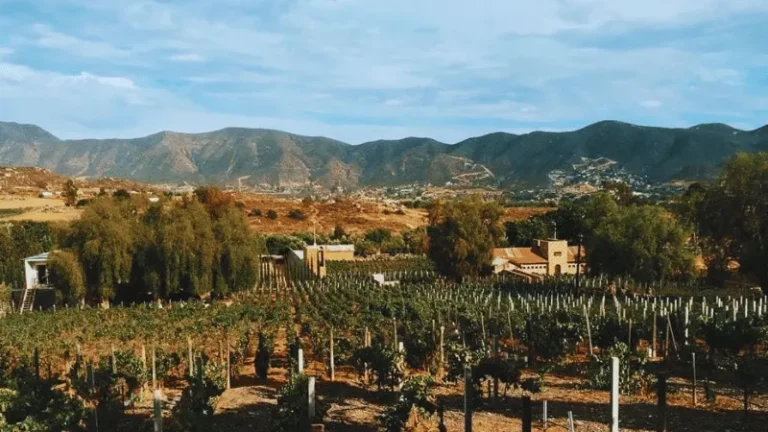
Isla Holbox isn’t the only place worth adding to your travel list. If you’re craving more coastal adventures, check out this ultimate guide to surfing and whale watching in Tofino, Canada, where rugged Pacific coastline meets incredible marine wildlife. For a completely different kind of escape, explore Mexico’s best wine region in Valle de Guadalupe, a laid-back valley of vineyards and farm-to-table dining just a few hours from the border.
History and adventure lovers should look into Choquequirao, Peru’s other Machu Picchu, a remote Incan ruin that sees a fraction of the crowds. Nature lovers won’t want to miss Lençóis Maranhenses, Brazil’s white dune wonder, a surreal landscape of sand dunes and turquoise rain pools. And for something truly otherworldly, discover the Marble Caves of Chile’s blue cathedral on Lake General Carrera, where swirling marble formations meet impossibly blue water.
Wherever you’re headed next, there’s a hidden gem waiting to be explored.
Frequently asked questions
Whale shark season runs from June to September, when these gentle giants gather near Isla Holbox to feed. July and August typically offer the highest sighting rates.
Travelers fly into Cancun, take a bus or shuttle to Chiquila (about three hours), then board a 20-minute ferry to Isla Holbox. Cars are not allowed on the island.
Yes, Isla Holbox is worth visiting for its car-free streets, colorful murals, quiet beaches, and seasonal whale shark tours. It suits travelers seeking a slower, more relaxed getaway.
Isla Holbox is famous for its whale shark tours, sandy car-free streets, vibrant street art, and calm, uncrowded beaches within a protected nature reserve.
Most travelers spend 2 to 4 days in Isla Holbox, which allows enough time for beach relaxation, a whale shark tour, and exploring the island’s murals and mangroves.