Few places on Earth look as unreal as the red dunes of Namibia. Sossusvlei and Deadvlei sit in the heart of the Namib Desert. Here, towering orange dunes rise above bright white clay pans. Dead trees stand in the cracked ground like black sculptures. It is a landscape that stops you in your tracks, and it is easily one of the best desert destinations in Africa.
This guide explains what to see, when to go, and how to get there. You will also find practical tips on gate times, fees, heat, and sunrise planning. By the end, you will know how to plan a smooth trip to Sossusvlei and Deadvlei.
Sossusvlei and Deadvlei at a Glance
Sossusvlei lies inside Namib-Naukluft National Park in southern Namibia. The word “vlei” means a marsh or pan. The name is often explained as a “dead-end marsh,” because the Tsauchab River once ran toward the sea but ends here, stopped by the dunes. After a rare, heavy rain, the pan can fill with water. Most years, it stays dry.
Deadvlei sits close by. It is a smaller clay pan, surrounded by some of the tallest dunes in the area. The ground is pale and cracked. Old camel thorn trees stand on it, dark and bare. The trees died long ago when the climate dried out, and the desert air has kept them from rotting.
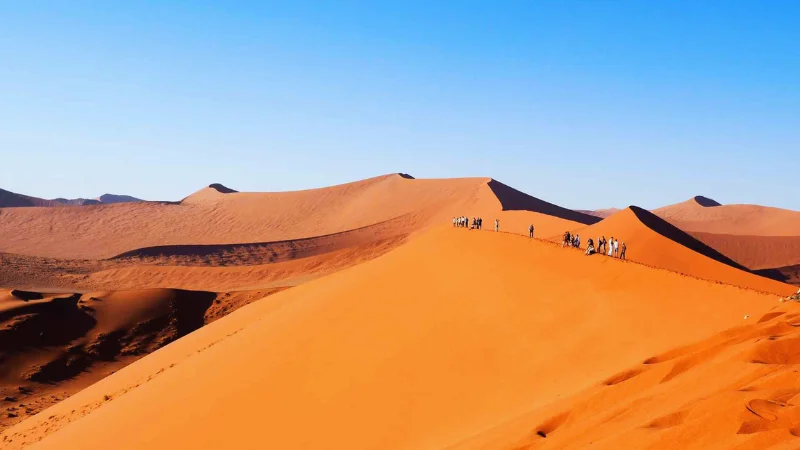
The wider area belongs to the Namib Sand Sea, a UNESCO World Heritage Site. According to UNESCO’s Namib Sand Sea listing, it is the only coastal desert in the world with large dune fields shaped by fog. Fog is the main source of water there. Many desert animals and plants depend on it.
Why Sossusvlei Is Worth the Long Drive
Getting here takes effort. Windhoek is roughly 400 kilometres away, and the drive takes about five hours. So why do travellers keep coming?
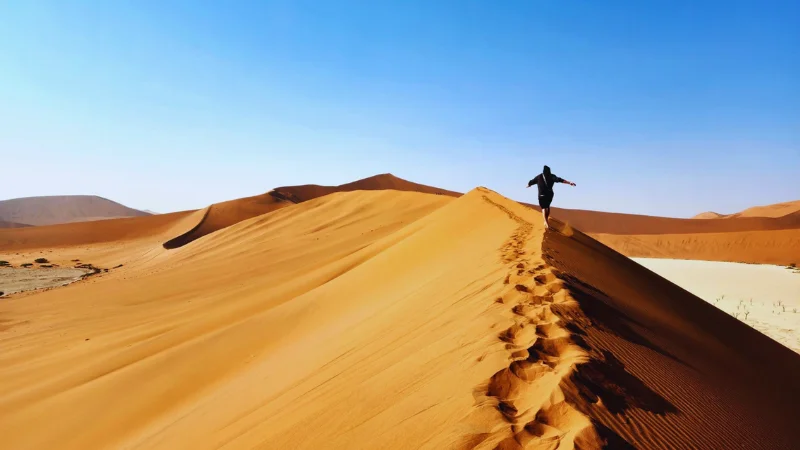
The answer is colour. At dawn, the dunes glow deep red and orange. By midday, they turn bright and sharp against a blue sky. At dusk, the shadows stretch long and soft. Photographers love the contrast between the red sand, the white pan, and the black trees.
The silence also stands out. There are few places where you can walk onto a dune ridge and hear nothing at all. For many visitors, that quiet is as memorable as the views.
Top Things to Do at Sossusvlei and Deadvlei
Walk Across Deadvlei
Deadvlei is the highlight for most visitors. From the 4×4 parking area, the walk takes about 15 to 20 minutes across flat sand. Go early if you can. The light is softer, and the air is cooler.
Once you arrive, take your time. Walk slowly between the trees and look up at the dunes around you. The white clay makes the red slopes look even brighter. Please stay on the pan and do not climb on the trees. They are fragile, and this is a protected site.
Climb Big Daddy Dune
Big Daddy is one of the best-known dunes in the area. It is often described as about 325 metres from base to summit. The climb is steep and tiring, and loose sand slows every step. Allow plenty of time and carry water.
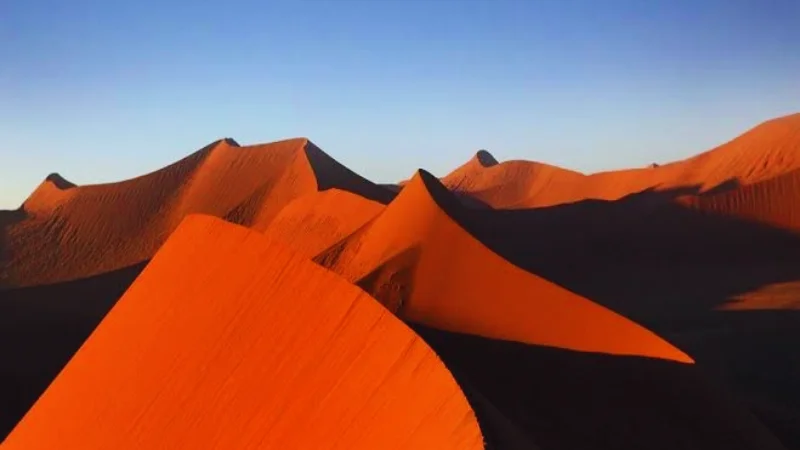
The reward is a wide view over the pans and the endless dune sea. Many visitors then run or slide down the steep face toward Deadvlei. Take it slowly, and keep sand out of your camera gear.
Stop at Dune 45
Dune 45 sits 45 kilometres from the Sesriem gate, which explains the name. It is roughly 170 metres high. The dune is easy to reach from the paved road, so it is a favourite sunrise spot. A short climb along the ridge gives a classic view of the curved crest against the morning sky.
Because it is so popular, it can feel busy at sunrise. Arrive a little early, and walk further along the ridge for more space.
Explore Sesriem Canyon
Sesriem Canyon is a narrow gorge carved by the Tsauchab River. It lies only a short drive from the Sesriem gate. The name is often linked to early settlers, who needed six leather straps tied together to lift water from the gorge. Walk down into the canyon for cool shade and interesting rock layers. It makes a good stop in the heat of the day.
Try Hidden Vlei or Elim Dune
If you want fewer crowds, look beyond the main stops. Hidden Vlei is a quieter pan reached on foot from the parking area. Elim Dune, near the Sesriem entrance, is a popular and easy place to watch sunset. Ask at the park office for current walking advice, because conditions and access can change.
Take a Scenic Flight or Hot Air Balloon Ride
For a different view, book a flight or balloon trip with a licensed operator. From above, you can see how the dunes line up in long ridges and how the river once cut across the plain. Book ahead in the busy months, and check the company’s safety record and weather policy.
Best Time to Visit Sossusvlei
The best time for most travellers is the dry winter, from April to September. Days are warm, usually around 20 to 25 degrees Celsius. The light is clear, and walking is comfortable.
Winter nights can be cold. In June and July, temperatures at night can fall to around 6 degrees or lower. Pack a warm layer for sunrise, because the desert is chilly before the sun climbs.
From October to March, the heat builds fast. Temperatures can pass 35 degrees by mid-morning. In midsummer, the sand surface can become extremely hot. If you visit then, start very early and finish your dune walks before the heat peaks. Rain is rare, and annual rainfall is low, but a storm can still change road conditions.
How to Get to Sossusvlei
Most people drive from Windhoek. The route runs through Rehoboth and Solitaire, then on to the Sesriem gate. Roads are mostly gravel in the final sections, so drive carefully. Leave early, as the drive is long and daylight is precious.
You can also reach the area on a guided small-group tour or a fly-in safari. Tours save you from planning, and they suit travellers who prefer not to drive on gravel. Self-drivers get more freedom, especially at sunrise.
The Final Stretch Needs Care
The paved road ends before the final section. From the 2×4 parking area, the last 5 kilometres to Sossusvlei and Deadvlei run through deep, soft sand. Only 4×4 vehicles are permitted there. If you do not have a suitable vehicle or experience, a shuttle service runs from the parking area. A recent guide reported a return fare of around N$250 per adult, but prices change, so confirm before you go.
Drivers who use the sand track should lower tyre pressure and drive steadily. If you have never driven in deep sand, think twice. Getting stuck can be costly and unsafe in this heat.
Gate Times, Permits and Fees
The park runs on a gate system. The main gate at Sesriem opens at dawn and closes at sunset. An inner gate lets you drive into the dunes earlier, about an hour before sunrise, and it closes about an hour after sunset. Entry past the inner gate normally requires a permit from the park office at Sesriem. Guests staying at certain in-park accommodation may have different access, so confirm this when you book.
Fees need extra care. Namibia raised national park fees in 2026, according to one safari booking site, and different sources now list different amounts. We could not confirm one definitive current figure for this article. Please check current rates before you travel, and carry cash or a card as advised. The Namibia Tourism Board is a good starting point for official travel information.
Where to Stay Near Sossusvlei
Where you sleep shapes your sunrise. Staying inside the park lets you reach the dunes earlier, before most day visitors. Options inside the park fill up quickly, especially from June to October and around Easter. Book months ahead if you can.
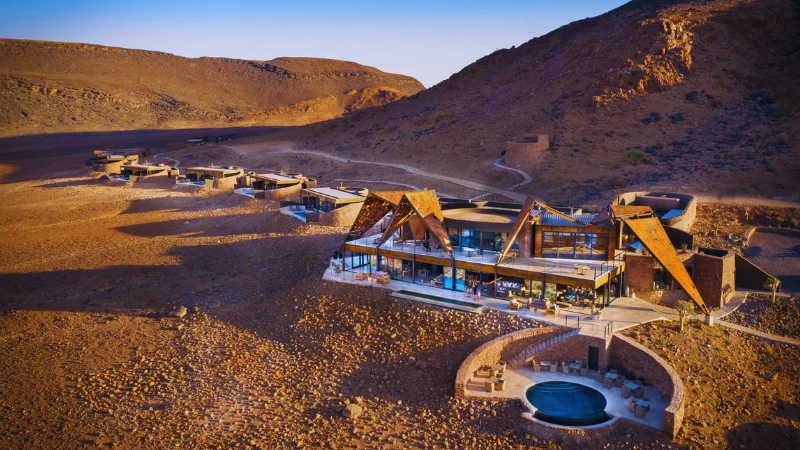
Lodges and camps outside the gate are usually easier to book. Some sit only a few kilometres away, while others are 30 kilometres or more along the road. Check the driving time to the gate before you reserve, because a long transfer eats into your sunrise window. You can browse stays in the area through Namibia Wildlife Resorts, which is run through an authorised booking agent.
Photography Tips for the Dunes
Good light is short here, so plan around it. Sunrise and the first hour after it give the best colour and the deepest shadows. Late afternoon also works well.
- Use a lens cover or cloth. Fine sand gets into everything.
- Shoot wide for the pans, and use a longer lens to compress the dune ridges.
- Keep people in the frame to show the scale of the dunes.
- Walk on the shaded side of a ridge to keep your own footprints out of the shot.
- Carry spare batteries, since cold mornings drain them faster.
Essential Tips for Your Visit
- Carry water. There is no shade or shop near the dunes. Bring at least two litres per person.
- Protect yourself from the sun. Wear a hat, sunglasses, and strong sunscreen.
- Wear sturdy shoes. Sand heats up quickly, so avoid thin sandals.
- Fuel up early. Fill your tank before the final stretch, and check what services are open.
- Respect the desert. Take all rubbish with you, and stay on marked tracks and paths.
- Leave wildlife alone. You may see oryx, springbok, or ostrich. Keep your distance.
Plan a Longer Africa Adventure
Namibia pairs well with other African highlights. If you enjoy remote landscapes, you may also like our guide to Lalibela in Ethiopia, with its rock-hewn churches. For highland scenery, read about the Nyika Plateau in Malawi. Island lovers may prefer Sao Tomé and Príncipe.
Love dramatic dunes and wide skies? Compare Namibia with the white sand waves of Lençóis Maranhenses in Brazil. For another desert escape, see how to visit Ormiston Gorge in Australia’s Red Centre.
Frequently Asked Questions About Sossusvlei and Deadvlei
How far is Sossusvlei from Windhoek?
It is roughly 400 kilometres by road. The drive takes about five hours. Most travellers break the trip with a stop at Solitaire or overnight near Sesriem.
What is the difference between Sossusvlei and Deadvlei?
Sossusvlei is a large clay pan where the Tsauchab River ends. Deadvlei is a smaller, older pan nearby with dead camel thorn trees. Most visitors see both in one morning.
Do I need a 4×4 to reach Sossusvlei?
You can drive a normal car to the 2×4 parking area. The last 5 kilometres are deep sand, and only 4×4 vehicles may use them. A shuttle runs from the parking area for those without one.
What is the best time to visit Sossusvlei?
April to September is usually best, with pleasant days and clear skies. Expect cold nights in June and July. Summer is much hotter, so start early.
How long do I need at Sossusvlei and Deadvlei?
Plan at least two nights nearby. This gives you a full sunrise visit and time for extras like Sesriem Canyon or a sunset at Elim Dune. A single day trip from far away is exhausting.
Final Thoughts: Is Sossusvlei and Deadvlei Worth It?
Yes, without a doubt. Sossusvlei and Deadvlei combine colour, silence, and scale in a way few places can match. The journey is long, and the heat is real, but careful planning makes it far easier. Go early, carry plenty of water, and give yourself time to simply look.
Details such as fees, gate hours, and road conditions can change, so check current information before you leave. Then enjoy one of the most striking landscapes in the world.
Explore More on LessExplore
Ready for your next trip? Browse more worldwide travel guides on LessExplore, from hidden gems and waterfalls to hiking destinations, scenic escapes, and adventure experiences. We also share practical travel tips to help you plan with confidence. Start with our beginner’s guide to planning the perfect vacation, and keep exploring.