High above the lakes and lowlands of central Africa sits a landscape that feels entirely out of place. Nyika Plateau, Malawi, rolls out like a highland meadow, dotted with wildflowers and grazing zebra. Unlike the acacia-studded savannas most travelers picture in Africa, this terrain resembles the Scottish moors more than typical bushveld. Consequently, first-time visitors often pause in disbelief at their surroundings. Furthermore, Nyika remains one of the continent’s most underrated national parks, drawing only a fraction of the crowds found in Kenya or Tanzania.
This guide walks through everything travelers need to know about Nyika Plateau, Malawi. We will cover its history, wildlife, activities, scenic beauty, and practical visitor information. By the end, you will understand why this remote plateau deserves serious consideration for your next African adventure.
A Landscape Unlike Anywhere Else in Africa
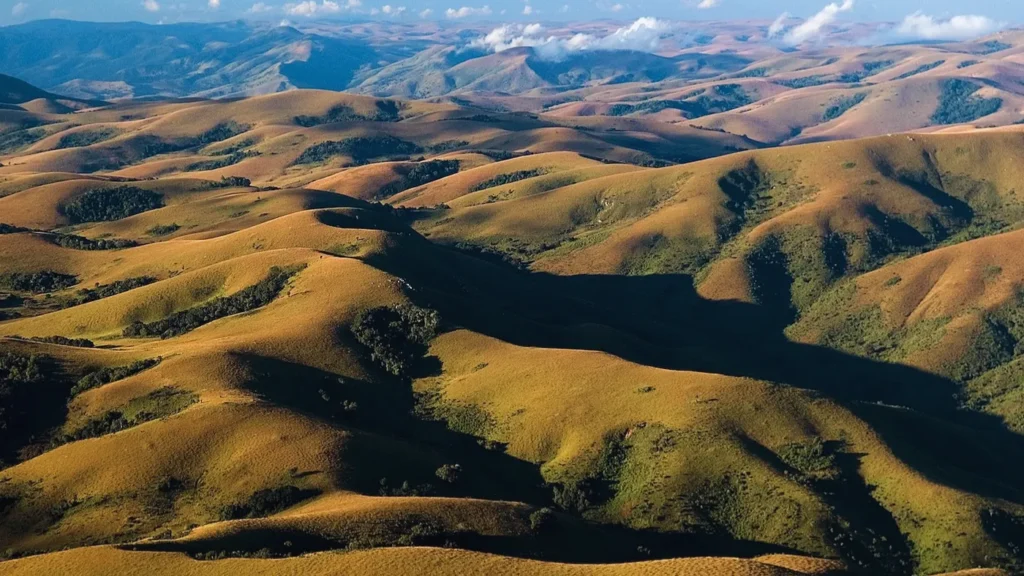
Nyika Plateau sits at an average elevation of 2,100 meters, making it Malawi’s highest and largest protected area. The plateau spans roughly 3,200 square kilometers, straddling the border between Malawi and Zambia. Its rolling grasslands stretch toward the horizon, interrupted only by patches of montane forest and granite outcrops.
This unusual terrain formed through millions of years of erosion and volcanic activity. As a result, the plateau developed a cooler, temperate climate rarely associated with African wilderness. Mist often rolls across the hills in early morning, adding a mysterious atmosphere to the landscape. Meanwhile, wildflowers bloom across the grasslands during the rainy season, painting the plateau in vivid color.
Nyika’s isolation has protected it from mass tourism. Therefore, visitors frequently describe the experience as having an entire wilderness to themselves. Few other destinations in Africa offer such solitude alongside genuine biodiversity. Additionally, the plateau’s cooler climate makes it a refreshing escape from Malawi’s warmer lowland regions.
Wildlife and Biodiversity on the Plateau
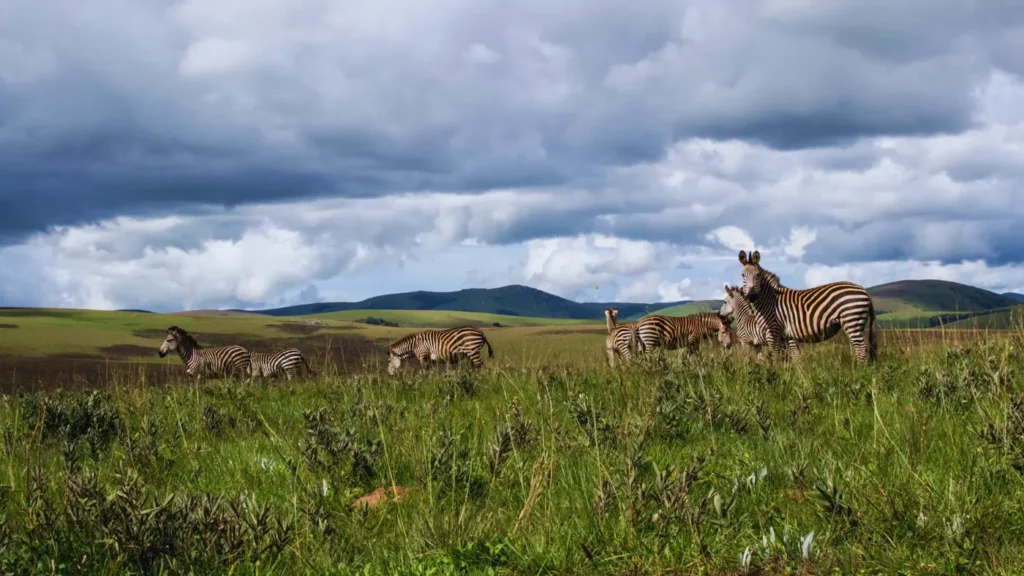
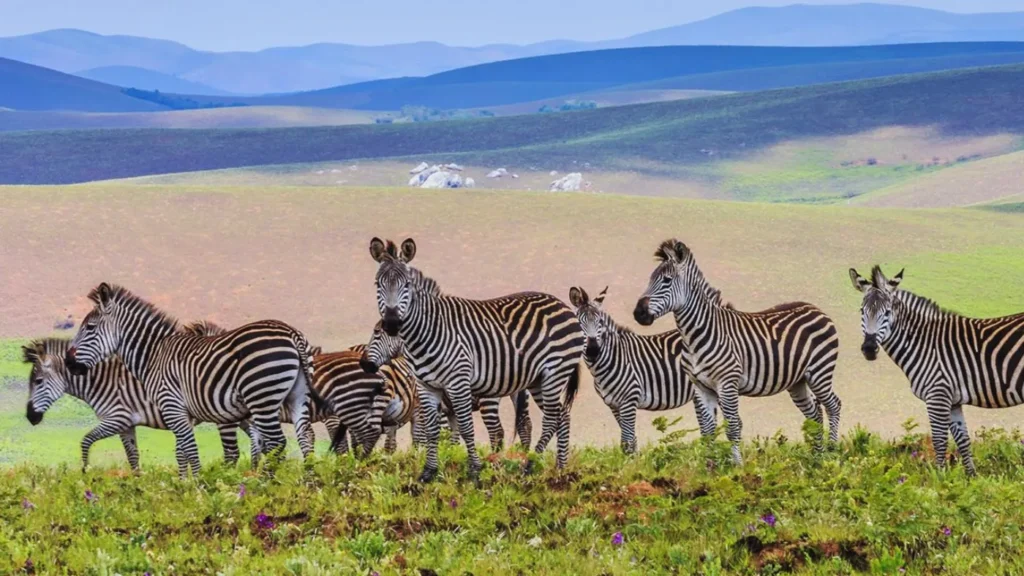
Despite its unusual scenery, Nyika Plateau supports a surprising range of wildlife. Herds of zebra roam freely across the open grasslands, often visible from considerable distances. Furthermore, the park hosts one of the highest concentrations of leopards in Central Africa, though sightings require patience and a skilled guide.
Roan antelope, eland, and reedbuck also graze across the plains. Meanwhile, over 400 bird species call Nyika home, making it a premier destination for birdwatchers. Rare species, including the Denham’s bustard and the mountain marsh widowbird, thrive in this unique habitat.
The plateau also protects Africa’s largest concentration of wild orchids. Botanists have documented more than 200 orchid species within the park. Consequently, visiting during the flowering season between November and April offers extraordinary botanical displays. In contrast, the dry season provides clearer skies and easier wildlife spotting.
Conservation efforts have strengthened significantly in recent years. Anti-poaching patrols and community partnerships have helped stabilize wildlife populations. Therefore, Nyika Plateau now represents one of Malawi’s most successful conservation stories.
Top Activities and Experiences at Nyika Plateau
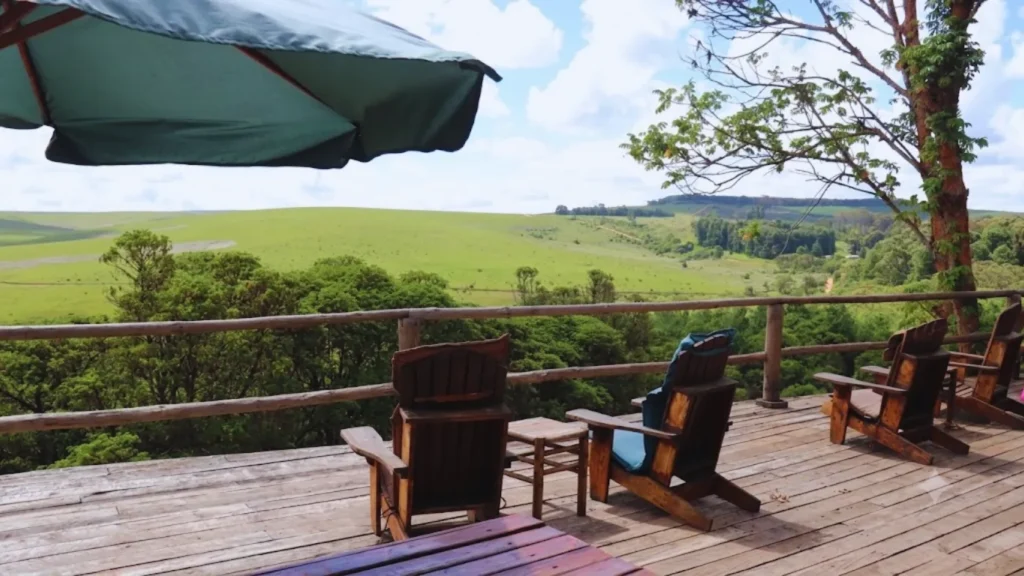
Nyika Plateau rewards travelers seeking active, immersive experiences. Hiking remains the most popular activity, with trails ranging from short walks to multi-day treks. Guided walks allow visitors to explore the grasslands on foot, offering close encounters with zebra and antelope herds.
Horseback riding provides another unique way to experience the plateau. Several lodges offer guided rides across the open hills, allowing travelers to cover greater distances while enjoying sweeping views. Similarly, mountain biking has grown popular among adventurous visitors, thanks to the plateau’s rolling terrain and minimal traffic.
Game drives remain available for those preferring vehicle-based exploration. However, many travelers find walking or riding more rewarding, since Nyika’s landscape suits slower, quieter exploration. Additionally, night drives offer opportunities to spot leopards and other nocturnal wildlife.
Fly fishing enthusiasts can also cast lines in the plateau’s cold mountain streams, which contain introduced trout populations. Meanwhile, photography tours cater to visitors hoping to capture the plateau’s dramatic light and expansive views. Therefore, Nyika suits travelers with widely different interests, from wildlife enthusiasts to adventure seekers.
Scenic Highlights and Photography Opportunities
Few African landscapes rival Nyika Plateau’s dramatic scenery. Rolling hills stretch endlessly toward distant mountain ranges, creating layers of green and gold across the horizon. Furthermore, scattered pine and cedar forests break up the grasslands, adding visual contrast throughout the park.
Sunrise offers the most rewarding light for photography. Mist often clings to the valleys during early morning hours, creating an ethereal atmosphere across the plateau. Similarly, sunset bathes the hills in warm orange tones, particularly striking during the dry season when skies remain clear.
Zebra herds against the open grassland create some of Nyika’s most iconic images. Additionally, wildflower blooms during the rainy season transform the landscape into a colorful mosaic. Photographers focusing on macro shots will find abundant subjects among the park’s orchids and smaller flora.
Viewpoints across the plateau, such as those near Chelinda Camp, offer sweeping panoramas extending toward Lake Malawi in the distance. Consequently, even casual visitors leave with striking photographs of Africa’s most unexpected landscape.
Local Culture and Community Connections
While Nyika Plateau itself remains largely uninhabited, surrounding communities offer rich cultural insight. Villages near the park boundaries maintain traditional farming practices, growing maize, beans, and vegetables across the fertile hillsides. Additionally, local markets provide opportunities to interact with Malawian culture beyond the park’s borders.
Malawi’s reputation as “the warm heart of Africa” holds true near Nyika. Local guides often share stories about regional history, conservation challenges, and daily life in the highlands. Therefore, engaging with community members adds meaningful depth to any visit.
Community-based tourism initiatives have grown around the park in recent years. These programs support local employment while funding conservation projects. Consequently, visitors can feel confident that their tourism dollars contribute directly to preserving Nyika’s fragile ecosystem.
Traditional Malawian cuisine, featuring nsima (a maize-based staple) alongside grilled meats and vegetables, offers a comforting introduction to local food culture. Meanwhile, evenings at lodges often include storytelling or cultural performances, further connecting visitors to the region’s heritage.
Travel Tips and Visitor Information
Proper planning ensures a smooth and rewarding visit to Nyika Plateau. This section covers essential timing, transportation, and preparation details.
Best Time to Visit Nyika Plateau
The dry season, from May through October, offers the clearest skies and easiest wildlife viewing across Nyika Plateau. During these months, temperatures remain cool, especially in the early mornings and evenings. Therefore, packing warm layers is essential, even though Malawi sits near the equator.
In contrast, the wet season from November through April brings lush green landscapes and spectacular wildflower blooms. However, some roads become difficult to navigate during heavy rains. Consequently, travelers prioritizing photography and botany may prefer visiting during the flowering months, while those focused on wildlife should aim for the dry season.
How to Reach Nyika Plateau
Most travelers reach Nyika Plateau through Lilongwe, Malawi’s capital, or via northern Malawi’s regional airstrips. From Lilongwe, the journey typically involves a scenic road trip lasting six to eight hours. Meanwhile, charter flights to Chelinda airstrip offer a faster alternative for those short on time.
Self-driving remains possible, though four-wheel-drive vehicles are strongly recommended due to unpaved roads within the park. Additionally, many lodges arrange transfers directly from Lilongwe or nearby towns, simplifying logistics considerably. Therefore, most visitors combine flights with a short road transfer for the most comfortable journey.
Things to Know Before Visiting
Entrance fees apply for all visitors and typically get arranged through your lodge or tour operator. Furthermore, hiring a licensed guide enhances both safety and wildlife spotting throughout the park. Guides possess deep knowledge of animal behavior and seasonal patterns that casual visitors often miss.
Nyika’s cool climate surprises many first-time travelers. Nighttime temperatures can drop close to freezing during winter months, so packing warm clothing remains essential. Similarly, sturdy hiking boots help navigate the plateau’s varied terrain comfortably.
Malaria precautions remain important throughout Malawi, though Nyika’s higher elevation reduces mosquito activity compared to lowland regions. Additionally, travelers should carry cash, since ATMs and card payment options remain limited within the park itself.
Finally, respecting wildlife distances and following guide instructions ensures both safety and conservation success. Therefore, patience and respect for the environment enhance every aspect of the Nyika experience.
Nearby Attractions Worth Exploring
Several remarkable destinations complement a visit to Nyika Plateau. Lake Malawi, one of Africa’s Great Lakes, lies within reach for travelers extending their itinerary. Its clear waters and sandy beaches offer a striking contrast to the plateau’s cool highlands.
Vwaza Marsh Wildlife Reserve, located south of Nyika, provides excellent elephant and hippo viewing opportunities. Meanwhile, Livingstonia, a historic mission town perched on the escarpment, offers stunning views and colonial-era architecture. Together, these destinations create a diverse northern Malawi itinerary combining highlands, lakes, and cultural history.
Conclusion
Nyika Plateau, Malawi, offers one of Africa’s most unexpected and rewarding landscapes. Its rolling grasslands, abundant wildlife, and cool highland climate create an experience unlike anywhere else on the continent. Furthermore, the plateau’s remote location ensures a peaceful, uncrowded adventure for travelers seeking something different.
Whether you come for wildlife, photography, hiking, or simple solitude, Nyika Plateau delivers a memorable journey. Therefore, if you’re searching for a genuinely hidden gem in Africa, this remarkable plateau deserves a place on your travel list. Few destinations combine natural beauty and tranquility so powerfully in one location.
Explore More Destinations
Nyika Plateau is just one of many hidden gems waiting to be discovered around the world. If you enjoyed this guide, consider exploring more travel resources covering scenic escapes, alpine adventures, and destination inspiration from across the globe. Whether you’re planning a highland hike, a European getaway, or simply searching for your next unforgettable journey, there’s always more to explore on the blog.
- Lalibela, Ethiopia: The Hidden Rock-Hewn Wonder
- Grindelwald – Alpine Adventure Hub & Travel Guide
- Oeschinensee Kandersteg: Switzerland’s Most Beautiful Lake
- Top 10 Most Visited Countries in the World 2026
Nyika Plateau is known for its rolling highland grasslands, roaming zebra herds, and Africa’s largest concentration of wild orchids.
Most travelers reach Nyika Plateau via a six to eight hour drive from Lilongwe, or by charter flight to the Chelinda airstrip.
Yes, Nyika Plateau offers excellent wildlife viewing, including zebra, roan antelope, eland, and one of Central Africa’s highest leopard densities.
The dry season from May to October offers the clearest skies and best wildlife viewing, while November to April brings wildflower blooms.
Yes, Nyika Plateau’s high elevation creates a cool climate, with nighttime temperatures sometimes dropping close to freezing in winter.