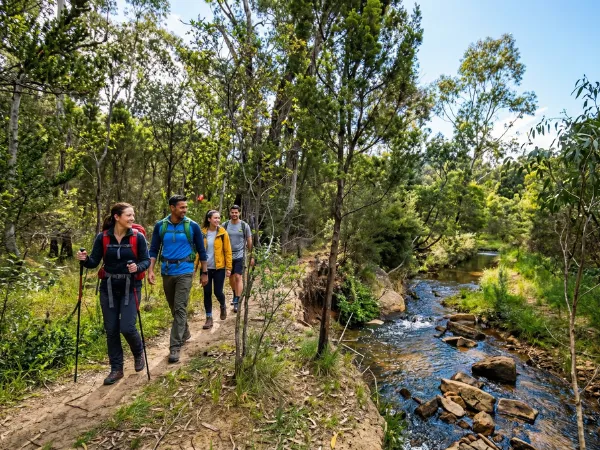
Planning a medical or wellness trip is very different from planning a normal holiday. You’re not just booking flights and hotels—you’re choosing where to heal, recover, recharge, or undergo an important treatment. Australia has become one of the fastest-growing destinations for medical tourism and wellness travel, thanks to its world-class healthcare, stunning natural environments, safe tourism infrastructure, and welcoming lifestyle.
Whether you’re coming for surgery, dental work, fertility treatment, or simply a wellness reset, this guide walks you through everything you need to know—step by step.
Why Choose Australia for Medical & Wellness Tourism?
Before diving into planning, here’s why Australia stands out:
- Highly rated healthcare system with internationally accredited hospitals
- Top specialists in cardiology, orthopedics, fertility, oncology, and cosmetic medicine
- Safe, clean and regulated medical environment
- Strong focus on holistic wellness—yoga retreats, spas, detox programs, thermal springs
- Beautiful recovery environments (rainforests, beaches, quiet coastal towns)
- English-speaking medical professionals
- Transparent pricing and premium quality care
Australia delivers quality + wellness + relaxation in one journey.
Step-by-Step Guide to Planning Your Wellness & Medical Trip to Australia.
Step 1: Identify Your Reason for Travel
Your planning process depends on your goal:
1. Medical Procedures
Common reasons people travel to Australia for medical care include:
- Orthopedic surgeries (knees, hips, spine)
- Dental implants & cosmetic dentistry
- Fertility treatments (IVF)
- Elective surgeries
- Skin cancer treatment
- Cosmetic surgery (rhinoplasty, facelifts)
2. Wellness Purposes
People visit Australia to:
- Detox from stress
- Join yoga or meditation retreats
- Improve mental health
- Rehabilitate after illness or surgery
- Enjoy natural healing experiences (hot springs, ocean therapy, spa treatments)
👉 Clearly define your goal. This makes the next steps easier.
Step 2: Research Accredited Hospitals and Wellness Centres
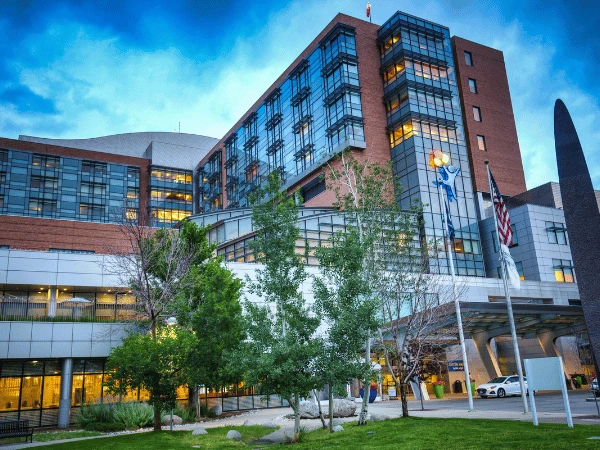
For medical treatments, choose only:
- Australian Council on Healthcare Standards (ACHS) accredited hospitals
- Specialist medical centres with international patient departments
Top medical hubs include:
- Melbourne
- Sydney
- Brisbane
- Adelaide
- Gold Coast
- Perth
For wellness retreats, popular regions include:
- Byron Bay
- Mornington Peninsula
- Sunshine Coast
- Margaret River
- Blue Mountains
- Tasmania
💡 Tips:
- Read independent reviews (Google, Trustpilot, Healthgrades)
- Ask for success rates, treatment plans, and recovery options
- Compare pricing packages for international patients
Step 3: Arrange an Online Consultation
Never travel without a virtual consultation.
This helps the doctor or wellness specialist:
- Understand your medical history
- Offer treatment recommendations
- Share cost estimates
- Provide pre-travel advice
- Give you realistic expectations
Many Australian medical centres offer:
- Zoom consultations
- WhatsApp medical briefings
- Online health assessments
This step alone can save you time, money, and stress.
Step 4: Review Costs and Get a Written Treatment Plan
Australia is more affordable than the US, UK, Canada, and many European countries—but prices vary.
Ask your hospital/clinic for:
- Full treatment cost
- Hospital stay duration
- Recovery timeline
- Required medications
- Pre-treatment diagnostics
- Follow-up options
👉 Request a written quote and treatment plan before booking anything.
For wellness trips:
- Check retreat programs
- Compare accommodation packages
- Ask about meals, activities, and inclusions
Step 5: Apply for the Right Visa
International wellness and medical travelers usually use:
Visitor Visa (Subclass 600)
For:
- Medical consultations
- Short treatments
- Wellness travel
- Post-surgery reviews
Medical Treatment Visa (Subclass 602)
For:
- Long-term medical treatment
- Major surgeries
- Specialized medical procedures
Make sure you have:
- Appointment confirmation
- Medical reports
- Treatment plan
- Proof of funds
- Valid passport
Visa approval is smooth when documentation is clear.
Step 6: Choose the Best Time to Travel
Australia’s weather varies by region.
Best months for wellness & recovery:
- March to May (Autumn)
- September to November (Spring)
Mild weather, fewer crowds, pleasant temperatures.
Avoid:
- Peak summer (Dec–Feb) if you prefer quiet
- Winter (June–Aug) if you want outdoor wellness activities
Step 7: Book Accommodation Close to Your Treatment Centre
For medical stays:
- Choose hotels or serviced apartments near hospitals
- Look for quiet, clean, recovery-friendly places
For wellness stays:
- Retreats often include accommodation
- Otherwise choose nature-friendly stays like:
- Eco-lodges
- Spa resorts
- Beachfront cabins
- Mountain cottages
Important features:
✔ Elevator access
✔ Good room service
✔ Healthy meal options
✔ Wheelchair accessibility
✔ Peaceful environment
Step 8: Prepare Your Medical Documents
Carry both digital and printed copies of:
- Medical history
- Test reports (X-rays, MRIs, scans)
- Prescriptions
- Allergy list
- Vaccination record
- Insurance documents
Organize everything in a folder for easy access.
Step 9: Pack Smart for Recovery & Wellness
For medical trips:
- Loose, comfortable clothing
- Compression socks
- Medications
- Travel pillow
- Slip-on footwear
- Long phone charging cable
- Notebook for doctor’s advice
For wellness retreats:
- Yoga wear
- Swimwear
- Hiking shoes
- Lightweight clothing
- Journal & books
- Reusable water bottle
Step 10: Plan Airport, Transport & On-Ground Support
Australia has reliable:
- Airport pickup services
- Rideshare apps (Uber, Ola, Didi)
- Wheelchair-accessible taxis
- Hotel shuttles
If you’re doing a medical procedure, avoid long-distance driving.
Consider hiring:
- A carer
- A nurse for home visits
- A support companion
Many private hospitals offer these services.
Step 11: Schedule Wellness Activities During Recovery
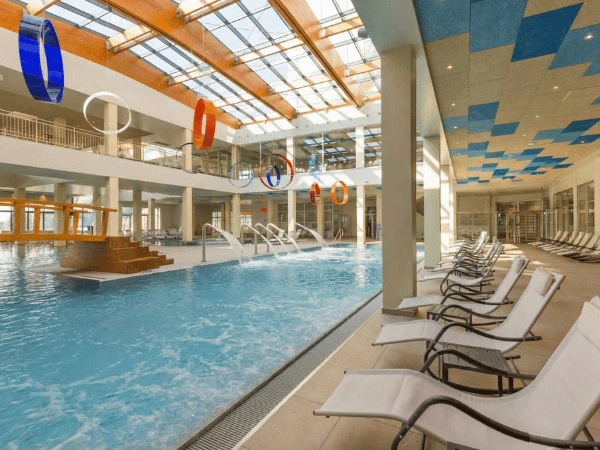
Australia offers incredible recovery-friendly activities like:
🌿 Nature wellness
- Forest bathing in the Blue Mountains
- Coastal walks in Victoria
- Rainforest therapy in Queensland
💦 Natural hot springs
- Peninsula Hot Springs (VIC)
- Moree Artesian Baths (NSW)
- Talaroo Hot Springs (QLD)
🧘♀️ Holistic healing
- Meditation classes
- Yoga therapy
- Breathwork sessions
- Spa and massage therapy
These experiences help speed up recovery, reduce stress, and boost mental clarity.
Step 12: Plan Follow-Up Care
Before leaving, make sure you have:
- A follow-up appointment (online or in-person)
- A list of medications
- A recovery timetable
- Wound care instructions (if surgery)
- Emergency contact numbers
Your doctor should provide a clear discharge summary.
⭐ Final Thoughts
Planning a medical or wellness trip to Australia doesn’t have to be overwhelming. With world-class healthcare, peaceful natural environments, and holistic healing experiences, Australia is one of the safest and most rewarding destinations for your health journey.
By following this wellness or medical trip to Australia step-by-step guide—from choosing the right treatment centre to planning recovery activities—you can ensure your trip is safe, smooth, affordable and truly transformative.
If you’re interested in exploring more travel inspiration, guides, and wellness-focused destinations, be sure to check out our latest articles on the Less Explore Blog. Whether you’re looking for hidden nature spots, relaxing escapes, or helpful travel tips, you’ll find plenty of resources to help you plan confidently and make the most of your healing journey.