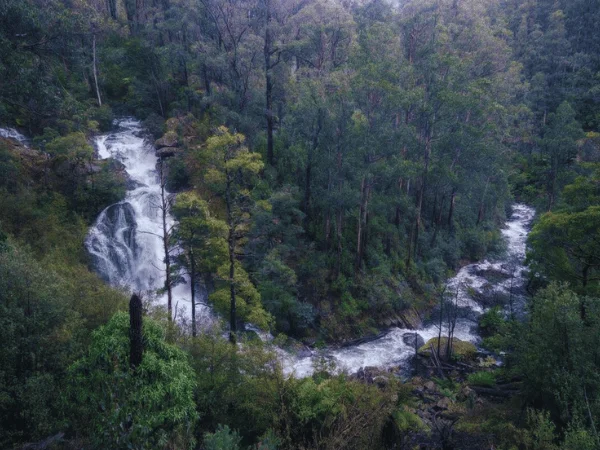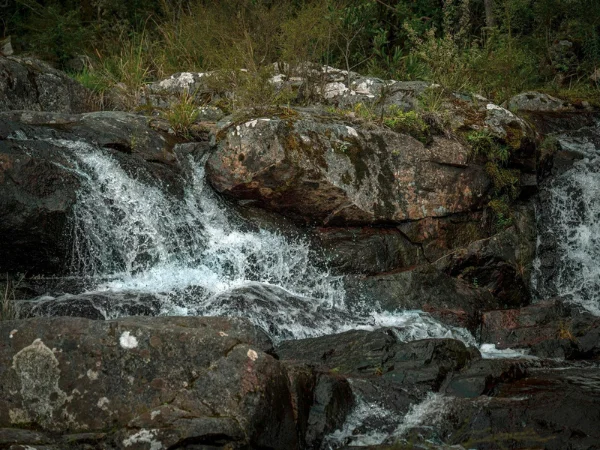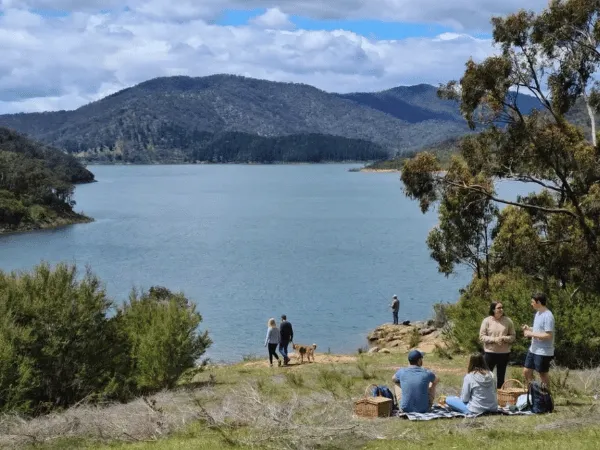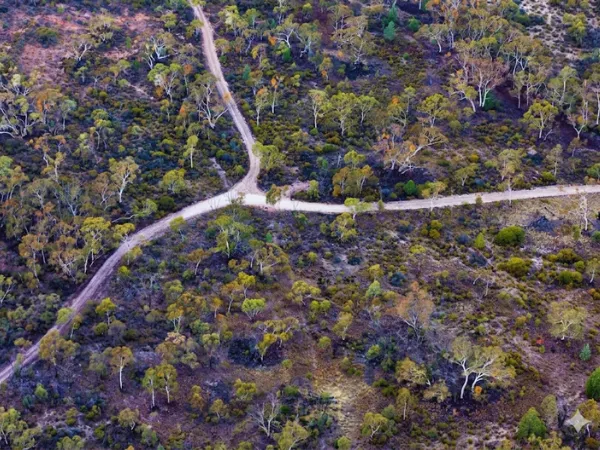
Most visitors reach Dunsborough with one plan: taste wine. However, the best part of this region has no cellar door at all. Leeuwin-Naturaliste National Park runs along the Western Australian coast like a green and gold ribbon. It holds giant forests, quiet beaches, deep caves, and clifftops where whales pass each year.
The park sits a few hours south of Perth. Even so, it stays far less crowded than the wine trails nearby. In this guide, you will learn what to see, where to walk, and when to go. You will also find simple tips to plan a smooth trip to Leeuwin-Naturaliste National Park.
Why Leeuwin-Naturaliste National Park Deserves Your Time
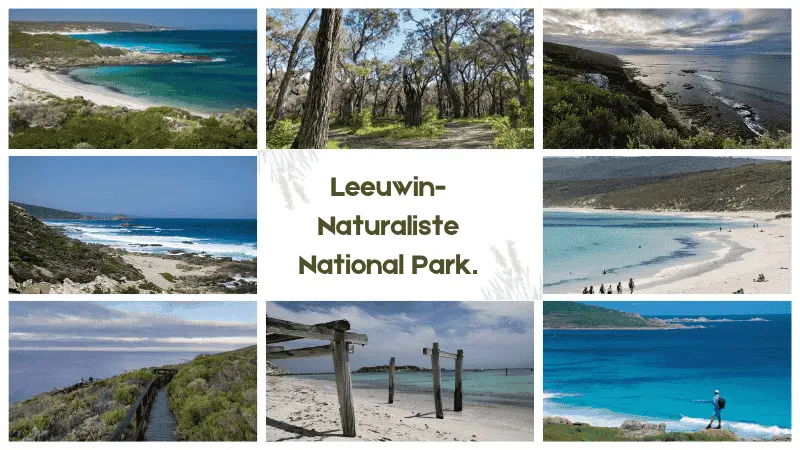
The park stretches roughly 120 kilometres. It runs from Cape Naturaliste, near Dunsborough, down to Cape Leeuwin, near Augusta. As a result, you can explore two oceans’ worth of coastline in a single trip.
The land also feels ancient. The Wadandi people, part of the Noongar nation, have cared for this country for tens of thousands of years. They know the forests, caves, and shores as living places with deep meaning. Therefore, a visit here works best when you walk slowly and listen to the land.
So why do so many travellers skip it? Mostly, they treat the area as a wine region first. In contrast, locals know the coast is the real heart of the place. Many people who drive through never leave the main road. Consequently, the beaches and trails stay peaceful, even in busy months.
The park is not one single block. Instead, it is a string of reserves, headlands, forests, and beaches. You can explore it in a day, but a long weekend feels much better. Additionally, a few nights near Dunsborough or Yallingup give you time to enjoy the quiet mornings.
Walking Among the Tallest Trees in Australia
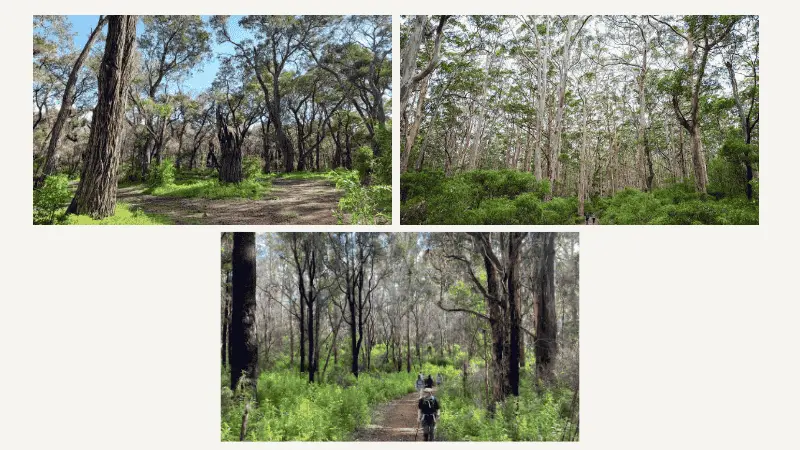
The forests of the south are a highlight of any visit to Leeuwin-Naturaliste National Park. Karri trees grow here in dense, bright groves. These giants can climb higher than 60 metres, and some reach even further. For example, the Boranup Forest is one of the best places to see them up close.
Boranup Forest has an interesting story. Loggers cleared much of it long ago. However, the karri regrew with surprising speed. Today, the young trees form a thick, pale-trunked tunnel over the road. Meanwhile, shafts of light drift through the leaves, and the air smells sweet and fresh.
Driving Boranup Forest Scenic Drive
Boranup Drive is a short gravel road that winds through the forest. It takes about 20 to 30 minutes to drive. Moreover, you can stop at small pull-outs to walk and take photos. Drive slowly, because the road is narrow and other cars share it.
You might wonder how tall these trees really get. Karri rank among the tallest trees in Australia. Furthermore, they grow fast, often adding more than a metre a year when young. Their smooth bark peels in cream, grey, and soft orange. Consequently, the forest looks different in every kind of light.
Short Forest Walks Worth Taking
You do not need hiking boots to enjoy the forest. Several short tracks suit families and casual walkers. For instance, a gentle loop lets you stand beneath the trunks and look straight up. Additionally, quiet picnic spots dot the roadside.
Photographers will love the early morning here. Soft light filters through the canopy, and mist sometimes clings to the ground. Therefore, arrive early if you want the best shots. Bring a wide lens, but keep a short zoom handy for the bark patterns.
Empty Beaches and Wild Coastline
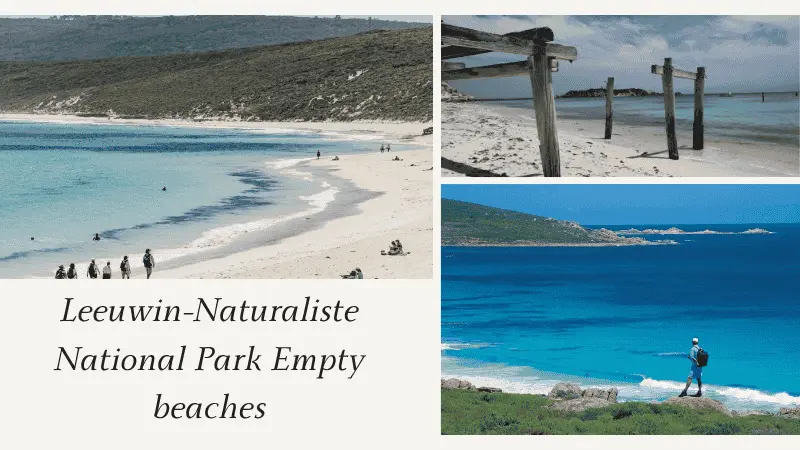
The coast is the second great reason to visit Leeuwin-Naturaliste National Park. Long white beaches curve between granite headlands. Even in summer, you can often find a stretch of sand with no one else on it. In contrast, popular beaches near town fill up fast.
Sugarloaf Rock is one of the most photographed sights near Dunsborough. This sea stack rises from the water just off the shore. Red-tailed tropicbirds nest on it in spring and summer. Additionally, sunsets here turn the sky deep orange and pink.
Nearby, Canal Rocks offers a very different view. Here, waves surge through narrow gaps between granite boulders. A short boardwalk lets you watch the water crash and foam below. However, take care near the edge, because rogue waves can surprise visitors.
Swimming and Safety on the Coast
Many beaches here face the open Indian Ocean. Therefore, swells and rips can be strong. Always check conditions before you swim. Furthermore, choose beaches with calm bays when you travel with children.
Smiths Beach and Yallingup are popular with surfers and beginners alike. Meanwhile, Meelup Beach sits on the calmer Geographe Bay side. Its water often looks clear and gentle, so it works well for a relaxed swim. Similarly, Eagle Bay offers soft sand and a friendly feel.
For something unusual, visit Injidup Natural Spa. In calm weather, waves fill a smooth rock pool that feels like a natural bath. However, the spot can turn dangerous in rough seas. Therefore, only enter when the water looks calm, and watch the swell closely.
Caves Beneath the Forest
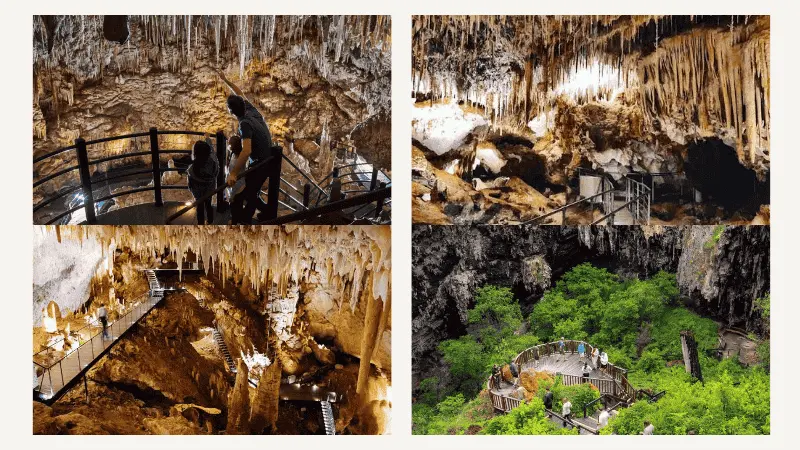
Below the surface, the park hides a different world. Limestone ridges run along the coast, and water has carved caves beneath them over thousands of years. As a result, you can walk among delicate stone formations in a cool, quiet space.
The main caves include Ngilgi Cave near Yallingup, plus Lake Cave, Jewel Cave, and Mammoth Cave further south. Each one feels different. For example, Lake Cave has a still underground pool, and a tall karri tree grows near its entrance. Meanwhile, Jewel Cave holds long, thin stalactites that glow in the lamp light.
Guided tours run at set times in several caves. Additionally, some caves allow self-guided visits, while others offer adventure tours for those who like to crawl and climb. Check the schedule and booking rules before you go. Furthermore, wear shoes with good grip, because the paths can feel damp and uneven.
Ngilgi Cave carries a legend from the Wadandi people. It tells of a battle between a good spirit and an evil one. Therefore, the cave holds cultural weight as well as natural beauty. Visitors who listen to the guides will learn about this story and the ancient history of the land.
Whale Watching and Lighthouse Views
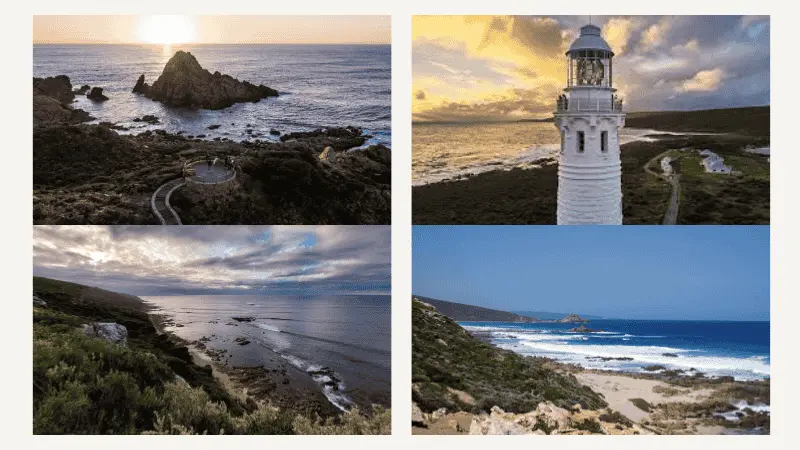
Whale watching is one of the most loved activities near Leeuwin-Naturaliste National Park. Humpback whales travel along this coast each year on their long journey between feeding and breeding waters. Meanwhile, southern right whales visit the sheltered bays in winter and early spring.
Geographe Bay is a favourite spot. Calm water draws mothers and calves, especially in spring. Therefore, September to December often brings the best sightings of humpbacks. You can join a boat tour from Dunsborough, or you can simply watch from the shore.
Cape Naturaliste Lighthouse is a great land-based viewpoint. The lighthouse stands on a high headland, and a short walk leads to a lookout. From there, you can scan the water for spouts and tails. Additionally, guided tours climb the tower for wide ocean views.
At the southern end, Cape Leeuwin Lighthouse marks the place where the Indian and Southern oceans meet. It stands as the tallest lighthouse on the Australian mainland. Furthermore, the walk to the cape includes views over rough water and rocky shores. Bring a jacket, because the wind can feel sharp even on sunny days.
Tips for Spotting Whales
Bring binoculars and patience. Look for a blow, which appears as a small white puff above the water. Moreover, early morning often brings calmer seas, which helps you spot movement. Finally, scan the horizon slowly instead of staring at one spot.
Hiking the Cape to Cape Track
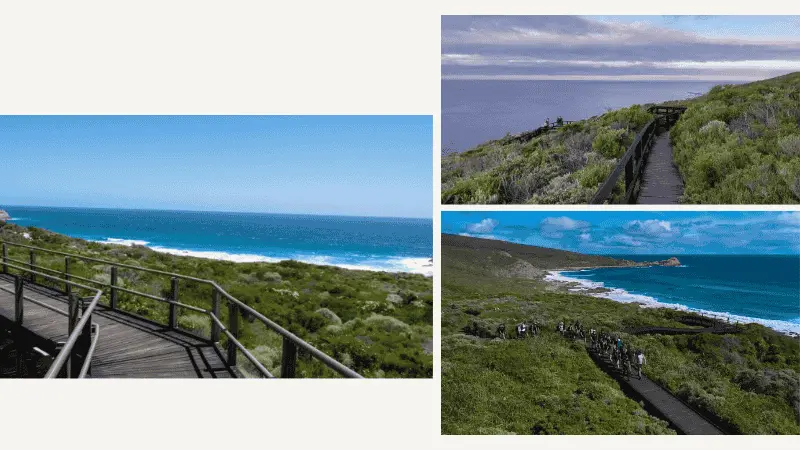
Walkers will find plenty to enjoy here. The Cape to Cape Track runs about 135 kilometres between the two lighthouses. It follows cliffs, beaches, and forest edges. Therefore, it works as the backbone of the park for many hikers.
Most people do not walk the whole track. Instead, they pick short sections. For example, a stroll between Yallingup and Smiths Beach offers high cliffs and sweeping views. Additionally, the walk near Hamelin Bay lets you enjoy quiet shores and open sky.
Hamelin Bay is also known for stingrays. These gentle creatures glide through the shallows near the shore. However, do not touch or feed them. Instead, watch from a respectful distance and enjoy the moment.
Plan your walk with water and sun protection. The coastal wind can hide how strong the sun really is. Furthermore, start early on hot days, and carry a map or offline route. Mobile coverage can drop in remote sections.
Travel Tips and Visitor Information
A little planning makes your trip much easier. The park spreads over a long stretch, so a vehicle gives you the most freedom. Furthermore, booking cave tours and accommodation early helps in busy seasons.
Best Time to Visit
Spring is a lovely time to visit Leeuwin-Naturaliste National Park. Wildflowers bloom across the heath, and whales fill the bays. Additionally, temperatures stay mild, so walking feels comfortable.
Summer brings warm weather and long days. Therefore, it suits swimming and beach picnics. However, it also brings more visitors and higher fire risk. Check fire warnings before you travel.
Autumn offers calm seas and golden light. Meanwhile, winter brings green forests, big swells, and dramatic skies. Pack a rain jacket if you visit then. In contrast, the crowds shrink, and you may have trails to yourself.
How to Reach
The drive from Perth to Dunsborough takes about three hours, depending on traffic and stops. Most visitors take the Forrest Highway south, then follow signs toward Busselton and Dunsborough. Moreover, the route is easy and well signed.
A car is the best way to see the park. Public transport covers the main towns, but it does not reach most trails and beaches. Therefore, hire a car in Perth if you do not own one. Alternatively, you can join a guided day tour, which handles the driving for you.
Busselton also has a regional airport. Consequently, some visitors fly in and hire a car there. Check current flights and schedules before you book.
Things to Know Before Visiting
A few simple points will help you enjoy your visit:
First, check park entry fees and pass rules before you go. Rules and prices can change. Second, carry water and snacks, because shops can be far apart. Third, respect signs and stay on marked tracks. This protects the fragile plants and keeps you safe.
Additionally, never swim alone at remote beaches. Rips and large swells are common. Furthermore, take care on cliffs, and keep a safe distance from the edge. Finally, leave no rubbish behind, and take care around wildlife.
Try to learn about local culture while you travel. For instance, read the signs about the Wadandi people at lookouts and cave sites. Moreover, support local cafes, galleries, and small producers. Consequently, your visit helps the community that cares for this land.
Nearby Attractions Worth Adding
The park sits close to many other lovely places. Dunsborough itself has cafes, a lively beach, and a relaxed seaside feel. Meanwhile, Yallingup offers surf, galleries, and sunset views.
Margaret River town lies further south. Yes, it is famous for wine, but it also has fine food, craft breweries, and chocolate. Therefore, you can enjoy a taste of the local scene without making it your whole trip. Additionally, Augusta and Hamelin Bay make a quiet base for the southern end of the park.
Busselton Jetty is another popular stop. It is one of the longest timber jetties in the Southern Hemisphere. Furthermore, you can walk it, ride the small train, or visit the underwater observatory at the end.
Conclusion
Leeuwin-Naturaliste National Park proves that the best parts of Margaret River country lie beyond the cellar doors. Tall karri forests, quiet beaches, hidden caves, and whale-filled bays all wait within easy reach of Perth. Moreover, the crowds stay small, so the experience feels personal and calm.
So plan a trip, pack a camera, and leave some time in your schedule. Walk slowly, listen closely, and let the coast surprise you. After all, the best way to enjoy Leeuwin-Naturaliste National Park is simply to arrive with curiosity and stay a little longer than you planned.
Explore More Destinations
If this guide sparked your wanderlust, there is plenty more to discover. Browse more travel guides, hidden gems, scenic destinations, practical travel tips, and adventure experiences from across Australia. Each one is written to help you plan smarter and travel with confidence.
- Umpherston Sinkhole, Mount Gambier’s sunken garden
- Ormiston Gorge: skip the crowds, see the Red Centre
- Dangar Island, NSW: a car-free escape near Sydney
FAQ Section
Leeuwin-Naturaliste National Park sits in the south-west corner of Western Australia. It runs about 120 kilometres from Cape Naturaliste, near Dunsborough, to Cape Leeuwin, near Augusta. The drive from Perth takes roughly three hours.
Spring is the best time for most visitors. Wildflowers bloom, temperatures stay mild, and humpback whales visit Geographe Bay from about September to December. Summer suits swimming, while winter brings fewer crowds and dramatic seas.
Yes. Humpback and southern right whales pass along this coast each year. Good land-based lookouts include Cape Naturaliste and Cape Leeuwin. Boat tours also leave from Dunsborough in whale season.
A car gives you the most freedom. The park spreads across a long coastline, and public transport does not reach most beaches, trails, or caves. Guided day tours from nearby towns are a good alternative.
Top sights include Boranup Forest, Sugarloaf Rock, Canal Rocks, and the Cape to Cape Track. Visitors also enjoy Lake Cave, Jewel Cave, Ngilgi Cave, and the two historic lighthouses at either end of the park.