Hidden in the misty hills of western Myanmar lies a secret that most travelers never discover. Mrauk U sits quietly beside the Kaladan River, holding hundreds of centuries-old temples within its borders. Many people compare it to Bagan, and the similarities are striking. However, Mrauk U offers something increasingly rare: genuine solitude among ancient stone. Consequently, visitors who make the journey often describe it as one of Southeast Asia’s most rewarding archaeological experiences.
This former royal capital once ruled a powerful kingdom that stretched across the Bay of Bengal. Today, its temples rise from rice paddies and rolling hillsides, largely untouched by mass tourism. For history lovers, photographers, and culture seekers, Mrauk U delivers an experience that feels both timeless and personal. In this guide, we will explore what makes this ancient city so special, along with everything you need to plan your visit.
A Journey Back Through Mrauk U’s Royal History
Mrauk U served as the capital of the Arakan Kingdom from 1430 to 1785. During this period, the city grew into one of the wealthiest trading ports in Asia. Merchants from Portugal, the Netherlands, and Arabia sailed into its harbors, exchanging goods and ideas. As a result, Mrauk U developed a unique blend of architectural styles that still defines the region today.
The kings of Arakan commissioned hundreds of temples, pagodas, and monasteries throughout their reign. Each ruler wanted to leave a lasting mark, so construction continued for centuries. Many structures combined Buddhist religious symbolism with fortress-like defensive features. This dual purpose reflected the kingdom’s need for both spiritual devotion and military protection.
Eventually, the Burmese conquered Arakan in 1785, and Mrauk U’s influence began to fade. Nevertheless, its temples survived the passage of time far better than many other regional sites. Today, archaeologists and historians continue studying the ruins, uncovering new details about this once-mighty kingdom. Walking through the site, you can still sense the ambition that built this remarkable city.
Exploring the Main Temples and Ancient Ruins
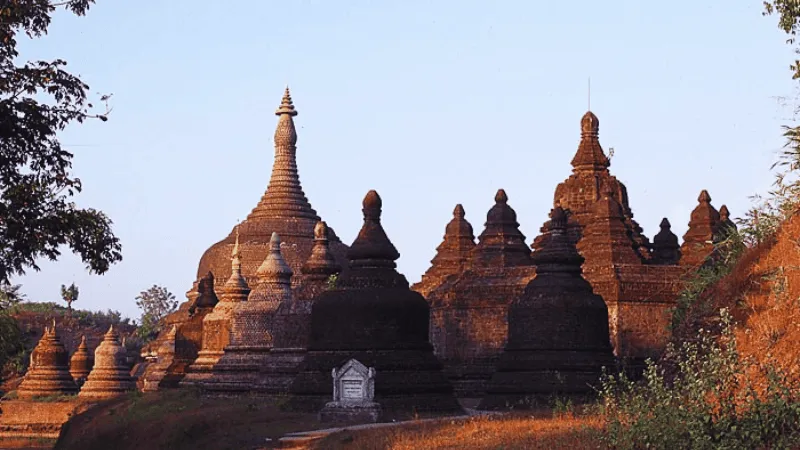
Mrauk U contains an estimated 700 to 900 temples and pagodas spread across the landscape. Naturally, visitors cannot see everything in a single day, so prioritizing key sites helps. Shittaung Temple stands as the most famous structure, built in 1535 to commemorate a military victory. Its name translates to “Shrine of the 80,000 Images,” referring to the countless Buddha statues housed inside.
Andaw Temple sits nearby and reportedly enshrines a tooth relic of the Buddha. Meanwhile, Dukkanthein Temple impresses visitors with its bunker-like design and spiral staircase leading to a central chamber. This structure once served both religious and defensive functions, similar to many buildings from this era.
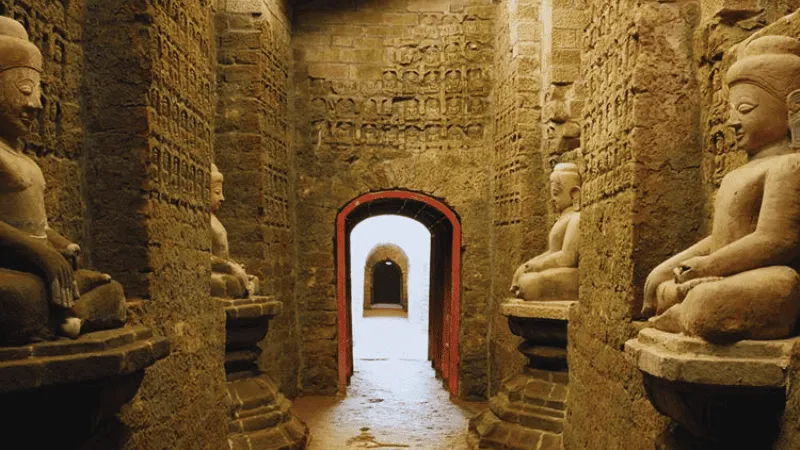
Htukkanthein Temple offers another fascinating stop, featuring narrow corridors lined with hundreds of carved Buddha images. The dim lighting inside creates a mysterious atmosphere that photographers particularly enjoy. Additionally, Ratanabon Pagoda showcases a beautifully preserved bell-shaped stupa surrounded by smaller shrines. Each site tells a different chapter of Mrauk U’s layered history, making exploration genuinely rewarding.
Unlike Bagan, many temples here remain open for close inspection without barriers. Therefore, visitors can walk directly into ancient chambers and examine centuries-old stone carvings up close. This accessibility makes Mrauk U feel more intimate and less commercialized than other archaeological destinations.
Activities and Experiences Beyond the Temples
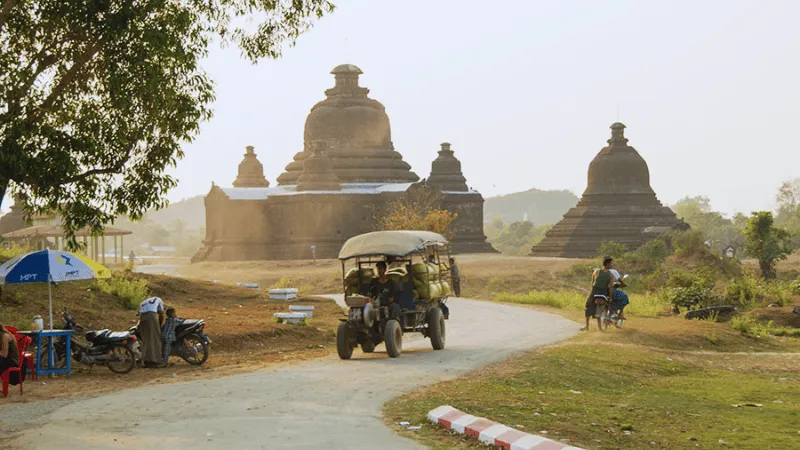
While temples dominate the itinerary, Mrauk U offers much more than religious architecture. A boat trip along the Kaladan River provides a peaceful way to see the surrounding countryside. Local fishermen cast nets from small wooden boats, creating scenes that feel unchanged for generations.
Many travelers also visit nearby Chin villages, where women traditionally wore facial tattoos as a cultural practice. These visits require respectful, responsible tourism practices, so hiring a knowledgeable local guide is essential. Guides can explain cultural context while ensuring visits remain ethical and non-exploitative.
Cycling through Mrauk U offers another excellent way to explore the ruins independently. Rental bicycles allow visitors to weave between temples at their own pace, away from other tourists. Furthermore, the flat terrain makes cycling accessible for most fitness levels, even in the warm climate.
For those interested in local life, the morning market in Mrauk U town buzzes with activity. Vendors sell fresh produce, dried fish, and regional specialties from the Rakhine State. Wandering through the market provides insight into daily life that complements the historical sightseeing. Consequently, combining temple visits with cultural experiences creates a well-rounded trip.
Scenic Highlights and Photography Opportunities
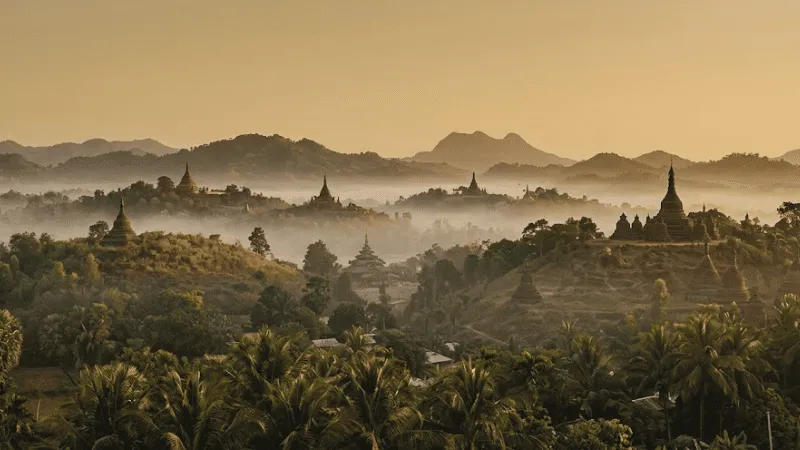
Photographers consistently rank Mrauk U among their favorite destinations in Myanmar. The golden hour light transforms the temple silhouettes into dramatic scenes worth capturing. Sunrise views from elevated points, such as Shwetaung Pagoda, reveal mist settling between distant stupas.
Similarly, sunset offers equally stunning opportunities, particularly from hilltop viewpoints overlooking the valley. The changing light casts long shadows across weathered stone, highlighting intricate carvings and architectural details. Unlike Bagan, where hot air balloons and crowds often fill the frame, Mrauk U scenes usually remain refreshingly empty.
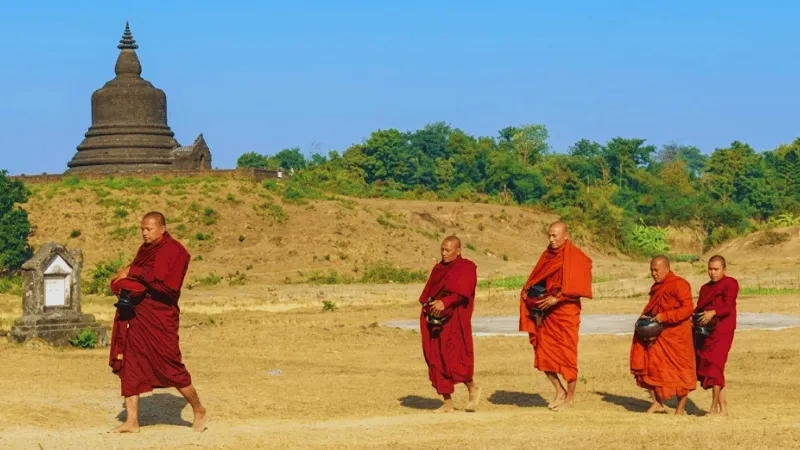
Rice paddies surrounding the temples add vibrant green tones during the growing season. In contrast, the dry season brings golden hues that create a different but equally beautiful palette. Local monks in saffron robes occasionally pass through temple grounds, adding color and life to photographs.
For architecture enthusiasts, the intricate stone carvings deserve close attention. Many temples feature detailed relief work depicting Buddhist stories, mythical creatures, and historical events. Macro photography of these carvings reveals craftsmanship that survived centuries of weathering. Overall, few destinations in Southeast Asia offer such rich and varied photographic subject matter.
Local Culture and the Rakhine Community
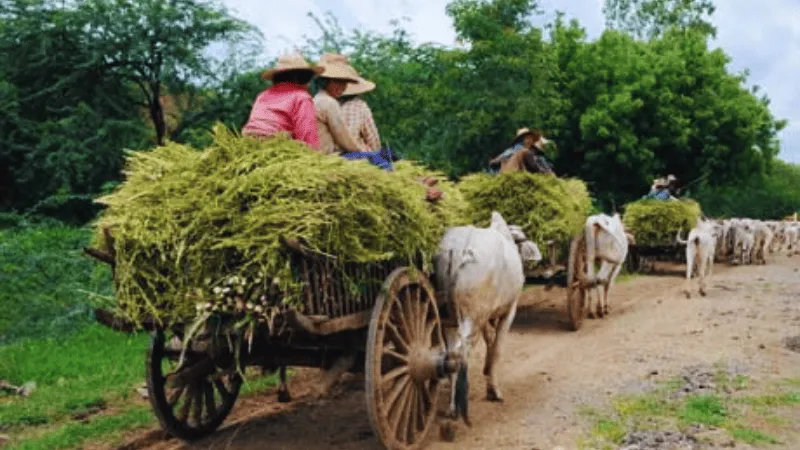
Mrauk U sits within Rakhine State, home to a distinct ethnic and cultural identity. The Rakhine people maintain traditions, cuisine, and customs that differ from central Myanmar. Visiting this region provides deeper cultural insight beyond typical tourist experiences.
Local cuisine features fresh seafood, given the region’s coastal proximity, along with fermented fish pastes. Additionally, Rakhine curries tend to be spicier than dishes found elsewhere in Myanmar. Trying local restaurants in Mrauk U town offers an authentic culinary experience worth seeking out.
Buddhism remains deeply woven into daily life throughout the region. Monks collect alms each morning, and locals frequently visit temples for prayer and reflection. Therefore, showing respect at religious sites matters greatly, including appropriate dress and quiet behavior.
It is worth noting that Rakhine State has experienced periods of political and social tension in recent years. Consequently, travelers should check current travel advisories before planning a visit. Responsible, informed tourism benefits both visitors and local communities when approached thoughtfully.
Travel Tips and Visitor Information
Best Time to Visit Mrauk U
The ideal window for visiting Mrauk U falls between November and February. During these months, temperatures remain cooler and rainfall stays minimal. Consequently, walking between temples becomes far more comfortable during this period.
March through May brings intense heat, often exceeding 35 degrees Celsius. Meanwhile, the monsoon season runs from June through October, bringing heavy rainfall and difficult road conditions. Therefore, early morning visits during any season help travelers avoid the strongest midday heat. Planning around these seasonal patterns significantly improves the overall experience.
How to Reach Mrauk U
Reaching Mrauk U requires some planning, since no major airport serves the town directly. Most travelers fly into Sittwe, the capital of Rakhine State, from Yangon. From Sittwe, a scenic boat ride along the Kaladan River takes approximately five to six hours.
Alternatively, faster speedboats complete the journey in around three hours. This river route offers beautiful views of rural villages and rice fields along the way. Some travelers also arrive by road, though conditions vary depending on the season. Given these options, booking transportation in advance is strongly recommended, particularly during peak season.
Things to Know Before Visiting
First, cash remains essential, since ATMs and card payment options stay limited throughout Mrauk U. Therefore, visitors should carry sufficient Myanmar kyat before arrival. Second, mobile connectivity can be inconsistent, so downloading offline maps beforehand proves helpful.
Additionally, modest clothing is expected when visiting temples and religious sites. Covering shoulders and knees shows appropriate respect for local customs. Hiring a local guide also enhances the experience significantly, since many temples lack detailed signage.
Finally, accommodation options remain limited compared to major tourist destinations. Consequently, booking hotels or guesthouses in advance prevents last-minute complications. Most visitors spend two to three days exploring the site thoroughly, though additional time allows for deeper discovery.
Conclusion
Mrauk U stands as one of Southeast Asia’s most underappreciated archaeological treasures. Its hundreds of temples rival Bagan in historical significance, yet far fewer visitors make the journey. This combination creates a rare opportunity to explore ancient ruins in genuine tranquility.
From the towering Shittaung Temple to peaceful river boat rides, Mrauk U rewards curious travelers generously. Photographers, history enthusiasts, and culture seekers will each find something meaningful here. Furthermore, the surrounding Rakhine community offers authentic cultural experiences beyond the temples themselves.
Although reaching Mrauk U requires extra effort, that very effort preserves its untouched character. Therefore, travelers willing to venture off the beaten path will discover a destination unlike anywhere else in Myanmar. Ultimately, Mrauk U proves that some of the world’s greatest wonders still await those who seek them out.
Explore More Destinations
If Mrauk U has sparked your curiosity for hidden historical wonders, there is a whole world of similar destinations waiting to be discovered. From remote mountain plateaus to untouched coastal archipelagos, hidden gems exist across every continent for travelers who love adventure, culture, and scenic beauty. Explore more of our travel guides to uncover destinations that offer authentic experiences far from crowded tourist trails, and start planning your next off-the-beaten-path journey today.
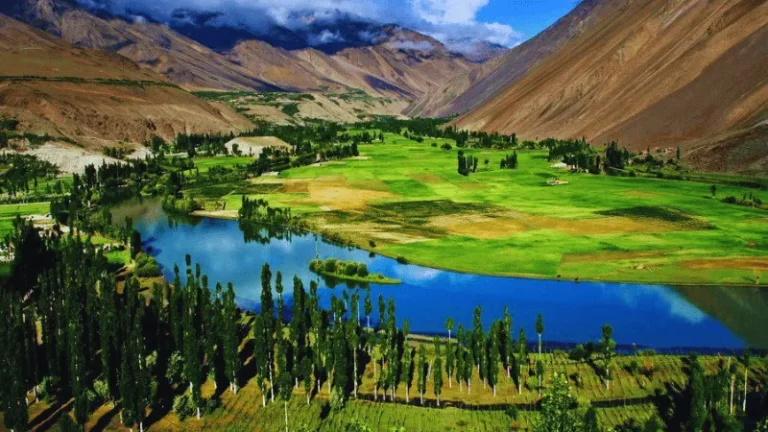
- Discover another remote wonder in Phander Valley, Pakistan: A Complete Travel Guide to a Hidden Gem
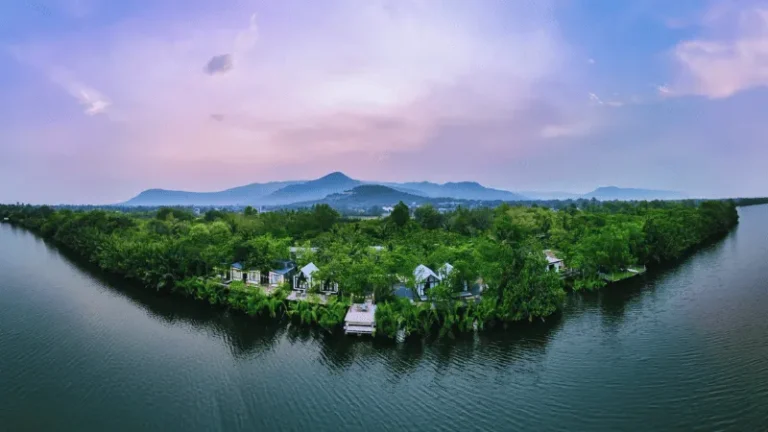
- Slow down and paddle through Kampot, Cambodia: A Slow Travel Kayaking Guide
- Closer to home, try Top 10 Little Walks in Victoria for a Weekend Escape
- Just getting started? Read our Beginner’s Guide to Planning the Perfect Vacation
- For alpine scenery and charm, explore Top 10 Hotels in Iseltwald, Switzerland: Complete Guide
Your queries here
Mrauk U is known for its hundreds of ancient temples and pagodas, once the capital of the powerful Arakan Kingdom from 1430 to 1785.
Mrauk U offers a similar temple-filled landscape to Bagan, but with far fewer tourists, making it ideal for travelers seeking solitude and authenticity.
Most travelers fly to Sittwe, then take a boat along the Kaladan River, which takes three to six hours depending on the vessel.
Two to three days is typically enough to explore the main temples, though extra time allows for deeper cultural and photography experiences.
November through February offers the best weather, with cooler temperatures and minimal rainfall for comfortable temple exploration.