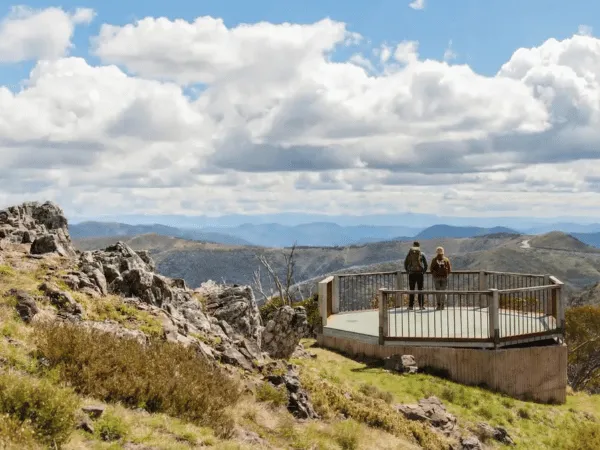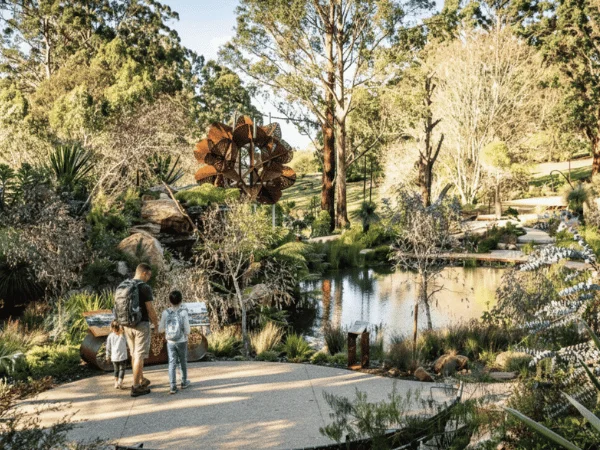
If you are searching for a truly memorable alpine experience in Victoria, the Summit Nature Walk at Mt Buller deserves a top spot on your list. This iconic trail takes you through breathtaking mountain landscapes, past wildflower meadows, and up to one of the most spectacular panoramic viewpoints in the Australian Alps. Whether you are a seasoned hiker or a casual walker looking for something special, the Summit Nature Walk (Mt Buller) delivers an unforgettable journey from start to finish.
Mt Buller sits in the heart of the Victorian Alps, approximately 240 kilometres northeast of Melbourne. It is best known as a premier ski destination during winter. However, the mountain transforms into a paradise for hikers, nature lovers, and photographers during the warmer months. The Summit Nature Walk is, without doubt, the crown jewel of the summer experience here.
What Is the Summit Nature Walk at Mt Buller?
The Summit Nature Walk is a well-marked trail that leads walkers to the summit of Mt Buller, which sits at 1,804 metres above sea level. The walk covers approximately 6 kilometres return and takes most people between two and three hours to complete. Furthermore, the trail is accessible to a wide range of fitness levels, making it one of the most popular alpine walks in Victoria.
The path winds through subalpine woodland, open grasslands, and rocky ridgelines. Additionally, the trail passes several interpretive signs that explain the local ecology, geology, and Indigenous history of the area. These information panels add genuine depth to the experience. They help walkers understand the unique environment they are moving through.
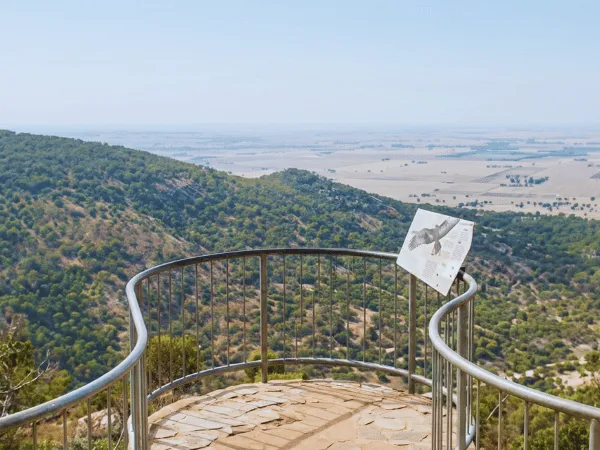
The walk begins from the Mt Buller Village, which sits at around 1,600 metres altitude. Consequently, walkers start already well above the treeline on much of the surrounding terrain. The summit itself offers a 360-degree view that stretches across the Victorian High Country, on a clear day reaching as far as the Great Dividing Range.
The Natural Beauty Along the Trail
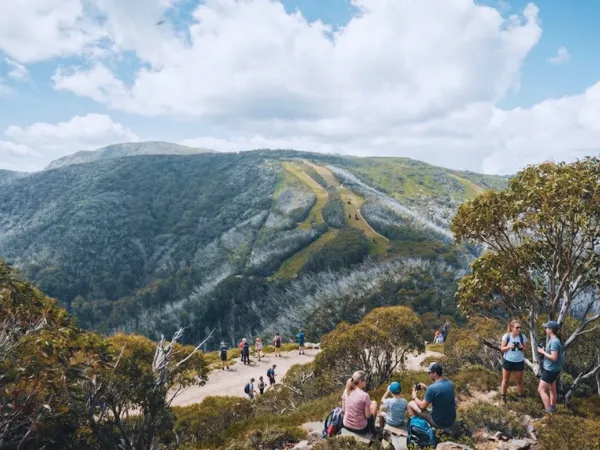
One of the greatest joys of the Summit Nature Walk (Mt Buller) is the ever-changing scenery. As you climb higher, the vegetation shifts dramatically. In the lower sections, snow gum woodlands dominate the landscape. These ancient, twisted trees are a defining feature of the Australian Alps. Their smooth, pale trunks and leathery leaves give the forest a painterly, almost surreal quality.
Further up the trail, the trees thin out and alpine heath takes over. During summer, this section bursts into colour. Bright yellow billy buttons, delicate trigger plants, and vivid alpine daisies carpet the slopes. Moreover, native grasses sway in the mountain breeze, creating a rolling, golden effect that photographers absolutely love.
Near the summit, the landscape becomes more exposed and rocky. Wind-sculpted boulders frame the path, and the views begin to open up dramatically. Therefore, the sense of anticipation builds beautifully with every step. By the time you reach the top, the reward feels genuinely earned.
Wildlife and Birdlife on the Summit Nature Walk
Nature lovers will find the Summit Nature Walk (Mt Buller) particularly rewarding for wildlife encounters. The subalpine zone supports a surprising variety of fauna. Furthermore, because the trail sits within the Mt Buller and Mt Stirling Alpine Resort, the wildlife here has grown relatively accustomed to human presence.
Wallabies are a common sight, particularly in the early morning and late afternoon. They graze calmly along the grassy sections of the trail. Additionally, you may spot wombats, echidnas, and, if you are lucky, a brushtail possum peeking out from a snow gum hollow.
The birdlife is equally impressive. The flame robin and the superb fairy-wren are resident favourites. However, the bird that truly defines the high country is the gang-gang cockatoo. Its distinctive creaking call rings through the woodland like a rusty gate. Meanwhile, overhead, wedge-tailed eagles often ride the thermals above the summit ridge, circling lazily on broad, dark wings.
Bring binoculars if you can. Similarly, move quietly and take your time. The more slowly you walk this trail, the more you will see.
Photography Opportunities on the Mt Buller Summit Walk
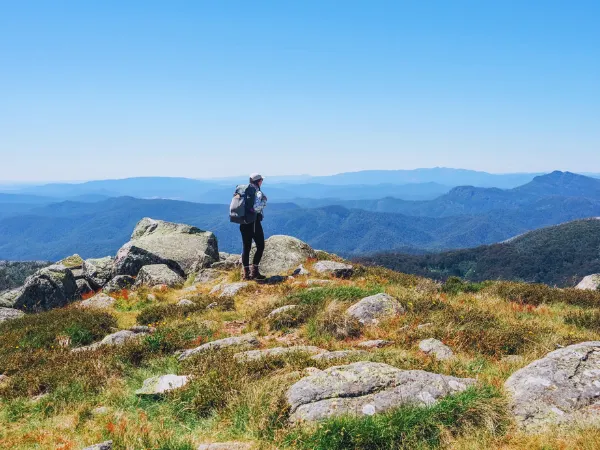
The Summit Nature Walk (Mt Buller) is a photographer’s dream at any time of day. However, golden hour produces the most extraordinary results. Early morning light bathes the snow gums in warm amber tones. Mist often lingers in the valleys below the summit, creating a sea-of-clouds effect that looks almost otherworldly.
During summer, the wildflower blooms provide foreground interest for landscape shots. Moreover, the textured bark of snow gums makes for striking macro photography subjects. You can spend an entire hour photographing just a single tree and still not capture everything it offers.
At the summit itself, the wide-open views in every direction give you endless compositional possibilities. In addition, the rocky outcrops near the top provide natural frames and leading lines. On clear days, distant mountain ranges stack up in layers of blue and purple, creating a sense of almost infinite depth.
For those who enjoy astrophotography, the summit offers superb dark sky opportunities on nights when the resort lights are dim. Consequently, the Milky Way appears with extraordinary clarity above the silhouetted ridgeline.
The History and Cultural Significance of Mt Buller
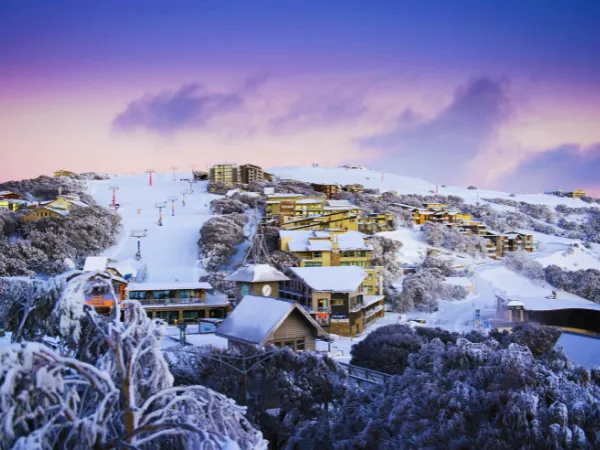
Understanding the history of Mt Buller adds a richer dimension to the Summit Nature Walk experience. The Taungurung people are the Traditional Custodians of this land. They have lived in and around the Victorian Alps for thousands of years. Their deep knowledge of the seasons, plants, and animals of this landscape shaped a sophisticated culture closely tied to the high country.
European settlers first explored the Mt Buller area in the 1830s. Cattlemen drove their herds up to the high plains during summer, a practice that continued for over a century. Therefore, the open grasslands near the summit bear the marks of this pastoral history. The interpretive signs along the trail acknowledge both Indigenous and settler histories with thoughtfulness and care.
Skiing at Mt Buller began in the early 20th century, and the resort grew steadily through the decades. However, conservationists and alpine ecologists pushed for better protection of the subalpine ecosystem. As a result, the surrounding Alpine National Park now protects much of the broader landscape, and the Summit Nature Walk corridor is carefully managed to preserve its ecological integrity.
Travel Tips and Visitor Information
Best Time to Visit
The Summit Nature Walk (Mt Buller) is best experienced from late November through to early April. During this window, the snow has typically melted from the trail, and the alpine flora is at its most vibrant. December and January deliver the longest days and the best wildflower displays. However, February and March offer fewer crowds and equally fine conditions.
Avoid visiting immediately after heavy summer rain if possible. The trail can become muddy and slippery in wet conditions. Additionally, afternoon thunderstorms are common in summer, so aim to start your walk early in the morning and be off the summit before midday.
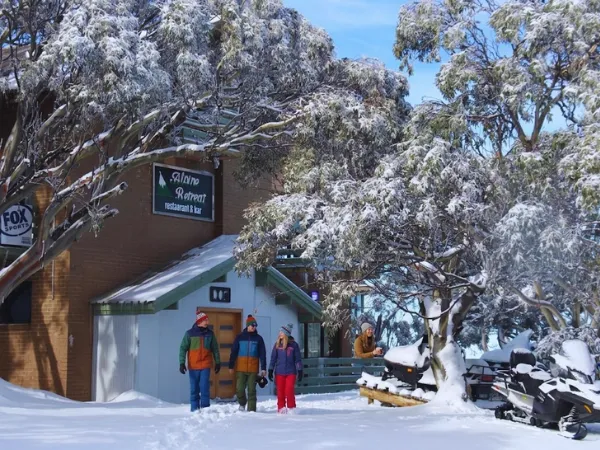
Winter visits are possible but require proper mountaineering experience and equipment. During the ski season, parts of the trail may be inaccessible or covered in snow. Therefore, summer remains the ideal season for most visitors.
How to Reach Mt Buller
Mt Buller is located 240 kilometres northeast of Melbourne via the Maroondah Highway and the Midland Highway. The drive takes approximately three hours depending on traffic. Furthermore, the mountain road from Mansfield to the summit is well-sealed and suitable for standard passenger vehicles.
Mansfield, located at the base of the mountain, is the nearest major town. It offers fuel, groceries, accommodation, and a warm country atmosphere. From Mansfield, it is a further 47-kilometre drive up to the Mt Buller Village.
During the summer months, an entry fee applies to access the resort area. Therefore, budget for this additional cost. The fee goes directly toward maintaining the trails, facilities, and environmental programs on the mountain.
Public transport options are limited. However, shuttle services operate from Melbourne and Mansfield during peak seasons. Check the Mt Buller Resort website for current timetables and bookings.
Things to Know Before Visiting
Wear layers. Mountain weather changes rapidly. Even on warm summer days, temperatures at the summit can drop sharply when clouds roll in. Pack a light but wind-resistant jacket regardless of the forecast.
Carry enough water. There are no reliable water sources along the Summit Nature Walk trail itself. Consequently, bring at least 1.5 litres of water per person for the full return walk.
Wear proper footwear. The trail is mostly well-maintained, but rocky sections near the summit require shoes with good grip and ankle support. Trail runners or light hiking boots work well.
Respect the environment. Stay on the marked trail at all times. Alpine vegetation is extremely fragile and slow to recover from trampling. Additionally, carry out all rubbish and leave no trace of your visit.
Check resort conditions. Before you travel, visit the Mt Buller Resort website or call the resort office for the latest trail conditions, any closures, and current entry fee information.
Start early. The walk takes two to three hours return. Starting by 8am or 9am gives you the best light, cooler temperatures, and the best chance of clear summit views before afternoon clouds build.
Nearby Attractions Worth Exploring
The Mt Buller region offers much more than just the Summit Nature Walk. Mt Stirling, just a short drive away, provides an equally rewarding alpine walking experience with a different character. Furthermore, the Howqua Valley below the mountain is renowned for its river fishing, mountain biking trails, and serene bush camping.
Mansfield itself is a charming High Country town well worth a visit. Local breweries, farm-gate producers, and the famous Man from Snowy River heritage make it a destination in its own right. Additionally, Merrijig, just outside Mansfield, serves as the gateway to the Mt Buller Road and offers excellent horseriding experiences through the foothills.
For those with more time, the broader Alpine National Park stretches for hundreds of kilometres in every direction. Consequently, the Summit Nature Walk at Mt Buller can serve as the starting point for a much longer High Country adventure.
Conclusion
The Summit Nature Walk (Mt Buller) is one of Victoria’s finest alpine experiences. It combines accessible terrain with genuinely spectacular scenery, rich wildlife, fascinating history, and some of the best mountain photography in the country. Furthermore, it rewards both casual visitors and serious nature enthusiasts equally.
Whether you hike to the summit for the wildflowers, the views, the birdlife, or simply the joy of moving through a pristine alpine landscape, this trail will stay with you long after you leave. Therefore, if you are planning a trip to the Victorian Alps, make the Summit Nature Walk your priority. You will not regret it.
Pack your layers, lace up your boots, fill your water bottle, and head for the summit. The mountain is waiting.
Explore More Destinations
If you enjoyed reading about the Summit Nature Walk (Mt Buller), there are plenty more incredible destinations waiting to be discovered. From hidden coastal gems and ancient rainforests to remote outback trails and charming country towns, our travel guides cover the full breadth of Australia’s remarkable landscapes and beyond. Explore our destination guides to find your next adventure, uncover lesser-known scenic routes, and get practical travel tips that make every journey smoother and more memorable. Your next great experience is just one read away.