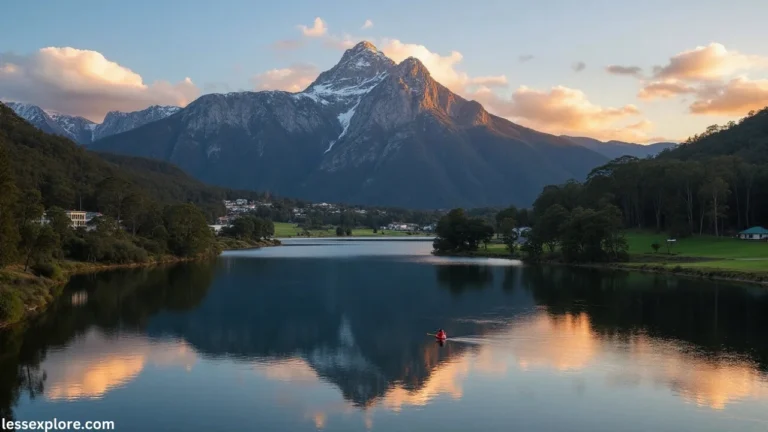
If you love hiking through history, nature, and breathtaking scenery all at once, the Aqueduct Trail at Falls Creek deserves a top spot on your bucket list. Tucked away in the Victorian Alps of Australia, this remarkable trail follows the path of an old water supply system built in the 1930s. Today, it draws thousands of walkers each year — and for very good reason. The Aqueduct Trail offers a rare combination of gentle terrain, alpine wildflowers, ancient engineering, and panoramic mountain views. Whether you are a seasoned hiker or a casual weekend walker, this trail welcomes you with open arms.
Furthermore, the trail sits within the Falls Creek Alpine Resort precinct, making it accessible from one of Victoria’s most popular ski destinations. However, the Aqueduct Trail truly shines during the warmer months. So lace up your boots and let us explore everything this stunning walk has to offer.
The History Behind the Aqueduct Trail at Falls Creek
To truly appreciate the Aqueduct Trail, you need to understand its origins. In the 1930s, the State Electricity Commission of Victoria (SEC) constructed a network of aqueducts across the Bogong High Plains. These channels were designed to carry meltwater from the mountains down to the Kiewa Hydroelectric Scheme below.
Workers hand-dug much of this system in rugged alpine conditions. They lived in remote camps, endured harsh winters, and shaped a remarkable piece of infrastructure that still functions today. Consequently, the aqueduct channels you walk beside on this trail are not just scenic — they are a living piece of engineering history.
Moreover, the SEC constructed the Falls Creek resort village during this era to house workers and their families. This explains why Falls Creek has such a unique character compared to other ski resorts in Australia. Its history runs deeper than snow sports alone. Therefore, walking the Aqueduct Trail connects you directly to the pioneers who shaped this alpine landscape.
What Makes the Aqueduct Trail So Special
The Aqueduct Trail stands out from other alpine walks because it combines ease of access with extraordinary scenery. The trail follows a near-flat gradient along the aqueduct channel, making it suitable for most fitness levels. Additionally, the path winds through some of the most stunning high country terrain in Victoria.
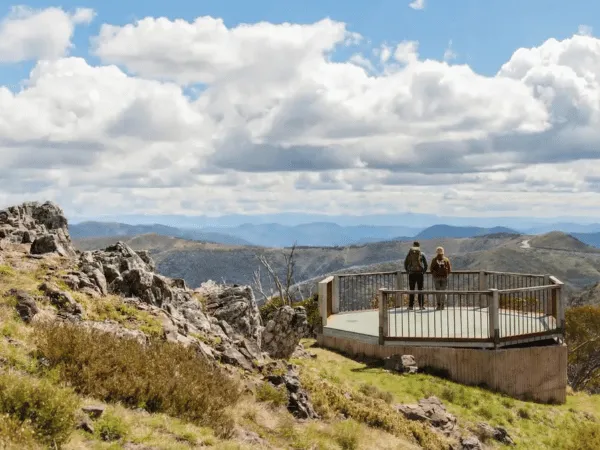
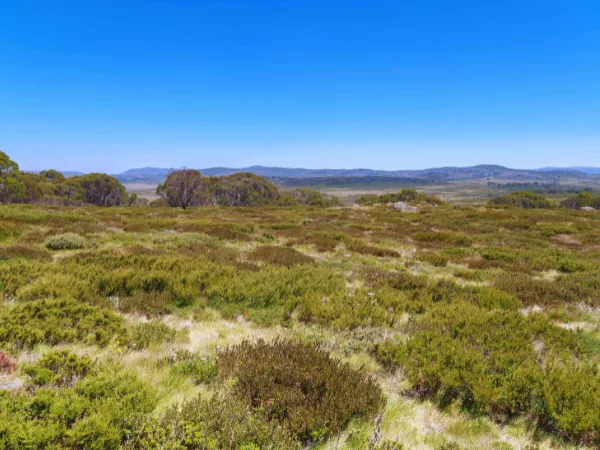
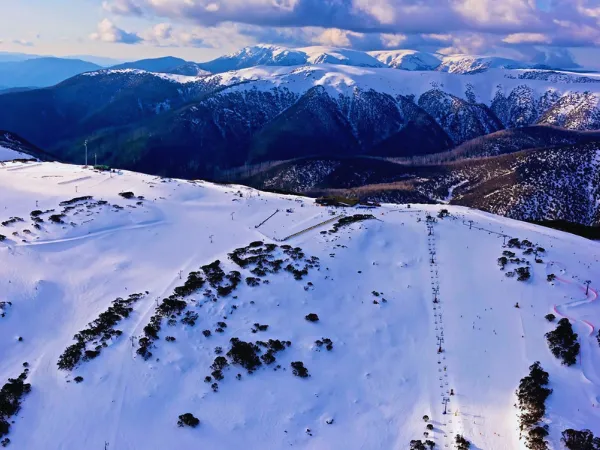
Throughout the walk, you encounter sweeping views of the Bogong High Plains. On clear days, you can see for many kilometres across rolling alpine meadows and distant ridgelines. Furthermore, the trail passes through pockets of snow gum woodland, where the twisted white and grey trunks create an almost ethereal atmosphere.
The aqueduct channel itself adds a fascinating visual element. You walk beside a flowing stream of crystal-clear water moving silently along engineered channels. In some sections, small wooden bridges cross the channel, adding to the charm. Similarly, the sound of trickling water accompanies you throughout the walk, creating a peaceful and meditative experience.
In summer, the High Plains erupt in colour. Alpine wildflowers bloom in brilliant yellows, purples, and whites. Species like Billy buttons, Mountain daisies, and Trigger plants carpet the meadows alongside the trail. Consequently, summer walkers often find themselves stopping every few metres to photograph the floral display.
The Trail Route: What to Expect on the Walk
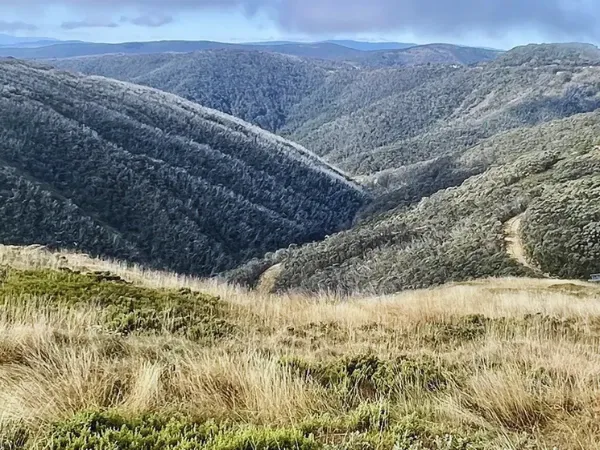
The Aqueduct Trail at Falls Creek typically runs for around 10 kilometres as a one-way walk, though many visitors choose to do shorter sections. Most walkers begin at the Rocky Valley Storage dam wall and follow the aqueduct south toward Langford Gap or beyond. However, you can join the trail at several points around the resort village.
The trail surface is generally well-maintained and easy to follow. For the most part, it consists of a gravel and earth path running alongside the open aqueduct channel. Additionally, trail markers and signage make navigation straightforward, even for first-time visitors.
One of the most popular sections runs from the Rocky Valley Storage area toward the Langford’s High Plains campsite. This stretch offers the best combination of views, wildflower meadows, and snow gum woodland. Furthermore, it passes the iconic Ruined Castle, a dramatic rock formation that provides an excellent photography opportunity.
Many walkers also extend their journey toward Pretty Valley, a breathtakingly beautiful open plain that lives up to its name completely. The valley sits at over 1,600 metres elevation, and on a still morning, the reflections in Pretty Valley Pondage are truly unforgettable. Therefore, if you have the time and energy, this extension rewards you generously.
Wildlife and Nature Along the Aqueduct Trail
The Aqueduct Trail passes through some of Victoria’s most biodiverse alpine ecosystems. As a result, wildlife sightings are a regular highlight for visitors. The Bogong High Plains host a rich variety of native animals, and many of them live alongside the aqueduct route.
Keep your eyes open for Eastern Grey Kangaroos and Wallabies, which graze in the open meadows in the early morning and late afternoon. Additionally, Wombats are common in this area and often appear near the trail, particularly around dawn and dusk. Their rounded shapes and unhurried movements make them endlessly entertaining to watch.
Birdwatchers will also find plenty to celebrate here. The trail regularly delivers sightings of Flame Robins, Gang-gang Cockatoos, Wedge-tailed Eagles, and the spectacular Superb Lyrebird. Furthermore, the Snow Gum woodlands provide ideal habitat for many woodland species, so bring binoculars if you have them.
The alpine environment itself deserves attention. Snow gums are extraordinary trees. They survive months under heavy snow, and their twisted, multi-coloured trunks tell stories of decades of alpine survival. Moreover, the peat bogs and sphagnum moss communities along the trail play a critical role in water filtration for the entire catchment. So every step you take sits on a remarkably important ecological foundation.
Photography Opportunities on the Aqueduct Trail
Few trails in Australia offer so many different photography subjects in such a compact space. The Aqueduct Trail delivers stunning shots at every turn, and therefore it attracts photographers of all skill levels throughout the season.
The aqueduct channel itself creates beautiful leading lines in photographs. The straight sections draw the eye into the distance, especially with alpine meadows blooming on either side. Similarly, the reflections in the still water sections create wonderful mirror images of the sky and surrounding snow gums.
Sunrise and sunset light on the Bogong High Plains ranks among the most spectacular in Victoria. During golden hour, the open plains glow in warm amber and orange tones. Meanwhile, the snow gum trunks catch the light and seem to almost luminescently gleam. Consequently, arriving early or staying late significantly upgrades your photography results.
The Ruined Castle rock formation offers dramatic landscape photography, particularly in misty morning conditions. Additionally, Pretty Valley Pondage provides classic reflection shots that look almost too perfect to be real. Therefore, pack a tripod if landscape photography is your goal.
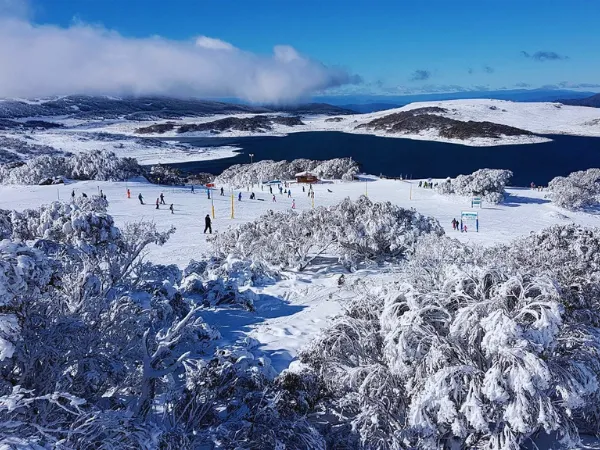
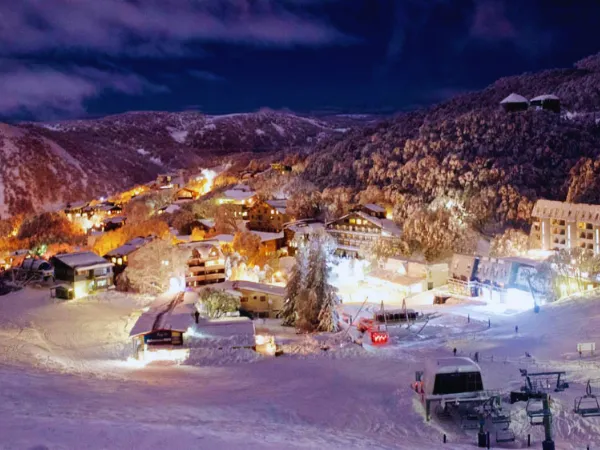
In winter, the trail transforms entirely. Snow covers the landscape in brilliant white, and the contrast between the dark snow gum trunks and the snow creates striking monochromatic compositions. However, winter access requires proper preparation and equipment.
Travel Tips and Visitor Information
Best Time to Visit the Aqueduct Trail at Falls Creek
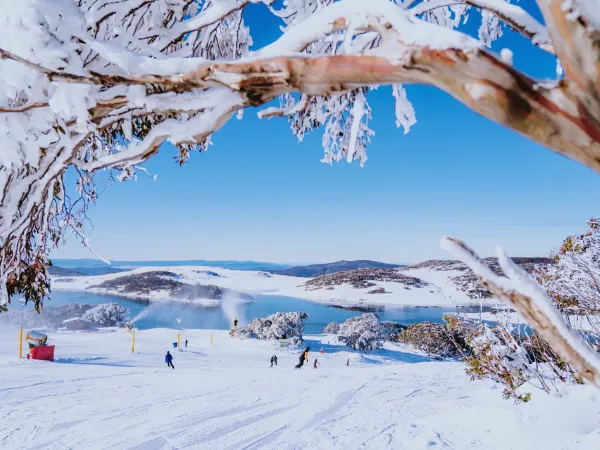
Summer (December to February) is widely considered the best time to walk the Aqueduct Trail. During this period, the alpine wildflowers bloom at their peak, temperatures stay comfortable, and trail conditions are at their best. Furthermore, longer daylight hours give you plenty of time to explore without rushing.
Autumn (March to May) also offers excellent walking conditions. The crowds thin considerably after summer, temperatures remain mild, and the changing colours of the alpine vegetation create beautiful scenery. Additionally, wildlife activity tends to increase as animals prepare for winter.
Spring (September to November) brings snowmelt and fresh growth, but some sections of the trail can be muddy and wet. Therefore, waterproof footwear becomes essential during this season. However, the early wildflower blooms and the dramatic snowmelt make spring walks genuinely memorable.
Winter (June to August) transforms the area into a ski resort. The trail itself may be snow-covered and difficult to follow without proper alpine navigation skills. Moreover, access to the resort requires snow chains or a four-wheel-drive vehicle during this season.
How to Reach the Aqueduct Trail at Falls Creek
Falls Creek sits approximately 375 kilometres northeast of Melbourne. Most visitors drive from Melbourne, with the journey taking around four to five hours via the Hume Freeway and then the Snow Road through Mount Beauty.
By Car: Take the Hume Freeway north from Melbourne toward Wangaratta, then follow signs toward Bright and Mount Beauty. From Mount Beauty, the winding Falls Creek Road climbs steeply to the resort. Furthermore, note that during winter months, snow chains are compulsory and must be carried at all times above the snow line.
By Bus: During the ski season, several coach services operate between Melbourne and Falls Creek. However, summer bus services are limited, so checking current schedules before your trip is important. Additionally, some tour operators run guided day trips to Falls Creek from Melbourne and Bright during the warmer months.
Parking: Free parking is available at several locations around the resort village. The Rocky Valley Storage area provides the most convenient access point for the Aqueduct Trail. Moreover, the resort operates a free shuttle bus system around the village during busy periods.
Things to Know Before Visiting the Aqueduct Trail
Entry Fees: Falls Creek Alpine Resort charges a day visitor fee during the ski season. However, during summer, entry to the resort is generally free of charge. Always check the current fee structure on the Falls Creek website before visiting.
Footwear: Wear sturdy walking shoes or trail runners with good grip. While the trail is relatively flat, the surface can be uneven and slippery when wet. Additionally, waterproof footwear helps enormously during spring and after rain.
Water and Food: Carry plenty of drinking water, as facilities along the trail are limited. Furthermore, Falls Creek Village offers several cafes and restaurants if you need to stock up before starting. Pack snacks or lunch for longer walks.
Weather Preparedness: Alpine weather changes rapidly. Therefore, always carry an extra warm layer, a waterproof jacket, and a sun hat. The UV radiation at altitude is significantly stronger than at sea level, so sunscreen is essential even on cloudy days.
Leave No Trace: The Bogong High Plains ecosystem is fragile and protected. Always stay on designated trails, carry out all rubbish, and avoid picking wildflowers. Moreover, keep your distance from wildlife and never feed animals.
Mobile Coverage: Mobile phone coverage in the alpine area can be patchy. Consequently, downloading offline maps before your visit is a wise precaution.
Conclusion: Why the Aqueduct Trail at Falls Creek Belongs on Your Hiking List
The Aqueduct Trail at Falls Creek delivers an experience that few other walks in Australia can match. It combines remarkable history, extraordinary biodiversity, sweeping alpine views, and accessible terrain into one unforgettable journey. Furthermore, it proves that you do not need to be a hardcore mountaineer to experience the magic of the Victorian Alps.
Whether you spend a couple of hours strolling beside the historic water channels or spend a full day exploring toward Pretty Valley and beyond, this trail leaves a lasting impression. Additionally, the surrounding resort village adds convenience and comfort that many remote alpine trails simply cannot offer.
Therefore, if you are planning a trip to regional Victoria, put the Aqueduct Trail firmly at the top of your itinerary. It rewards every type of walker — history lovers, nature enthusiasts, photographers, and families alike. Moreover, it connects you to a landscape of extraordinary beauty and significance that deserves far more recognition than it currently receives.
Pack your bag, charge your camera, and head for the high country. The Aqueduct Trail at Falls Creek is waiting for you.
Explore More Destinations
If the Aqueduct Trail has ignited your passion for alpine adventures and scenic walks, there is so much more to discover. Our travel guides cover an incredible range of hidden gems, breathtaking landscapes, iconic trails, and off-the-beaten-path destinations across Australia and beyond. Whether you are searching for your next great hike, a peaceful nature escape, a cultural city break, or a thrilling adventure experience, you will find expert tips and detailed guides to inspire your journey. Explore more destinations and start planning your next unforgettable adventure today.