Just an hour from the buzzing streets of Tijuana lies a landscape that feels worlds away. Valle de Guadalupe stretches across rolling hills covered in vineyards, dotted with boutique wineries and gourmet restaurants. This is Mexico’s premier wine region, and it deserves far more attention than it currently gets. Travelers who venture here discover a destination that combines exceptional wine, creative cuisine, and stunning mountain scenery. Meanwhile, the crowds that flood Napa Valley every weekend simply haven’t found their way south yet.
Consequently, Valle de Guadalupe offers something increasingly rare: authentic wine country charm without the tour bus chaos. Additionally, the region has quietly built a reputation among chefs, sommeliers, and food critics as one of the most exciting culinary destinations in North America. This blog post explores why Valle de Guadalupe should be on every wine lover’s radar, along with practical tips for planning your trip.
A Brief History of Valle de Guadalupe
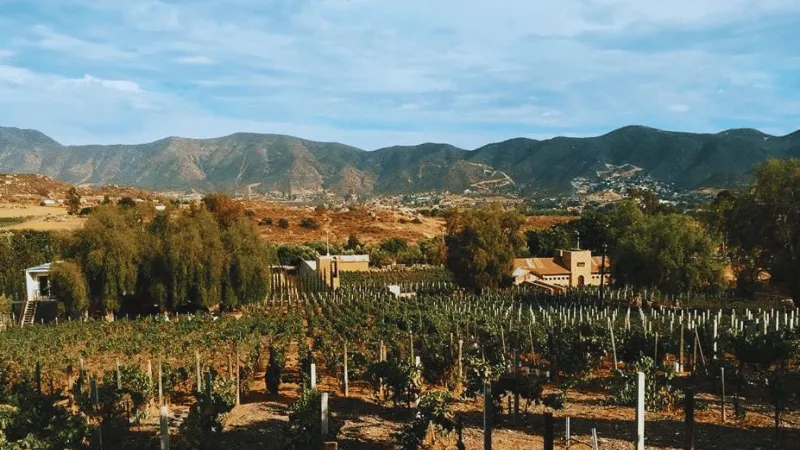
Valle de Guadalupe’s winemaking story begins in the late 1800s, when Russian immigrants settled in the valley and planted the region’s first vineyards. However, the modern wine boom didn’t take off until the 1980s and 1990s, when a handful of pioneering families recognized the valley’s potential. Its Mediterranean climate, combined with mineral-rich soil, creates ideal conditions for growing grapes.
Today, the region produces roughly 90 percent of Mexico’s wine output. Furthermore, it has evolved into a full-fledged culinary destination, attracting chefs who want to cook alongside the vineyards that supply their kitchens. Small, family-run wineries still dominate the landscape, which keeps the atmosphere intimate. In contrast to the corporate feel of some larger wine regions, Valle de Guadalupe retains a handmade, personal quality that visitors notice immediately.
This blend of history and innovation gives the valley its unique character. Consequently, a visit here feels like discovering something before everyone else catches on.
Boutique Wineries Worth Visiting
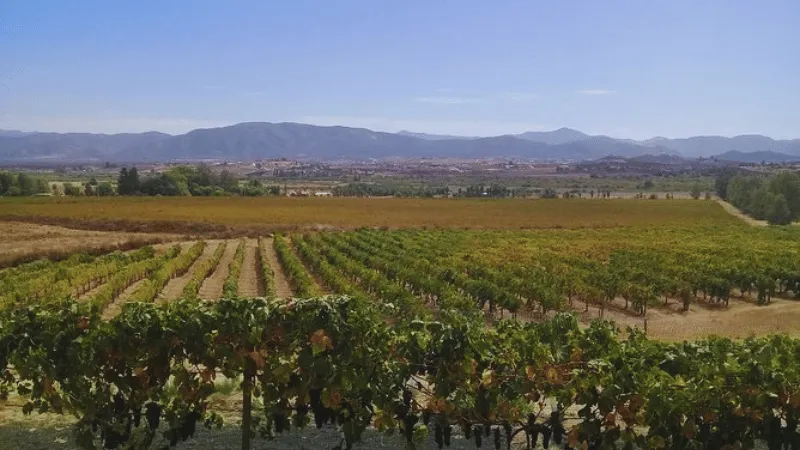
Valle de Guadalupe is home to more than 150 wineries, ranging from tiny operations to architecturally striking estates. Many wineries welcome visitors for tastings, cellar tours, and vineyard walks. Therefore, planning a winery-hopping day is easy, even for first-time visitors.
Vena Cava stands out for its underground cellar built from repurposed boat hulls. The design alone makes it worth a stop, and the wines hold their own against the setting. Similarly, Bruma offers a striking architectural experience, with its striped concrete tasting room framed by mountain views. Meanwhile, Casa de Piedra remains a local favorite, known for producing some of the valley’s most respected reds.
Smaller producers like Lechuza and Tres Mujeres deserve attention too. These family-run operations often provide more personal tastings, sometimes led by the winemakers themselves. As a result, visitors get direct insight into the winemaking process and the valley’s terroir.
Because tasting rooms are spread across a relatively compact area, it’s easy to visit three or four wineries in a single day. However, spacing out visits allows time to actually savor each experience rather than rushing through.
Gourmet Dining Amid the Vineyards
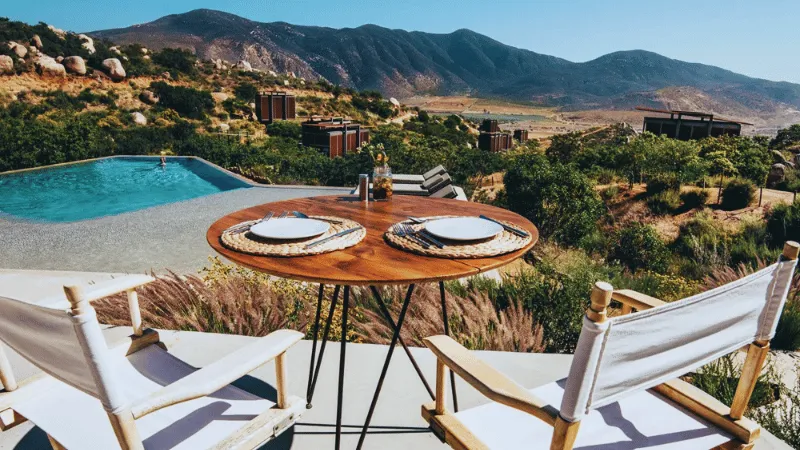
Food plays an equally important role in Valle de Guadalupe’s appeal. The region has become a magnet for chefs practicing Baja Med cuisine, a style that blends fresh seafood, Mediterranean techniques, and Mexican ingredients. Many restaurants source produce directly from on-site gardens, which keeps menus seasonal and constantly changing.
Fauna, located at the Bruma winery, exemplifies this farm-to-table philosophy. Chefs harvest vegetables just steps from the open-air kitchen. Similarly, Deckman’s en el Mogor offers rustic, wood-fired cooking in a garden setting, with much of the produce grown on-site. These restaurants prove that fine dining doesn’t require formal walls or white tablecloths.
For a more casual experience, food trucks and open-air markets scattered throughout the valley serve excellent tacos, grilled meats, and fresh oysters. Additionally, many wineries pair their tastings with small bites, creating a natural rhythm between sipping and snacking throughout the day.
This culinary creativity, paired with dramatic vineyard views, makes dining here memorable. Consequently, food lovers often rank Valle de Guadalupe alongside destinations like Napa Valley and Tuscany for its gastronomic appeal.
Scenic Landscapes and Photography Opportunities
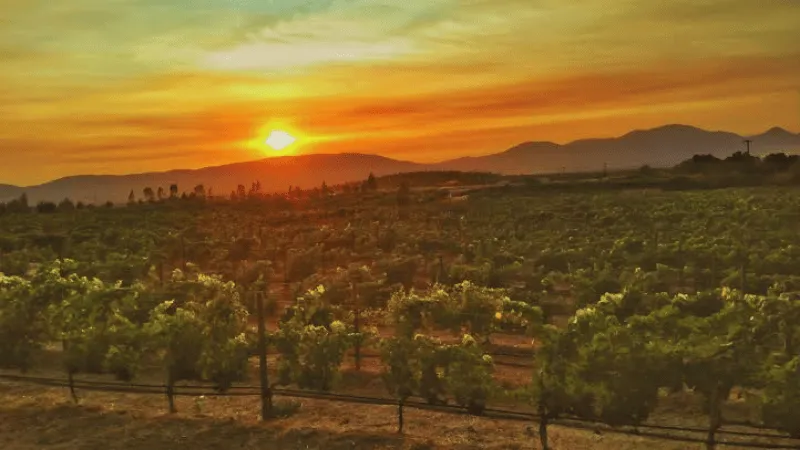
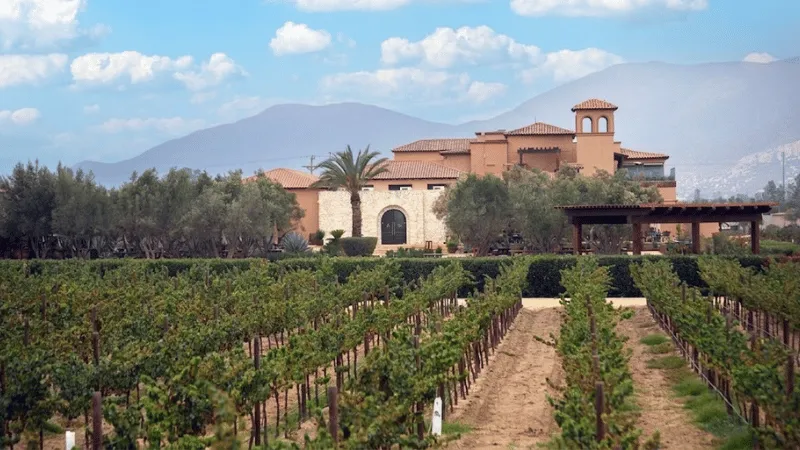
Valle de Guadalupe’s natural beauty rivals its wine and food. Rolling hills covered in neat rows of grapevines stretch toward distant mountains, creating postcard-worthy views at nearly every turn. Morning light filters through the vines, while golden hour bathes the entire valley in warm color.
Photographers will find endless opportunities here. For example, the barrel rooms at wineries like Vena Cava offer moody, atmospheric shots. Meanwhile, the open vineyard rows provide sweeping landscape compositions, especially during harvest season when the leaves turn shades of amber and red.
Beyond the vineyards themselves, the valley’s rugged terrain adds visual variety. Rocky outcrops, olive groves, and small farms break up the landscape, preventing any sense of monotony. Furthermore, many properties feature striking modern architecture that contrasts beautifully with the natural surroundings.
Sunset is particularly special here. As the sky turns pink and orange, the vineyards seem to glow. Therefore, timing a visit to a hillside winery for late afternoon often delivers the most rewarding photos of the entire trip.
Local Culture and Authentic Experiences
Beyond wine and food, Valle de Guadalupe offers genuine cultural immersion. The region sits within Mexico’s larger Baja California wine country, an area shaped by immigrant communities, indigenous heritage, and a strong agricultural tradition. Visiting local markets provides insight into daily life beyond the tourist trail.
San Antonio de las Minas, a small town within the valley, offers a glimpse of everyday Mexican life away from the polished wineries. Local artisans sell pottery, textiles, and handmade goods, giving visitors a chance to support small businesses directly. Additionally, several wineries host live music events and cultural festivals throughout the year, particularly during harvest season in August and September.
The region’s slower pace also encourages meaningful conversations with winemakers, chefs, and locals. Unlike more commercialized wine regions, Valle de Guadalupe still feels personal. As a result, visitors often leave with a deeper appreciation for the people behind the wine, not just the bottles themselves.
This authenticity is part of what makes the valley special. Moreover, it reflects Mexico’s broader culinary and artistic renaissance, which has drawn international attention in recent years.
Travel Tips for Visiting Valle de Guadalupe
Best Time to Visit
The ideal time to visit Valle de Guadalupe is between September and November, during the grape harvest season. Temperatures remain pleasant, and many wineries host special harvest events. Spring, from March through May, also offers mild weather and blooming landscapes.
In contrast, summer months can bring intense heat, particularly in July and August. Therefore, visitors traveling during summer should plan outdoor activities for morning or early evening. Winter remains mild overall, though occasional rain showers may affect vineyard visits.
How to Reach Valle de Guadalupe
Most travelers reach Valle de Guadalupe by flying into San Diego, California, then crossing the border into Tijuana. From there, the valley sits roughly a 60 to 90-minute drive south, depending on traffic and border wait times.
Renting a car offers the most flexibility, since wineries are spread across a wide area with limited public transportation. Alternatively, several tour companies offer guided day trips from Tijuana or Ensenada, which removes the stress of driving and border logistics. For travelers already in Baja California, Ensenada sits just 30 minutes from the valley, making it a convenient home base.
Things to Know Before Visiting
Cash remains useful throughout the valley, since smaller wineries and food stalls may not accept credit cards. Additionally, many tasting rooms require reservations, especially during peak season, so booking ahead prevents disappointment.
Comfortable shoes are essential, as many properties involve walking across uneven vineyard terrain. Furthermore, sun protection matters year-round, given the valley’s exposed, open landscape. Travelers should also pace themselves during tastings, since sampling multiple wineries in one day can add up quickly.
Finally, Spanish is the primary language spoken locally. However, most winery staff and restaurant workers in tourist areas speak at least basic English, which makes communication manageable for international visitors.
Nearby Attractions Worth Exploring
Valle de Guadalupe’s location makes it easy to combine with other Baja California highlights. Ensenada, a coastal city known for its seafood and lively waterfront, sits just a short drive away. Visitors can easily pair a morning of wine tasting with an afternoon exploring Ensenada’s fish market and malecón.
Additionally, the Pacific coastline near Puerto Nuevo offers fresh lobster dinners and dramatic ocean views. For travelers wanting a beach component to their trip, this coastal stretch provides a refreshing contrast to the inland vineyards. Meanwhile, Tijuana itself has undergone a cultural revival, with an emerging food scene and vibrant arts district worth exploring before crossing back into the United States.
These nearby destinations allow travelers to build a well-rounded Baja California itinerary, extending beyond wine country alone.
Conclusion
Valle de Guadalupe offers a rare combination of world-class wine, inventive cuisine, and breathtaking scenery, all without the overwhelming crowds found in destinations like Napa Valley. From boutique wineries carved into hillsides to farm-to-table restaurants set among the vines, this Mexican wine region rewards travelers who take the time to explore it properly. Furthermore, its rich history and welcoming local culture add depth beyond the wine itself.
Whether you’re a dedicated oenophile or simply seeking a scenic getaway, Valle de Guadalupe delivers an unforgettable experience. Consequently, this destination deserves a spot on any serious traveler’s bucket list, especially for those craving authenticity alongside beauty. Plan your visit during harvest season, book your tastings ahead of time, and prepare to fall in love with Mexico’s most exciting wine region.
Explore More Destinations
Ready to plan your next adventure? If you’re just getting started, our beginner’s guide to planning the perfect vacation is a great place to begin. For more scenic inspiration, take a look at these 9 beautiful spots in Switzerland or discover the top 10 waterfalls in Victoria you shouldn’t miss. And for even more hidden gems, travel tips, and adventure destinations, browse our full collection on the Less Explore blog.
Your queries here
Valle de Guadalupe is known as Mexico’s premier wine region, producing roughly 90 percent of the country’s wine. It’s also celebrated for its boutique wineries, farm-to-table restaurants, and scenic mountain landscapes.
The best time to visit is between September and November, during the grape harvest season. Spring, from March through May, also offers mild weather and blooming scenery.
Most travelers fly into San Diego, cross the border into Tijuana, then drive roughly 60 to 90 minutes south to reach the valley. Renting a car offers the most flexibility for visiting multiple wineries.
Valle de Guadalupe is generally more affordable than Napa Valley, with lower tasting fees and dining costs. It also sees fewer crowds, making for a more relaxed experience overall.
Yes, many wineries require reservations, especially during peak season and harvest months. Booking ahead helps secure tastings and avoid disappointment.