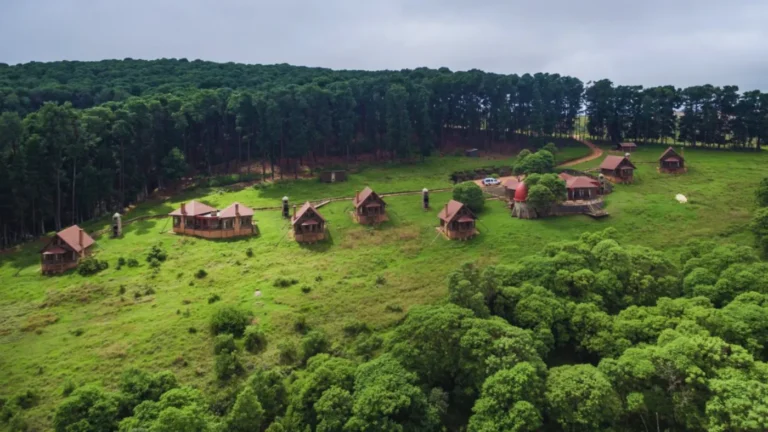
Off the western coast of Central Africa, two tiny volcanic islands rise from the Atlantic Ocean. Sao Tomé and Príncipe remains one of the least visited nations on Earth. Consequently, travelers who make the journey discover pristine beaches, dense rainforest, and a culture untouched by mass tourism. Furthermore, this small island nation offers an authentic escape for those tired of crowded destinations. Sao Tomé and Príncipe combines volcanic peaks, cocoa plantations, and empty coastlines into one remarkable package.
This guide covers everything travelers need to know about visiting Sao Tomé and Príncipe. We will explore its history, main attractions, activities, culture, and practical visitor information. By the end, you will understand why this hidden archipelago deserves serious consideration for adventurous travelers.
A Brief History of Sao Tomé and Príncipe
Portuguese explorers discovered these uninhabited islands in the late 15th century. They quickly recognized the volcanic soil’s potential for agriculture. Therefore, colonizers established sugar plantations, followed later by coffee and cocoa production. By the 19th century, Sao Tomé had become one of the world’s largest cocoa producers.
However, this economic success came at a devastating human cost. Colonial plantations relied heavily on forced labor and enslaved workers from mainland Africa. This dark chapter shaped the islands’ demographics and culture significantly. Meanwhile, Portuguese influence remained strong until independence arrived in 1975.
Since gaining independence, Sao Tomé and Príncipe has developed slowly and steadily. The country avoided the large-scale conflicts that affected many African nations. Consequently, it remains one of the most politically stable countries on the continent. Today, cocoa production continues, though tourism has emerged as a growing economic opportunity.
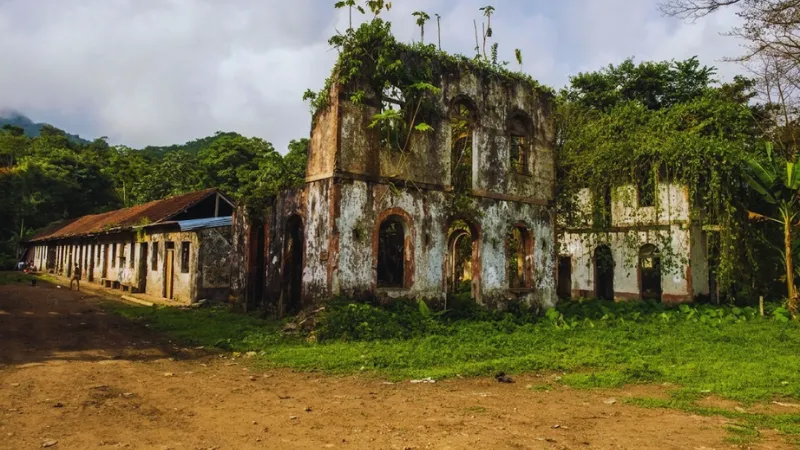
Understanding this history adds depth to any visit. Plantation ruins, colonial architecture, and cultural traditions all reflect this complex past. Therefore, travelers gain more than scenery; they encounter a living historical narrative.
Main Attractions Across the Islands
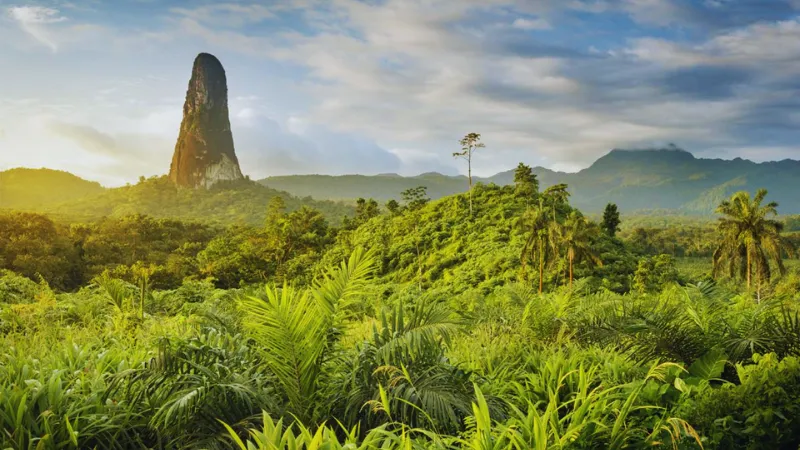
Sao Tomé, the larger island, features dramatic volcanic peaks rising from lush rainforest. Pico Cão Grande, a striking rock spire reaching 663 meters, stands as one of Africa’s most unusual natural landmarks. Additionally, the island’s interior contains numerous waterfalls, including the impressive São Nicolau Falls.
Príncipe, the smaller and more remote island, offers even greater seclusion. UNESCO designated Príncipe a Biosphere Reserve, recognizing its exceptional biodiversity. Meanwhile, its beaches rank among the most pristine in Africa, often completely empty even during peak season.
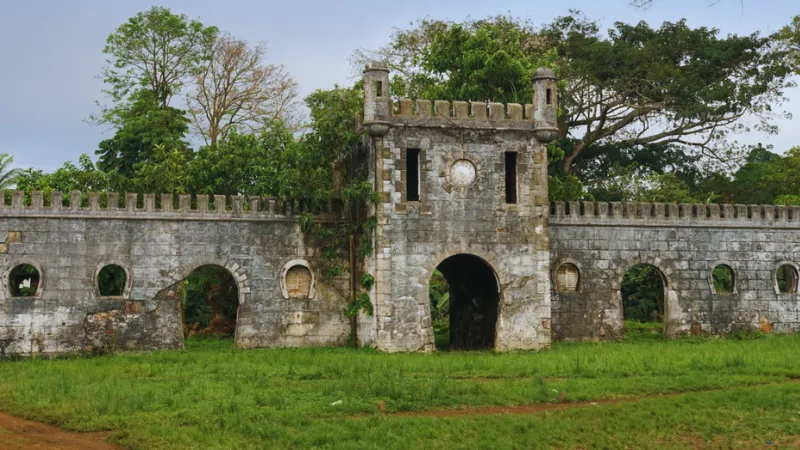
Roça plantations scattered across both islands showcase colonial-era architecture and agricultural history. Many have been restored into boutique accommodations, blending history with modern comfort. Furthermore, local guides at these sites explain cocoa production processes still used today.
The capital, also named São Tomé, offers a relaxed introduction to island life. Colorful colonial buildings line the waterfront, while local markets sell fresh produce and seafood. Therefore, visitors can combine urban exploration with the islands’ natural attractions during their stay.
Activities and Experiences for Every Traveler
Sao Tomé and Príncipe rewards travelers seeking adventure and relaxation alike. Hiking remains one of the most popular activities, with trails winding through rainforest toward volcanic peaks. Obô Natural Park, covering much of both islands, protects this incredible biodiversity.
Snorkeling and diving reveal vibrant coral reefs and diverse marine life surrounding the islands. Additionally, sea turtles nest along several beaches between October and March, offering unforgettable wildlife encounters. Boat tours around Príncipe allow visitors to explore hidden coves inaccessible by land.
Cocoa plantation tours provide fascinating cultural and agricultural insight. Visitors learn traditional harvesting methods, then sample chocolate produced directly on-site. Similarly, coffee tours offer comparable experiences for those interested in the islands’ other major export.
Birdwatching enthusiasts will find exceptional opportunities throughout both islands. Sao Tomé and Príncipe hosts numerous endemic bird species found nowhere else on Earth. Consequently, ornithologists consider this destination a genuine bucket-list location. Fishing trips, waterfall swimming, and simple beach relaxation round out the islands’ diverse activity options.
Scenic Highlights and Photography Opportunities
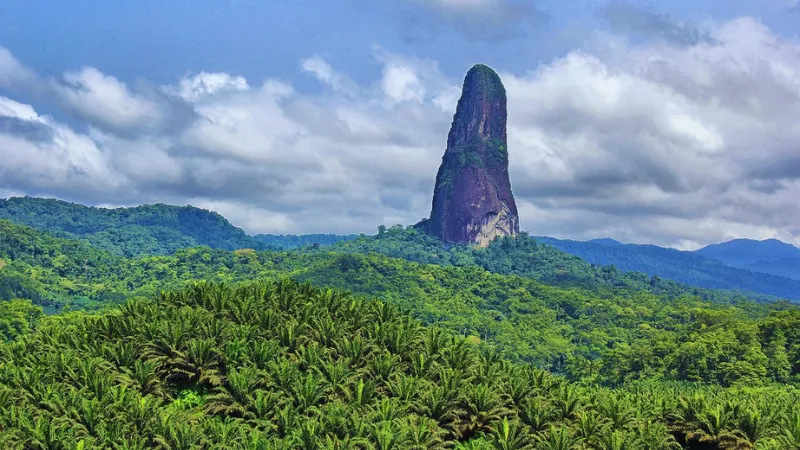
Few destinations offer scenery as varied as Sao Tomé and Príncipe. Volcanic peaks pierce through cloud forest, creating dramatic silhouettes against tropical skies. Pico Cão Grande, in particular, provides one of Africa’s most photographed natural formations.
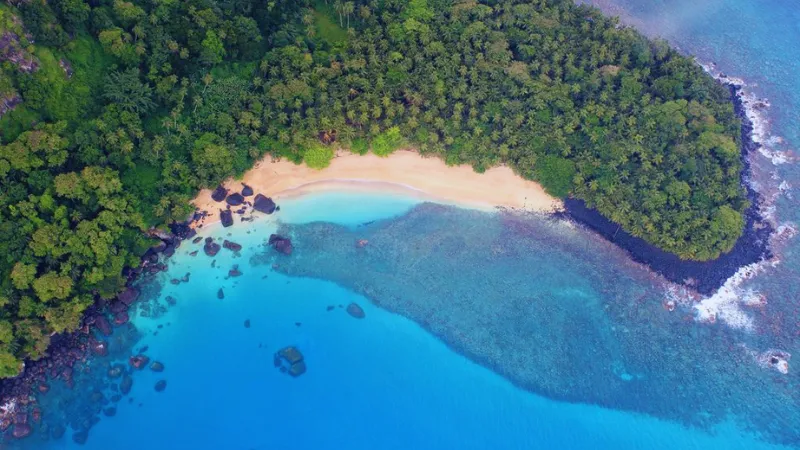
Beaches throughout the islands offer postcard-perfect scenes. Praia Banana on Príncipe, shaped like its namesake fruit, ranks among the most photogenic beaches in Africa. Meanwhile, black volcanic sand beaches on Sao Tomé create striking contrast against turquoise water.
Waterfalls scattered across both islands provide additional photography opportunities. Lush vegetation surrounds most cascades, framing the water beautifully within green forest. Furthermore, morning light filtering through rainforest canopy creates ethereal, atmospheric images for early risers.
Sunset views from coastal roça plantations combine colonial architecture with dramatic ocean backdrops. Consequently, photographers find themselves spoiled for choice across the archipelago. Underwater photography also thrives here, thanks to clear waters and abundant marine life along the coral reefs.
Local Culture and Community Life
Sao Tomé and Príncipe blends African, Portuguese, and Creole influences into a unique cultural identity. Forro, the local Creole language, remains widely spoken alongside Portuguese, the official language. Therefore, visitors encounter a linguistic blend reflecting the islands’ complex history.
Music and dance play central roles in local culture. Ússua and Socopé, traditional dance styles, often feature during festivals and community gatherings. Meanwhile, local cuisine emphasizes fresh seafood, tropical fruits, and dishes influenced by Portuguese cooking traditions.
Community life moves at a notably relaxed pace throughout the islands. Fishing remains central to daily life in coastal villages, with colorful wooden boats lining many shores. Additionally, small markets provide opportunities to interact directly with local vendors and artisans.
Religious festivals, blending Catholic traditions with African spiritual practices, occur throughout the year. These celebrations offer visitors authentic insight into the islands’ cultural fusion. Therefore, timing a visit around local festivals can significantly enrich the overall travel experience.
Travel Tips and Visitor Information
Proper preparation ensures a smooth journey to this remote island nation. This section covers essential timing, transportation, and practical details.
Best Time to Visit Sao Tomé and Príncipe
The dry season, running from June through September, offers the most comfortable weather for visiting Sao Tomé and Príncipe. During these months, rainfall decreases significantly, making hiking and outdoor activities easier. Additionally, temperatures remain warm but manageable throughout this period.
In contrast, the wet season from October through May brings heavier rainfall, particularly across the interior rainforest. However, this period coincides with sea turtle nesting season, offering unique wildlife opportunities. Consequently, travelers should weigh weather preferences against wildlife interests when planning their trip.
How to Reach Sao Tomé and Príncipe
International flights typically connect through Lisbon, Portugal, or Libreville, Gabon, before arriving in São Tomé. TAP Air Portugal operates the most reliable route from Europe. Meanwhile, regional connections through other African hubs remain limited and less frequent.
Once on Sao Tomé, small domestic flights connect to Príncipe island. This short flight takes approximately 30 minutes and offers stunning aerial views. Alternatively, boat transfers exist but take considerably longer and depend heavily on weather conditions. Therefore, flying between islands remains the preferred option for most visitors.
Things to Know Before Visiting
Tourism infrastructure remains limited compared to more developed destinations. Therefore, booking accommodations and tours in advance helps ensure availability, particularly on Príncipe. Additionally, cash remains essential, since credit card acceptance stays limited outside major hotels.
Portuguese serves as the primary language for communication, though some tourism operators speak English. Learning basic Portuguese phrases enhances interactions with locals significantly. Similarly, malaria precautions remain important, so consulting a travel doctor before departure is strongly recommended.
Internet connectivity remains inconsistent across the islands, especially in remote areas. Consequently, travelers should manage expectations regarding constant connectivity during their visit. Finally, respecting local customs and supporting community-based tourism initiatives helps preserve this fragile island ecosystem for future visitors.
Nearby Attractions Worth Exploring
While Sao Tomé and Príncipe offers plenty within its own borders, nearby destinations complement any regional itinerary. Gabon, located across the Gulf of Guinea, features exceptional wildlife viewing and pristine rainforest. Meanwhile, Equatorial Guinea offers additional insight into Central African culture and history.
Travelers extending their journey often combine Sao Tomé and Príncipe with mainland African destinations. Consequently, this island nation works well as either a standalone escape or part of a broader Central African adventure.
Conclusion
Sao Tomé and Príncipe remains one of the world’s most underrated island destinations. Its volcanic landscapes, pristine beaches, and rich cultural history create an unforgettable travel experience. Furthermore, the islands’ remote location ensures genuine tranquility, far removed from typical tourist crowds.
Whether you seek adventure, relaxation, or cultural immersion, Sao Tomé and Príncipe delivers something special. Therefore, if you’re searching for an authentic hidden gem, this island nation deserves a place on your travel list. Few destinations combine natural beauty and cultural depth so powerfully in one remote corner of the world.
Explore More Destinations
Sao Tomé and Príncipe is just one of many hidden gems waiting to be discovered around the world. If you enjoyed this guide, consider exploring more travel resources covering scenic escapes, island adventures, and destination inspiration from across the globe. Whether you’re planning your next tropical getaway or searching for inspiration for an off-the-beaten-path journey, explore more travel guides to help plan your next unforgettable adventure.
Your Queries here
Sao Tomé and Príncipe is a small island nation off the western coast of Central Africa, in the Gulf of Guinea.
Yes, Sao Tomé and Príncipe is one of Africa’s most politically stable countries and is generally considered safe for travelers.
Portuguese is the official language, while Forro, a local Creole language, is also widely spoken throughout the islands.
Travelers reach Príncipe via a short 30-minute domestic flight from São Tomé, offering scenic aerial views of the archipelago.
The dry season from June to September offers the best weather, though October to May brings sea turtle nesting season.