
Tucked into the highlands of northern Ethiopia, Lalibela remains one of Africa’s best-kept secrets. This small town holds a collection of churches carved entirely from solid rock. Unlike most historic sites, these structures were not built upward. Instead, ancient builders dug downward into volcanic stone, creating monolithic churches below ground level. Lalibela, Ethiopia, offers travelers a rare mix of spirituality, architecture, and living history. Furthermore, it remains far less crowded than Egypt’s pyramids or Morocco’s medinas. Consequently, visitors often describe Lalibela as one of the most authentic destinations left on the continent.
This guide explores everything you need to know before visiting Lalibela. We will cover its history, main attractions, activities, photography opportunities, and essential travel tips. By the end, you will understand why Lalibela, Ethiopia, deserves a spot on every serious traveler’s bucket list.
A Brief History of Lalibela
Lalibela takes its name from King Gebre Mesqel Lalibela, who ruled Ethiopia during the 12th century. According to local legend, the king experienced a vision instructing him to build a “New Jerusalem.” At the time, political unrest made pilgrimage to the real Jerusalem dangerous for Ethiopian Christians. Therefore, King Lalibela decided to recreate sacred sites within his own kingdom.
Workers began carving the churches directly from volcanic rock. They started from the top of the stone and worked their way down, chiseling out windows, doors, and interior chambers. This method meant each church became a single, continuous piece of rock. Moreover, this technique is nearly impossible to replicate today, which adds to Lalibela’s mystique.
Historians estimate the churches took several decades to complete. Local tradition, however, claims angels assisted the workers at night. Whether myth or fact, Lalibela’s construction remains an engineering marvel. Today, UNESCO recognizes Lalibela as a World Heritage Site. Additionally, the churches continue serving as active places of worship, not just tourist attractions.
The Eleven Rock-Hewn Churches
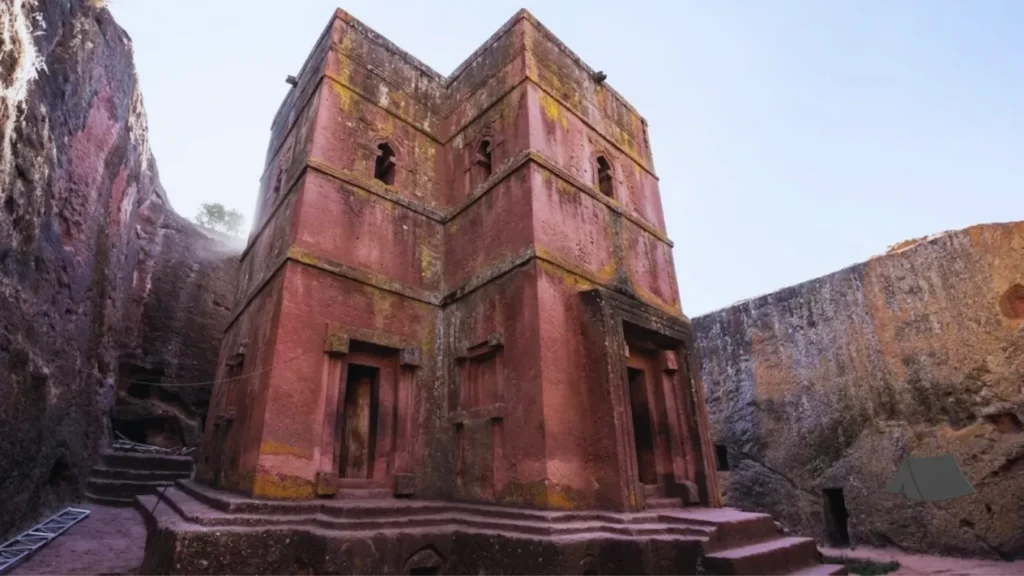
Lalibela contains eleven churches, divided into two main clusters connected by tunnels and trenches. The Northern Cluster includes Bete Medhane Alem, believed to be the largest monolithic church in the world. This church alone showcases the scale of ancient Ethiopian craftsmanship.
Nearby, Bete Maryam stands as one of the oldest structures in the complex. Many locals consider it the spiritual heart of Lalibela. In contrast, the Southern Cluster features Bete Amanuel and Bete Merkorios, both known for their intricate carvings.
The most photographed church, however, is Bete Giyorgis, or the Church of Saint George. This structure sits apart from the others and features a cross-shaped roof carved into the rock. Visitors often approach it via a narrow trench, which creates a dramatic reveal. Similarly, the play of light and shadow throughout the day makes this church a photographer’s dream.
Each church connects through underground tunnels, some pitch black and requiring careful navigation. These passageways symbolize the journey between heaven and earth in Ethiopian Orthodox belief. Consequently, walking through them feels like stepping into a different era entirely.
Religious Significance and Living Culture
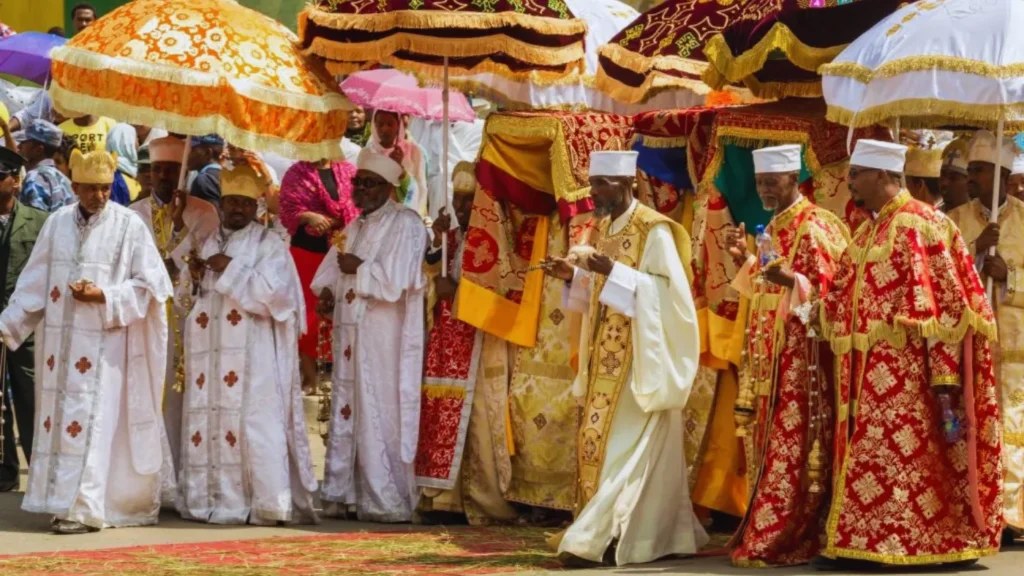
Unlike many ancient monuments, Lalibela’s churches never stopped functioning as religious spaces. Priests still conduct daily services, and pilgrims travel from across Ethiopia to worship here. Therefore, visitors witness genuine religious practice rather than a staged performance.
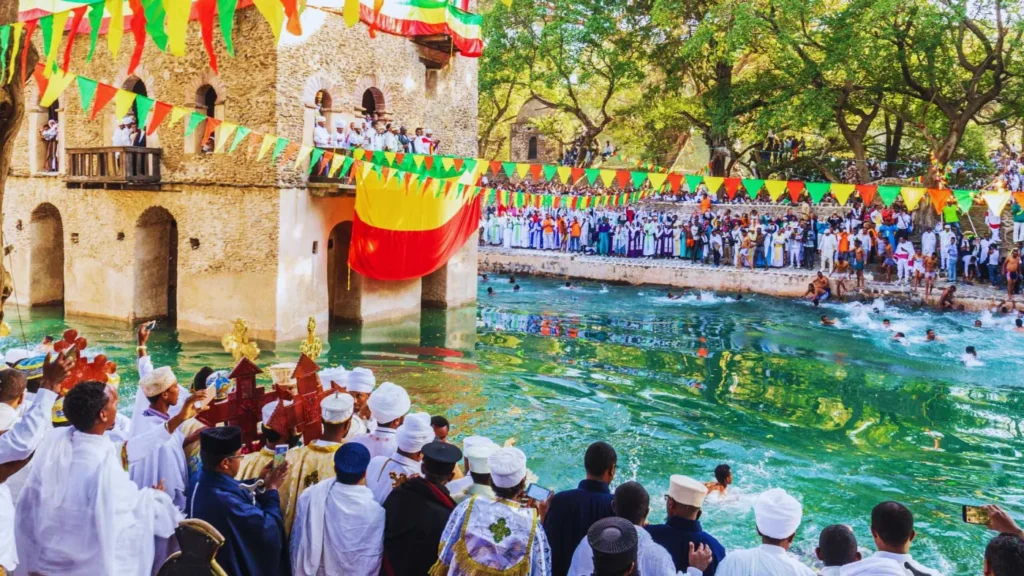
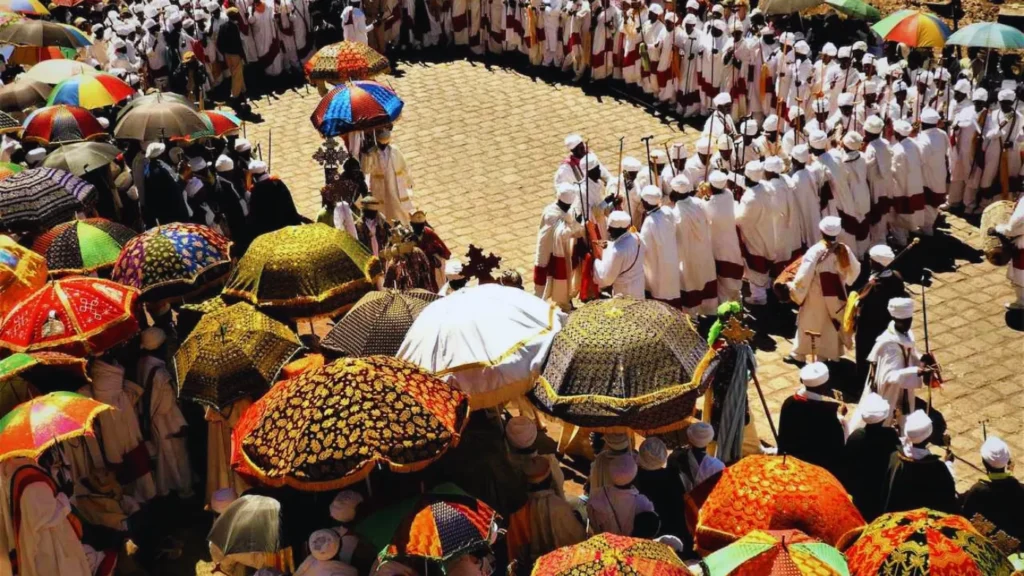
During major Orthodox holidays, such as Genna (Ethiopian Christmas) and Timkat (Epiphany), thousands of pilgrims flood Lalibela. White-robed worshippers fill the courtyards, chanting and praying throughout the night. These celebrations offer an unforgettable glimpse into Ethiopian Orthodox Christianity, one of the oldest Christian traditions in the world.
Local priests often welcome respectful visitors inside the churches. They may show ancient manuscripts, crosses, and religious artifacts. However, travelers should always ask permission before taking photographs inside. Additionally, modest clothing is essential when entering any church.
Beyond religion, Lalibela’s culture reflects broader Ethiopian traditions. Locals speak Amharic, though many involved in tourism also speak English. Meanwhile, traditional coffee ceremonies remain a daily ritual, offering visitors a warm introduction to Ethiopian hospitality.
Top Activities and Experiences in Lalibela
Exploring Lalibela requires more than a single afternoon. Most visitors spend two to three days walking between the church clusters. Guides are highly recommended, as they explain symbolism that casual visitors might otherwise miss.
Hiking presents another rewarding activity near Lalibela. The surrounding highlands offer trails leading to remote monasteries perched on cliffsides. Asheton Maryam Monastery, for example, requires a challenging hike but rewards visitors with panoramic views. Similarly, Na’akuto La’ab Monastery sits inside a natural cave and features a sacred spring.
Market visits also provide cultural insight. Local markets sell spices, handwoven textiles, and traditional Ethiopian coffee. Bargaining is common, and vendors generally appreciate friendly conversation. Furthermore, sampling injera, Ethiopia’s staple sourdough flatbread, gives travelers an authentic taste of local cuisine.
For those interested in deeper exploration, day trips to nearby villages reveal traditional rural life. Farmers still use ox-drawn plows, and stone houses dot the hillsides. Consequently, Lalibela offers far more than religious architecture; it presents a complete cultural experience.
Scenic Highlights and Photography Opportunities
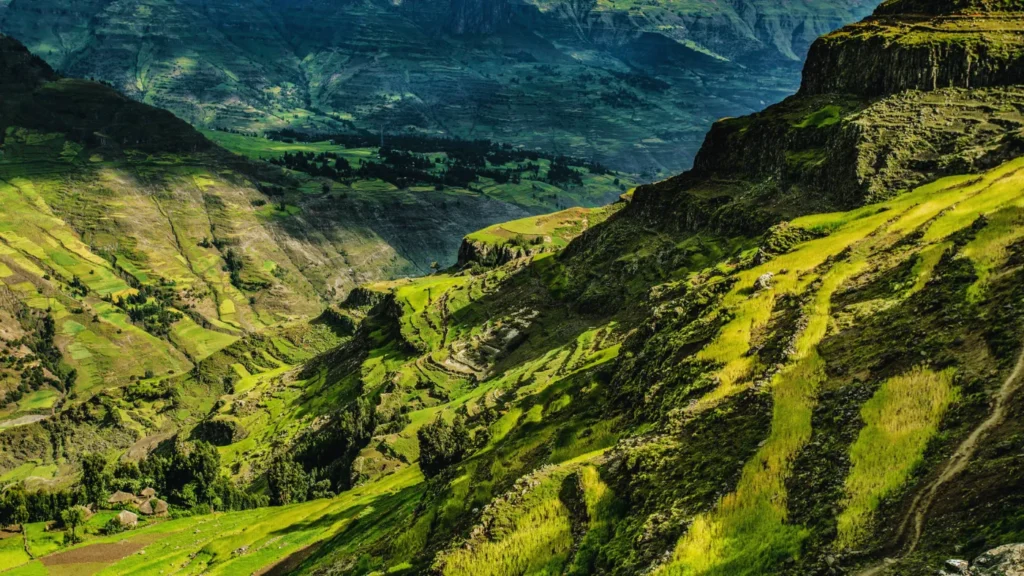
Lalibela’s landscape enhances its architectural wonders. The town sits at roughly 2,500 meters above sea level, surrounded by dramatic highland scenery. Sunrise over the churches creates golden light that highlights the rock’s texture beautifully.
Photographers should prioritize early mornings, when soft light illuminates Bete Giyorgis without harsh shadows. Similarly, late afternoon offers warm tones across the Northern Cluster. Meanwhile, the underground tunnels provide unique opportunities for capturing contrast between darkness and light.
Aerial views from surrounding hills reveal how deeply the churches sit below ground level. This perspective helps visitors appreciate the sheer scale of the original excavation. Additionally, local festivals provide vibrant, colorful scenes as pilgrims gather in traditional white robes.
Beyond the churches, the highland countryside offers sweeping views of terraced fields and distant mountains. Consequently, even casual photographers leave Lalibela with striking images. Drone photography, where permitted, can further showcase the layout of the entire complex.
Travel Tips and Visitor Information
Before planning your trip, it helps to understand practical details about visiting Lalibela. This section covers timing, transportation, and essential preparation tips.
Best Time to Visit Lalibela
The dry season, running from October through March, offers the best conditions for visiting Lalibela. During these months, rainfall remains minimal, and hiking trails stay accessible. Moreover, temperatures stay comfortably cool due to the town’s high elevation.
Visiting during Genna or Timkat provides an unforgettable cultural experience. However, these periods attract large crowds, so book accommodations well in advance. In contrast, the rainy season from June to September can make travel more difficult, though the landscape turns lush and green.
How to Reach Lalibela
Most travelers reach Lalibela by domestic flight from Addis Ababa. Ethiopian Airlines operates regular flights, and the journey takes approximately one hour. This remains the fastest and most reliable option, especially given the region’s rugged terrain.
Alternatively, adventurous travelers can reach Lalibela by road. However, this journey takes significantly longer, often exceeding ten hours from Addis Ababa. Roads wind through mountainous terrain, offering scenic views but requiring patience. Therefore, flying remains the preferred choice for most international visitors.
Once in Lalibela, the town itself is small and walkable. Many hotels sit within walking distance of the church clusters. Local guides and taxis are also available for those wishing to explore surrounding monasteries.
Things to Know Before Visiting
Entrance to the churches requires a ticket, valid for several days of exploration. Additionally, hiring a licensed guide enhances understanding of the site’s history and symbolism. Guides typically charge reasonable fees and can be arranged through hotels or local tourism offices.
Modest clothing is essential when visiting the churches. Visitors should cover shoulders and knees, and remove shoes before entering certain areas. Furthermore, some sections require walking barefoot on stone floors, so comfortable, easily removable footwear helps.
Altitude can affect visitors unfamiliar with high elevations. Therefore, staying hydrated and pacing yourself during the first day is wise. Similarly, Ethiopian cuisine features unique spices, so trying small portions initially can help sensitive stomachs adjust.
Currency exchange is best handled in Addis Ababa or major hotels in Lalibela. ATMs exist but are not always reliable in smaller towns. Consequently, carrying some cash in Ethiopian birr ensures smoother transactions for meals, tips, and souvenirs.
Finally, respect remains essential throughout your visit. Lalibela is not merely a tourist attraction; it is a living religious site. Therefore, approaching each church with reverence enhances both the experience and the impression left with local communities.
Nearby Attractions Worth Exploring
If time allows, several nearby destinations complement a Lalibela itinerary. The Simien Mountains, located further north, offer dramatic peaks and rare wildlife, including the Gelada baboon. Meanwhile, Axum, another historic city, features ancient obelisks and claims to house the Ark of the Covenant.
Gondar, known for its medieval castles, also lies within reach for travelers extending their journey. Together, these destinations form a rich historical circuit across northern Ethiopia. Consequently, many travelers combine Lalibela with these sites for a comprehensive cultural experience.
Conclusion
Lalibela, Ethiopia, remains one of the world’s most remarkable yet underrated destinations. Its rock-hewn churches showcase extraordinary craftsmanship, deep spirituality, and centuries of unbroken tradition. Furthermore, the surrounding highlands offer scenic beauty and rewarding hikes for adventurous travelers.
Whether you seek architectural wonder, religious history, or authentic cultural immersion, Lalibela delivers an unforgettable experience. Therefore, if you’re searching for a destination beyond the usual tourist trail, Lalibela, Ethiopia, deserves serious consideration. Few places on Earth combine history, faith, and natural beauty so powerfully in one location.
Explore More Destinations
Lalibela is just one of countless hidden gems waiting to be discovered around the world. If you enjoyed this guide, consider exploring more travel resources covering trip planning, wellness journeys, winter escapes, and global destination rankings. Whether you’re looking for practical planning advice, scenic adventures, or inspiration for your next big trip, there’s always more to explore. Check out more guides below to continue planning your next unforgettable journey.
- Beginner’s Guide to Planning the Perfect Vacation
- Wellness & Medical Trip to Australia: Step-by-Step Guide
- Winter in Switzerland: Alps, Skiing, Cities Travel Guide
- Top 10 Most Visited Countries in the World 2026
Your Queries
Lalibela is famous for its eleven churches carved entirely from solid volcanic rock in the 12th century. These monolithic structures remain active places of Ethiopian Orthodox worship today.
Most travelers need two to three days to explore both church clusters, hike to nearby monasteries, and experience local markets and culture properly.
Yes, Lalibela is generally safe and welcoming for tourists. However, travelers should always follow local guides and respect religious customs inside churches.
The fastest way to reach Lalibela is by domestic flight from Addis Ababa, which takes about one hour. Road travel is possible but takes over ten hours.
The dry season, from October through March, offers the best weather for visiting Lalibela, with minimal rainfall and comfortable temperatures.