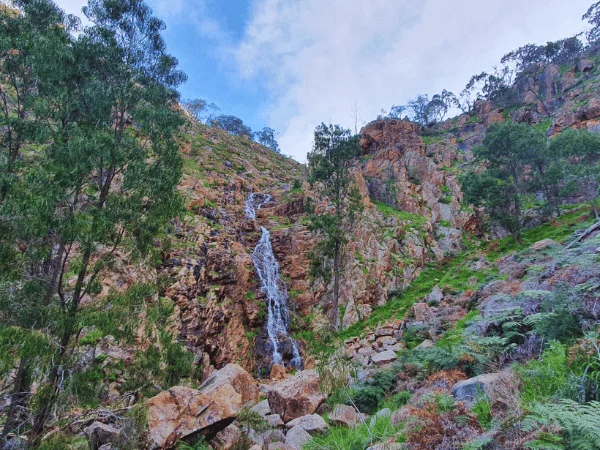
If you’re searching for a rewarding bush walk that combines breathtaking views, rich natural history, and a peaceful escape from city life, the Mt Pilot Lookout Walk in Chiltern and surrounds delivers on every front. Nestled within the Chiltern–Mt Pilot National Park in northeastern Victoria, this walk draws hikers, birdwatchers, and nature lovers from across the country. Whether you’re a seasoned trail runner or a casual weekend walker, the Mt Pilot Lookout Walk offers an experience that stays with you long after you’ve returned home.
Discovering the Chiltern–Mt Pilot National Park
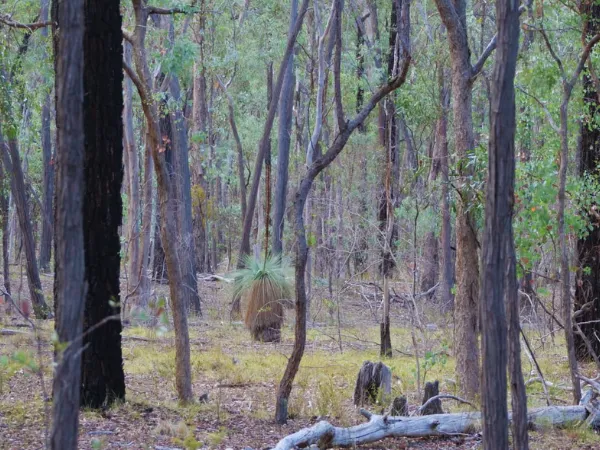
First, it helps to understand the remarkable landscape surrounding the Mt Pilot Lookout Walk. Chiltern–Mt Pilot National Park spans over 20,000 hectares of ancient granite outcrops, box-ironbark woodland, and open forests. This park is one of the most significant remnants of the once-vast box-ironbark forests that blanketed much of Victoria’s north.
The town of Chiltern itself is a charming historic goldfield settlement. Its quiet streets, old brick buildings, and wide verandahs speak of a prosperous past. The town sits on the traditional land of the Dhudhuroa and Waywurru peoples, who have a deep, centuries-long connection to this country.
Furthermore, the park is internationally recognised as a birdwatching hotspot. It shelters threatened species such as the Regent Honeyeater and the Swift Parrot. Consequently, many visitors come not only for the walk but also for the remarkable wildlife encounters that unfold along the trail.
The Mt Pilot Lookout Walk: Trail Overview and Highlights
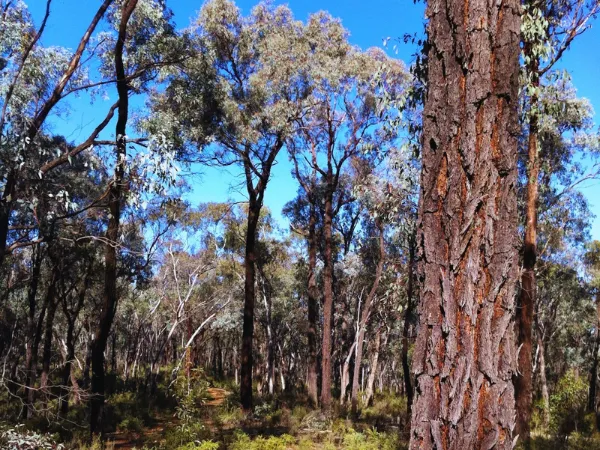
The Mt Pilot Lookout Walk is the centrepiece experience of the national park. The trail winds through open eucalypt forest, climbs steadily across rocky terrain, and ultimately rewards walkers with sweeping panoramic views from the granite summit.
The walk typically covers around 4 to 5 kilometres return, depending on the route you choose. Additionally, the elevation gain is manageable for most fitness levels, though some sections involve rocky scrambling. The trail is well-marked, and signage appears at key decision points throughout.
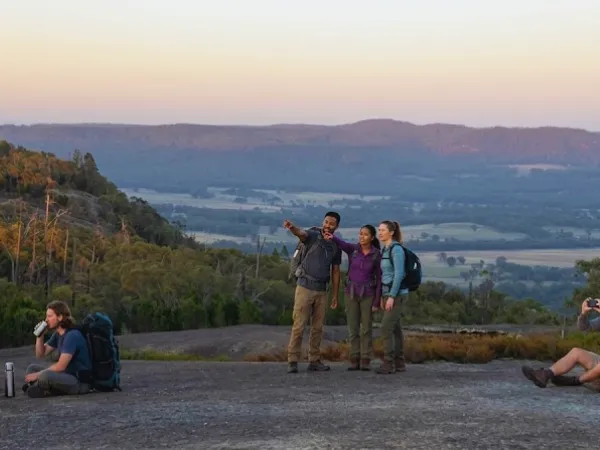
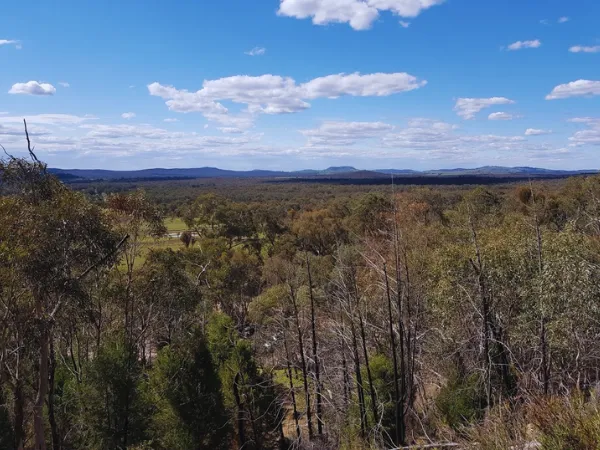
From the lookout at the top, you can see across the rolling woodlands toward the Victorian Alps in one direction and the Murray River plains in the other. On a clear day, the view stretches for extraordinary distances. Therefore, this summit is arguably one of the most scenic vantage points in the Ovens and Murray region.
Along the way, you’ll pass through woodland rich with golden wattles, scribbly gums, and ironbarks. Moreover, the trail surface shifts between compacted dirt, exposed granite slabs, and scattered boulders — all of which make the journey visually interesting and physically engaging.
Wildlife and Birdwatching Along the Trail

One of the standout features of the Mt Pilot Lookout Walk is the extraordinary birdlife. The box-ironbark woodland here supports an impressive diversity of species. In fact, the park records over 200 bird species, making it a top-tier destination for birdwatchers across Australia.
The critically endangered Regent Honeyeater finds refuge in these forests. Similarly, the Swift Parrot — another threatened species — visits during the flowering season in winter and spring. Additionally, you’re likely to spot Superb Parrots, Brown Treecreepers, Hooded Robins, and various honeyeaters flitting through the canopy.
Furthermore, the park supports a healthy population of eastern grey kangaroos, wallabies, echidnas, and reptiles. Meanwhile, the rocky granite outcrops near the summit provide habitat for lizards that love to bask in the morning sun. Therefore, even if you’re not a dedicated birdwatcher, the wildlife encounters on this walk add genuine excitement to your outing.
It’s worth bringing binoculars. Mornings are particularly active for birdlife, so consequently, early starters tend to have the richest wildlife experiences on the trail.
Scenic Highlights and Photography Opportunities
Photographers will find the Mt Pilot Lookout Walk endlessly rewarding. However, the best shots require patience and timing. Golden hour — both at sunrise and in the hour before sunset — casts the granite boulders and eucalypt canopy in a warm, amber glow that makes for stunning images.
The granite outcrops near the summit provide dramatic foreground elements for landscape photography. Moreover, the contrast between the silver-barked trees and the vivid blue sky creates naturally compelling compositions throughout the walk.
Additionally, the sweeping views from the lookout lend themselves to wide-angle panorama shots. On clear mornings, distant mountain ranges emerge from a soft haze, adding depth and atmosphere to every frame. Furthermore, the wildflowers that bloom seasonally — especially wattles in late winter and various native orchids in spring — offer beautiful close-up photography opportunities.
For wildlife photography, however, you’ll need a telephoto lens and quiet footsteps. Birds move quickly through the understorey, so therefore, slow and steady movement yields the best results. The trail’s rocky sections also provide natural hides for observing and photographing wildlife without disturbing them.
History and Heritage of the Chiltern Region
The Chiltern region carries a rich and layered history. Moreover, understanding this history deepens your appreciation of the landscape you’re walking through. The area experienced a significant gold rush in the 1860s, and consequently, the town of Chiltern preserves much of its colonial-era architecture.
The national park itself was gazetted progressively through the 20th century to protect the dwindling box-ironbark forests. Additionally, the park honours the conservation legacy of figures like ornithologist John Lewin, who documented the region’s remarkable birdlife in earlier centuries.
Furthermore, the Dhudhuroa and Waywurru peoples’ deep knowledge of this landscape spans many thousands of years. Their cultural connection to the granite country, waterways, and forests here predates European settlement. Therefore, walking this land carries a sense of cultural weight and responsibility.
Chiltern itself rewards a pre- or post-walk explore. The town features preserved 19th-century buildings, including the Star Hotel, the Athenaeum, and the former Bank of Victoria. Meanwhile, the Dow’s Pharmacy Museum offers a fascinating window into colonial-era life. Consequently, combining the Mt Pilot Lookout Walk with a heritage stroll through Chiltern makes for a genuinely full day out.
Activities and Experiences Beyond the Walk
While the Mt Pilot Lookout Walk is the headline attraction, the surrounding area offers a range of complementary experiences. Therefore, consider spending more than a single day in the region.
The Chiltern–Mt Pilot National Park includes several other walking trails of varying length and difficulty. For example, the Honeyeater Picnic Area walk provides an easy, flat loop through productive birdwatching habitat. Additionally, the Bartley’s Block circuit explores a different section of box-ironbark woodland.
Meanwhile, the nearby town of Rutherglen is famous for its wineries and fortified wines. Consequently, a short drive south delivers you into one of Victoria’s most celebrated wine regions. Furthermore, the towns of Beechworth and Yackandandah — both within an hour’s drive — offer superb food, artisan shops, and their own historic walking trails.
For those who love camping, the national park provides basic bush camping options at Honeyeater Picnic Area. Moreover, Chiltern township offers comfortable accommodation options including historic guesthouses and bed-and-breakfasts.
Travel Tips and Visitor Information
Best Time to Visit
The Mt Pilot Lookout Walk is accessible year-round. However, the ideal seasons are autumn (March to May) and spring (September to November). During autumn, the weather is mild, the light is golden, and the bush feels unhurried. In spring, wildflowers bloom across the park, and birdlife activity peaks as native trees produce nectar-rich blossoms.
Summer visits are possible but challenging. Temperatures in this region regularly exceed 35°C during January and February. Therefore, if visiting in summer, start your walk before 8am and carry ample water. Additionally, be aware of Total Fire Ban days, which close national parks entirely during extreme fire risk periods.
Winter is cool and often foggy in the mornings. However, it’s actually a prime birdwatching season, as honeyeaters and parrots flock to flowering ironbarks. Consequently, dedicated birders often prefer a June or July visit.
How to Reach the Mt Pilot Lookout Walk
By Car: Chiltern sits approximately 280 kilometres northeast of Melbourne. Take the Hume Freeway (M31) to Wangaratta, then follow the Great Alpine Road or the Chiltern–Wodonga Road. The drive takes around three hours from Melbourne. Additionally, the national park entrance and trail car park are clearly signed off the Chiltern–Wooragee Road.
By Train: V/Line operates regular services from Melbourne’s Southern Cross Station to Chiltern. The journey takes approximately three hours. Furthermore, Chiltern’s train station sits within easy walking distance of the town centre and is only a short drive from the national park.
From Albury-Wodonga: The park is just 50 kilometres from Albury-Wodonga, making it an excellent day trip from the border region.
Things to Know Before Visiting
- Trail difficulty: Moderate. The rocky scramble near the summit requires care. Consequently, sturdy closed-toe shoes or hiking boots are strongly recommended.
- Water: There are no water sources on the trail. Therefore, carry at least 1.5 litres per person, more in warmer months.
- Dogs: Dogs are not permitted within the national park.
- Fees: Entry to the national park is free. However, a Parks Victoria pass may be required for camping.
- Mobile coverage: Mobile signal is unreliable within the park. Therefore, download offline maps before you arrive.
- Toilets: Facilities are available at the Honeyeater Picnic Area near the trail head.
- Leave No Trace: The park is an ecological sanctuary. Pack out all rubbish and stay on marked trails to protect sensitive habitat.
Conclusion
The Mt Pilot Lookout Walk in Chiltern and surrounds is, without doubt, one of Victoria’s most underrated hiking experiences. Furthermore, it offers something genuinely rare — a destination that rewards you at every level, from the birdsong at the trailhead to the sweeping summit views at the top. Whether you come for the wildlife, the history, the photography, or simply the joy of walking through ancient forest, this walk delivers generously.
Moreover, the surrounding region amplifies the experience. Chiltern’s heritage streets, the wineries of Rutherglen, and the trails of the broader Chiltern–Mt Pilot National Park make this area worth more than a single visit. Therefore, if you haven’t yet explored this corner of northeastern Victoria, now is the perfect time to start planning.
Pack your binoculars, lace up your boots, and head to the Mt Pilot Lookout Walk. You won’t regret it.
Explore More Destinations
If the Mt Pilot Lookout Walk has sparked your appetite for outdoor adventure, there’s so much more of Victoria waiting to be explored. Discover some of the state’s most beautiful picnic spots across Victoria — perfect for combining with a bush walk and a lazy afternoon in nature. Families will love our guide to the top family-friendly hikes near Melbourne, offering trails suited to every age and fitness level. For waterfall lovers, our roundup of the top waterfalls in Victoria showcases some truly spectacular cascades worth chasing down. And if you’re after a peaceful weekend escape, don’t miss our selection of little walks in Victoria — short, scenic, and endlessly rewarding. Victoria’s wild places are calling; go find them.
The Mt Pilot Lookout Walk is approximately 4 to 5 kilometres return, depending on the route taken. Most walkers complete it in 2 to 3 hours at a relaxed pace, including time to enjoy the views from the summit.
Yes, the walk is rated moderate and is suitable for most fitness levels. However, the rocky scramble near the summit requires sturdy footwear and a reasonable level of fitness. It is not recommended for very young children without supervision on the boulder sections.
The walk passes through box-ironbark woodland that supports over 200 bird species, including the critically endangered Regent Honeyeater and the threatened Swift Parrot. You may also encounter kangaroos, wallabies, echidnas, and various lizards along the trail.
Autumn (March to May) and spring (September to November) are the best seasons. Spring brings wildflowers and peak birdlife activity, while autumn offers mild temperatures and golden light. Avoid summer midday heat by starting before 8am if visiting between December and February.
Drive northeast from Melbourne via the Hume Freeway (M31) toward Wangaratta, then follow signs to Chiltern — a journey of approximately 280 kilometres and three hours. Alternatively, V/Line trains operate regular services from Melbourne’s Southern Cross Station to Chiltern, taking around three hours.