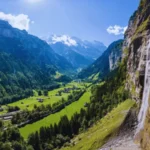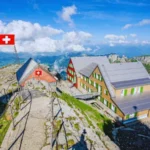
Nestled deep in the Swiss Alps, Zermatt is one of those rare places that lives up to every expectation — and then quietly exceeds them.
Few destinations in the world carry the kind of weight that Zermatt does. Tucked away at the end of the Matter Valley in the canton of Valais, this car-free Swiss village has spent over a century capturing the imagination of mountaineers, skiers, and wanderers alike. But it is the Matterhorn — that impossibly dramatic, pyramid-shaped peak that looms over everything — that truly defines this place. At 4,478 metres above sea level, the Matterhorn is not the tallest mountain in Switzerland, but it may very well be the most recognizable mountain on Earth.
This is the story of Zermatt: its history, its landscape, its seasons, and why it continues to draw millions of visitors from every corner of the globe.
A Village Frozen in Charm, Not in Time
Stepping off the cogwheel train at Zermatt’s station feels like arriving somewhere that has deliberately chosen to stay beautiful. No petrol-powered cars are allowed within the village — only electric taxis, horse-drawn carriages, and the unhurried footsteps of pedestrians move through its narrow lanes. Timber-framed chalets with flower boxes line the streets, and the smell of pine mingles with mountain air.
But do not mistake tradition for stagnation. Zermatt is a living, breathing resort town with Michelin-starred restaurants, luxury boutiques, and a vibrant après-ski culture that pulses through the cooler months. The village somehow manages to be both rustic and refined — a place where a shepherd’s hut can sit comfortably a short walk from a five-star hotel.
The local population of around 5,000 residents swells dramatically in winter and summer seasons, when visitors arrive in search of skiing, hiking, or simply that one perfect view of the Matterhorn from the village square.
The Matterhorn: More Than a Mountain
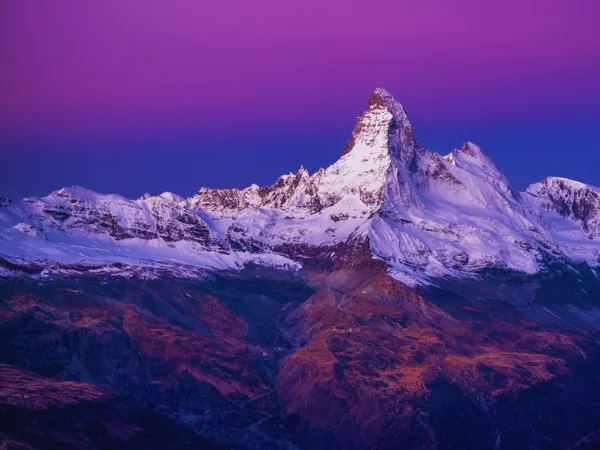
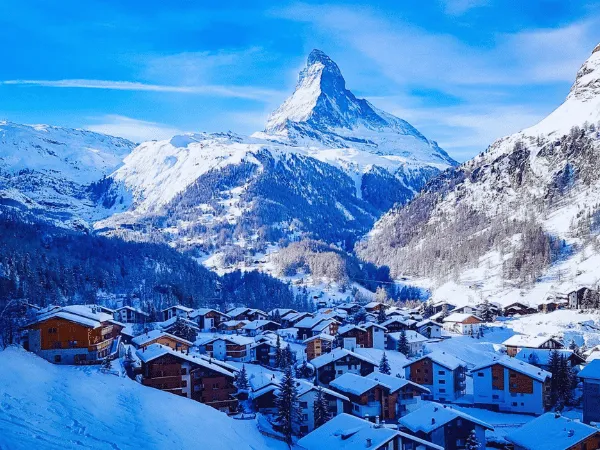
The Matterhorn is not just a geographical feature. It is a cultural icon. Its near-perfect triangular silhouette has appeared on everything from Swiss chocolate wrappers to theme park logos — yet seeing it in person, at dawn when the first light catches its northern face, feels like nothing that any image could prepare you for.
The mountain straddles the border between Switzerland and Italy, with the Italian side of the peak visible from the town of Breuil-Cervinia. The Swiss face, the one that looms above Zermatt, is the one etched into collective memory.
The first successful ascent of the Matterhorn took place on 14 July 1865, led by British climber Edward Whymper. The achievement was both triumphant and tragic — four of the seven climbers in the party fell to their deaths on the descent, an event that sent shockwaves through the mountaineering world and forever linked the mountain to both glory and grief. Today, experienced alpinists still attempt the summit each season, and the Hörnli Ridge route remains one of the most iconic climbs in the Alps. It demands serious technical skill, but for those who reach the top, the reward is a panorama that stretches across Switzerland, Italy, and France.
For those who prefer their mountains at a respectful distance, Zermatt offers equally spectacular viewpoints. The Gornergrat rack railway climbs to 3,089 metres, delivering passengers to a ridge overlooking the Gorner Glacier and a horizon filled with twenty-nine 4,000-metre peaks. On a clear morning, it is hard to imagine a more stirring view in all of Europe.
Winter in Zermatt: A Skier’s Paradise
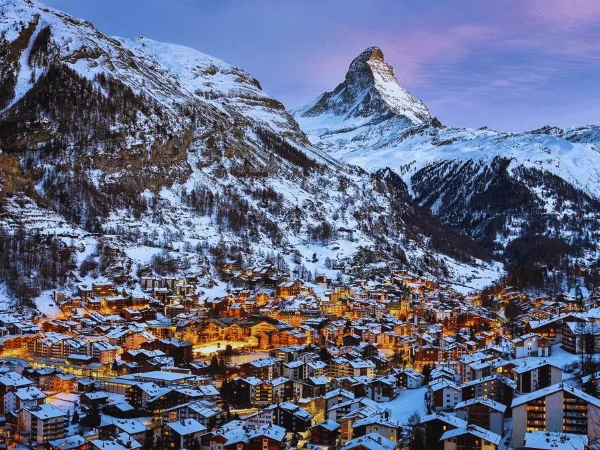
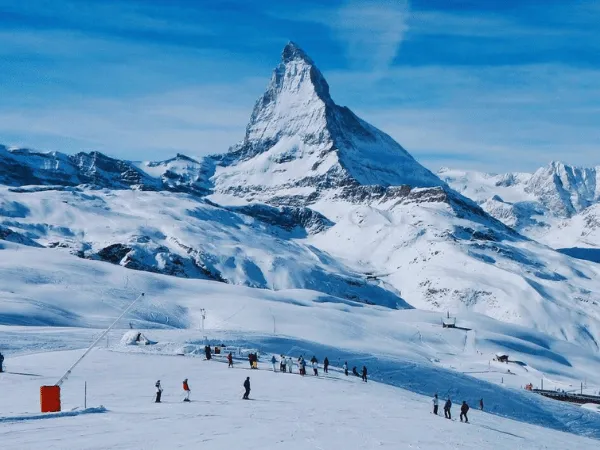
Zermatt’s ski area is justifiably famous. With over 360 kilometres of marked pistes, access to runs above 3,800 metres, and snow reliability that stretches well into spring, it ranks among the greatest ski resorts in the world. The resort connects across the border to Cervinia in Italy, making it possible to ski between two countries in a single day — an experience that never quite loses its novelty.
The Klein Matterhorn, or Matterhorn Glacier Paradise, is the highest cable car station in the Alps, sitting at 3,883 metres. From here, skiers can descend more than 2,000 vertical metres back to the village — a run that covers a range of terrain from groomed glacier pistes to steep couloirs that will test even seasoned riders.
Snowboarders are equally well catered for, with several terrain parks and a freestyle scene that has grown considerably over the past decade. And if the conditions are perfect — a January powder dump after a week of clear skies — there are off-piste routes through the surrounding mountain wilderness that will linger in the memory long after you have returned home.
The village after dark has its own energy. Zermatt does not sleep early. Wine bars, fondue restaurants, and basement clubs keep the atmosphere warm even when the temperature outside dips well below freezing.
Summer in Zermatt: The Other Season
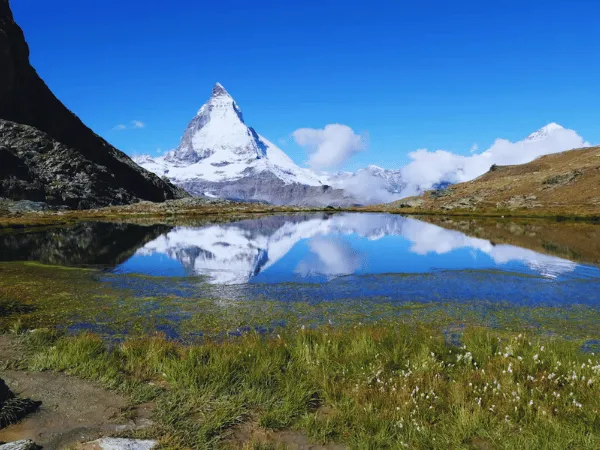
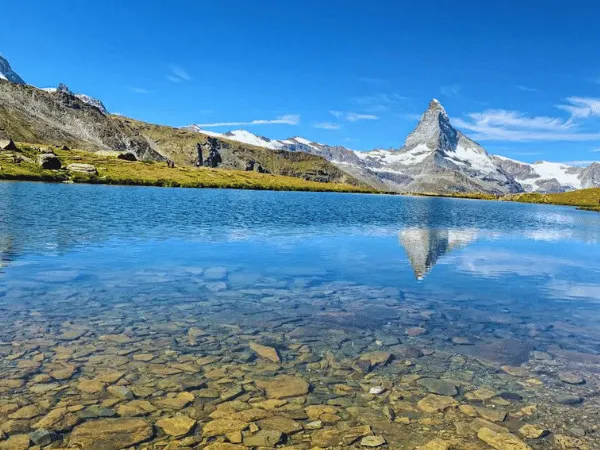
It would be a mistake to think of Zermatt as exclusively a winter resort. The summer months — roughly June through September — offer an entirely different experience, and for many visitors, an equally compelling one.
When the snow retreats, more than 400 kilometres of hiking and walking trails emerge across the surrounding landscape. Routes range from gentle valley walks accessible to young children to demanding high-altitude traverses that cross glaciers and pass within touching distance of towering rock faces. The Five Lakes Walk is a particular favourite: a relatively easy circuit that leads hikers past a series of mountain lakes, each one offering a different reflection of the Matterhorn.
Mountain bikers have increasingly claimed Zermatt as their own in summer, with trail networks that wind through wildflower meadows and rocky ridgelines alike. Climbers and via ferrata enthusiasts have no shortage of objectives, from introductory routes bolted into accessible cliffs to serious multi-day alpine undertakings.
The light in July and August has a quality that photographers chase year-round — golden hours that seem to stretch far longer than they have any right to, illuminating the limestone faces of the mountains with a warmth that transforms even familiar scenes into something extraordinary.
Getting to Zermatt
Part of what makes Zermatt special is the journey to reach it. The village is not accessible by private car — you must leave your vehicle at the nearby town of Täsch and board the Matterhorn Gotthard Bahn, a small train that winds up the valley for the final 12 minutes of the journey. There is something almost theatrical about this approach. The gradual reveal of the village, and then the first glimpse of the Matterhorn appearing above the rooftops, feels earned in a way that driving to the door simply would not.
From Zürich, the journey takes approximately three and a half hours by train, with a connection in Visp. From Geneva, the route runs through the Rhône Valley and takes a similar amount of time. Both journeys are scenic in their own right, and Swiss rail punctuality means you can plan connecting transport with confidence.
Staying and Eating in Zermatt
Accommodation in Zermatt spans a wide range. Historic grand hotels like the Mont Cervin Palace and the Zermatterhof have hosted royalty, presidents, and celebrated adventurers. Boutique mountain lodges offer cosier alternatives, while apartments and chalets provide the self-catering flexibility that families often prefer. Booking well in advance — particularly for the Christmas and New Year period and the peak February half-term weeks — is strongly advised.
Dining reflects the village’s dual identity as both a traditional Swiss community and an internationally minded resort. Cheese fondue and raclette are essential experiences, best enjoyed in an old-fashioned Stübli with local Valais wine in your glass. But the restaurant scene extends well beyond Swiss tradition: Japanese, Italian, Peruvian, and creative tasting-menu restaurants have all found a place in this small mountain village.
A Place That Stays With You
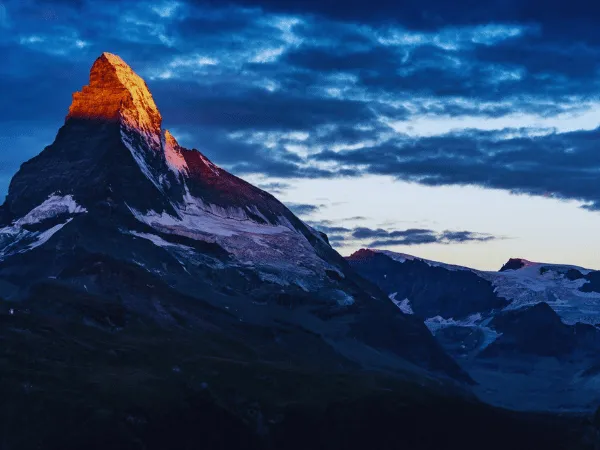
There are destinations you visit and destinations you carry with you afterward. Zermatt belongs firmly in the second category. It is a place where the scale of the natural world reasserts itself — where a single glance upward at the Matterhorn is enough to quiet whatever noise might be filling your head.
Whether you come for the skiing, the hiking, the history, or simply the satisfaction of standing in one of the most beautiful places in the world, Zermatt delivers. And almost invariably, it sends you home already thinking about the next time you will return.
Planning your trip to Zermatt? The village is open year-round, with ski season typically running from late November through April and summer hiking season from June through October. Always check current snow and trail conditions before setting out into the mountains.
Final Thoughts: Why Zermatt Belongs on Every Traveller’s List
Zermatt is not simply a destination — it is an experience that resets your sense of what travel can feel like. From the moment the valley train delivers you into this car-free village and the Matterhorn fills your entire field of vision, something shifts. The noise of everyday life fades, replaced by something quieter, older, and far more permanent.
Switzerland has a remarkable way of doing that — and Zermatt is just one chapter in a much longer Swiss story worth exploring.
If the Matterhorn has captured your imagination, our guide to The Matterhorn in Winter – Switzerland’s Most Famous Landmark is the perfect next read. Love the car-free village atmosphere? The equally enchanting Stoos – Switzerland’s Car-Free Alpine Paradise is well worth adding to your itinerary. For a dramatic change of scenery, the thundering Rhein Falls – Europe’s Largest Waterfall showcases a completely different — yet equally stunning — side of Switzerland. And if you love staying active year-round, the Mulets Sports Center in Silvaplana is a brilliant base for multi-sport adventures across the Swiss Engadin valley.
Switzerland rewards the curious traveller. Zermatt simply happens to tell its story louder than most — courtesy of a 4,478-metre peak that has been doing so for millions of years.
Have you visited Zermatt? Drop a comment below and share your experience!