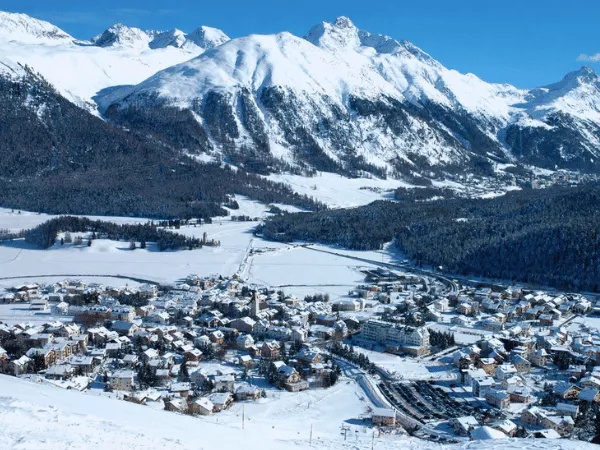
Nestled in the heart of the Upper Engadin Valley, Samedan is far more than a gateway town or transport hub. With its richly decorated houses, centuries-old churches, and thoughtfully curated museums, Samedan stands out as one of the most culturally significant villages in eastern Switzerland. Unlike more tourist-heavy alpine resorts, Samedan retains an authentic character—one that reflects the traditions, language, and architectural identity of the Engadin region.
This detailed guide explores why Samedan is considered a cultural hub, diving into its history, museums, historic buildings, and living traditions that continue to shape village life today.
A Brief History of Samedan
Samedan’s roots stretch back to Roman times, when the Engadin Valley served as an important Alpine transit route. The village’s name is believed to derive from Samaden, first documented in the Middle Ages. Over centuries, Samedan grew as a regional administrative and commercial center, benefitting from trade, agriculture, and later tourism.
In 1850, Samedan became the capital of the Upper Engadin district, cementing its political and cultural importance. The arrival of the railway in the early 20th century further strengthened its role as a hub—yet, despite modernization, the village preserved its historic core and architectural heritage.
Engadin Architecture: Art in Everyday Life
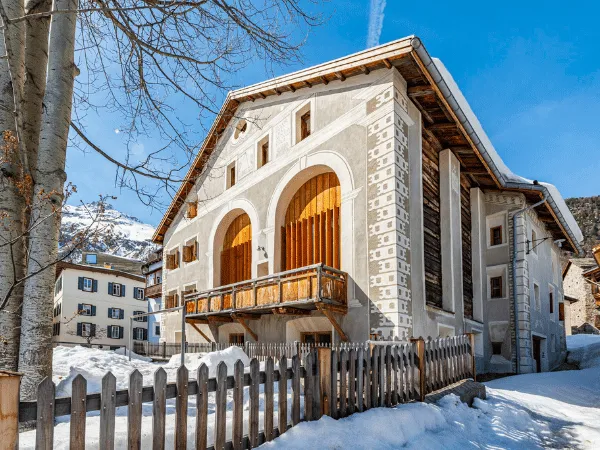
One of the most striking aspects of Samedan is its architecture. Walking through the village feels like stepping into an open-air museum.
Traditional Engadin Houses
Classic Engadin houses are instantly recognizable:
- Thick stone walls for insulation
- Small, deep-set windows
- Wide arched doorways
- Elaborate sgraffito decorations etched into plaster
These designs were both practical and artistic, protecting residents from harsh alpine winters while expressing family pride and regional identity.
Many homes date back to the 16th and 17th centuries and are still inhabited today, giving Samedan a rare sense of continuity between past and present.
Muzeum Engiadinais – Preserving Engadin Life
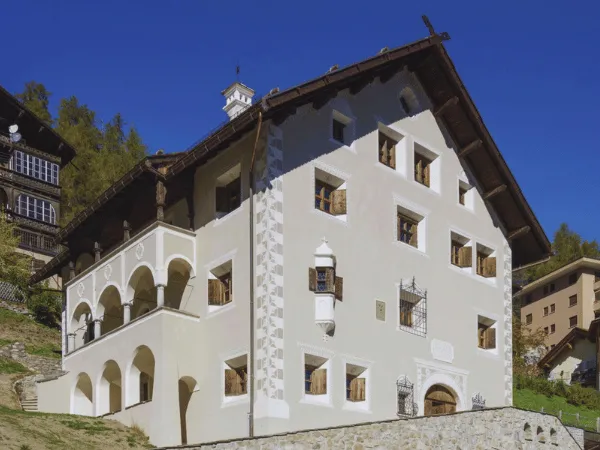
The Muzeum Engiadinais is one of Samedan’s cultural highlights and an essential stop for anyone wanting to understand local heritage.
What You’ll Discover
- Fully furnished historic rooms from different Engadin homes
- Traditional costumes, furniture, and household items
- Exhibits on agriculture, alpine life, and domestic traditions
- Rotating exhibitions focused on Engadin art and culture
Rather than a conventional museum, the Muzeum Engiadinais feels intimate and lived-in, offering insight into how families once worked, cooked, and celebrated across generations.
Historic Churches of Samedan
Religion has long shaped village life in the Engadin, and Samedan’s churches reflect both spiritual devotion and architectural beauty.
Reformed Church of San Peter
Perched slightly above the village, this church dates back to the 12th century. Its simple exterior contrasts with an elegant interior featuring:
- Gothic elements
- Historic frescoes
- A peaceful atmosphere overlooking the valley
Chiesa di San Gian
One of the oldest religious sites in the area, San Gian stands on the outskirts of the village. The church complex includes:
- Romanesque foundations
- Later Gothic expansions
- Frescoes that reveal centuries of artistic evolution
Together, these churches illustrate the spiritual and cultural development of Samedan over nearly a millennium.
Plaza and Palaces: The Village Center
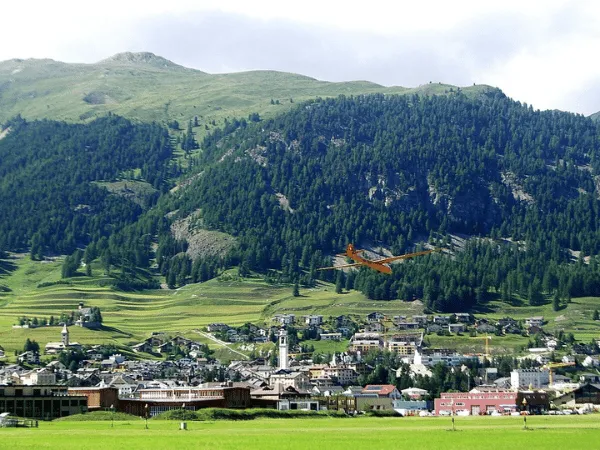
Samedan’s old town revolves around small plazas framed by historic residences and public buildings.
Central Village Square
Here, you’ll find:
- Elegant patrician houses once owned by wealthy Engadin families
- Traditional inns with centuries of hospitality history
- Carved stone fountains that once served as community gathering points
Many of these buildings feature beautifully preserved sgraffito designs depicting biblical scenes, floral motifs, or family symbols.
Romansh Culture and Language
Samedan is located in one of Switzerland’s most linguistically unique regions. Romansh, one of the country’s four national languages, is still spoken here—specifically the Puter dialect.
You’ll encounter Romansh in:
- Street signs
- Local school instruction
- Church services
- Cultural festivals
This living language adds another layer to Samedan’s cultural identity and reinforces its role as a guardian of Engadin traditions.
Festivals and Cultural Life
Samedan’s cultural heritage is not confined to museums—it is celebrated year-round through events and traditions.
Notable Cultural Events
- Chalandamarz (March) – A traditional festival marking the end of winter, featuring cowbells, parades, and folk songs
- Local craft markets – Showcasing woodwork, textiles, and regional foods
- Classical concerts and church recitals – Often held in historic venues
These events keep traditions alive while welcoming visitors into the rhythm of local life.
Railway Heritage and Modern Connections
Samedan is an important stop on the Rhaetian Railway, a UNESCO World Heritage-listed network. The historic railway station blends functionality with alpine charm and played a major role in opening the Engadin to cultural exchange and tourism.
Today, the railway connects Samedan to St. Moritz, Pontresina, and beyond, making cultural exploration easy without a car.
Cultural Walks and Guided Tours
One of the best ways to experience Samedan is on foot.
Recommended Experiences
- Historic village walking tours focusing on architecture and sgraffito
- Museum-guided visits with local historians
- Self-guided cultural trails highlighting significant buildings and viewpoints
These walks reveal details that casual visitors often miss—hidden inscriptions, old trade symbols, and architectural quirks unique to the Engadin.
Why Samedan Stands Out as a Cultural Hub
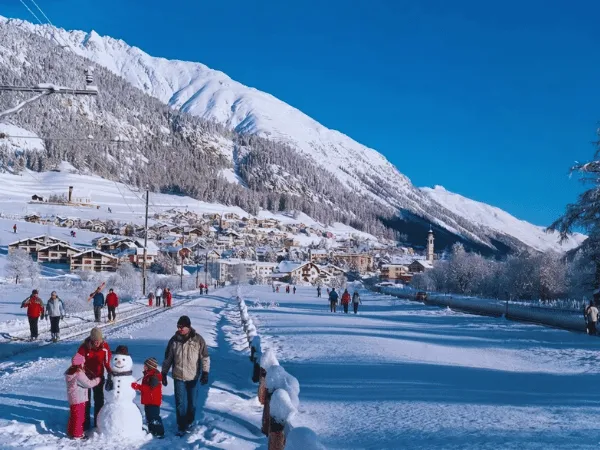
Unlike resort towns built primarily for tourism, Samedan has evolved organically over centuries. It serves as:
- A regional administrative center
- A guardian of Romansh culture
- A showcase of Engadin architecture
- A living village where history and modern life coexist
This balance makes Samedan especially appealing to travelers seeking depth, authenticity, and cultural enrichment.
Best Time to Visit for Cultural Exploration
- Summer (June–September): Ideal for walking tours, festivals, and museum visits
- Autumn (October): Quiet streets, golden landscapes, and deep cultural immersion
- Winter (December–March): Snow-covered historic buildings and seasonal traditions
Each season reveals a different side of Samedan’s cultural identity.
Final Thoughts
Samedan is a destination that rewards curiosity. From its museums and medieval churches to its painted houses and living Romansh traditions, the village offers a rich cultural experience rooted in authenticity. Whether you are an architecture enthusiast, history lover, or slow traveler seeking meaningful connections, Samedan delivers a deeper understanding of the Engadin’s past and present.
In a region famous for alpine glamour, Samedan quietly shines as a true cultural heart—where heritage is not just preserved, but lived every day.
If you’re exploring the cultural heart of the Engadin, Samedan pairs beautifully with several nearby alpine destinations worth adding to your itinerary. For year-round sports, wellness, and family-friendly activities, visit Mulets Sports Center in Silvaplana, a popular recreation hub offering indoor and outdoor fun in every season. Winter lovers should also explore Silvaplana, Graubünden, an alpine paradise famous for snow sports, frozen lakes, and breathtaking mountain scenery.
To experience Switzerland’s most iconic peak in its most magical season, discover the Matterhorn in winter, where snow transforms this legendary landmark into a fairytale destination. Just a short journey away, Celerina, Switzerland offers a scenic alpine village atmosphere near St. Moritz, blending traditional Engadin architecture with stunning valley views—making it a perfect addition to your cultural journey through the Engadin region.