
At the very tip of Victoria’s Mornington Peninsula lies a place where powerful ocean currents collide, winds sculpt rugged cliffs, and layers of Australian history unfold step by step. Point Nepean National Park is not just another coastal reserve — it is a destination that blends dramatic landscapes, rich cultural heritage, and quiet moments of reflection into one unforgettable experience.
Whether you are drawn by panoramic ocean views, historic military forts, native wildlife, or peaceful coastal walks, Point Nepean offers something for every kind of traveler. This guide explores everything you need to know before visiting, from what makes the park special to the best walks, hidden stories, and practical tips.
An introduction to Point Nepean National Park
Point Nepean National Park occupies the narrow stretch of land separating Port Phillip Bay from Bass Strait. Its unique location gives the park a raw, exposed feel — one side calm and sheltered, the other wild and unpredictable. This contrast is part of its magic.
The park is protected not only for its natural beauty but also for its cultural and historical significance. For thousands of years, the land was cared for by the Bunurong people, whose deep connection to the coastline continues to be acknowledged today. Later, the area played a major role in Australia’s early settlement, quarantine processes, and coastal defense systems.
Why Point Nepean is different from other coastal parks
Many national parks offer scenic walks or beaches, but Point Nepean stands out for three reasons:
- Its strategic location at the entrance to Port Phillip Bay
- Its preserved historical sites, including forts and quarantine buildings
- Its untouched coastal environment, free from modern development
Walking through the park feels like stepping into a place where time slows down. You can move from windswept cliffs to quiet grassy clearings within minutes, all while surrounded by stories from the past.
How to get there and plan your visit
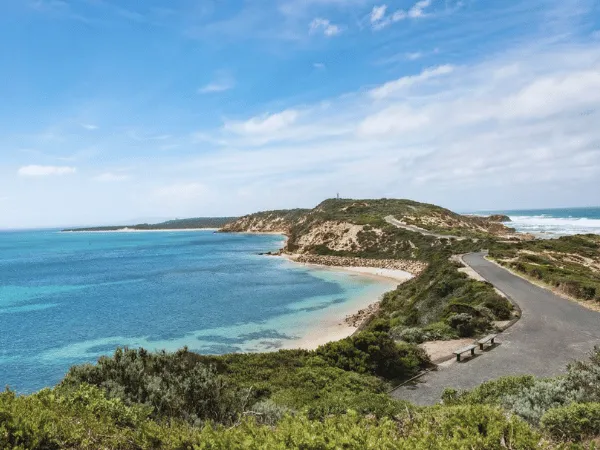
Point Nepean National Park is located near Portsea, at the southern end of the Mornington Peninsula. It is an easy day trip from Melbourne, taking around 90 minutes by car depending on traffic.
Entry and access
- Vehicles can enter the park during daylight hours
- Walking and cycling are allowed beyond vehicle access points
- There is no entry fee, making it an affordable outdoor experience
Once inside, visitors can explore on foot, by bike, or via a shuttle service that operates to key locations such as Fort Nepean.
The best things to see and do
1. Walk the coastal headlands
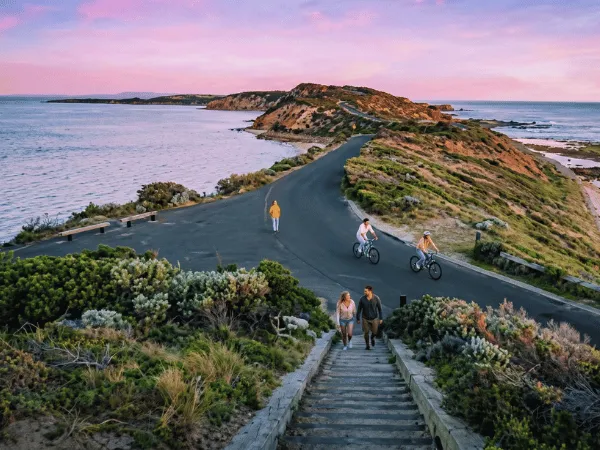
The walking tracks at Point Nepean are some of the most scenic on the Mornington Peninsula. Wide paths lead along clifftops where the ocean stretches endlessly in front of you. On clear days, you can see ships entering Port Phillip Bay, dwarfed by the scale of the sea.
These walks are mostly gentle, making them suitable for families, casual walkers, and photographers alike.
2. Discover Fort Nepean
One of the most fascinating attractions in the park is Fort Nepean, a historic military site that once formed part of Australia’s coastal defense network. Built in the late 1800s, the fort includes:
- Underground tunnels
- Gun emplacements
- Observation points with sweeping views
Exploring the fort gives insight into how important this location once was for protecting Melbourne from potential naval threats.
3. Explore the Quarantine Station
The Quarantine Station tells a quieter but equally powerful story. In the 19th and early 20th centuries, ships arriving in Victoria were inspected here for disease. If illness was suspected, passengers were isolated within the station.
Today, visitors can walk among restored buildings, old hospital wards, and cottages while learning about the experiences of migrants, medical staff, and families who passed through this place.
4. Visit Cheviot Beach (from above)
Cheviot Beach is one of the most visually striking parts of the park. Surrounded by steep cliffs and crashing waves, it is a place best admired from designated lookout points.
The beach is known for its dangerous conditions and is not suitable for swimming, but the views alone make it a memorable stop.
5. Wildlife spotting and nature moments
Despite its exposed coastal setting, Point Nepean supports a surprising variety of wildlife. Keep an eye out for:
- Eastern grey kangaroos
- Wallabies resting in the scrub
- Native birds such as honeyeaters and seabirds
Early mornings and late afternoons are the best times to spot animals quietly moving through the vegetation.
Walking tracks worth exploring

Point Nepean offers several well-maintained walking routes. Some of the most popular include:
- Quarantine Station Loop – Easy and educational
- Fort Nepean Walk – Ideal for history lovers
- Coastal headland paths – Perfect for ocean views and photography
The tracks are mostly flat and accessible, but comfortable walking shoes are recommended due to uneven surfaces in some areas.
Photography at Point Nepean
For photographers, Point Nepean is a dream location. The combination of open sky, textured cliffs, historic structures, and shifting light creates endless opportunities.
Best photography times:
- Sunrise for soft light and fewer crowds
- Late afternoon for dramatic shadows and golden tones
Remember to stay on marked paths and respect restricted areas while capturing images.
Important rules and safety tips
To protect the park and its visitors, a few rules are strictly enforced:
- Dogs and pets are not permitted
- Swimming is unsafe along exposed ocean beaches
- Drones may be restricted
- Stay on designated tracks at all times
Weather can change quickly, so bring sun protection, water, and a light jacket even on warm days.
Where to eat and stay nearby
While there are no cafés inside the park, nearby towns like Portsea and Sorrento offer plenty of dining options, from casual fish and chips to fine dining.
Accommodation options across the Mornington Peninsula include:
- Beachside holiday homes
- Boutique bed and breakfasts
- Luxury retreats and resorts
Staying nearby allows you to explore the park early in the morning or enjoy sunset walks without rushing.
Best time to visit Point Nepean National Park
- Spring: Wildflowers, mild temperatures
- Summer: Long daylight hours, busier trails
- Autumn: Clear skies, fewer crowds
- Winter: Dramatic seas and peaceful walks
Each season offers a different mood, making the park worth visiting more than once.
A place that stays with you
Point Nepean National Park is more than a scenic destination. It is a place where natural forces, human stories, and quiet reflection coexist. The wind carries history across the cliffs, and every path invites you to slow down and take notice.
Whether you visit for a few hours or spend an entire day exploring, Point Nepean leaves a lasting impression — one shaped by the sea, the land, and the people who came before.
If Point Nepean National Park has sparked your interest in exploring Victoria’s outdoors, there are plenty of other scenic escapes worth adding to your list. Enjoy a relaxed day surrounded by nature at some of the top picnic spots across Victoria, or unwind beside calm waters with this complete guide to Lake Daylesford in Daylesford, one of the state’s most peaceful lakeside retreats. If you prefer walking trails, the Yackandandah Gorge Scenic Walk offers a hidden nature escape in Victoria’s High Country, while Hanging Rock Reserve in the Macedon Ranges showcases a powerful mix of dramatic landscapes and cultural significance.