
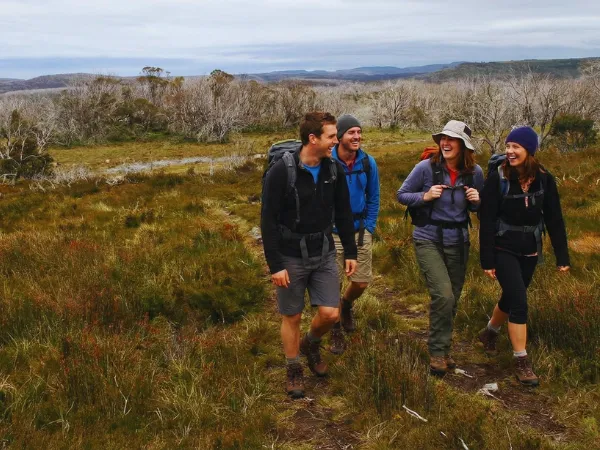
Nestled high in Victoria’s Alpine National Park, the Aqueduct Trail at Falls Creek is one of the most rewarding and accessible walks in the Australian Alps. This picturesque trail combines sweeping alpine views, fascinating engineering history, and gentle terrain, making it perfect for families, casual walkers, photographers, and anyone wanting to experience the beauty of the Bogong High Plains without a strenuous hike.
Whether you visit in summer when the wildflowers bloom or in autumn when the landscape turns golden, the Aqueduct Trail offers a peaceful escape into nature while showcasing an important chapter of Victoria’s hydroelectric past.
Overview of the Aqueduct Trail
The Aqueduct Trail follows historic water channels built as part of the Kiewa Hydroelectric Scheme, an ambitious mid-20th-century project that helped power Victoria’s growth. These aqueducts once carried water across the high plains to feed hydroelectric power stations in the Kiewa Valley.
Today, the trail has been repurposed into a scenic walking and cycling route that gently contours along the alpine landscape. With minimal elevation changes and well-defined paths, it’s one of the easiest and most enjoyable walks in the Falls Creek region.
Key highlights of the trail include:
- Expansive views across the Bogong High Plains
- Alpine meadows dotted with seasonal wildflowers
- Historic aqueduct structures and channels
- Abundant birdlife and chances to spot native wildlife
- Peaceful, uncrowded walking conditions compared to summit trails
Trail Location and Access
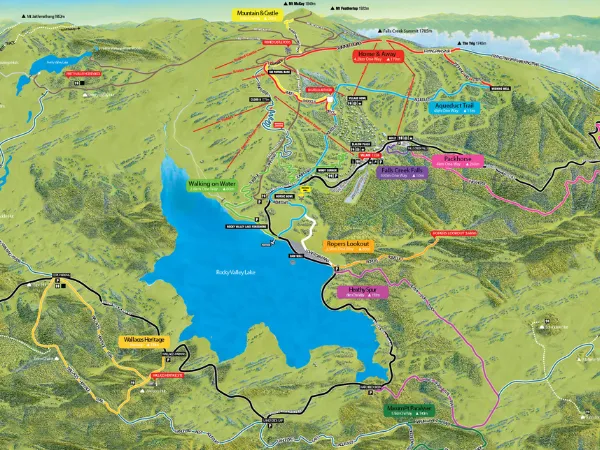
The Aqueduct Trail is located within Falls Creek Alpine Resort, approximately 380 km northeast of Melbourne. During the warmer months (late spring to autumn), the area is easily accessible by car.
Several access points exist, but one of the most popular starting spots is near Falls Creek Village, where parking areas and trail signage are clearly marked. Walkers can choose short out-and-back sections or combine multiple aqueduct paths for a longer loop walk.
Distance, Difficulty, and Duration
One of the reasons the Aqueduct Trail is so popular is its flexibility.
- Distance: Varies depending on the section walked (commonly 3–8 km return)
- Difficulty: Easy
- Duration: 1.5 to 3 hours, depending on pace and route choice
- Track condition: Well-formed dirt and gravel paths
The trail’s gentle gradient makes it suitable for beginners, families with children, and older walkers who want an alpine experience without steep climbs.
A Walk Through Alpine History
Walking the Aqueduct Trail is like stepping back into a fascinating period of Australian engineering history. Constructed between the 1940s and 1960s, the aqueducts were essential to redirecting water from alpine streams into power-generating infrastructure below.
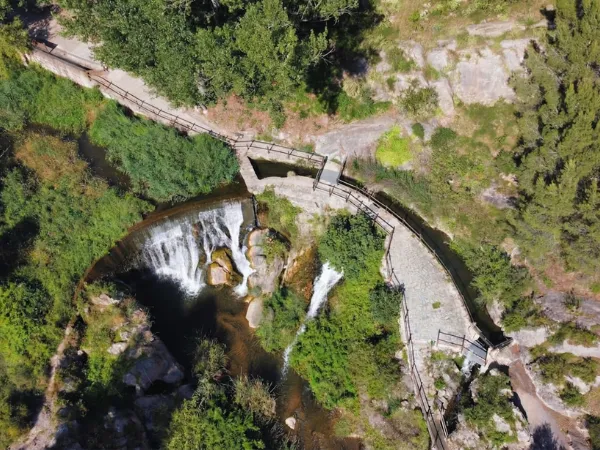
As you walk, you’ll notice remnants of concrete channels, stone-lined water races, and control gates. These structures blend seamlessly into the landscape, offering a reminder of how human ingenuity once adapted to this harsh alpine environment.
Interpretive signs along some sections of the trail explain the purpose of the aqueducts, adding depth and meaning to your walk.
Alpine Scenery and Natural Beauty
The Aqueduct Trail is less about dramatic peaks and more about expansive, calming scenery. It traverses open alpine plains where the horizon seems endless, particularly on clear days when distant mountain ranges stretch across the skyline.
Wildflowers and Plant Life
From late spring through summer, the trail bursts into colour. Alpine daisies, billy buttons, and snow gentians line the track, creating a constantly changing display. Low-growing shrubs and grasses dominate the landscape, shaped by snow, wind, and cold temperatures.
Wildlife Encounters
The quieter nature of this trail makes it ideal for wildlife spotting. Kangaroos and wallabies are commonly seen grazing in the early morning or late afternoon. Birdwatchers may spot flame robins, wedge-tailed eagles, and other alpine species soaring overhead.
Best Time to Walk the Aqueduct Trail

The Aqueduct Trail is best experienced outside the winter snow season.
Summer (December to February)
This is the most popular time to walk the trail. Mild temperatures, clear skies, and blooming wildflowers create ideal walking conditions. It’s also when Falls Creek transitions from a ski resort into a vibrant summer alpine destination.
Autumn (March to May)
Autumn brings fewer crowds and crisp mountain air. Golden grasses and changing light make this an excellent season for photography. Temperatures can drop quickly, so warm layers are essential.
Spring (October to November)
Spring is beautiful but unpredictable. Snow may linger in shaded areas, and weather conditions can change rapidly. Check local conditions before heading out.
What to Bring
Even though the Aqueduct Trail is considered easy, alpine environments demand preparation.
Essential items include:
- Sturdy walking shoes or trail runners
- Weather-appropriate clothing (layers are key)
- Sun protection (hat, sunscreen, sunglasses)
- Plenty of water
- Snacks or a light picnic
- Camera or phone for photos
Weather in alpine regions can shift quickly, so always be prepared for wind and sudden temperature drops.
Family-Friendly and Accessible Walking
One of the standout features of the Aqueduct Trail is how inclusive it is. The wide, relatively flat path makes it suitable for families with young children. Kids often enjoy spotting wildlife and exploring the historic structures along the way.
While not fully wheelchair accessible due to gravel surfaces, some sections may be manageable with all-terrain mobility aids in dry conditions.
Photography and Scenic Stops
If you love landscape photography, the Aqueduct Trail will not disappoint. The open plains, changing skies, and distant mountain backdrops offer countless photo opportunities.
Early morning and late afternoon are particularly magical, with soft light enhancing the textures of the alpine grasses and casting long shadows across the plains.
Several natural stopping points along the trail make perfect spots for rest breaks, quiet reflection, or a picnic with a view.
Combining the Aqueduct Trail with Other Walks
Many visitors choose to combine the Aqueduct Trail with other nearby walking tracks to create a half-day adventure. Falls Creek is home to numerous interconnected trails, allowing walkers to tailor routes based on time, fitness, and interest.
The Aqueduct Trail also works well as a gentle introduction to alpine walking before tackling more challenging routes in the Bogong High Plains.
Environmental Care and Walking Etiquette
The alpine environment is fragile, and visitors play a crucial role in protecting it.
- Stay on marked trails to avoid damaging sensitive vegetation
- Take all rubbish with you
- Avoid disturbing wildlife
- Respect historic structures by not climbing on them
By following these simple guidelines, you help preserve the trail for future generations.
Why the Aqueduct Trail Should Be on Your Falls Creek Itinerary
The Aqueduct Trail may not have the dramatic climbs of alpine summits, but its charm lies in its simplicity. It offers a peaceful, immersive way to experience the beauty of Victoria’s High Country while learning about its history and enjoying gentle, scenic walking.
For visitors seeking a relaxed alpine adventure, a family-friendly walk, or a quiet escape surrounded by nature, the Aqueduct Trail at Falls Creek is an outstanding choice.
Final Thoughts
The Aqueduct Trail (Falls Creek) is a reminder that some of the most memorable walks aren’t about conquering peaks, but about slowing down and connecting with the landscape. With its sweeping views, historic significance, and easy terrain, this trail captures the essence of alpine walking in Victoria.
Whether you’re visiting Falls Creek for a weekend escape or exploring the region’s many trails, make sure the Aqueduct Trail is part of your journey—it’s a walk that leaves a lasting impression long after you’ve returned home.
The Aqueduct Trail at Falls Creek isn’t just another path through the mountains — it’s a chance to slow down, breathe deeply, and truly connect with the beauty of Victoria’s High Country. Whether you’re an avid walker, a family looking for a serene outdoor experience, or simply searching for inspiration for your next adventure, this trail delivers scenic views, historical intrigue, and an unforgettable alpine atmosphere. If you’re planning more outdoor escapes, don’t miss our guide to the Top 10 Little Walks in Victoria for a Weekend Escape, explore stunning cascades in Top 10 Waterfalls in Victoria You Shouldn’t Miss, or find easy routes perfect for all ages in Top 10 Family-Friendly Hikes Near Melbourne. Wherever your next steps take you, the Aqueduct Trail is the perfect place to start — and a memory you’ll cherish long after you’ve packed up your boots.