Switzerland is a country that never runs out of ways to steal your breath. From the sweeping glaciers of the Bernese Oberland to the shimmering lakes of Ticino, almost every corner of this small Alpine nation holds a postcard-worthy scene. Yet among all the jaw-dropping heights that Switzerland has to offer, Säntis stands apart . Which is a rugged, mist-wrapped peak that rises dramatically above the rolling landscape of Appenzell. And also commands panoramic views across six countries on a clear day.
Standing at 2,501 metres above sea level, Säntis is the highest summit in the Alpstein massif in northeastern Switzerland. It is one of those rare places where raw natural power meets accessibility — thanks to a modern cable car, almost anyone can reach the summit and be rewarded with one of the most spectacular Alpine panoramas imaginable. Whether you are an avid hiker, a casual traveller, or someone simply looking for a moment of awe, Säntis delivers that and more.
In this guide, we take a deep dive into everything you need to know about Säntis — from how to get there and the best times to visit, to what you will find at the top and why this alpine gem deserves a top spot on every traveller’s Swiss itinerary.
Where Exactly Is Säntis Located?
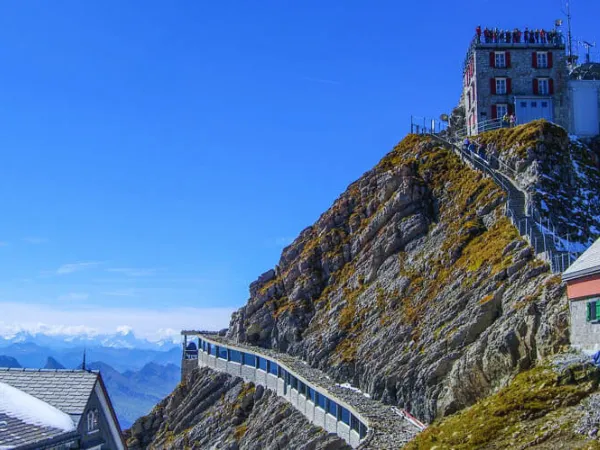
Säntis is located in the canton of Appenzell Innerrhoden in northeastern Switzerland. It is near the border with the canton of St. Gallen. It forms the centrepiece of the Alpstein mountain range — a compact but dramatic cluster of limestone peaks, deep valleys, and turquoise alpine lakes. The region is often overshadowed by Switzerland’s more famous destinations like the Matterhorn or the Jungfrau, but those who make the journey to Appenzell are rewarded with an experience that feels genuinely off the beaten path.
The nearest town is Urnäsch, though most visitors base themselves in Appenzell village. This is a charming, colourful settlement known for its painted houses, hearty local cheese, and deep-rooted folk traditions. Säntis is roughly 20 kilometres south of St. Gallen and can be reached with relative ease from major Swiss cities such as Zurich, which is about 90 minutes away by public transport.
How to Get to Säntis: Your Complete Travel Guide
One of the great advantages of Säntis as a destination is how accessible it is. The cable car station is located at Schwägalp, a high mountain pass at an elevation of around 1,350 metres. From Schwägalp, the Säntisbahn — the cable car — lifts visitors to the summit in just around ten minutes. The journey itself is a thrill, as the cabin sweeps steeply upward past sheer limestone cliffs. And also through bands of cloud, revealing ever more dramatic scenery with every passing second.
By Public Transport
Switzerland’s public transport system makes reaching Schwägalp straightforward. From Zurich, take a train to Herisau or Urnäsch, then catch a PostBus (or regional bus) to Schwägalp. The entire journey takes around 90 minutes to two hours. The Swiss Travel Pass covers most of this route, making it a cost-effective option for tourists already exploring the country.
By Car
Driving is also a popular option, especially for those travelling with families. There is a large car park at Schwägalp, and the mountain road through Appenzell and Urnäsch is scenic in its own right. On busy summer weekends, parking can fill up early in the morning, so an early arrival is strongly recommended.
The View from the Top: What Makes Säntis So Special?
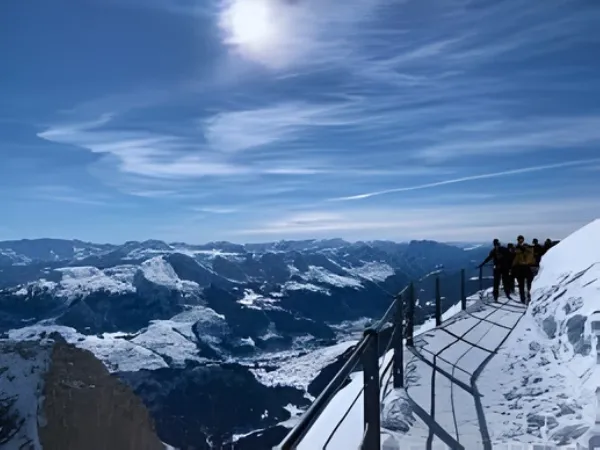
Let us be direct: the view from Säntis is extraordinary. On a clear day, the panorama stretches across six countries — Switzerland, Germany, Austria, Liechtenstein, France, and even Italy in the distance. Below you, the Appenzell landscape unfolds like a living relief map: rolling green hills dotted with farms, the broad shimmer of Lake Constance (Bodensee) to the north, and the jagged spine of the Alps marching away in every direction.
The summit offers a full 360-degree viewing platform, meaning there is no single “best direction” to look — everywhere is spectacular. On hazy or partly cloudy days, the mist that swirls around the limestone towers and crags below creates an almost mystical atmosphere. Looks as if the mountain is briefly letting you peer beyond a veil most people never lift. Many visitors describe the experience as deeply moving, not just visually but emotionally.
It is also worth noting that Säntis is geologically fascinating. The limestone formations of the Alpstein are the result of ancient seabed sediments compressed and pushed upward over millions of years. The reddish-grey rock that forms the summit’s dramatic cliffs gives the mountain a distinctly ancient, almost otherworldly appearance that sets it apart from the more snow-capped peaks of the central Alps.
What to Do at Säntis: Activities and Attractions
Säntis is far more than just a viewing platform. The summit complex has been thoughtfully developed over the years to offer a range of experiences for visitors of all ages and interests.
- Restaurant and Dining: The summit restaurant serves warm Swiss meals with some of the most dramatic dining views you will ever encounter. Rösti, fondue, and local Appenzeller specialities are on the menu — the perfect fuel after a cold, windswept morning on the summit.
- The Säntis Tower: The distinctive telecommunications tower and meteorological station at the summit have operated since 1935. The station collects important weather data for the region and is one of the key weather monitoring sites in the Alps.
- Hiking in the Alpstein: For those who prefer to earn their views, Säntis is the crown jewel of an extensive network of Alpine hiking trails. The famous Alpstein traverse connects Säntis with the Wildkirchli caves, the Ebenalp cliff face, and the jewel-like Seealpsee lake. This is considered one of Switzerland’s great multi-day hiking circuits.
- Sunrise and Sunset Visits: The cable car operates early enough to catch sunrise on the summit during summer months. Watching the first light paint the Alps gold from 2,501 metres is a memory that will stay with you for a lifetime.
- Winter Activities: In winter, the Schwägalp area transforms into a quiet winter sports destination. Snowshoeing, ski touring, and sledging are all popular, and the summit takes on an entirely different but equally beautiful character when covered in snow.
The Best Time to Visit Säntis
Säntis is open year-round, and each season brings its own particular magic. That said, the timing of your visit can make a significant difference to what you experience.
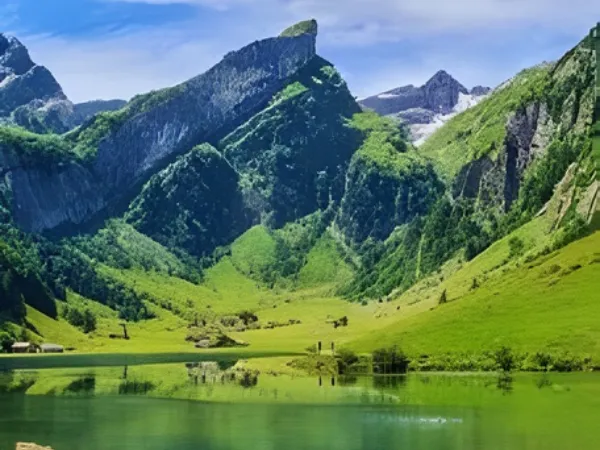
Summer (June to September) is peak season and for good reason. The days are long, the trails are open, and the likelihood of clear skies — and those legendary six-country panoramas — is at its highest. However, this is also when crowds are largest. Arriving early in the morning on a weekday gives you the best chance of a quieter, more personal experience at the top.
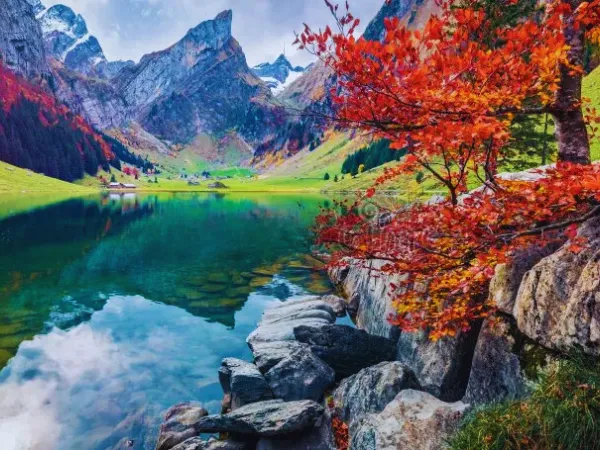
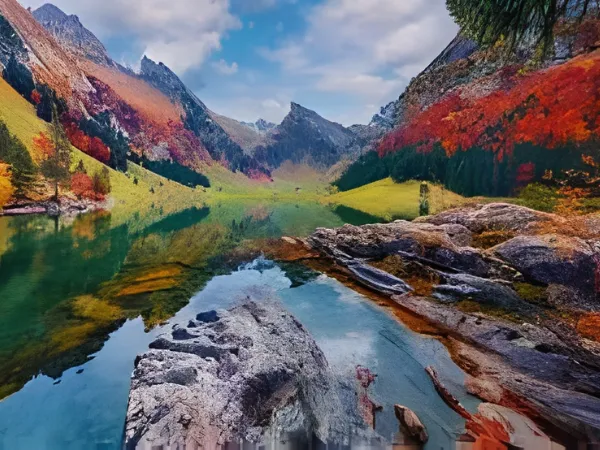
Autumn (October and November) is arguably the most beautiful time to visit for photographers. The forests and pastures below the summit turn shades of amber, copper, and burgundy, and the cooler, crisper air often brings exceptional visibility. Crowds are thinner, and there is a contemplative stillness to the mountain that summer cannot match.
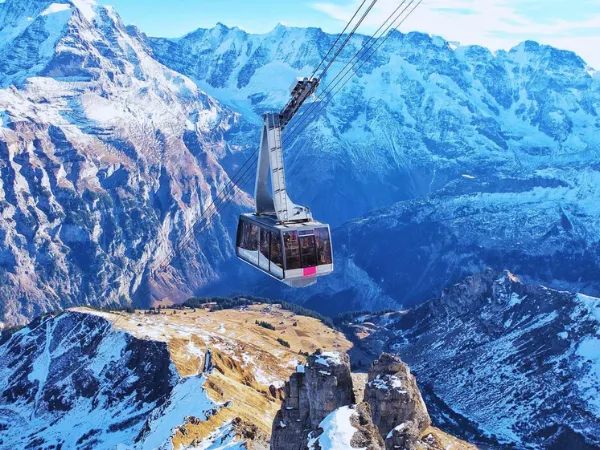
Winter (December to March) transforms Säntis into an icy wonderland. The summit may be shrouded in cloud more frequently, but when clear days arrive, the snow-covered Alps are a sight of breathtaking, almost surreal beauty. It is also worth checking whether the cable car is operating, as severe winter weather can occasionally cause short closures.
Spring (April and May) sees the snow retreating from the lower slopes, wildflowers beginning to emerge, and the mountain feeling refreshed and reborn. The trails reopen gradually through this period, and the waterfalls fed by snowmelt are particularly impressive.
Practical Tips for Visiting Säntis
- Dress for the weather: Even on warm valley days, temperatures at 2,501 metres can be significantly colder and winds can be fierce. Always bring a warm jacket, a windproof layer, and comfortable footwear regardless of the season.
- Check the weather forecast: The Säntis website and the MeteoSwiss app both provide detailed summit-specific forecasts. A clear forecast increases your chances of experiencing those legendary panoramic views.
- Book cable car tickets online: During busy summer weekends, queues at the cable car station can be long. Booking your ticket in advance online saves time and ensures you get the time slot you want.
- Use the Swiss Travel Pass: If you hold a Swiss Travel Pass, you are eligible for a discount on the Säntisbahn cable car fare, making the visit even better value.
- Combine with Appenzell village: Do not skip the charming village of Appenzell on your way to or from the mountain. The painted façades, local museums, and regional cheeses make for a wonderful complement to the high-altitude drama above.
Why Säntis Deserves a Place on Every Swiss Itinerary
Switzerland is filled with high-altitude destinations competing for your attention — the Jungfraujoch, the Gornergrat, the Pilatus, the Rigi. So why should Säntis be on your list? The answer lies in what makes it different.
Säntis is less commercially developed than some of its famous counterparts, which means it retains a rawness and authenticity that is increasingly rare. The surrounding Alpstein landscape — with its dramatic gorges, emerald lakes, and historic mountain inns — is one of the most geologically and scenically distinctive in the whole of Switzerland. The region as a whole feels like a place where the mountains are still genuinely wild.
There is also something deeply grounding about the Appenzell culture that surrounds this mountain. The local people have a proud, independent character. Appenzell Innerrhoden was the last Swiss canton to grant women the right to vote at cantonal level, famously not doing so until 1990. And the traditional customs, architecture, and gastronomy of the region feel genuinely alive rather than performed for tourists.
Säntis, then, is not just a viewpoint. It is a gateway into one of Switzerland’s most characterful and underappreciated corners . A place where the Alps still feel majestic, and where the act of standing on a high summit and looking out across a continent feels, as it should, like something genuinely extraordinary.
Final Thoughts
Whether you arrive by cable car on a busy summer Saturday or hike up through the fog of a quiet October morning, Säntis has a way of making itself felt. This is a mountain that demands your full attention — and richly rewards it. With its staggering panoramic views, remarkable accessibility, rich natural landscape, and authentic cultural surroundings, Säntis earns its reputation as one of Switzerland’s most breathtaking viewpoints without any exaggeration whatsoever.
If Switzerland is on your travel horizon — even if only for a few days — make room for Säntis. You will not regret it.
Ready to Explore More of Switzerland?
Säntis is just the beginning. Switzerland is a country that rewards the curious traveller at every turn, and the mountains never stop delivering moments that take your breath away. If this Alpine adventure has stirred your wanderlust, why not keep exploring?
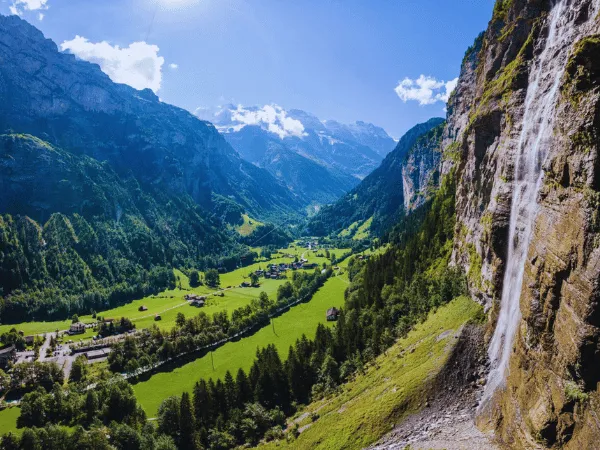
For a taste of classic Swiss charm, the car-free mountain village of Wengen offers a slower, more intimate Alpine experience that perfectly complements the drama of Säntis. Nearby, the legendary Lauterbrunnen Valley — with its 72 waterfalls and sheer cliff walls — is one of those places that genuinely defies description until you stand inside it.
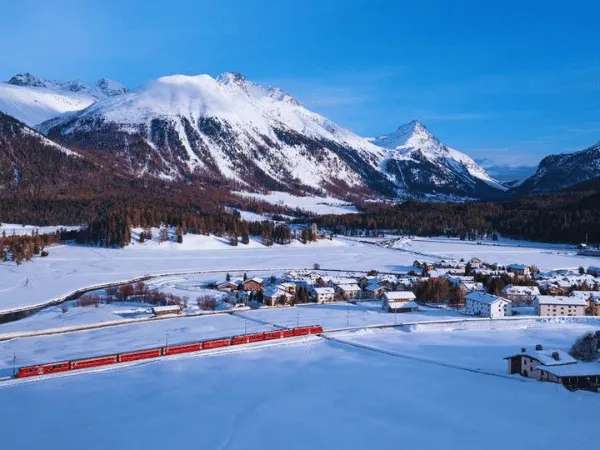
Further south, the Engadin Valley is a world unto itself. The sun-drenched village of Celerina near St. Moritz blends authentic Alpine life with effortless elegance, while the quietly beautiful Bever offers a window into traditional Swiss village life largely untouched by mass tourism. And if you visit in winter, Silvaplana in Graubünden is an Alpine winter paradise that belongs on every serious Switzerland bucket list.
Switzerland has a way of making you feel like every valley, every peak, and every lake was placed there specifically for you. Keep exploring — there is always another breathtaking view just around the next bend.