Nestled in the heart of St. Moritz in the stunning Engadin valley of Switzerland, the Muzeum Engiadinais—also known as the Museum Engiadinais or Engadiner Museum—is a cultural treasure that offers a deep, immersive look into the traditional lifestyle of the Engadine region. This remarkable museum isn’t just about objects behind glass. It’s a living chronicle of daily life, language, craftsmanship, and domestic culture that spans five centuries.
In this blog post, we’ll explore the history, collections, architecture, cultural significance, visitor experience. And also practical tips for planning your visit—making it your go-to guide for this enchanting Swiss museum.
Origins and History of the Museum
A Visionary Collector: Riet Campell
The story of the Muzeum Engiadinais begins with Riet Campell (1866–1951), a local researcher and brewer from Susch in the Engadine region. Recognizing the cultural value of traditional interiors and everyday objects, Campell dedicated his life to collecting historically significant rooms and items from the 16th to 19th centuries. His goal was to preserve regional heritage before it was lost to time and commercial dispersion.
A Purpose-Built Museum
Unlike many history museums that adapt old buildings, the Muzeum Engiadinais was purpose-built in 1906 to house Campell’s extraordinary collection. Renowned architect Nicolaus Hartmann Jr. (1880–1956) designed the museum structure based on traditional Engadine house architecture, making the building itself an integral part of the museum experience.
This unique approach created a holistic cultural environment: the museum’s architecture and interiors work together to provide visitors with a vivid sense of historical domestic life in the Alps.
What Makes the Museum Unique?
Authentic Historic Interiors
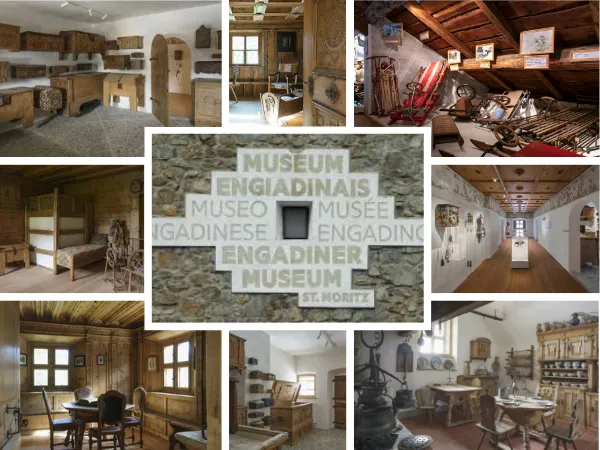
At the core of the Muzeum Engiadinais are its 21 meticulously reconstructed historic rooms. These interiors—including wood-panelled parlors (“stüvas”), kitchens, bedrooms, and grand halls—range from the 16th to the 19th century. Visitors can see how space was used, how furniture was arranged, and how daily life unfolded in these traditional Alpine homes.
Each room acts almost like a time capsule, showcasing architectural elements, textiles, furniture, and décor that paint a detailed picture of historic Engadine living. Many items in the display are original pieces from Riet Campell’s collection, adding authenticity and depth to the experience.
More Than Just Furniture – Everyday Objects
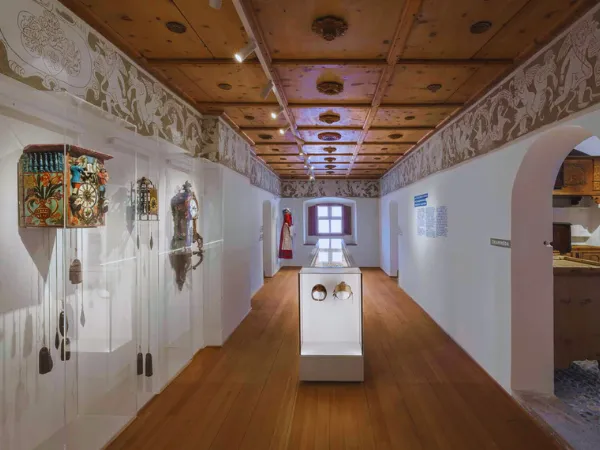
Beyond architectural interiors, the museum’s thousands of artifacts—such as chests, strongboxes, watches, jewellery, smoking accessories, and weapons—provide cultural context to the everyday lives of past inhabitants. These objects help to illustrate social customs, economic conditions, and personal identities across centuries.
Celebrating Language and Culture
One of the Muzeum Engiadinais’ most fascinating aspects is its focus on the Romansh language. one of Switzerland’s four national languages. Romansh was once at risk of disappearing, but preservation efforts helped secure its official status in 1938. Today, the museum’s exhibits include a dedicated section on Romansh culture, complete with audio samples available through the museum’s e-guide system.
This feature highlights that the museum is not just about furniture or décor—it’s about people, identity, and living heritage. It’s a celebration of how language shapes culture and connects generations.
Artistic and Special Exhibitions
In addition to its permanent display, the museum hosts temporary exhibitions that place its historic collection in dialogue with contemporary art and ideas. For example:
🎨 The special exhibition “Move on – Into the Woods” staged creative impressions based on wear patterns and natural textures from the museum objects, blending tradition with modern artistic methods.
These rotating exhibitions offer new perspectives and reason to revisit the museum, appealing to both culture buffs and contemporary art enthusiasts.
Visitor Information – Plan Your Trip
Location and Setting
- 📍 Address: Via dal Bagn 39, 7500 St. Moritz, Switzerland
- 🏔️ Region: Engadin Valley, Canton of Graubünden
Situated in one of Switzerland’s most beloved alpine destinations, the Muzeum Engiadinais blends seamlessly with the cultural and scenic richness of St. Moritza. A town known for its natural beauty, outdoor adventures, and cosmopolitan charm.
Opening Hours
The museum is typically open from Thursday to Sunday, 11:00 AM to 5:00 PM, with seasonal variations based on summer and winter schedules.
Entry Fees and Accessibility
Admission fees vary, and an e-guide in multiple languages (including Romansh audio samples) is usually included with the ticket price. Visitors under 17 often enjoy free entry, and Swiss Museum Pass or Swiss Travel Pass holders may receive free access.
Tips for an Enriching Experience
⏱️ Allocate Immersive Time
A typical visit can take 45 to 90 minutes, depending on your pace and interest level. Take your time in each room to absorb details in furniture, décor, and architectural design.
🎧 Use the E-Guide
The museum’s e-guide enhances your understanding with stories, historical context, and language samples—making your visit more engaging and educational.
📅 Check for Special Exhibitions
Temporary exhibitions add fresh artistic insights to historical content, so it’s worth checking the museum’s schedule before planning your visit.
Why the Muzeum Engiadinais Matters
In an era where globalization often blurs distinct cultural identities, the Muzeum Engiadinais stands as a lighthouse of regional heritage. It preserves not just objects, but the essence of daily life from centuries past. It allows visitors to step into authentic historic spaces and experience the soul of the Engadine.
From architectural beauty and everyday objects to linguistic heritage and cultural continuity, this museum offers a holistic journey into the heart of Alpine culture.
Conclusion – A Must-Visit for Culture Lovers
Whether you’re a history enthusiast, a traveler exploring Switzerland, or someone curious about Alpine traditions, the Muzeum Engiadinais is a must-visit cultural destination. Its authenticity, dedication to preservation, and engaging exhibits promise an unforgettable journey through time.
So next time you plan a trip to St. Moritz or the Engadin valley, make sure to include this remarkable museum in your itinerary. It’s not just a museum—it’s a living heritage experience waiting to be uncovered.
If you’re exploring cultural gems in the Engadin region, combine your visit to Muzeum Engiadinais with nearby experiences like the Mulets Sports Center in Silvaplana, a year-round destination for sports and recreation. Winter lovers should also explore Silvaplana, Graubünden, one of Switzerland’s most beautiful alpine winter paradises. To complete your Swiss journey, don’t miss the iconic Matterhorn in winter or plan a peaceful escape to Celerina, Switzerland, a scenic village just minutes from St. Moritz in the heart of the Engadin Valley.