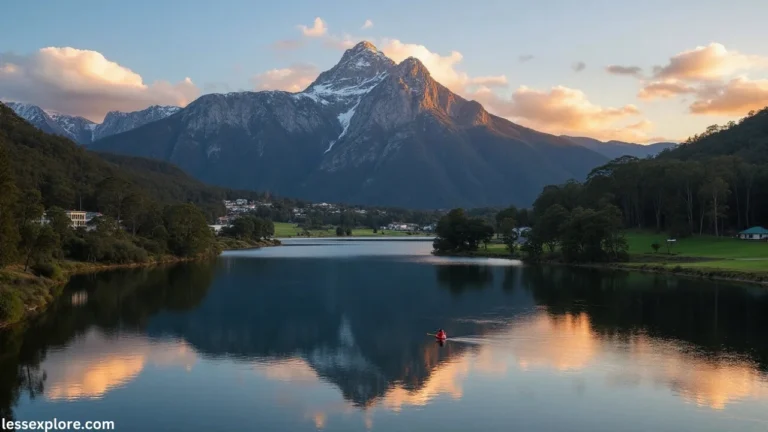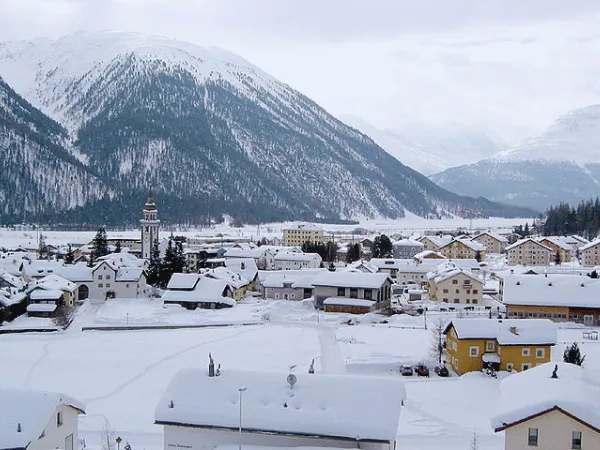
The Matterhorn is Switzerland’s most famous landmark and one of the most iconic mountains in the world. Standing at 4,478 meters above sea level, it dominates the Swiss Alps with its dramatic pyramid shape. During winter, the Matterhorn becomes even more impressive, as heavy snowfall transforms the mountain into a striking alpine symbol. Travelers visiting Switzerland in winter often place the Matterhorn at the top of their itinerary due to its breathtaking scenery and world-class winter experiences.
Located near the resort town of Zermatt, the Matterhorn represents everything Switzerland is known for: pristine snow, alpine beauty, outdoor adventure, and timeless landscapes. Winter is widely considered the best season to experience the mountain in its most photogenic and atmospheric form.
Where Is the Matterhorn Located in Switzerland?
The Matterhorn is located in the Pennine Alps in southern Switzerland, on the border between Switzerland and Italy. The Swiss side of the mountain is accessed through Zermatt, a renowned mountain village in the canton of Valais. Zermatt sits directly beneath the Matterhorn and offers uninterrupted views of the peak throughout the winter season.
Zermatt is a car-free destination, which adds to its appeal in winter. Electric taxis and horse-drawn carriages replace traffic noise, creating a peaceful alpine environment. Snow-covered streets and wooden chalets make Zermatt one of the most charming winter destinations in Switzerland.
Why the Matterhorn Is Switzerland’s Most Famous Mountain
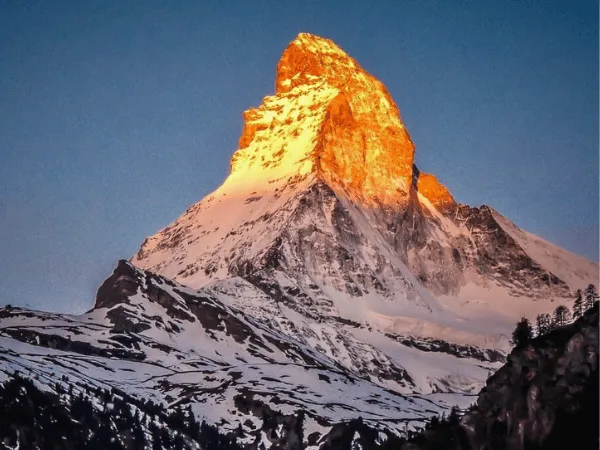
The Matterhorn is famous for its unique and instantly recognizable shape. Unlike many Alpine peaks, it rises almost independently from the surrounding mountains. Its four steep faces form a near-perfect pyramid, making it visually distinct from every angle.
This dramatic structure, combined with its height and isolated position, has made the Matterhorn a global symbol of the Swiss Alps. In winter, snow highlights the sharp ridges and deep faces, giving the mountain a powerful and majestic appearance that attracts visitors from around the world.
The Matterhorn also holds historical importance in mountaineering. Its first ascent in the 19th century marked a major milestone in Alpine exploration and contributed to its legendary status.
The Matterhorn in Winter: A True Alpine Icon
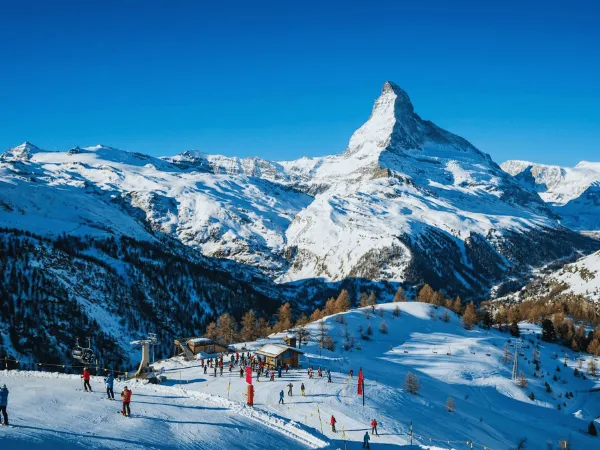
Winter completely changes the character of the Matterhorn. Snow blankets the mountain from base to summit, while surrounding glaciers expand and shine under clear alpine skies. The winter season enhances the mountain’s scale and intensity, making it feel larger and more dramatic than in summer.
Clear winter mornings often offer excellent visibility. The Matterhorn glows pink and orange during sunrise, a natural phenomenon known as alpenglow. These winter views are one of the main reasons photographers and nature lovers visit the region during colder months.
The silence of winter also adds to the experience. Snow absorbs sound, creating a calm and almost untouched atmosphere that defines the high Alps.
Zermatt in Winter: Best Base to Visit the Matterhorn
Zermatt is the main gateway to the Matterhorn and one of the best winter resorts in Switzerland. During winter, the village transforms into a classic alpine destination, complete with snow-covered rooftops, cozy hotels, and mountain views in every direction.
Zermatt offers a wide range of winter accommodation, from luxury hotels to traditional Swiss chalets. Restaurants serve popular winter dishes such as cheese fondue, raclette, and hearty alpine cuisine, making the village ideal for cold-weather travel.
The village is also known for its strong commitment to sustainability, which helps protect the surrounding alpine environment.
Winter Activities Around the Matterhorn
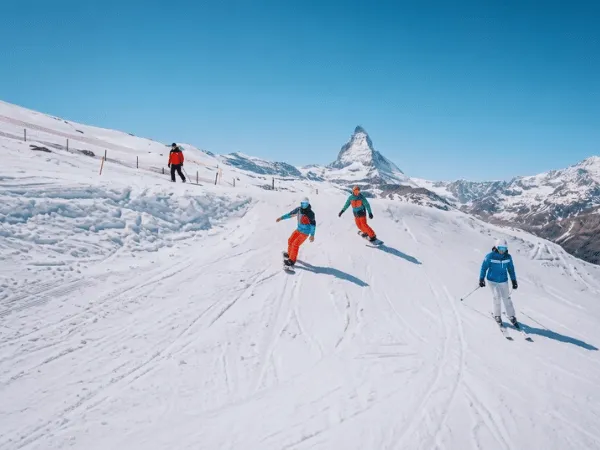
Skiing and Snowboarding Near the Matterhorn
The Matterhorn region is one of the top winter sports destinations in Europe. Zermatt has one of the highest ski areas in the Alps, with slopes that remain snow-reliable throughout the winter season.
Skiers and snowboarders can enjoy a wide variety of terrain, including beginner slopes, long intermediate runs, and challenging descents for experts. Many ski runs offer direct views of the Matterhorn, making the experience visually unique.
The ski area also connects with Italy, allowing cross-border skiing and adding even more variety to winter sports options.
Winter Hiking and Snowshoeing
Winter hiking around the Matterhorn is popular among non-skiers. Well-maintained winter trails lead through snowy forests and open viewpoints with clear views of the mountain.
Snowshoeing is another excellent winter activity. It allows visitors to explore quieter areas away from ski slopes while enjoying the peaceful winter landscape. These activities are ideal for travelers looking for slower, nature-focused winter experiences.
Matterhorn Glacier Paradise in Winter
Matterhorn Glacier Paradise is one of the most popular winter attractions in the region. It is home to the highest cable car station in Europe, located at 3,883 meters above sea level.
In winter, visitors are rewarded with panoramic views of snow-covered Alpine peaks stretching across Switzerland, Italy, and France. The altitude ensures reliable snow and dramatic winter scenery throughout the season.
Inside the glacier, an ice palace offers a unique winter experience. Ice tunnels and sculptures are carved deep within the glacier, creating an unforgettable attraction that highlights the power of alpine ice.
History of the Matterhorn
For centuries, the Matterhorn was considered impossible to climb. Its steep faces and unpredictable weather made it one of the most feared mountains in the Alps. The first successful ascent in 1865 changed mountaineering history forever.
The climb also emphasized the dangers of the mountain, earning the Matterhorn lasting respect among climbers. Winter ascents are especially difficult and only attempted by highly experienced alpinists due to ice, wind, and avalanche risks.
The Matterhorn and Swiss Winter Culture
The Matterhorn plays a central role in Swiss identity. It represents alpine strength, natural beauty, and adventure. In winter, it becomes a symbol of purity and resilience in the Alps.
The mountain appears in winter tourism campaigns, photography, artwork, and souvenirs. Its silhouette is recognized worldwide and is often associated with Swiss winter travel and alpine experiences.
Local traditions and winter events in Zermatt reflect the strong connection between the community and the surrounding mountains.
Best Time to Visit the Matterhorn in Winter
The winter season around the Matterhorn typically runs from December to April. January and February offer deep snow and classic winter conditions. March provides longer daylight hours and sunny skiing days.
Winter weather can change quickly, so proper clothing and planning are essential. Cold temperatures, snowfall, and high-altitude conditions are part of the experience.
Climate Change and the Matterhorn’s Winter Landscape
Like many Alpine regions, the Matterhorn area is affected by climate change. Glaciers are slowly retreating, and winter conditions are carefully monitored. Sustainable tourism practices aim to protect the mountain and its environment.
Visitors are encouraged to respect nature and follow responsible travel guidelines to help preserve this iconic winter landscape.
Conclusion:
The Matterhorn is Switzerland’s most famous landmark, and winter is when it truly stands out. Snow-covered slopes, frozen glaciers, and crisp alpine air reveal the mountain at its most dramatic. From winter sports and scenic viewpoints to peaceful village life in Zermatt, the Matterhorn offers unforgettable winter experiences.
For anyone planning a winter trip to Switzerland, the Matterhorn is more than just a mountain. It is a defining symbol of the Swiss Alps and a destination that leaves a lasting impression long after the journey ends.
If you are planning a winter trip to Switzerland, the Matterhorn is only the beginning of what this stunning country has to offer. For travelers who love snow adventures, explore our Most Popular Switzerland’s Ski Resorts — Winter Bucket List Guide to discover the best places for skiing and winter sports across the Swiss Alps.
If you prefer peaceful winter escapes, don’t miss our Top 10 Hotels in Iseltwald, Switzerland — Complete Guide, perfect for travelers seeking scenic lake views and cozy stays. You can also read our detailed guide on Iseltwald Lake Brienz in Winter, where snowy landscapes transform this charming village into a serene winter destination:
Together, these guides will help you plan a complete and unforgettable winter journey through Switzerland, from iconic mountains like the Matterhorn to hidden alpine gems and tranquil lakeside villages.