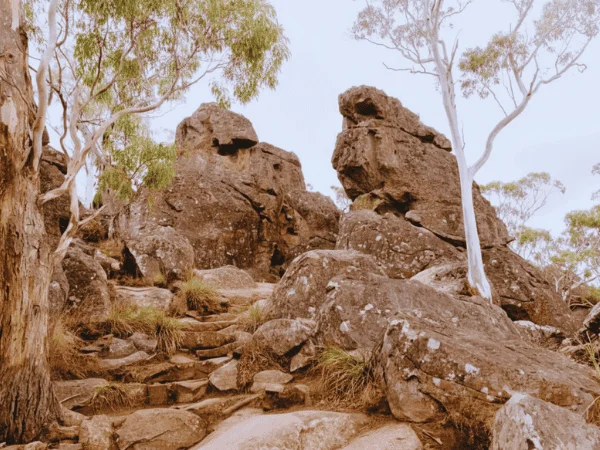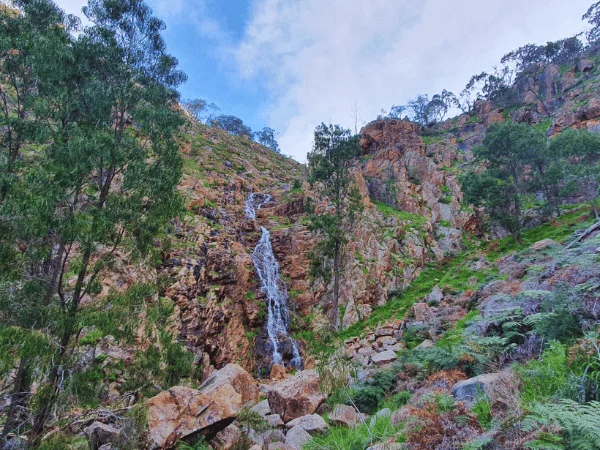
If you’re searching for a peaceful escape from the city, the Sherbrooke Falls Walk in Dandenong Ranges National Park is exactly what you need. Nestled in the lush green hills of Kallista, this beautiful trail offers towering mountain ash trees, singing lyrebirds, and a stunning waterfall at the end. Whether you’re a seasoned hiker or a casual stroller, this walk delivers an unforgettable nature experience just one hour from Melbourne’s CBD.
Furthermore, the trail is genuinely accessible for most fitness levels. Families, photographers, birdwatchers, and solo adventurers all find something special here. In this complete visitor guide, we cover everything you need to know — from the trail details and wildlife encounters to photography tips and nearby attractions.
What Is the Sherbrooke Falls Walk and Why Visit?
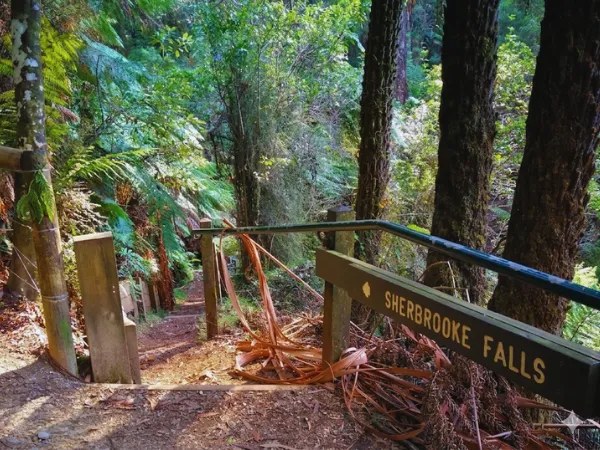
The Sherbrooke Falls Walk is a well-loved loop trail located within Sherbrooke Forest, part of the wider Dandenong Ranges National Park. The forest sits in the Dandenong Ranges, a series of low mountain ranges approximately 35 kilometres east of Melbourne, in the suburb of Kallista.
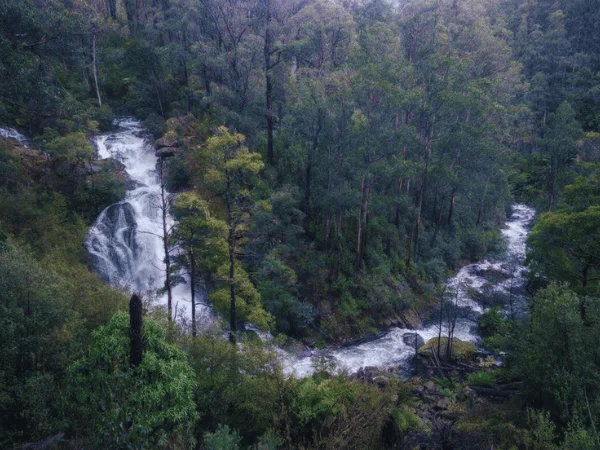
The trail winds through one of the most significant remaining cool temperate rainforest areas in Victoria. Additionally, the forest forms a critical habitat for several native species, including the superb lyrebird — one of Australia’s most iconic birds. The waterfall itself, Sherbrooke Falls, cascades down a mossy rockface into a tranquil fernery below.
This walk has become a firm favourite for Melbourne locals seeking a green escape. Moreover, it attracts international visitors who want to experience authentic Australian bushland without venturing too far from the city. The combination of old-growth forest, rich wildlife, and a rewarding waterfall makes it an outstanding day trip destination.
A Brief History of Sherbrooke Forest
Sherbrooke Forest carries a rich and layered history. For thousands of years, the Wurundjeri people of the Kulin Nation called these ranges home. They moved through the landscape with great knowledge of its plants, animals, and seasons. Consequently, the Dandenong Ranges held deep cultural and spiritual significance long before European settlement.
European settlers began moving into the Dandenongs in the 1840s. However, large-scale timber logging in the late 1800s heavily impacted the forests. By the early twentieth century, local conservationists recognised the need to protect what remained. Therefore, Sherbrooke Forest was declared a sanctuary in 1926, one of the first in Victoria.
Today, Parks Victoria manages the area as part of Dandenong Ranges National Park. The reforestation efforts over the past century have been remarkably successful. As a result, the towering mountain ash trees you walk beneath today are a testament to the power of conservation and ecological recovery.
The Trail Experience: What to Expect on the Sherbrooke Falls Walk
The Sherbrooke Falls Walk covers approximately 4.7 kilometres in a loop format. Most walkers complete the trail in around 1.5 to 2 hours, depending on their pace and how often they stop to explore.
The walk begins at the Sherbrooke Picnic Area, which offers car parking, toilets, and picnic tables. From here, the well-marked trail descends gently into the forest. Almost immediately, the atmosphere changes. The light dims, the temperature drops, and the sounds of the city fade entirely.
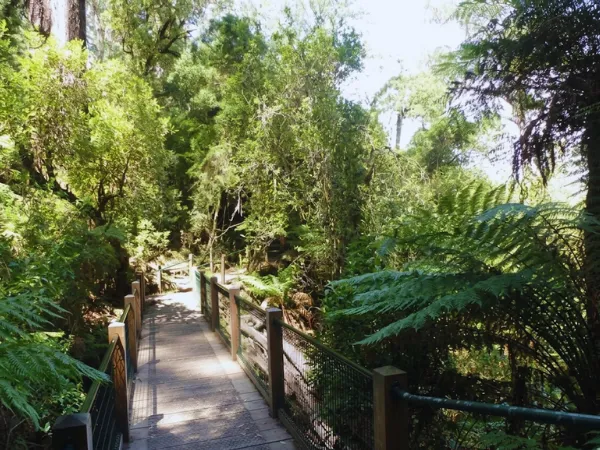
Furthermore, the trail surface is generally well-maintained. Parks Victoria has installed boardwalks and steps in several sections, particularly along steeper or muddier terrain. However, parts of the trail can become slippery after rain, so wearing sturdy footwear is always advisable.
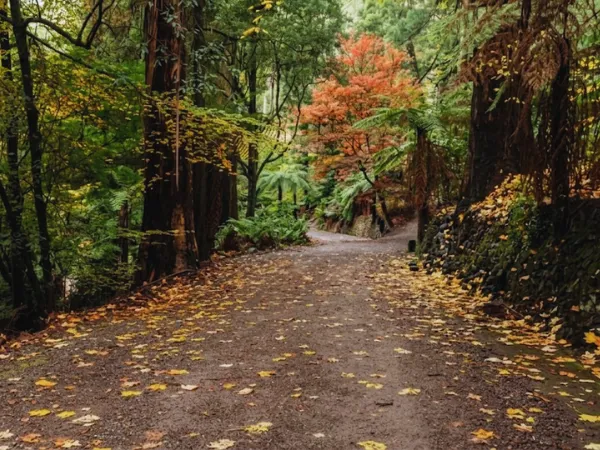
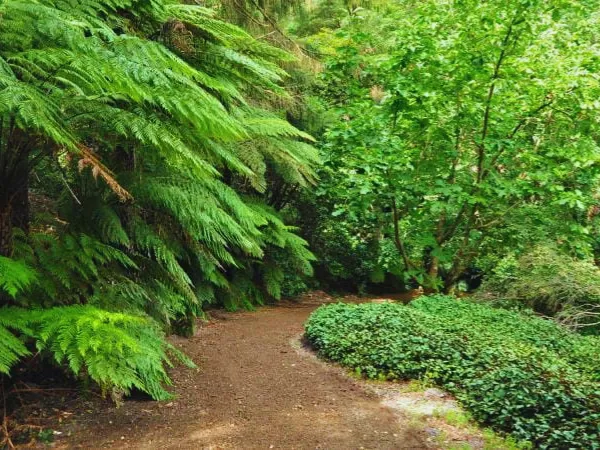
As you walk deeper into the forest, the trees grow taller and more impressive. Mountain ash trees, the tallest flowering plants on earth, rise high above the canopy. Their enormous trunks are draped in moss and fern. Additionally, tree ferns create a lush understorey that feels prehistoric and otherworldly.
The trail eventually leads to Sherbrooke Falls, the highlight of the walk. The waterfall flows most reliably during winter and spring, when rainfall is higher. In contrast, summer visits may find the falls reduced to a gentle trickle. Nevertheless, the fernery surrounding the falls is beautiful year-round.
Wildlife and Nature Highlights Along the Walk
One of the most exciting aspects of the Sherbrooke Falls Walk is the wildlife. The Dandenong Ranges host a remarkable diversity of native species, and Sherbrooke Forest is particularly well-known for its lyrebirds.
The superb lyrebird is a true showstopper. The male lyrebird is famous for its extraordinary ability to mimic sounds from its environment. Therefore, you may hear it imitating other bird calls, chainsaws, car alarms, or even camera shutters. Walking quietly and listening carefully increases your chances of spotting one. Moreover, early morning walks offer the best wildlife encounters, as animals are most active before midday.
Beyond lyrebirds, the forest teems with other birdlife. Yellow-tailed black cockatoos, gang-gang cockatoos, crimson rosellas, and eastern whipbirds are all regularly sighted. Consequently, birdwatchers often rate Sherbrooke Forest as one of the premier birdwatching destinations in Victoria.
Additionally, wallabies are frequently spotted along the trail edges, especially at dawn and dusk. Echidnas occasionally trundle across the path. If you look carefully at the tree hollows above, you may also spot a sugar glider or a brushtail possum tucked away for the day.
The flora itself is equally captivating. Soft tree ferns, mountain ash, myrtle beech, and a rich variety of mosses and ground orchids line the trail. Photography enthusiasts will find the forest offers extraordinary detail and beauty at every turn.
Photography Opportunities at Sherbrooke Falls and the Forest
The Sherbrooke Falls Walk is a paradise for photographers. Furthermore, it rewards both beginners with smartphones and experienced photographers with DSLR cameras.
The deep forest light creates soft, diffused conditions that are ideal for nature photography. The absence of harsh shadows makes colour rendition particularly beautiful. Additionally, the fern-covered floor and towering trunks create natural leading lines and depth.
Sherbrooke Falls itself is the most popular subject. For the best waterfall shots, visit after recent rainfall when the flow is strongest. Use a slow shutter speed to capture the silky water effect. A tripod is helpful here, as the light under the canopy is relatively low.
In the broader forest, look for details — a single fern frond catching filtered light, the texture of a moss-covered log, or the dramatic scale of a mountain ash trunk. Moreover, wildlife photography opportunities abound if you move quietly and patiently.
Sunrise and early morning visits offer magical light filtering through the canopy. In contrast, overcast days actually work very well in the forest, as the soft light eliminates harsh contrasts. Ultimately, almost any weather condition produces stunning images in Sherbrooke Forest.
Nearby Attractions in the Dandenong Ranges
The Sherbrooke Falls Walk is just one of many experiences waiting in the Dandenong Ranges. Therefore, consider extending your trip to explore the surrounding region.
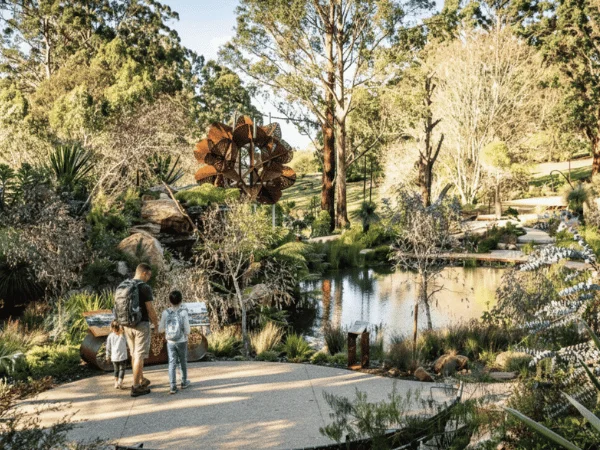
The picturesque village of Kallista sits right next to the park entrance. It features a charming collection of cafés, antique stores, and a beautiful botanic-style garden. Spending a coffee break in Kallista after your walk feels like stepping into a storybook village.
The nearby Puffing Billy Railway is a beloved heritage steam train that winds through the Dandenong Ranges. Furthermore, it has operated since 1900 and remains one of Australia’s most iconic tourist experiences. The train departs from Belgrave, just minutes from Sherbrooke Forest.
William Ricketts Sanctuary in Mount Dandenong is another unforgettable nearby experience. It features hauntingly beautiful sculptures created by artist William Ricketts, set amongst ferns and forest. Additionally, the Dandenong Ranges Botanic Garden at Olinda offers stunning formal gardens and seasonal floral displays.
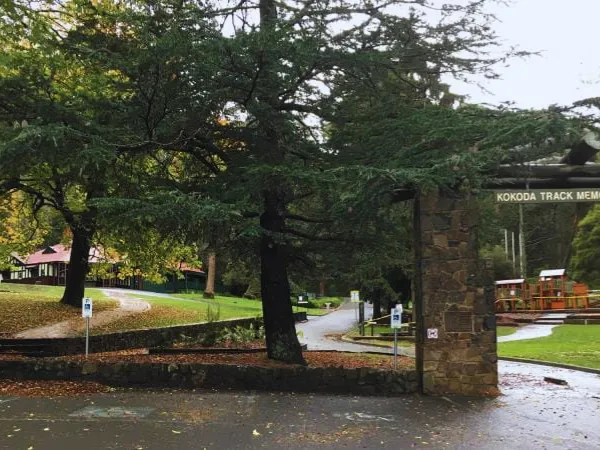
For those who want to extend their walking further, the 1,000 Steps Walk at Kokoda Track Memorial Walk in Ferntree Gully is highly recommended. Similarly, the Kokoda Track Memorial honours the brave Australian soldiers who fought in Papua New Guinea during World War II.
Travel Tips and Visitor Information
Best Time to Visit
The Sherbrooke Falls Walk is enjoyable year-round. However, the best seasons depend on what you want to experience. Winter and spring (June to November) offer the most impressive waterfall flows, as rainfall is higher during these months. Additionally, the forest feels particularly lush and green in spring.
Summer visits (December to February) can be warm and occasionally dry. Therefore, the waterfall may be reduced. However, summer mornings in the forest are still wonderfully cool and beautiful. Moreover, lyrebirds display and call throughout the year, though they are most active in late autumn and winter.
Autumn (March to May) brings a softer light and occasional morning mist drifting through the forest. Consequently, photographers often consider this the most atmospheric season.
How to Reach the Sherbrooke Falls Walk
The Sherbrooke Picnic Area and trailhead sit on Sherbrooke Road, Kallista, Victoria 3791. By car from Melbourne’s CBD, head east along the Burwood Highway or Monash Freeway, then follow signs toward Belgrave and Kallista. The drive takes approximately 45 minutes to one hour, depending on traffic. Parking at the picnic area is free.
By public transport, take the Belgrave train line from Flinders Street Station to Belgrave Station. From Belgrave, the Puffing Billy or a short taxi ride can bring you to Kallista. Additionally, some local bus services connect Belgrave to nearby Dandenong Ranges villages.
Things to Know Before Visiting
Arrive early, especially on weekends and public holidays. The car park fills quickly on busy days. Furthermore, early morning visits maximise your wildlife encounter opportunities.
Wear sturdy walking shoes or trail runners. Some sections of the track become muddy after rain. Additionally, bring layers — the forest is noticeably cooler than Melbourne, even in summer.
Carry water and snacks, as there are no food or drink vendors on the trail itself. The Kallista village cafés are nearby but may have limited opening hours on weekdays.
Always stay on the marked trail to protect the fragile forest floor. Moreover, dogs and bicycles are not permitted within Dandenong Ranges National Park. Fires and camping are also not allowed.
Mobile phone reception inside the forest can be patchy. Therefore, download an offline map before your visit. Parks Victoria’s website also provides up-to-date track condition reports.
Conclusion
The Sherbrooke Falls Walk in Dandenong Ranges National Park is one of Victoria’s most rewarding short walks. From the soaring mountain ash trees and singing lyrebirds to the mossy waterfall at the trail’s end, every step of this walk delivers something wonderful. Furthermore, its accessibility and proximity to Melbourne make it an easy and exceptional day trip for virtually any visitor.
Whether you’re a local searching for a weekend nature fix or a traveller seeking a genuine Australian forest experience, this walk will not disappoint. Therefore, lace up your boots, bring your camera, and make your way to Sherbrooke Forest. Nature is waiting — and it’s more magnificent than you might expect.
Explore More Destinations
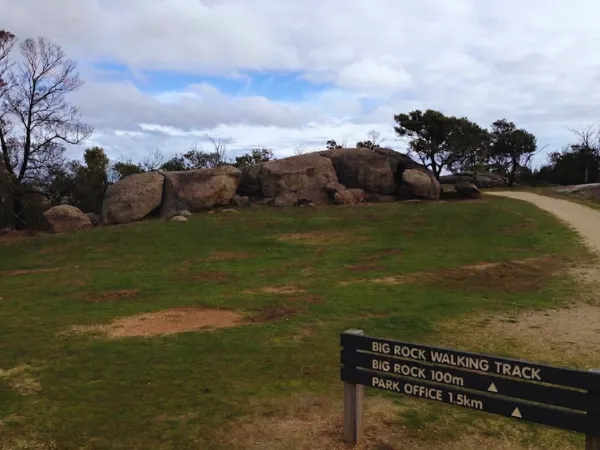
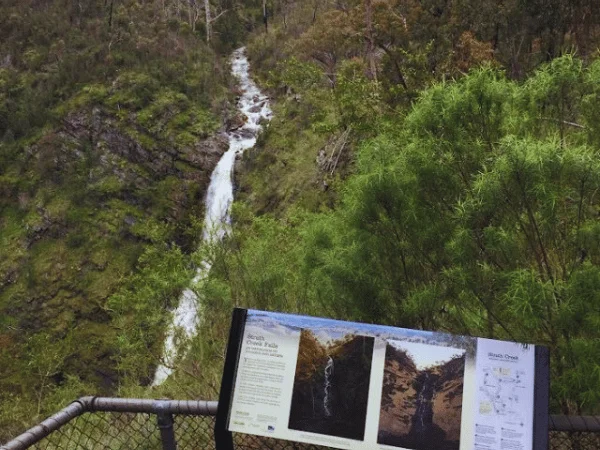
If you loved reading about the Sherbrooke Falls Walk, there are so many more incredible destinations waiting to be explored. From family-friendly hikes and hidden waterfalls to iconic landmarks and off-the-beaten-path adventures, the region around Melbourne offers endless opportunities for outdoor discovery. Explore our guides to top family-friendly hikes near Melbourne, discover the dramatic scenery at Big Rock in You Yangs Regional Park, or plan your next waterfall adventure with our Carmichael Falls Walk guide at Dinner Plain. Keep exploring, keep wandering, and let every trail lead you to a new favourite place.
Frequently asked questions
The Sherbrooke Falls Walk is approximately 4.7 kilometres long and follows a loop trail. Most walkers complete it in 1.5 to 2 hours, depending on pace and how often they stop to enjoy the forest and wildlife.
Yes, the Sherbrooke Falls Walk is suitable for most fitness levels, including beginners and families with older children. The trail is well-maintained, with boardwalks and steps on steeper sections. However, sturdy footwear is recommended as some sections can be muddy after rain.
The best time to visit Sherbrooke Falls is during winter and spring (June to November), when rainfall is higher and the waterfall flows at its strongest. However, the walk is beautiful year-round, and lyrebirds are active throughout the year.
Yes, the superb lyrebird is commonly spotted along the Sherbrooke Falls Walk. Sherbrooke Forest is one of the best places in Victoria to observe lyrebirds in the wild. Early morning visits offer the best chance of seeing and hearing them.
From Melbourne’s CBD, drive east along the Burwood Highway or Monash Freeway toward Belgrave and Kallista. The Sherbrooke Picnic Area on Sherbrooke Road, Kallista, serves as the trailhead. The drive takes approximately 45 to 60 minutes. By public transport, take the Belgrave train line to Belgrave Station, then connect via local transport to Kallista.