If you’re searching for a rewarding outdoor escape near Melbourne, Big Rock at You Yangs Regional Park in Little River deserves a top spot on your list. This iconic granite summit rises dramatically from the flat Werribee plains, offering sweeping panoramic views, excellent hiking trails, and rich natural beauty. Whether you’re a seasoned hiker, a wildlife enthusiast, or simply someone who loves discovering hidden gems close to the city, Big Rock You Yangs Regional Park delivers an unforgettable experience. Furthermore, its accessibility from Melbourne makes it a perfect day trip destination for families, solo travellers, and photography lovers alike.
What Is Big Rock at You Yangs Regional Park?
You Yangs Regional Park covers approximately 2,200 hectares of granite outcrops, scrubby bushland, and open woodland on the Werribee plains. The park sits between Geelong and Melbourne, near the small township of Little River. It forms part of a volcanic plain landscape shaped by ancient geological forces.
Big Rock is the park’s most recognisable feature. It towers above the surrounding flatlands, creating a striking natural landmark visible from the Princes Freeway. The name “You Yangs” itself is believed to derive from an Aboriginal phrase meaning “big mountain in the middle of the plains.” Therefore, the park carries deep cultural significance alongside its natural appeal.
The You Yangs range represents one of Victoria’s most distinctive geological formations. Flinders was among the first Europeans to document the range, naming it “You Yangs” after observations from Port Phillip Bay in 1802. Consequently, the park holds both natural and historical importance for visitors exploring the region.
The Hike to Big Rock: What to Expect
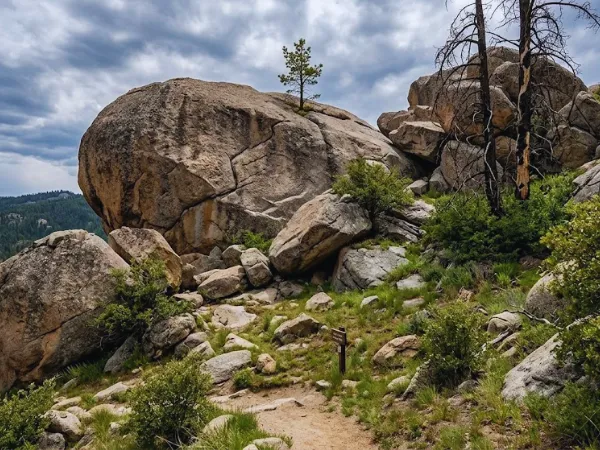
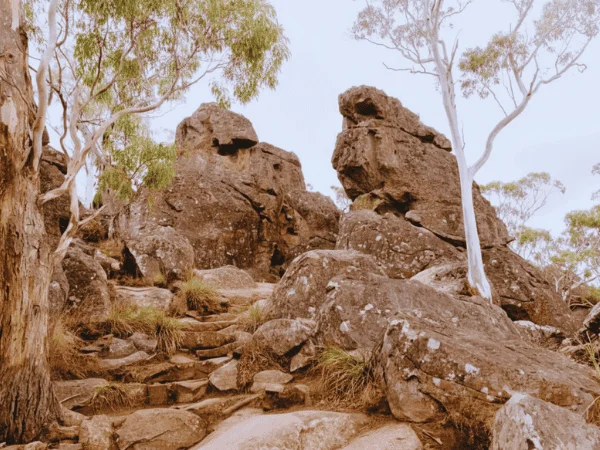
The trail to Big Rock is the park’s most popular walk. Most visitors begin at the Flinders Peak car park, which sits conveniently close to the main trailhead. From there, the main summit loop trail winds upward through scattered eucalyptus woodland and around massive granite boulders.
The climb to Big Rock itself is moderate in difficulty. Additionally, the trail features some steep sections near the summit, so sturdy footwear is strongly recommended. The return walk typically takes between one and two hours, depending on your pace and how often you stop to admire the views.
Moreover, the trail to Flinders Peak sits nearby and offers similar rewards. Many hikers combine both summits into a single half-day adventure. The terrain is rocky and uneven in places, so children and older visitors should take care. However, the effort is absolutely worth the reward at the top.
The Views from Big Rock You Yangs Regional Park
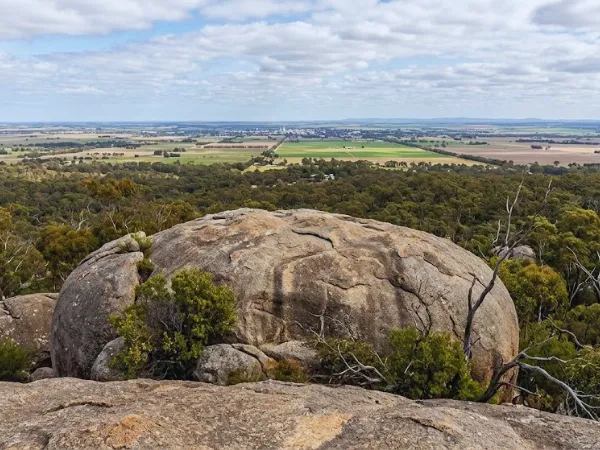
Standing atop Big Rock, the views stretch across the Werribee plains in every direction. On a clear day, you can see Port Phillip Bay glittering to the east. Melbourne’s skyline appears in the far distance, while the You Yangs range rolls away beneath your feet.
Furthermore, the Geelong skyline is visible to the south on clear days. The volcanic You Yangs plains spread out like a vast patchwork quilt below you. The contrast between the rugged granite summit and the flat surrounding land is genuinely breathtaking.
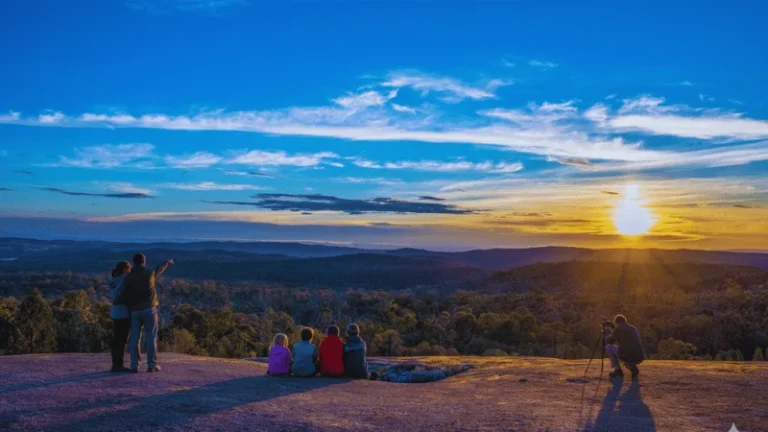
Sunrise and sunset visits reward photographers with spectacular golden light across the plains. Similarly, visiting after rainfall intensifies the vivid green of the surrounding bush. Many visitors agree that the view from Big Rock is among the finest accessible panoramas in the greater Melbourne region.
Wildlife and Nature at You Yangs Regional Park
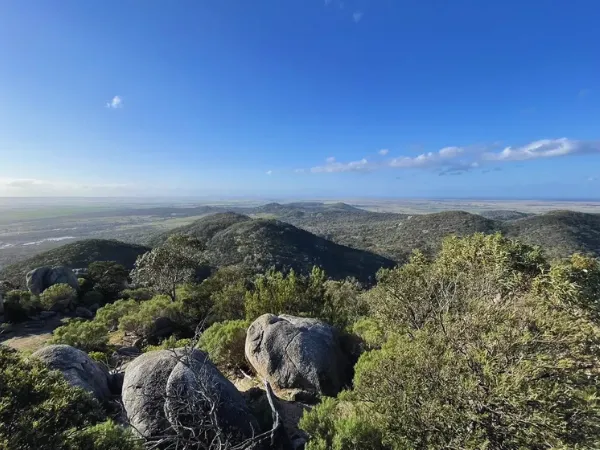
You Yangs Regional Park is one of the few places near Melbourne where you can reliably spot koalas in the wild. In fact, the park runs an active koala conservation and monitoring program. Consequently, koala sightings are relatively common, particularly in the gum trees along the lower walking trails.
Additionally, eastern grey kangaroos graze throughout the park, especially in the early morning and late afternoon. Echidnas occasionally appear along the walking tracks, rooting through leaf litter for insects. Furthermore, the park supports a rich birdlife including wedge-tailed eagles, kookaburras, crimson rosellas, and superb fairy-wrens.
The woodland vegetation itself is worth appreciating. Manna gum, grey box, and long-leaf box eucalypts dominate the park. Wildflowers bloom prolifically in spring, painting the undergrowth with bursts of yellow, purple, and white. Therefore, a visit in September or October rewards nature lovers with both blooms and wildlife activity.
Photography Opportunities at Big Rock You Yangs
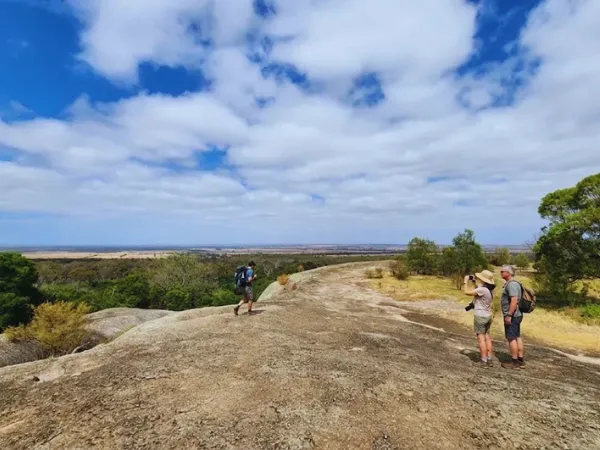
Big Rock You Yangs Regional Park is a favourite location for photographers across Victoria. The dramatic granite outcrops create bold, textured foregrounds for landscape shots. Moreover, the wide open plains provide endless sky and sweeping vistas that suit wide-angle photography beautifully.
The golden hour before sunset bathes the granite in warm orange and amber tones. Consequently, landscape photographers frequently time their visits for late afternoon. Star photography is also rewarding here, as light pollution remains relatively low compared to Melbourne’s suburbs.
Wildlife photography enthusiasts will find plenty of subjects throughout the park. Koalas in particular make wonderful photographic subjects as they rest in the tree canopy. Additionally, the early morning light filtering through the eucalyptus woodland creates beautiful dappled effects for nature photography. Therefore, bringing a camera — or simply a capable smartphone — is highly recommended.
Activities Beyond the Summit Trail
While the hike to Big Rock captures most visitors’ attention, You Yangs Regional Park offers several other rewarding activities. Mountain biking is permitted on designated trails throughout the park, and the terrain provides both challenging and beginner-friendly options. Furthermore, the park attracts rock climbers who tackle the granite faces under Parks Victoria guidelines.
Picnic areas near the main entry points provide peaceful spots for family gatherings. The Bottle Bend picnic area near Little River offers shaded tables and basic facilities. Moreover, birdwatching is excellent throughout the park year-round. Many visitors simply enjoy a leisurely stroll through the lower woodland trails without tackling the full summit climb.
Additionally, the park connects with nearby attractions including the Little River township itself, which has a charming heritage feel. Visiting Werribee Open Range Zoo, located just a short drive away, pairs perfectly with a You Yangs day trip. Therefore, there’s enough to fill a full and rewarding day in the area.
Travel Tips and Visitor Information
Best Time to Visit
Spring and autumn offer the most pleasant conditions for visiting Big Rock You Yangs Regional Park. September through November brings wildflowers and active wildlife. Meanwhile, March through May delivers cooler temperatures and beautiful golden foliage tones in the bush.
Summer visits are possible but demand extra preparation. Temperatures on the exposed granite summit can exceed 40°C on hot days. Therefore, early morning starts are essential during summer months. Conversely, winter visits offer crisp clear air and spectacular distant views on calm days.
Weekday visits tend to be quieter than weekends. Furthermore, arriving before 9:00 AM helps you secure parking and enjoy the trails in relative solitude.
How to Reach Big Rock You Yangs Regional Park (Little River)
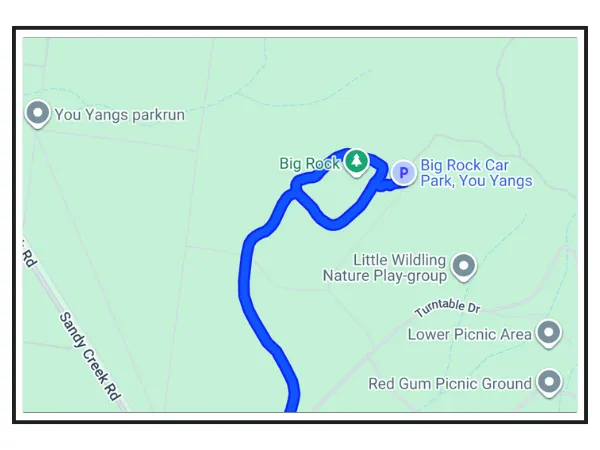
The park is easily accessible by car from both Melbourne and Geelong. From Melbourne, take the Princes Freeway (M1) westward toward Geelong. The You Yangs park entry is signposted near Little River, approximately 55 kilometres southwest of Melbourne’s CBD. The drive takes around 45 to 55 minutes under normal conditions.
Additionally, the park has multiple entry points. The Flinders Peak car park provides the most convenient access for the Big Rock and Flinders Peak trails. GPS coordinates for the main entry are approximately 37.9384° S, 144.3449° E.
Public transport options are limited. However, some visitors combine a Little River train station arrival with a bicycle ride into the park. A Parks Victoria entrance fee applies, and you can pay via the Parks Victoria app or at the park entry.
Things to Know Before Visiting
- Wear appropriate footwear. The granite trails are uneven and can be slippery when wet.
- Carry sufficient water. There are no water stations on the trails. Bring at least 1.5 litres per person.
- Download the Parks Victoria app. It handles entry fee payment and provides trail maps.
- Check fire danger ratings. The park may close on days of Total Fire Ban or Extreme Fire Danger ratings.
- Keep dogs on leads. Dogs are permitted in some areas but must remain leashed at all times.
- Respect wildlife. Never approach or feed koalas, kangaroos, or other native animals.
- Carry out all rubbish. Leave No Trace principles apply throughout the park.
Nearby Attractions Worth Adding to Your Itinerary
The Little River area and surrounding region offer several additional attractions that complement a Big Rock visit. Werribee Open Range Zoo sits approximately 20 kilometres east of the park and offers an immersive African savannah experience. Additionally, the Werribee Mansion and its formal gardens provide a beautiful heritage afternoon activity.
Point Cook Coastal Park lies along the bay coastline not far from the park. Furthermore, the Little River township itself charms visitors with its historic railway station and quiet country atmosphere. For food lovers, the Geelong food and wine scene is just 30 minutes south via the freeway.
Moreover, the Brisbane Ranges National Park lies roughly 40 kilometres to the northwest and offers excellent bushwalking and wildflower viewing in season. Therefore, the You Yangs area serves as an excellent base for exploring a rich cluster of natural and cultural experiences across the Geelong-Melbourne corridor.
Conclusion
Big Rock at You Yangs Regional Park near Little River stands as one of Victoria’s most accessible and rewarding natural destinations. From its dramatic granite summit and sweeping plains views to its abundant wildlife and photography opportunities, the park delivers genuine natural beauty within easy reach of Melbourne. Furthermore, the well-maintained trails, diverse activities, and rich ecological environment make it a destination worth returning to across different seasons.
Whether you summit Big Rock for the panoramic views, wander the woodland trails in search of koalas, or simply enjoy a peaceful picnic surrounded by native bush, You Yangs Regional Park rewards every kind of visitor. Therefore, if you’re planning a day trip from Melbourne or Geelong, make Big Rock You Yangs Regional Park your next adventure. The views from the top will stay with you long after you’ve returned home.
Explore More Destinations
Looking for your next great adventure? Our travel guides cover a wide range of hidden gems, scenic destinations, coastal escapes, mountain trails, and cultural experiences across Australia and beyond. Whether you’re planning a weekend road trip, a family day out, or an epic long-distance journey, you’ll find detailed guides, practical tips, and inspiring stories to help you explore more of the world around you. Dive into our collection and start planning your next unforgettable trip today.
The walk to Big Rock and back typically takes between one and two hours. The trail is moderate in difficulty, with some steep and rocky sections near the summit. Sturdy footwear is recommended for a comfortable hike.
Yes. You Yangs Regional Park is one of the most reliable spots near Melbourne to see wild koalas. They are commonly spotted resting in manna gum trees along the lower walking trails, particularly in the morning and late afternoon.
Absolutely. The park offers picnic areas, shorter nature walks, and excellent wildlife viewing, making it a great family outing. The summit trail requires some care on rocky sections, but it is manageable for older children with adult supervision.
You Yangs Regional Park charges a standard Parks Victoria vehicle entry fee. Visitors can pay conveniently through the Parks Victoria app before or upon arrival. Fee amounts are subject to change, so checking the Parks Victoria website before your visit is recommended.
Spring (September to November) and autumn (March to May) offer the most pleasant conditions. Spring brings wildflowers and active wildlife, while autumn delivers cooler temperatures and clear views. Summer visits are possible but require an early start due to high temperatures on the exposed granite summit.