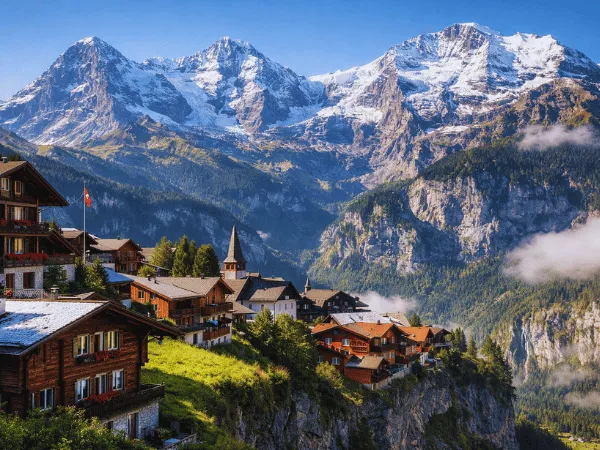
Global tourism has bounced back stronger than many expected. After years of travel restrictions and cautious itineraries, wanderlust has returned with full force. According to the United Nations World Tourism Organization (UNWTO), international tourist arrivals reached 1.45 billion in 2024 alone — an 11.5% jump compared to the previous year — and 2026 figures are tracking even higher. Europe continues to dominate, accounting for roughly 44% of all international arrivals, but Asia-Pacific is closing the gap fast, emerging as the decade’s fastest-growing tourism region.
So which countries are pulling the biggest crowds this year? Whether you’re planning your next trip or simply curious about where the world is heading, here’s a detailed look at the 10 most visited countries in the world in 2026.

1. France — The Undisputed Tourism Capital of the World
Estimated Annual Visitors: ~100 Million
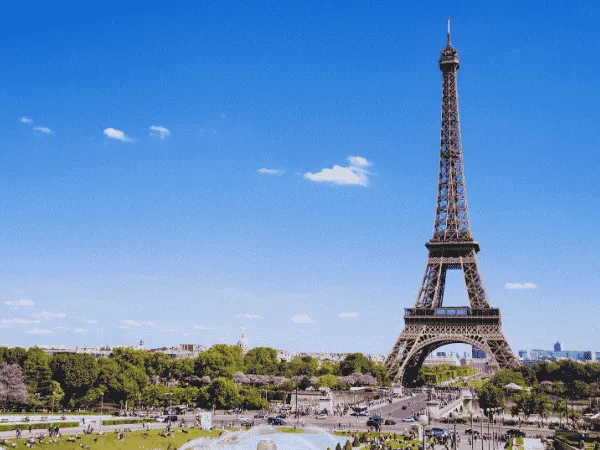
France has held the top spot on the global tourism rankings for decades. In 2026, nothing has changed. Over 100 million international visitors arrive every year. No other country combines what France offers quite so effortlessly — great art, world-class food, glamorous coastlines, and a culture that feels both timeless and completely alive.
Paris is the crown jewel. The Eiffel Tower remains one of the most photographed structures on earth. The Louvre draws art lovers from every corner of the globe. Notre-Dame is still completing its remarkable restoration. Visitors come just to witness the revival of one of history’s greatest architectural landmarks.
But France is far more than its capital. The French Riviera offers sun-drenched beaches and sparkling blue water. Provence is famous for its lavender fields and slow, beautiful pace of life. Bordeaux sits at the heart of one of the world’s finest wine regions. The Loire Valley is dotted with over 300 fairy-tale castles. Normandy gives you the emotional weight of the D-Day beaches and the awe-inspiring sight of Mont Saint-Michel rising from the tidal flats.
Every region has its own character. Every visit uncovers something new. That is exactly why France keeps pulling people back year after year.
Why it tops the list: Iconic landmarks, extraordinary food, diverse landscapes, and a high-speed rail network that makes exploring multiple regions in one trip both easy and affordable.
2. Spain — Sun, Fiesta, and a Feast for the Senses
Estimated Annual Visitors: ~85–97 Million
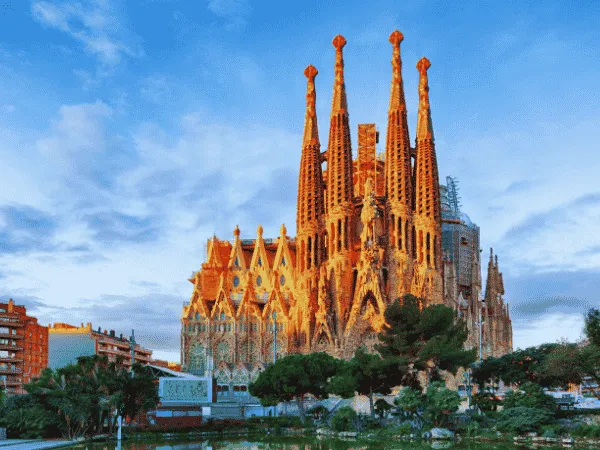
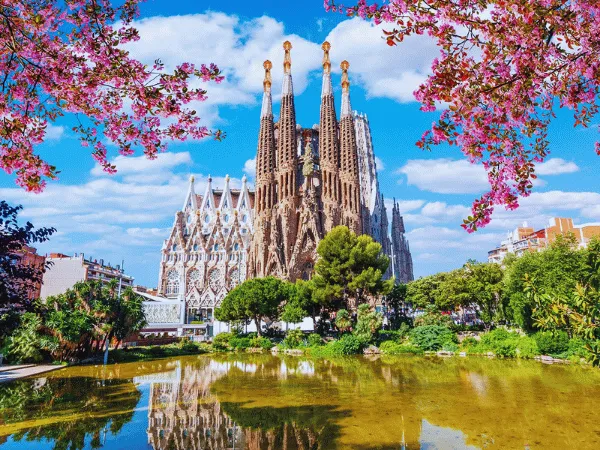
Spain is one of those countries that genuinely has something for every kind of traveller. Architecture lovers flock to Barcelona to marvel at Antoni Gaudí’s surreal masterpieces — the Sagrada Família, still technically under construction but more magnificent with every passing year, and the whimsical Park Güell overlooking the city. Art enthusiasts head to Madrid for the Prado Museum, home to a staggering collection of works by Goya and Velázquez. History buffs make their way south to Granada, where the Alhambra Palace stands as one of the finest surviving examples of Islamic architecture in Europe.
Spain’s food culture alone justifies the trip. The country’s tapas tradition turns eating into a social event — plates of jamón ibérico, patatas bravas, and fresh seafood passed around lively tables in centuries-old bars. Its wine regions, from Rioja to Ribera del Duero, have earned serious international respect.
And then there’s the festival calendar. The Running of the Bulls in Pamplona. La Tomatina in Buñol. Countless local fiestas that spill into cobblestone streets throughout the year. Spain knows how to celebrate, and visitors are always welcome to join in.
Why it ranks #2: A spectacular mix of architecture, beaches, food, nightlife, and cultural festivals that caters to virtually every travel style.

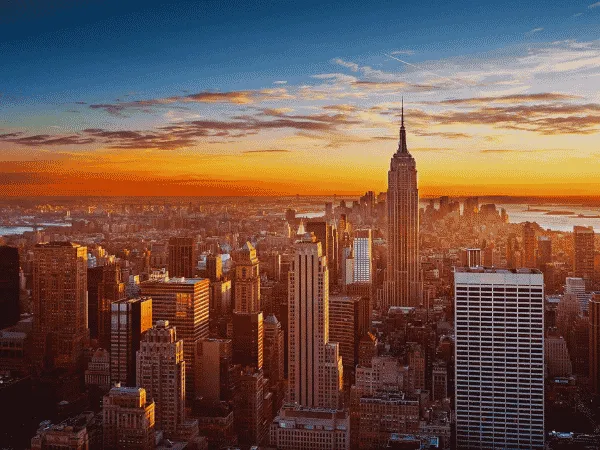
3. United States — A Continent-Sized Country of Endless Discovery
Estimated Annual Visitors: ~80 Million
The United States ranks third globally by visitor arrivals. But it leads the entire world in tourism revenue. An estimated $250 billion flows in from international visitors every year. That gap between arrival numbers and earnings tells you something important. People who visit the US tend to stay longer and spend more than almost anywhere else on earth.
The variety of experiences on offer is staggering. New York City alone could occupy a curious traveller for weeks. The skyline is iconic. The museums are world-class. Broadway theatre is unlike anything else. The city’s energy is relentless in the best possible way.
Head west and the story changes entirely. Los Angeles brings Hollywood glamour and year-round sunshine. San Francisco charms with its fog-draped hills and the Golden Gate Bridge rising dramatically from the bay. Hawaii is a world of its own — volcanic landscapes, turquoise water, and a rich Polynesian culture, all within American borders.
Then there is the natural world. The Grand Canyon is one of those sights that genuinely stops you in your tracks. Yellowstone National Park is unlike anywhere else on the planet. The Great Smoky Mountains, the red rock deserts of Utah, the glaciers of Alaska — the US national park system protects some of the most dramatic landscapes on earth.
The cities keep delivering too. Las Vegas dazzles with entertainment and excess. New Orleans serves up jazz, history, and some of the most distinctive cuisine in the country. Texas barbecue, Pacific Northwest seafood, Cajun cooking — American food is far more regional and interesting than its reputation suggests.
There is simply no other country that packs this much variety into a single passport stamp.
Why it ranks #3: Unmatched diversity of landscapes, cities, and experiences — all backed by a well-developed tourism infrastructure that makes travelling around relatively seamless.


4. China — Ancient Wonders Meet Futuristic Cities
Estimated Annual Visitors: ~65–76 Million
Here is the China section rewritten with shorter, punchier sentences
China has been climbing the global tourism rankings for years. Its rise shows no signs of slowing down. The country offers something that very few destinations can match — a head-spinning contrast between ancient heritage and hyper-modern living. That contrast is a huge part of its appeal.
The Great Wall is unlike anything else on earth. It stretches across northern China for thousands of miles. Standing on it in person is a genuinely humbling experience. No photograph fully prepares you for the scale of it. Restored sections near Beijing offer the most accessible starting point for visitors.
Beijing itself is extraordinary. The Forbidden City sits at its heart. Once home to 24 Chinese emperors, it contains thousands of rooms filled with centuries of imperial history. Walking through its vast courtyards gives you a real sense of the power and grandeur that once defined this place.
Beyond Beijing, the country opens up even further. High-speed trains connect major cities at remarkable speeds. Xian is home to the famous Terracotta Warriors — an underground army of thousands of life-sized clay soldiers buried for over two millennia. Guilin offers some of the most surreal river landscapes in Asia. Shanghai is sleek, towering, and relentlessly modern. It feels like a glimpse into the future.
Chinese food is an adventure all on its own. It varies dramatically from region to region. Sichuan cuisine is bold and fiery. Cantonese dim sum is delicate and refined. Street food markets in major cities offer adventurous eaters some of the most exciting and affordable meals anywhere in the world.
China is not just a destination. It is an experience that genuinely shifts your perspective.
Why it ranks #4: Epic scale, extraordinary historical depth, futuristic cities, and world-class infrastructure that makes navigating this vast country far easier than most visitors expect.
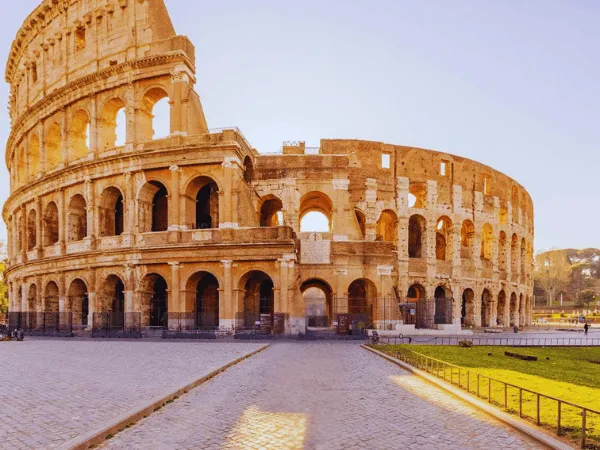
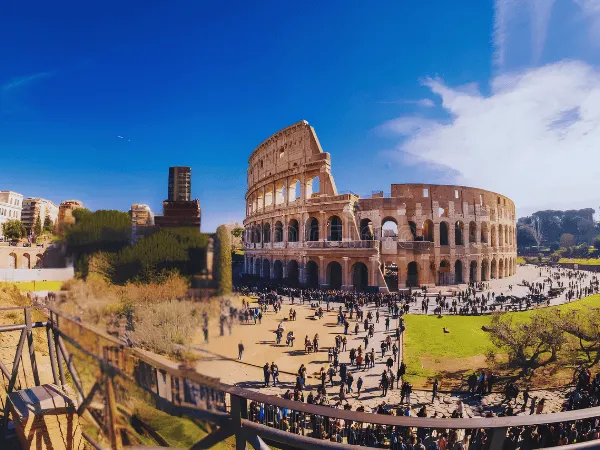
5. Italy — Where Every Street Corner Feels Like a Painting
Estimated Annual Visitors: ~70 Million
Italy is one of those destinations that defies disappointment. No photograph, no documentary, and no recommendation quite prepares you for the experience of standing in the Roman Colosseum, wandering through the canals of Venice, or biting into a Neapolitan pizza fresh from a wood-fired oven.
Rome, Florence, Venice, and Milan remain among Europe’s most visited cities, each offering its own distinct character. Rome is ancient and layered with history at every turn. Florence is refined and artistic. Venice is unlike anywhere else on earth — a city built on water that somehow continues to function as a living, breathing home rather than just a museum exhibit. Milan is sleek and fashion-forward, a global centre of design and style.
Beyond the famous cities, Italy rewards those who wander off the main tourist trail. The Amalfi Coast offers some of the Mediterranean’s most dramatic coastal scenery. Tuscany’s rolling hills and vineyard landscapes look exactly like Renaissance paintings — because they essentially are. The Dolomites in the north provide world-class hiking and skiing. Sicily combines Greek ruins, Arabic architecture, and Norman cathedrals in a cultural layering that is completely unique.
Why it ranks #5: A concentration of art, history, food, wine, and natural beauty that is almost unparalleled anywhere in the world.
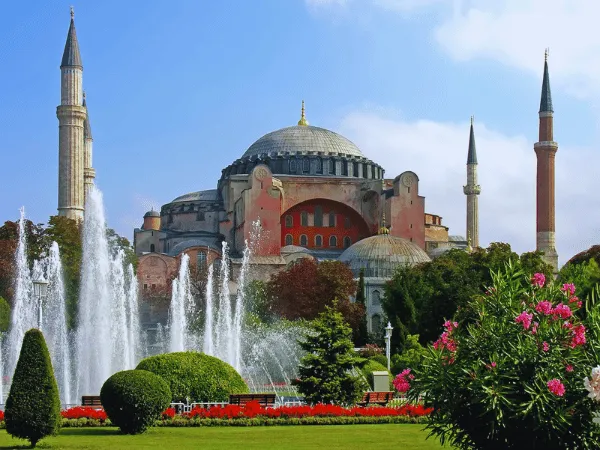
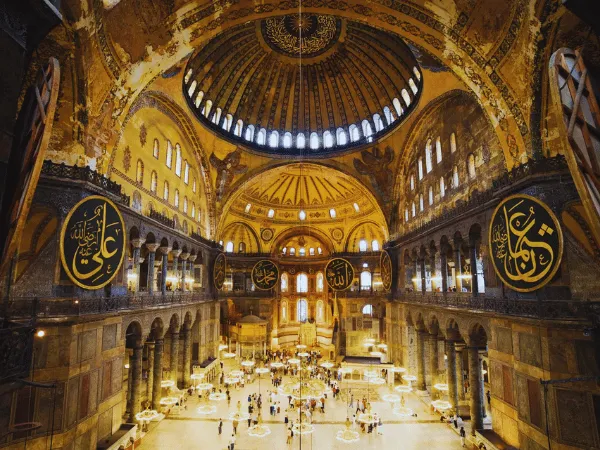
6. Turkey — Where Two Continents Collide
Estimated Annual Visitors: ~52–60 Million
Turkey is one of the most underrated destinations on this list, and those who discover it often rank it among the most memorable trips of their lives. Istanbul alone could fill an entire holiday — the Blue Mosque, the magnificent Hagia Sophia, the atmospheric Grand Bazaar, the vibrant food scene along the Bosphorus waterway. The city straddles Europe and Asia, and you genuinely feel that duality in its architecture, its food, and its culture.
Beyond Istanbul, Cappadocia is one of the world’s most visually extraordinary landscapes. Hot air balloon rides at sunrise over the fairy chimneys and cave valleys have become a bucket-list experience that lives up to every expectation. The turquoise coast around Antalya offers beautiful Mediterranean beaches at a fraction of the cost of the Greek islands. Ephesus, one of the best-preserved ancient cities in the world, gives visitors a remarkable window into Roman life.
Turkey’s affordability, combined with its extraordinary historical depth and warm hospitality, makes it one of the most accessible and rewarding destinations anywhere.
Why it ranks #6: A unique crossroads of cultures, with extraordinary diversity of experience, excellent value for money, and a distinct warmth in how visitors are received.
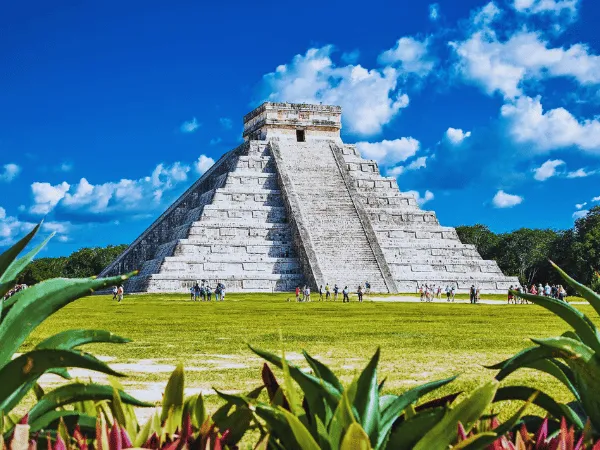
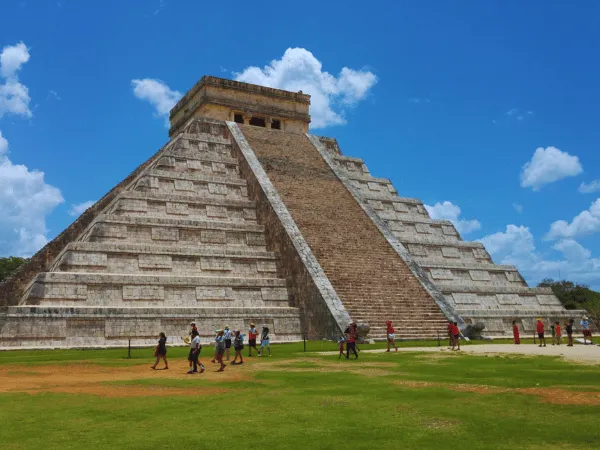
7. Mexico — Pyramids, Beaches, and an Irresistible Culture
Estimated Annual Visitors: ~45 Million+
Mexico consistently welcomes tens of millions of international visitors every year, and its appeal is wide-ranging. For beach lovers, the Caribbean coastline of the Yucatán Peninsula — from Cancún to Tulum — offers turquoise waters and white sand beaches among the most beautiful in the Western Hemisphere. For history enthusiasts, the ancient Mayan ruins at Chichén Itzá, Uxmal, and Palenque are among the most impressive archaeological sites in the Americas.
Mexico City itself is a massive, dynamic capital with a world-class food scene, extraordinary museums, colonial-era architecture, and a cultural vibrancy that has attracted increasing attention from international travellers. Oaxaca has emerged as one of Latin America’s most celebrated food destinations. San Miguel de Allende charms visitors with its colourful colonial streets and thriving arts community.
Mexican food, of course, is an experience in itself — far more diverse and regional than what most visitors expect, ranging from the complex moles of Oaxaca to the fresh ceviches of the Pacific coast.
Why it ranks #7: A country of extraordinary natural beauty, ancient history, and culinary richness, with something to offer every kind of traveller.
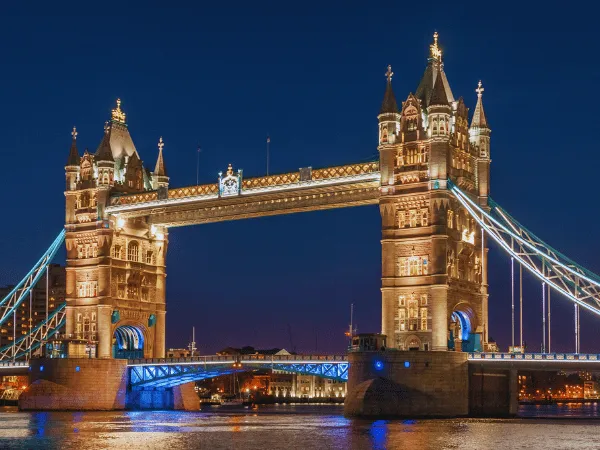
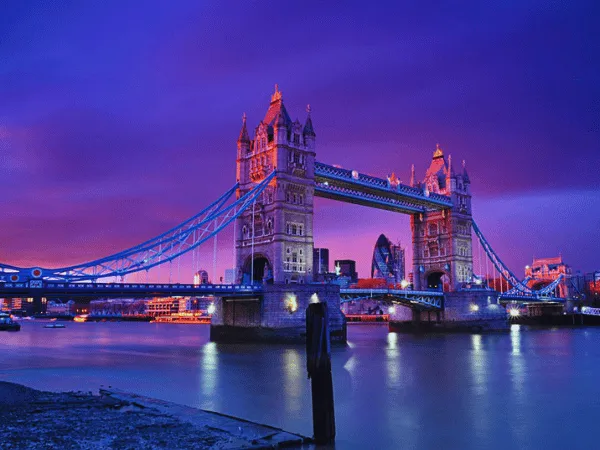
8. United Kingdom — History, Culture, and London’s Magnetic Pull
Estimated Annual Visitors: ~38–40 Million
London remains one of the world’s most consistently compelling city destinations, and it accounts for a large share of the UK’s international visitor numbers. The British Museum, the Tower of London, Buckingham Palace, the West End theatre district, the extraordinary variety of neighbourhoods from Notting Hill to Shoreditch — London rewards both first-time visitors and those who return again and again.
But the UK offers considerably more than its capital. Edinburgh draws visitors to its dramatic castle, its vibrant arts festival, and the wild Scottish Highlands just beyond its edges. The Cotswolds provide quintessential English countryside at its most picturesque. Bath, with its Roman baths and Georgian architecture, is a perfectly preserved step back in time. Liverpool draws music fans following in the footsteps of the Beatles. Manchester has established itself as one of England’s most energetic cultural cities.
Why it ranks #8: A rich concentration of world-class museums, historical landmarks, cultural institutions, and literary heritage, with the added draw of one of the world’s most iconic capital cities.


9. Germany — Efficiency, History, and Festive Traditions
Estimated Annual Visitors: ~35–40 Million
Germany may not have the beach resorts or ancient ruins that draw visitors to southern Europe, but it offers a compelling travel experience built around history, culture, architecture, and some of the world’s most beloved seasonal traditions. Berlin is a city unlike any other — raw, creative, and still visibly shaped by the dramatic history of the twentieth century. Munich is refined and festive, home to world-famous beer gardens and, of course, Oktoberfest. Frankfurt is a sleek financial hub with a surprisingly strong museum district along the Main River.
Neuschwanstein Castle in Bavaria — the fairy-tale fortress that inspired Disneyland’s Sleeping Beauty Castle — draws visitors from across the globe. Germany’s Christmas markets, which appear in towns and cities throughout December, are among the most atmospheric and beloved seasonal traditions in all of Europe. The country’s efficient rail network makes exploring multiple regions in a short trip remarkably easy.
Why it ranks #9: A strong mix of historical depth, cultural festivals, architectural landmarks, and excellent transport infrastructure.

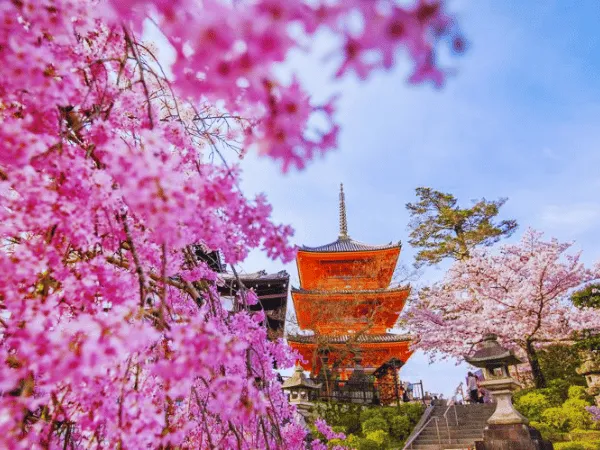
10. Japan — Ancient Temples and Modern Wonders
Estimated Annual Visitors: ~36 Million (a National Record)
Japan has experienced one of the most dramatic tourism booms of any country in recent years. Arrivals in 2025 broke all previous records, representing a 60% increase compared to pre-pandemic levels, and 2026 is on track to continue that trajectory. The country’s ability to attract visitors has been fuelled by a combination of its unique cultural appeal, the aftermath of the successful Expo 2025 in Osaka, and sustained global fascination with Japanese food, design, and lifestyle.
Tokyo is extraordinary — one of the largest cities on earth, yet clean, efficient, and navigating the contradiction of tradition and hyper-modernity with remarkable ease. Kyoto offers a more contemplative experience, with hundreds of Buddhist temples, Shinto shrines, and traditional tea houses tucked between hills covered in bamboo groves and maple trees. Osaka is a city of food obsessives and warm, direct hospitality. Mount Fuji, rising above the surrounding landscape in near-perfect symmetry, is one of the world’s most recognisable and moving natural sights.
Why it ranks #10: A deeply distinctive culture, exceptional food, extraordinary craftsmanship, and a level of beauty — from its cherry blossom season to its autumn foliage — that is genuinely hard to find elsewhere.
Final Thoughts: Where Will You Go?
Global tourism in 2026 is more dynamic and diverse than it has ever been. While Europe continues to dominate the rankings — driven by France, Spain, Italy, the UK, and Germany — Asia is rapidly emerging as the world’s next great tourism powerhouse, with Japan and China leading the charge. Meanwhile, Turkey and Mexico demonstrate that affordability, cultural richness, and natural beauty can be just as compelling as the most famous European capitals.
Whether your travel dreams involve standing beneath the Eiffel Tower, floating above Cappadocia in a hot air balloon, tasting ramen in Osaka, or watching the sun rise over ancient Mayan pyramids, one thing is clear: the world is open, and it is waiting.
Planning your next trip? Use this list as your starting point — and then let your curiosity take you deeper.
Keep Exploring the World
The world is full of destinations that go far beyond the usual tourist trail. If health and wellness are part of your travel goals, you might want to read our detailed guide on how to plan a wellness and medical trip to Australia — one of the most popular countries for medical tourism in 2026. Or if snowy mountains and winter adventures are calling your name, our comprehensive winter travel guide to Switzerland covers everything from skiing in the Alps to exploring charming snow-covered cities. Every great journey starts with a little inspiration — keep exploring and let your next destination find you.